
How Pneumatic Cylinder Works Complete Guide to Working Principle and Applications
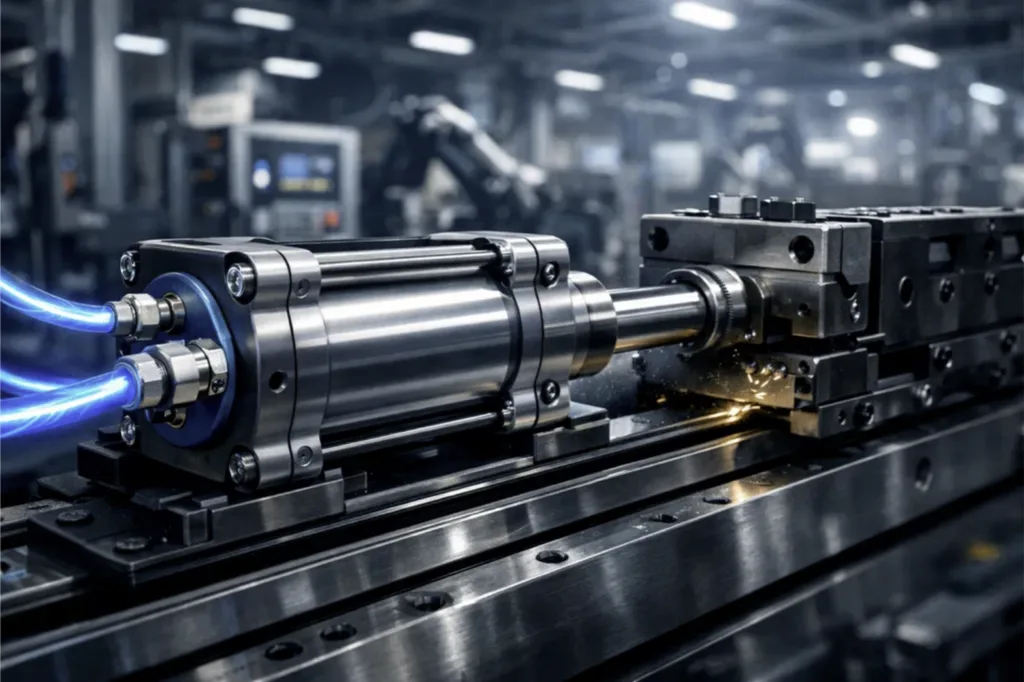
A pneumatic cylinder works by converting compressed air energy into mechanical linear motion. In industrial automation systems, pneumatic cylinders are widely used for pushing, lifting, clamping, and positioning tasks.
What Is a Pneumatic Cylinder Complete Beginner Guide to Types Working Principle and Applications
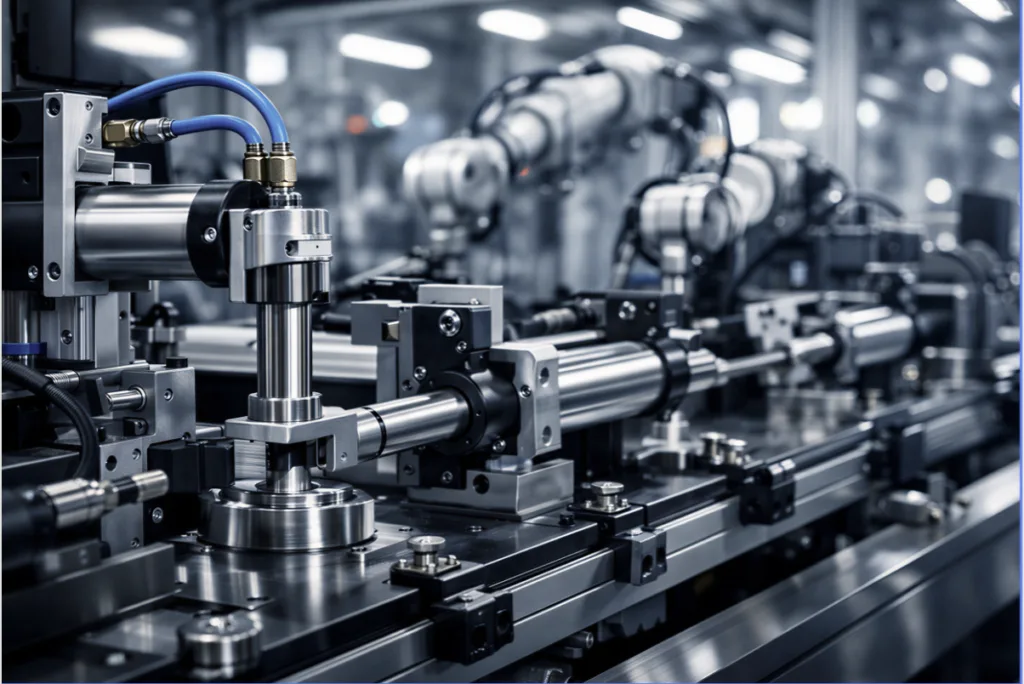
A pneumatic cylinder is a mechanical device that uses compressed air to generate linear motion and force. It is widely used in automation systems, manufacturing equipment, and industrial machinery.
What Pneumatic Component Provides Straight Line Motion? A Professional Guide to Linear Actuation

In the rapidly evolving landscape of industrial automation, achieving precise and reliable straight line motion is a fundamental requirement. From the simple task of opening a safety gate to the complex high-speed sorting in a packaging facility, linear movement is the backbone of countless mechanical processes.
Longevity and Reliability: The Ultimate Maintenance Guide for Directional Control Valves
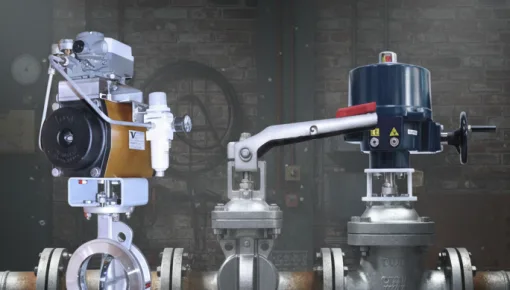
In a 24/7 high-output production environment, preventative maintenance for directional valves is the difference between profitable uptime and catastrophic system failure.
Key Considerations for Directional Valve Installation and Commissioning
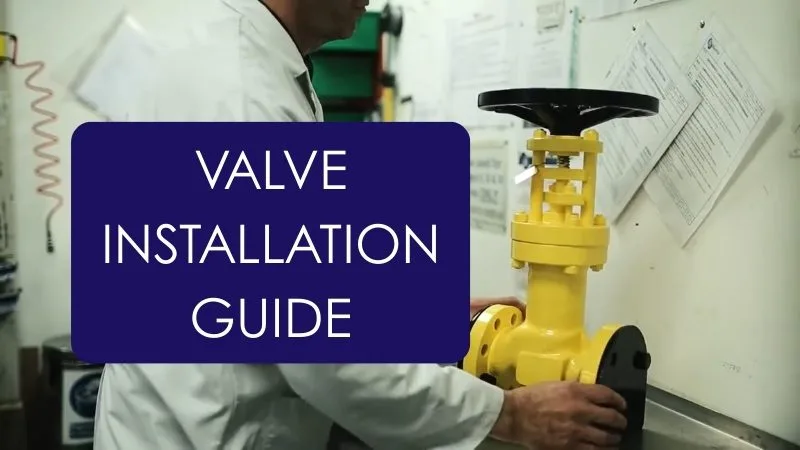
Directional control valves (DCVs) are the “brains” of a pneumatic system, playing a critical role in diverting and directing the media to the correct actuators.
Common Sizes and Materials for Directional Control Valves: A Technical Guide
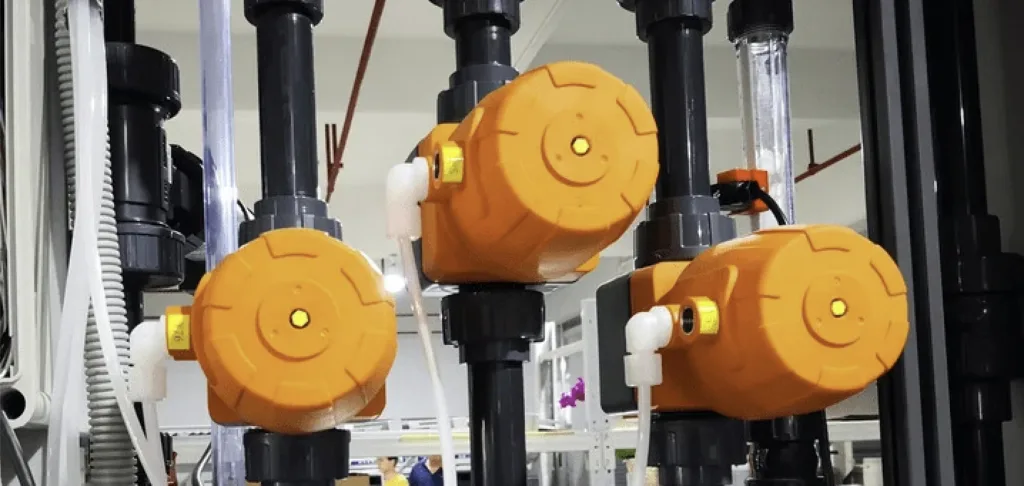
When designing a high-efficiency pneumatic circuit, the “one size fits all” approach is a recipe for system failure.
What is the Working Principle of a Directional Control Valve? A Comprehensive Guide
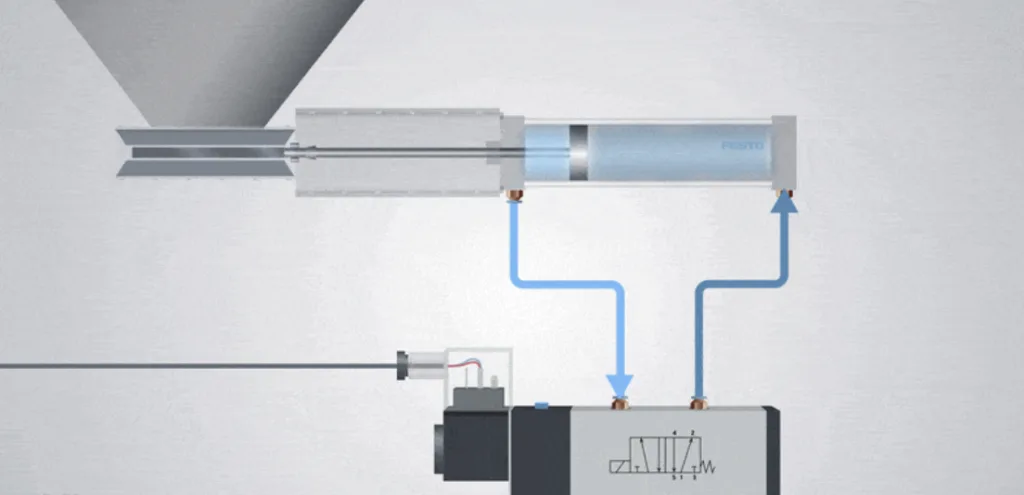
In the world of industrial automation, the Directional Control Valve (DCV) is the unsung hero. Often referred to as the “brain” of a pneumatic circuit, its primary function is to regulate the flow of compressed air to various actuators.
What Are The Main Types of Directional Control Valves?
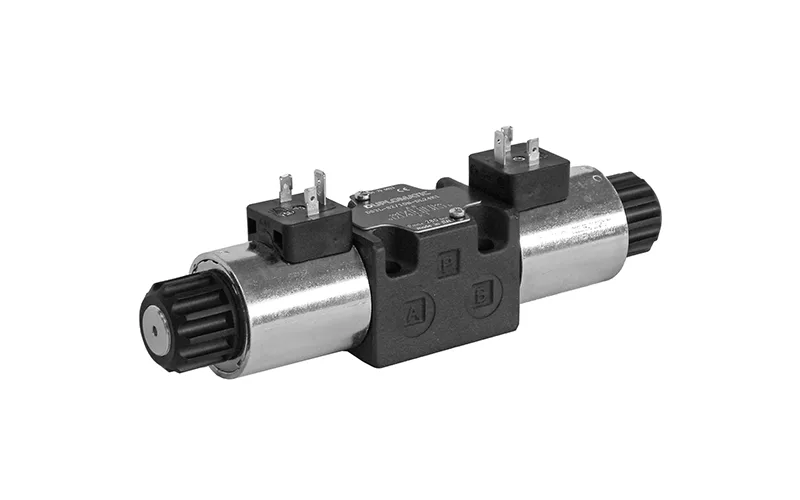
In hydraulic or pneumatic systems, directional control valves (DCVs) are far more than simple switches; they are the commanders of the entire circuit. Often called “discrete valves,” they determine every action logic of the system by precisely controlling the flow path of the fluid.
Pneumatic Directional Control Valves: 5 Things You Need to Know
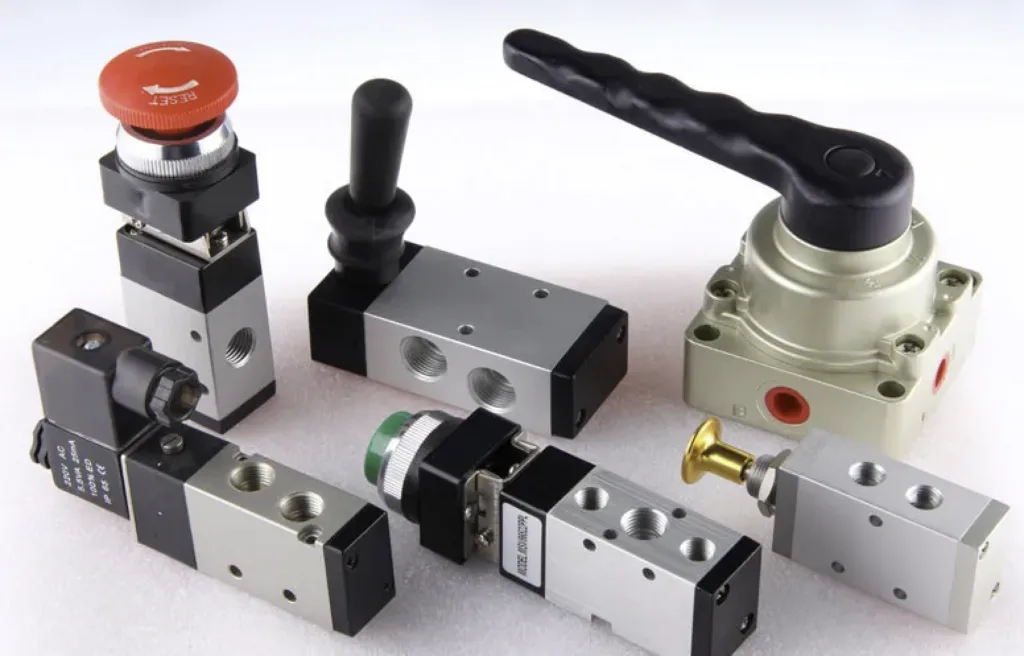
In any industrial automation system, directional control valves (DCVs) act as the “brain” or the “traffic police.” They dictate the path of compressed air, determining when and where a cylinder extends or a vacuum system activates. Whether you are designing a new machine or maintaining a global production line, mastering these five core aspects is essential for peak efficiency.
How Does an FRL Unit Work? A Step-by-Step Guide to Air Preparation
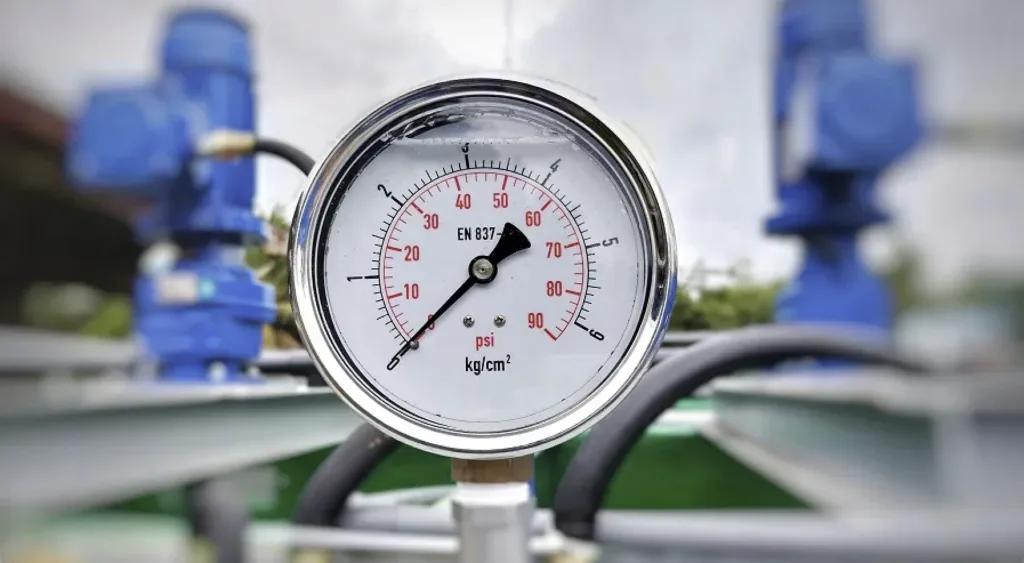
A pneumatic system is an automated technology that uses compressed air for power transmission and control. Within this system, pneumatic components (such as cylinders and solenoid valves) act as the “muscles” and “brain” of the operation.