
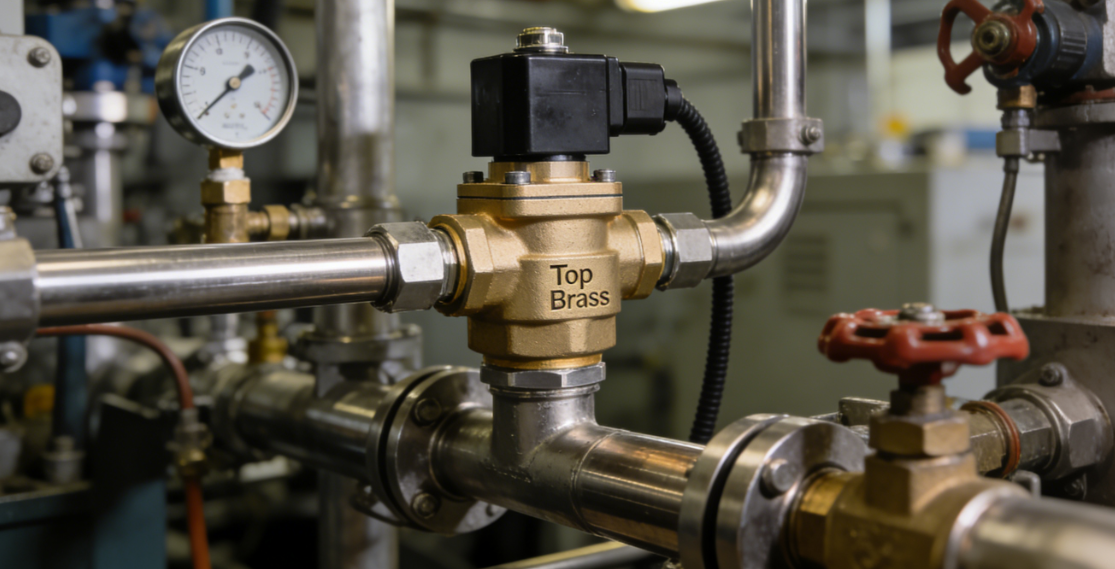
Top Chinese valve exporters typically offer various payment terms. These arrangements commonly involve an upfront deposit. The remaining balance becomes due upon shipment or receipt of documents. For example, Top Brass Solenoid Valve Manufacturers provide flexible options. These payment terms depend on order size and the established relationship between the buyer and exporter. Exporter policies also play a significant role. Understanding these standard payment terms is crucial for successful transactions, especially when considering Cost-effective Solenoid Valves, High Pressure Brass Solenoid Valves, and Durable Brass Solenoid Valves. Proper Brass Solenoid Valve Selection also impacts these agreements.
Key Takeaways
- Chinese valve exporters use different payment terms. These include T/T, L/C, D/P, D/A, and Open Account.
- T/T is the most common payment method. Buyers pay a deposit first. They pay the rest when goods ship.
- L/C offers more security. A bank guarantees payment. This is good for big orders or new buyers.
- Your relationship with the exporter matters. Trust helps you get better payment terms.
- Always communicate clearly. Make sure all payment details are in the contract.
Common Payment Terms Structures
Top Chinese valve exporters offer various standard payment terms to facilitate international trade. These structures balance security for the exporter with flexibility for the buyer. Understanding these common arrangements helps buyers prepare for transactions and negotiate effectively.
Upfront Deposit and Balance Upon Shipment (T/T)
The Telegraphic Transfer (T/T) method is the most common payment term in international trade, particularly for Chinese valve exporters. This arrangement typically requires an initial deposit from the buyer before production begins. This deposit, often ranging from 20% to 50% of the total order value, secures the order and covers initial material and manufacturing costs. Once the goods are ready for shipment, the buyer pays the remaining balance. Exporters usually release the shipping documents, such as the Bill of Lading (B/L), only after receiving the full payment. This method offers a straightforward process and relatively low banking fees compared to other options. It provides the exporter with upfront capital and ensures payment before the goods leave their control. For buyers, it offers a degree of security, as they only pay the majority of the cost once the product is complete and ready for dispatch.
Letter of Credit (L/C) at Sight
A Letter of Credit (L/C) at Sight provides a secure payment mechanism, especially for larger orders or when a new business relationship is forming. Under an L/C at Sight, a bank guarantees payment to the exporter once the exporter presents all required shipping documents that comply with the L/C terms. This means the buyer’s bank immediately pays the exporter upon verification of documents, not upon the arrival of goods.
Chinese valve exporters are more likely to accept L/Cs under specific conditions:
- Buyers proactively identify multiple potential suppliers. This increases the chances of finding an exporter willing to accept an L/C.
- Buyers mention L/C as the preferred payment method early in discussions. They also seek written agreement.
- Buyers present their project compellingly to the supplier. They highlight its long-term potential to stand out.
- Buyers send a draft L/C to the manufacturer before opening it. This ensures it includes necessary documents like commercial invoice, packing list, and bill of lading. Buyers also avoid ‘soft terms’.
- Buyers utilize a major international bank for the L/C. This reassures suppliers.
- L/Cs are generally more cost-effective for transactions of at least USD$30,000. This is due to higher bank fees compared to bank wires.
- Chinese exporters are more likely to accept L/Cs for projects they perceive as long-term business opportunities, rather than one-time deals.
While L/Cs offer high security, they involve a complex process.
L/Cs are complex, and not many factories (including ours) fully understand them. The best way to ensure quality for the first few orders is to conduct a semi-inspection followed by a final inspection.
This complexity requires meticulous document preparation and adherence to strict timelines.
Partial Advance and Balance Against Documents (D/P or D/A)
Documents Against Payment (D/P) and Documents Against Acceptance (D/A) are other common payment terms. These methods involve banks acting as intermediaries to handle shipping documents.
Under D/P, the exporter ships the goods and sends the shipping documents (e.g., Bill of Lading, commercial invoice) through their bank to the buyer’s bank. The buyer’s bank releases these documents to the buyer only after the buyer pays the full amount. This allows the buyer to take possession of the goods. D/P offers the exporter more security than D/A, as payment occurs before the buyer receives the documents needed to claim the goods.
Documents Against Acceptance (D/A) provides more flexibility to the buyer. Similar to D/P, the exporter sends documents through banks. However, under D/A, the buyer’s bank releases the documents to the buyer upon the buyer’s acceptance of a bill of exchange (a promise to pay at a future date). The buyer then gains access to the goods but pays the exporter at a later, agreed-upon date (e.g., 30, 60, or 90 days after acceptance). This method carries higher risk for the exporter, as payment is not guaranteed immediately upon document release. Exporters typically offer D/A only to trusted, long-standing buyers.
Open Account (O/A) for Established Relationships
Open Account (O/A) represents the most flexible arrangement for buyers. Under O/A, the exporter ships goods and documents directly to the buyer. The buyer receives the goods before making any payment. This method essentially extends credit to the buyer. The buyer agrees to pay the exporter on a specified future date. This date typically falls 30, 60, or 90 days after shipment or receipt of goods.
Exporters only offer Open Account terms to buyers with whom they have a long-standing, trusted relationship. This relationship often involves a history of timely payments and consistent order volumes. The exporter assumes significant risk with O/A. They rely entirely on the buyer’s promise to pay. This method provides maximum cash flow flexibility for the buyer. It also simplifies administrative procedures. Buyers do not need to arrange bank guarantees or complex documentation.
For Chinese valve exporters, offering O/A terms is a strategic decision. It demonstrates strong confidence in the buyer’s financial stability and commitment. Exporters might use O/A to foster loyalty. They also use it to secure larger, recurring orders from key clients. This approach can provide a competitive advantage in the market. However, exporters often conduct thorough credit checks before extending such terms. They may also use credit insurance to mitigate potential losses.
Open Account terms signify a high level of mutual trust. Both parties benefit from streamlined transactions and reduced banking fees. The exporter gains a loyal customer, and the buyer enjoys favorable cash flow management.
Despite the benefits, the exporter bears the primary risk of non-payment or delayed payment. Therefore, O/A remains less common than T/T or L/C for new business relationships. It serves as a reward for proven reliability and a foundation for deeper partnerships.
Detailed Breakdown of T/T Payment Terms
Telegraphic Transfer (T/T) remains a cornerstone of international trade, especially for transactions with Chinese valve exporters. This method offers a balanced approach to risk and convenience for both parties. It typically involves two main stages: an initial deposit and a final balance payment.
Initial Deposit Requirements
Chinese valve exporters commonly require an initial deposit to secure an order and commence production. This upfront payment demonstrates the buyer’s commitment. It also helps the exporter cover immediate costs. These costs include raw materials, labor, and initial manufacturing expenses. A standard payment term in international trade, particularly with Chinese suppliers, is a 30% initial deposit. Buyers typically pay this deposit when they sign the contract. For orders involving parts from Chinese suppliers, a common payment structure is 30% at the time of order placement. This initial payment ensures the supplier has the necessary capital to begin work. It also acts as a tangible commitment from the buyer.
Balance Payment Against Bill of Lading (B/L)
After the initial deposit, the remaining balance becomes due. This typically occurs before shipment or upon presentation of specific shipping documents. The most crucial document in this stage is the Bill of Lading (B/L). The B/L serves as a contract between the shipper and the carrier. It also acts as a receipt for the goods and a document of title. Exporters usually require the buyer to pay the remaining 70% of the total order value before they release the original B/L. Once the exporter receives the full payment, they send the B/L and other necessary shipping documents to the buyer. The buyer then uses these documents to claim the goods at the destination port. This process ensures the exporter retains control over the goods until they receive full payment.
Advantages for Both Parties
The T/T payment method offers distinct advantages for both Chinese valve exporters and their international buyers.
-
For Exporters:
- Reduced Risk: Exporters receive a significant portion of the payment upfront. This covers their initial production costs. They also retain control of the goods until the buyer pays the final balance. This minimizes the risk of non-payment.
- Improved Cash Flow: The initial deposit provides immediate working capital. This helps manage production expenses efficiently.
- Simplicity: T/T transactions are generally straightforward. They involve fewer banking procedures and less paperwork compared to Letters of Credit.
-
For Buyers:
- Lower Costs: T/T transactions typically incur lower bank fees than more complex methods like L/Cs.
- Flexibility: Buyers often find T/T terms more flexible to negotiate than other payment terms, especially with established suppliers.
- Control Over Goods: Buyers know the exporter will only release the goods after receiving the final payment. This provides assurance that the goods are ready for shipment.
T/T payment terms foster trust between parties. They provide a clear, secure, and efficient way to conduct international transactions for valve exports.
Associated Risks and Mitigation
While Telegraphic Transfer (T/T) offers simplicity and efficiency, it also carries inherent risks for both buyers and exporters. Understanding these risks and implementing effective mitigation strategies is crucial for secure transactions.
For the buyer, the primary risk lies in paying a significant portion of the order value before receiving the goods or even before shipment. A buyer faces the risk of non-delivery or receiving goods that do not meet quality specifications after making the final balance payment. Fraudulent suppliers pose another serious threat. They might disappear after receiving the full payment. To mitigate these risks, buyers should conduct thorough due diligence on potential suppliers. They can request business licenses, factory audit reports, and references from other international clients. Engaging a third-party inspection service for pre-shipment inspection (PSI) provides a critical safeguard. This ensures the goods meet quality standards and quantity requirements before the final payment. Buyers can also start with smaller orders to build trust and assess the supplier’s reliability before committing to larger volumes.
For the exporter, the main risk involves the buyer’s potential failure to pay the remaining balance after the initial deposit. If a buyer defaults on the final payment, the exporter faces the challenge of recovering costs. They also need to find a new buyer for the manufactured goods. This can lead to significant financial losses and storage expenses. To mitigate this, exporters often conduct credit checks on new buyers. They assess the buyer’s financial stability and payment history. Clear and legally binding contracts are essential. These contracts outline the payment schedule, responsibilities, and consequences of non-payment. Exporters might also insist on a higher initial deposit for new or less established buyers. This covers a larger portion of their production costs. Building strong, long-term relationships with trusted buyers also reduces this risk. Exporters can offer more flexible terms to reliable partners.
Both parties benefit from clear communication throughout the transaction. They should establish precise terms for quality control, delivery schedules, and dispute resolution. Utilizing trade credit insurance can also provide a safety net for exporters against buyer non-payment. For buyers, ensuring the exporter provides a valid Bill of Lading (B/L) and other necessary shipping documents is paramount. This confirms the goods are indeed shipped. Ultimately, a foundation of trust, built through transparency and adherence to agreed-upon terms, significantly reduces the risks associated with T/T transactions.
Understanding Letter of Credit (L/C) Payment Terms
L/C as a Secure Payment Instrument
A Letter of Credit (L/C) stands as an internationally recognized payment instrument. It provides secure and standardized settlement assurance by incorporating bank credit. This mechanism acts as a reliable bridge in international trade, essentially replacing commercial credit with bank credit. It addresses mutual distrust between buyers (importers) and sellers (exporters). This mechanism ensures payment security for exporters and offers control over goods for importers.
- For Exporters (Enhanced Payment Security): Exporters benefit from the guarantee of the issuing bank, a reputable financial institution. This significantly reduces payment risk as they do not rely on the importer’s commercial credit.
- For Exporters (Minimized Disputes): L/C terms clearly specify key elements like goods description, documentary requirements, and shipment deadlines. Strict compliance by the exporter avoids disputes from ambiguous contract clauses.
- For Importers (Control over Goods Ownership): The bank holds the bill of lading. This requires the importer to make payment before redeeming documents. It ensures payment only after confirming goods meet contractual requirements.
- For Importers (Simplified Customs Clearance): Importers use a complete set of documents from the issuing bank (e.g., bill of lading, commercial invoice, certificate of origin) for customs clearance. This prevents delays or penalties.
L/Cs mitigate various risks in international trade. They replace commercial risk with bank credit and offer a standardized legal framework (UCP 600) to reduce legal disputes.
Types of L/C Relevant to Valve Exports
Several types of Letters of Credit exist, but a few are particularly relevant for valve exports. A Sight L/C requires immediate payment upon presentation of compliant documents. This offers the highest security for the exporter. A Usance L/C, or time L/C, allows for payment at a future date, providing the buyer with a period of credit. For added security, an exporter might request a Confirmed L/C. In this case, a second bank, usually in the exporter’s country, adds its guarantee to the L/C. This provides an extra layer of assurance against the issuing bank’s default or political risks in the buyer’s country.
Process and Documentation for L/C
The L/C process involves several distinct steps and requires meticulous documentation.
- Contract Agreement: Buyer and seller agree to use a Sight Documentary Letter of Credit, specifying key details.
- Application for Letter of Credit: The importer submits an L/C application and supporting documents to the issuing bank, along with a deposit.
- Issuance and Transmission of the L/C: The issuing bank sends the L/C to the advising bank via SWIFT, which then forwards it to the beneficiary (exporter).
- Beneficiary’s Review: The exporter reviews the L/C terms for feasibility and requests amendments if discrepancies are found.
- Shipment and Document Preparation: The exporter arranges shipment and prepares all required documents according to L/C terms.
- Submission of Documents to the Bank: The exporter submits documents to the presenting or nominated bank.
- Bank Examination of Documents and Payment: The issuing or nominated bank examines documents for apparent compliance within 5 business days and makes payment if compliant.
- Reimbursement and Release of Documents: The issuing bank reimburses the paying/negotiating bank, and the importer pays to redeem the documents.
Key documents typically include the commercial invoice, packing list, bill of lading, certificate of origin, and inspection certificates.
Benefits and Drawbacks of L/C Payment Terms
Letters of Credit (L/Cs) offer distinct advantages and disadvantages for both Chinese valve exporters and international buyers. Understanding these aspects helps parties decide if an L/C suits their transaction.
Benefits of L/C:
- Enhanced Security for Exporters: An L/C provides a bank’s guarantee of payment. This significantly reduces the risk of non-payment for the exporter. The bank pays the exporter once they present compliant documents.
- Control for Importers: Importers gain assurance. The bank only releases documents, allowing goods collection, after the exporter meets all L/C conditions. This ensures the exporter ships the correct goods and provides proper documentation.
- Reduced Commercial Risk: The L/C replaces the buyer’s commercial credit with the bank’s credit. This builds trust, especially in new business relationships.
- Standardized Process: International rules (UCP 600) govern L/Cs. This provides a clear, globally recognized framework for transactions.
Drawbacks of L/C:
- Increased Complexity: L/Cs involve a detailed process. Both parties must meticulously prepare and check documents. Any discrepancy can delay payment or shipment.
- Higher Costs: Banks charge fees for issuing, advising, and confirming L/Cs. These costs can add significantly to the transaction’s overall expense.
- Strict Adherence to Documentation: Exporters must present documents that precisely match the L/C terms. Even minor errors can lead to discrepancies, causing payment delays or refusal.
- Potential for Delays: The document checking process takes time. Discrepancies require amendments, further extending the transaction timeline. This can impact delivery schedules.
- Reduced Flexibility: L/Cs are rigid. Once issued, changing terms requires agreement from all parties, including the banks. This limits flexibility if unforeseen circumstances arise.
L/Cs provide a secure framework for international trade. However, their complexity and cost require careful consideration. Parties must weigh the security benefits against the administrative burden and expense.
Other Payment Terms and Their Implications
Beyond the widely used T/T and L/C, Chinese valve exporters sometimes offer other payment methods. These options provide varying levels of security and flexibility for both buyers and sellers. Understanding their implications helps in choosing the most suitable arrangement.
Documents Against Payment (D/P)
Documents Against Payment (D/P) offers a middle ground between the security of an L/C and the simplicity of a T/T. Under D/P, the exporter ships the goods and then sends the shipping documents through their bank to the buyer’s bank. The buyer’s bank releases these documents only after the buyer pays the full amount. This allows the buyer to claim the goods at the destination port. Chinese valve exporters often offer D/P terms to established clients. These clients typically have a strong reputation and a history of long-term collaboration. For new clients, suppliers conduct thorough investigations. They examine business credit, operational history, and the standing of the client’s bank. This helps them decide if offering D/P terms is a safe option. To mitigate risks when using D/P, suppliers may request a deposit, typically 30%-50% prepayment. They also utilize ‘To Order’ Bills of Lading instead of Straight B/Ls. Securing export credit insurance further protects the exporter.
Documents Against Acceptance (D/A)
Documents Against Acceptance (D/A) provides more flexibility for the buyer compared to D/P. In a D/A arrangement, the exporter ships the goods and sends the documents through their bank. The buyer’s bank releases these documents upon the buyer’s acceptance of a bill of exchange. This bill of exchange is a promise to pay at a future, agreed-upon date, such as 30, 60, or 90 days after acceptance. The buyer gains access to the goods before making the actual payment. This method extends credit to the buyer. Exporters typically offer D/A only to highly trusted, long-standing partners due to the increased risk of non-payment.
Escrow Services and Third-Party Platforms
Escrow services and third-party platforms offer an alternative for securing transactions, especially for new relationships or high-value orders. A neutral third party holds the buyer’s funds. This third party releases the funds to the exporter only after the buyer confirms receipt and satisfaction with the goods. This arrangement provides security for both parties. The buyer knows their money is safe until they receive the goods. The exporter knows the funds are available once they fulfill their obligations. Platforms like Alibaba Trade Assurance or specialized escrow companies facilitate these services. While they add a layer of security, they also involve additional fees and can sometimes introduce more complexity or delays into the transaction process.
Considerations for Open Account Payment Terms
Open Account (O/A) represents the most flexible arrangement for buyers. Under O/A, the exporter ships goods and documents directly to the buyer. The buyer receives the goods before making any payment. This method essentially extends credit to the buyer. The buyer agrees to pay the exporter on a specified future date. This date typically falls 30, 60, or 90 days after shipment or receipt of goods.
Exporters only offer Open Account terms to buyers with whom they have a long-standing, trusted relationship. This relationship often involves a history of timely payments and consistent order volumes. The exporter assumes significant risk with O/A. They rely entirely on the buyer’s promise to pay. This method provides maximum cash flow flexibility for the buyer. It also simplifies administrative procedures. Buyers do not need to arrange bank guarantees or complex documentation.
For Chinese valve exporters, offering O/A terms is a strategic decision. It demonstrates strong confidence in the buyer’s financial stability and commitment. Exporters might use O/A to foster loyalty. They also use it to secure larger, recurring orders from key clients. This approach can provide a competitive advantage in the market. However, exporters often conduct thorough credit checks before extending such terms. They may also use credit insurance to mitigate potential losses.
Open Account terms signify a high level of mutual trust. Both parties benefit from streamlined transactions and reduced banking fees. The exporter gains a loyal customer, and the buyer enjoys favorable cash flow management.
Despite the benefits, the exporter bears the primary risk of non-payment or delayed payment. Therefore, O/A remains less common than T/T or L/C for new business relationships. It serves as a reward for proven reliability and a foundation for deeper partnerships.
Key Factors Influencing Negotiated Payment Terms
Several critical factors influence the payment terms Chinese valve exporters offer. These elements determine the flexibility and security of financial arrangements between buyers and suppliers. Understanding these factors helps buyers negotiate more effectively.
Order Value and Volume Impact on Payment Terms
The size and frequency of an order significantly affect the payment terms an exporter offers. Larger, higher-value orders often provide more leverage for buyers to negotiate favorable conditions. Exporters value substantial commitments. They may offer reduced upfront deposits or extended payment periods for significant volumes. As a business relationship with a Chinese supplier matures through successful transactions, trust builds. This enables negotiations for more favorable payment terms. These can include reduced upfront deposits or extended payment periods, such as 30 or 60 days after goods receipt (Open Account terms). This progression towards better terms is earned over time. Consistent, higher-value, and higher-volume orders contribute to this maturity and trust. They positively influence payment term negotiations.
Buyer-Exporter Relationship History and Trust
The history between a buyer and an exporter plays a crucial role in determining payment flexibility. Established relationships built on trust and consistent, timely payments often lead to more accommodating terms. Exporters are more willing to extend credit or accept less stringent conditions for reliable, long-term partners. A new buyer, however, typically faces stricter requirements, such as higher upfront deposits or the use of secure instruments like Letters of Credit. Demonstrating reliability and commitment over time can gradually unlock more flexible arrangements.
Exporter’s Internal Policy and Financial Stability
An exporter’s internal policies and financial health directly impact the payment terms they can offer. Chinese companies, particularly those classified as Class B or C by SAFE, face restrictions on payment terms. For instance, payment terms generally cannot exceed 90 days. The percentage of any prepayment or advance payment is also limited. SAFE determines this ratio at its discretion, considering the nature of the trade transaction and results from audits. This directly impacts the flexibility of payment terms offered by Chinese exporters. Additionally, Class B companies must maintain a specific ratio between payment and receipt of foreign currencies. This can further limit their ability to export. A financially stable exporter might offer more flexible terms. They possess the capital to absorb longer payment cycles. Conversely, an exporter facing financial constraints may require more upfront payment to manage their cash flow.
Product Customization and Production Lead Time
Product customization significantly influences the payment terms Chinese valve exporters offer. When buyers request highly specialized or custom-designed valves, exporters face increased risks. They invest more in research, development, and unique tooling. This investment makes the product less marketable to other buyers if the initial order falls through. Therefore, exporters typically demand a larger upfront deposit for customized orders. This higher deposit secures the buyer’s commitment. It also helps cover the exporter’s initial, non-recoverable costs. Exporters might also prefer more secure payment methods, such as a Letter of Credit (L/C), for complex custom projects. This ensures payment for their specialized efforts.
Production lead time also plays a crucial role in payment term negotiations. Valves with long production cycles require the exporter to tie up capital for extended periods. They purchase raw materials, manage manufacturing processes, and store components over many weeks or months. This extended financial commitment increases the exporter’s working capital needs. Consequently, exporters often request more favorable payment terms for themselves. They might ask for a higher initial deposit. Alternatively, they could propose progress payments at various stages of production. This helps them manage cash flow throughout the lengthy manufacturing process.
Exporters manage their financial exposure. They align payment terms with the specific demands of customized products and prolonged production schedules.
For example, a standard valve order might require a 30% upfront deposit. A highly customized valve with a 12-week lead time could demand a 50% deposit. It might also include an additional 30% payment upon completion of a critical manufacturing stage. These adjustments reflect the exporter’s increased financial risk and resource allocation. Buyers should understand these dynamics. They can then prepare for potentially stricter payment terms when ordering specialized or time-consuming valve products.
Strategies for Negotiating Favorable Payment Terms
Buyers can employ several strategies to secure better financial arrangements with Chinese valve exporters. Understanding these approaches helps establish mutually beneficial agreements.
Starting with Standard Terms and Proposing Alternatives
Buyers often begin negotiations by accepting standard terms, such as a 30% deposit and 70% against the bill of lading, especially for new relationships. This approach builds initial trust. Buyers can then propose alternatives. For example, they can negotiate specific payment structures. These might include 30% before production, 50% after shipment, and 20% after delivery. This structure is common in competitive industries. Buyers can also consider accepting a slightly higher price for more favorable payment terms. This trade-off can provide significant cash flow benefits. Less money paid upfront means more cash remains available for running the business. Buyers should clearly communicate their required terms from the beginning. This ensures suppliers can quote viable prices and avoids misunderstandings later. Utilizing letters of credit can also help avoid large down payments. Buyers should mention this requirement early in discussions with potential suppliers.
Building Trust and Demonstrating Reliability
Building a strong relationship with the supplier is crucial for smooth commercial transactions and successful negotiations. Trust is earned over time in China. Consistent good business practices, clear communication, and timely payments contribute to a strong relationship. This leads to more flexibility in the future. Buyers should demonstrate reliability through consistent communication, transparency, and fulfilling obligations. Face-to-face negotiations are highly recommended in Chinese business culture. They foster deeper connections, clarify concerns, and build rapport. Understanding Chinese business culture, where trust and long-term relationships are highly valued, is essential before negotiations.
Importance of Clear Communication and Contract Details
Clear communication is paramount throughout the negotiation process. Buyers must be upfront. They should clearly communicate their required payment terms from the beginning. This ensures suppliers can quote viable prices and avoids misunderstandings later. Buyers should also ensure payment terms are clearly articulated in the contract. The contract must detail amounts, due dates, and penalties. This is essential to overcome cultural differences and avoid misunderstandings. Engaging a reputable intermediary, such as local business consultants or trade agents, can provide valuable insights. They bridge cultural communication gaps, aiding negotiations.
Leveraging Long-Term Partnership Potential
Buyers gain significant advantages by cultivating long-term partnerships with Chinese valve exporters. These enduring relationships often lead to more flexible and favorable payment terms over time. Exporters prioritize consistent business and reliable customers. They view long-term partners as lower risk. This perspective encourages them to offer better financial arrangements.
Initially, exporters might require standard terms, such as a 30% upfront deposit. As the relationship matures, however, they become more willing to negotiate. Exporters often reduce deposit requirements for trusted buyers. They might also extend payment deadlines. For example, a buyer could transition from paying 70% against the Bill of Lading to receiving 30 or 60 days of credit after shipment. This shift significantly improves the buyer’s cash flow management.
Consistent order volumes and a history of timely payments build trust. This trust is invaluable in international trade. It signals the buyer’s reliability and commitment. Exporters recognize the value of a stable client base. They reward loyalty with more accommodating terms. This creates a mutually beneficial cycle. The buyer receives better terms, and the exporter secures a dependable revenue stream.
Buyers should actively demonstrate their commitment. They can maintain open communication and fulfill contractual obligations promptly. This approach strengthens the partnership. It also positions the buyer for future negotiations. Ultimately, a strong, long-term relationship becomes a powerful tool. It unlocks payment flexibility and enhances overall transaction efficiency.
Legal and Financial Considerations for International Payment Terms
International trade involves complex legal and financial aspects. Buyers and sellers must carefully consider these factors. They ensure smooth and compliant transactions. Understanding these elements helps mitigate risks. It also optimizes financial outcomes.
Compliance with International Trade Regulations
All parties must comply with international trade regulations. These rules govern the movement of goods across borders. They include customs duties, tariffs, and import/export controls. Each country has specific requirements. Buyers and exporters must research and adhere to these laws. Non-compliance can lead to delays, fines, or even seizure of goods. Legal frameworks like the Incoterms define responsibilities for shipping and insurance. Both sides must clearly understand these terms. This prevents disputes and ensures legal adherence.
Managing Currency Exchange Rate Fluctuations
Currency exchange rate fluctuations pose a significant financial risk in international transactions. These changes can impact the final cost of goods. They affect both buyers and exporters. Businesses can manage this volatility. They utilize financial instruments like forward contracts. These contracts lock in exchange rates for future dates. This provides predictability. Diversifying markets also helps. Working with various countries and currencies lessens exposure to any single currency’s fluctuations. Staying informed is crucial. Continuously monitor economic and political developments. Seek expert financial advice. This helps make informed decisions. Contracting in stable currencies, such as the US dollar or the euro, also reduces uncertainty. This sets a fixed exchange rate for the contract duration.
Understanding Banking Fees and Transfer Costs
International money transfers incur various banking fees. These costs can add up. Buyers and exporters should account for them. SWIFT fees are common for international wire transfers. Correspondent banks may also charge fees. These charges can vary significantly between financial institutions. Buyers should clarify all potential fees with their bank beforehand. Exporters should also understand their receiving bank’s charges. Hidden costs can erode profit margins. Transparent communication about who bears these costs is essential. This prevents unexpected expenses.
Dispute Resolution Mechanisms for Payment Terms
Disagreements over payment terms can arise in international trade. Establishing clear dispute resolution mechanisms is crucial for Chinese valve export contracts. These mechanisms help parties resolve issues efficiently. They also preserve business relationships.
Negotiation often serves as the first step. This process emphasizes patience and indirect communication in Chinese business culture. Parties aim to save face. This approach is cost-effective and helps maintain good relations.
Mediation offers another informal option. A neutral third party assists both sides. They work to find a mutually acceptable solution. This method is valued for preserving business relationships. It is also cheaper than court proceedings. However, mediation is non-binding unless both parties agree to the outcome.
Arbitration provides a more formal process. It is faster than court litigation. Arbitrators make binding decisions. Key bodies include the China International Economic and Trade Arbitration Commission (CIETAC) and the Beijing Arbitration Commission (BAC). CIETAC handles international commercial disputes. It offers English proceedings. Its decisions are enforceable in over 170 countries under the New York Convention. Arbitration requires a valid arbitration clause in the contract. Costs typically range from 3-5% of the disputed amount.
Litigation in Chinese courts is generally a last resort. It can be slow and unpredictable. Language barriers also present challenges. Specialized commercial courts exist in major cities. The China International Commercial Court (CICC) handles foreign-related cases. However, many businesses prefer other methods due to potential enforcement challenges and local protectionism.
Here is a summary of common dispute resolution mechanisms:
| Mechanism | Characteristics | Advantages | Disadvantages/Considerations | | :——————————– | :———————————— | :—————————————————————————————————————————————————————————————————————————————————————————————————————————————————————————————————————————————————————————————————————————————————————————————————————————————————————————————————————————————————————————————————————————————————————————————————————————————————————————————————————————————————————————————————————————————————————————————————————————————————————————————————————————————————————————————————————————————————————————————————————————————————————————————————————————————————————————————————————————————————————————————————————————————————————————————————————————————————————————————————————————————————————————————————————————————————————————————————————————————————————————————————————————————————————————————————————————————————————————————————————————————————————————————————————————————————————————————————————————————————————————————————————————————————————————————————————————————————————————————————————————————————————————————————————————————————————————————————————————————————————————————————————————————————————————————————————————————————————————————————————————————————————————————————————————————————————————————————————————————————————————————————————————————————————————————————————————————————————————————————————————————————————————————————————————————————————————————————————————————————————————————————————————————————————————————————————————————————————————————————————————————————————————————————————————————————————————————————————————————————————————————————————————————————————————————————————————————————————————————————————————————————————————————————————————————————————————————————————————————————————————————————————————————————————————————————————————————————————————————————————————————————————————————————————————————————————————————————————————————————————————————————————————————————————————————————————————————————————————————————————————————————————————————————————————————————————————————————————————————————————————————————————————————————————————————————————————————————————————————————————————————————————————————————————————————————————————————————————————————————————————————————————————————————————————————————————————————————————————————————————————————————————————————————————————————————————————————————————————————————————————————————————————————————————————————————————————————————————————————————————————————————————————————————————————————————————————————————————————————————————————————————————————————————————————————————————————————————————————————————————————————————————————————————————————————————————————————————————————————————————————————————————————————————————————————————————————————————————————————————————————————————————————————————————————————————————————————————————————————————————————————————————————————————————————————————————————————————————————————————————————————————————————————————————————————————————————————————————————————————————————————————————————————————————————————————————————————————————————————————————————————————————————————————————————————————————————————————————————————————————————————————————————————————————————————————————————————————————————————————————————————————————————————————————————————————————————————————————————————————————————————————————————————————————————————————————————————————————————————————————————————————————————————————————————————————————————————————————————————————————————————————————————————————————————————————————————————————————————————————————————————————————————————————————————————————————————————————————————————————————————————————————————————————————————————————————————————————————————————————————————————————————————————————————————————————————————————————————————————————————————————————————————————————————————————————————————————————————————————————————————————————————————————————————————————————————————————————————————————————————————————————————————————————————————————————————————————————————————————————————————————————————————————————————————————————————————————————————————————————————————————————————————————————————————————————————————————————————————————————————————————————————————————————————————————————————————————————————————————————————————————————————————————————————————————————————————————————————————————————————————————————————————————————————————————————————————————————————————————————————————————————————————————————————————————————————————————————————————————————————————————————————————————————————————————————————————————————————————————————————————————————————————————————————————————————————————————————————————————————————————————————————————————————————————————————————————————————————————————————————————————————————————————————————————————————————————————————————————————————————————————————————————————————————————————————————————————————————————————————————————————————————————————————————————————————————————————————————————————————————————————————————————————————————————————————————————————————————————————————————————————————————————————————————————————————————————————————————————————————————————————————————————————————————————————————————————————————————————————————————————————————————————————————————————————————————————————————————————————————————————————————————————————————————————————————————————————————————————————————————————————————————————————————————————————————————————————————————————————————————————————————————————————————————————————————————————————————————————————————————————————————————————————————————————————————————————————————————————————————————————————————————————————————————————————————————————————————————————————————————————————————————————————————————————————————————————————————————————————————————————————————————————————————————————————————————————————————————————————————————————————————————————————————————————————————————————————————————————————————————————————————————————————————————————————————————————————————————————————————————————————————————————————————————————————————————————————————————————————————————————————————————————————————————————————————————————————————————————————————————————————————————————————————————————————————————————————————————————————————————————————————————————————————————————————————————————————————————————————————————————————————————————————————————————————————————————————————————————————————————————————————————————————————————————————————————————————————————————————————————————————————————————————————————————————————————————————————————————————————————————————————————————————————————————————————————————————————————————————————————————————————————————————————————————————————————————————————————————————————————————————————————————————————————————————————————————————————————————————————————————————————————————————————————————————————————————————————————————————————————————————————————————————————————————————————————————————————————————————————————————————————————————————————————————————————————————————————————————————————————————————————————————————————————————————————————————————————————————————————————————————————————————————————————————————————————————————————————————————————————————————————————————————————————————————————————————————————————————————————————————————————————————————————————————————————————————————————————————————————————————————————————————————————————————————————————————————————————————————————————————————————————————————————————————————————————————————————————————————————————————————————————————————————————————————————————————————————————————————————————————————————————————————————————————————————————————————————————————————————————————————————————————————————————————————————————————————————————————————————————- | Negotiation | First step, culturally sensitive | Preserves relationships, cost-effective | Requires understanding of Chinese business culture, can be lengthy | | Mediation | Informal, neutral third party | Cheaper than court, preserves business relationships, culturally preferred | Non-binding unless agreed upon, may not resolve if parties are unwilling to compromise | | Arbitration | Formal, binding decisions by arbitrators | Faster than court, confidential, enforceable internationally (New York Convention), CIETAC offers English proceedings | Requires a valid arbitration clause, costs typically 3-5% of disputed amount | | Litigation (Chinese Courts) | Formal court proceedings | Binding court judgments | Slow, unpredictable, documents must be in Chinese, local protectionism, enforcement challenges, last resort |
Top Chinese valve exporters predominantly offer payment terms involving an upfront T/T deposit. Buyers then pay the balance upon shipment or against documents. For larger orders or new relationships, a Letter of Credit (L/C) provides enhanced security, despite its increased complexity. Order size, the buyer-exporter relationship history, and the specific product significantly influence the flexibility of these payment terms. Clear communication, building trust, and understanding each payment method’s nuances are essential for successful and secure transactions.
FAQ
What is the most common payment term for Chinese valve exporters?
The most common payment term is Telegraphic Transfer (T/T). It typically involves an upfront deposit, usually 30%, and the remaining balance upon shipment or against the Bill of Lading. This method balances security for both parties.
When do Chinese exporters use a Letter of Credit (L/C)?
Chinese exporters often use a Letter of Credit (L/C) for larger orders or new business relationships. An L/C provides enhanced security. A bank guarantees payment once the exporter presents compliant documents. This reduces risk for the exporter.
Can buyers negotiate payment terms with Chinese valve exporters?
Yes, buyers can negotiate payment terms. Building a strong, long-term relationship and demonstrating reliability helps. Larger order volumes also provide leverage. Clear communication and a history of timely payments often lead to more flexible arrangements over time.
What risks are associated with T/T payments for buyers?
Buyers face the risk of non-delivery or receiving non-compliant goods after making the final payment. Thorough due diligence on suppliers and pre-shipment inspections mitigate these risks. Starting with smaller orders also helps build trust.
Do Chinese valve exporters offer Open Account (O/A) terms?
Chinese valve exporters rarely offer Open Account (O/A) terms. They reserve O/A for highly trusted, long-standing partners. This method carries significant risk for the exporter. It allows the buyer to receive goods before making payment.