
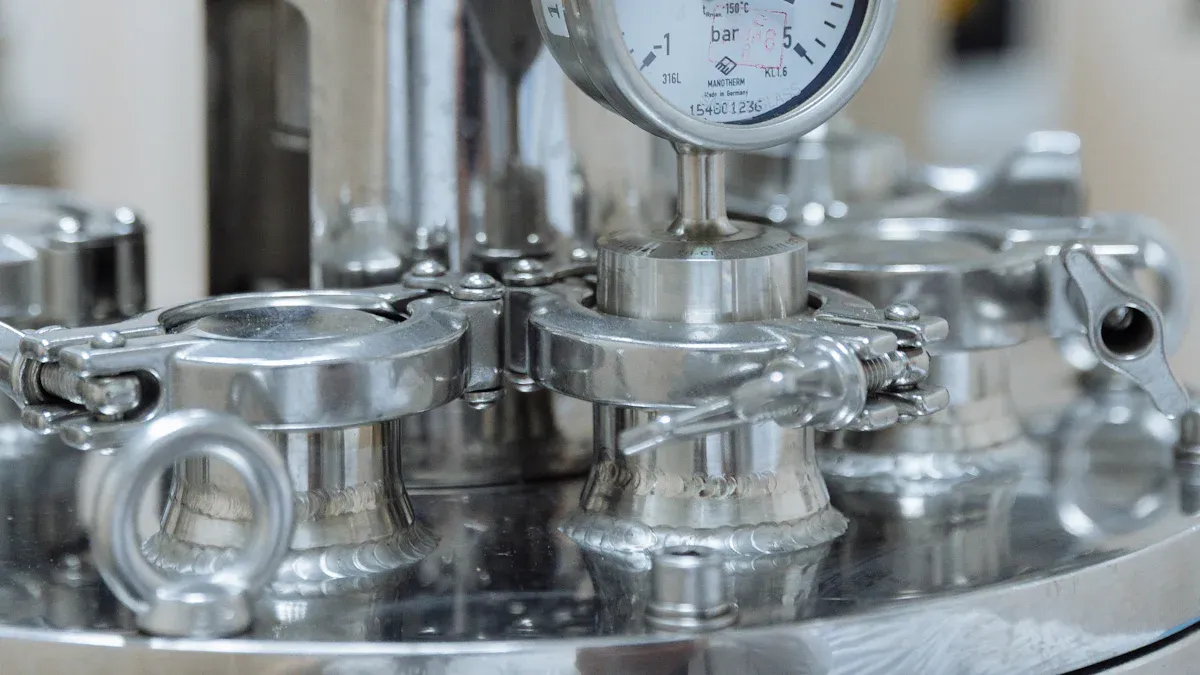
Solenoid valves play a crucial role in industrial automation applications. They enable precise control of fluid flow, enhancing system efficiency. As automation technologies evolve, industries increasingly rely on these components. In 2026, industrial automation solenoid valves will find applications across various sectors, including HVAC automation valve solutions and automotive production automation. Additionally, energy management automation valves will become essential for optimizing resource use, while a solenoid valve troubleshooting guide will assist users in maintaining these vital components effectively.
Key Takeaways
- Solenoid valves are essential for precise fluid control in various industries, enhancing efficiency and operational performance.
- Rapid response times of solenoid valves, ranging from 10 to 1000 milliseconds, ensure quick adjustments in systems like HVAC and robotics.
- Future advancements in solenoid valve technology, such as energy-saving designs and IoT integration, will further optimize industrial processes.
Application 1: Process Control
Solenoid valves are essential in process control across various industries. They enable precise regulation of fluid flow, which is crucial for maintaining optimal operational conditions. Common applications include:
- Automotive: Fuel injectors, transmission shifters, and turbochargers rely on solenoid valves for accurate performance.
- HVAC: Automatic zone control, pneumatic thermostats, and air conditioning systems utilize these valves to enhance efficiency.
- Medical: Devices such as oxygen concentrators and patient monitors depend on solenoid valves for reliable operation.
- Refrigeration: Ice machines and beverage dispensers benefit from the rapid response of solenoid valves.
- Plumbing: Commercial dishwashers and gas valves utilize solenoid technology for effective fluid management.
- Industrial automation: Automated processes leverage solenoid valves to improve efficiency and quality control.
The effectiveness of solenoid valves in process control stems from their rapid response times, which range from 10 to 1000 milliseconds. This quick actuation ensures precise control over airflow and refrigerant flow, particularly in HVAC systems. The simple mechanism of these valves involves an electromagnetic coil that moves a plunger to manage fluid flow. This design not only results in fast actuation times but also reduces maintenance needs, making solenoid valves ideal for applications requiring high precision.
Application 2: Fluid Handling Systems
Solenoid valves are integral to fluid handling systems across various sectors. They provide precise control over the flow of liquids and gases, enhancing operational efficiency. Common applications include:
- Home Appliances: Used in washing machines and coffee makers to control water flow.
- Automotive Systems: Found in fuel injection systems, ABS braking systems, and automatic gearboxes for fluid control.
- Industrial Automation: Controls pneumatic actuators and hydraulic systems in robots and assembly lines.
- Agricultural Systems: Manages water flow in automated irrigation systems.
- Medical Equipment: Regulates gases and liquids in devices like ventilators.
- HVAC Systems: Controls the flow of cooling liquids, water, or steam for temperature regulation.
The benefits of using solenoid valves in these systems are significant. They can switch states in under 50 milliseconds, making them suitable for fast-cycle machinery. In agricultural applications, solenoid valves improve crop yields by automating water control, thus conserving resources.
- Liquid Dispensing: Solenoid valves act as precise gates for fluids, ensuring accurate measurement and delivery in applications like beverage machines and chemical dosing systems.
- Gas Flow Regulation: They provide reliable on/off control for gases in HVAC systems and medical equipment, ensuring safety and efficiency.
- Water Management: Control water flow in irrigation systems and household appliances, automating processes and conserving resources.
Application 3: HVAC Systems
Solenoid valves play a pivotal role in HVAC systems, enhancing energy efficiency and operational performance. These valves control the flow of refrigerants, water, and air, ensuring optimal temperature regulation. Their rapid response times, ranging from 10 to 1000 milliseconds, allow HVAC systems to adjust quickly to changing conditions. This capability is crucial for maintaining comfort in residential and commercial spaces.
The integration of solenoid valves with IoT technologies further enhances their functionality. Real-time monitoring and control enable HVAC systems to operate more efficiently. Recent advancements have improved solenoid valve efficiency by up to 80%, significantly reducing energy consumption. The following table summarizes the key features and benefits of solenoid valves in HVAC systems:
| Feature/Benefit | Description |
|---|---|
| Precision and Control of Fluid Flow | Solenoid valves provide rapid response times for precise control. |
| Low Energy Consumption | Recent advancements have improved solenoid valve efficiency by 80%. |
| Seamless Integration | They integrate with IoT technologies for real-time monitoring and control. |
| Energy Efficiency | Optimized coils require less power, leading to significant energy savings over time. |
| Quick Response Time | Allows HVAC systems to adjust promptly to temperature changes, optimizing performance. |
| Reduced Maintenance | Durable design leads to minimal maintenance needs, reducing operational costs. |
Application 4: Robotics and Automation
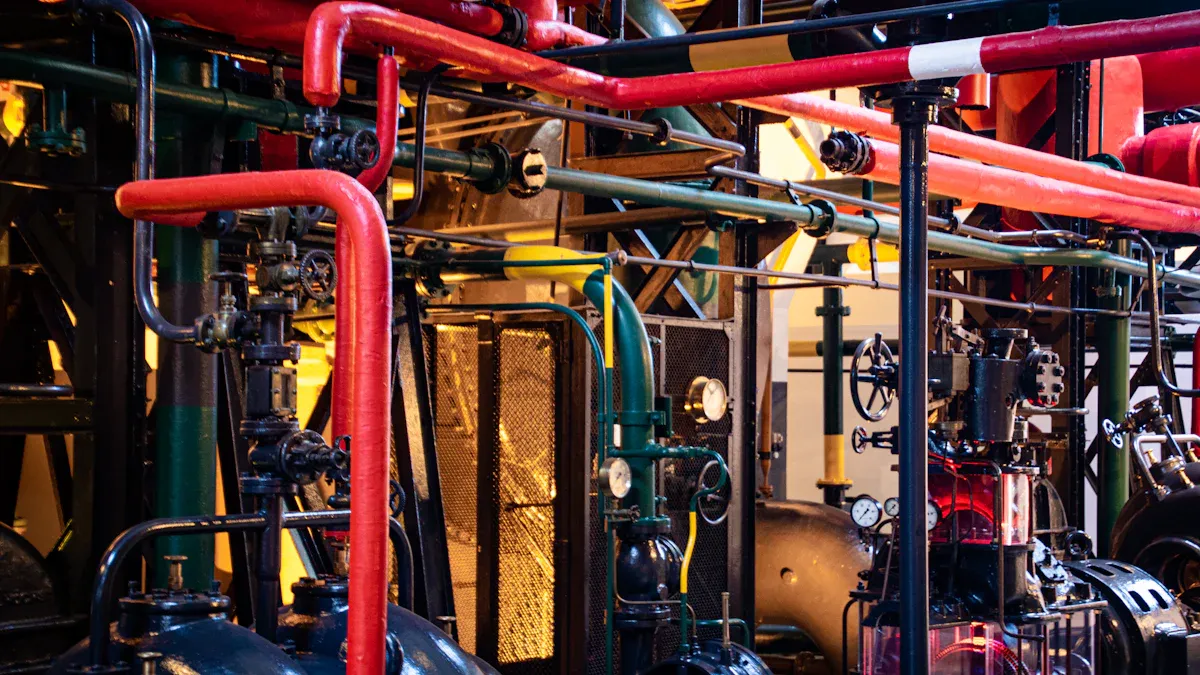
Solenoid valves play a vital role in robotics and automation systems. These electro-mechanical devices control fluid flow by opening or closing passages when energized. They perform essential functions such as shutting off, releasing, dosing, distributing, or mixing fluids and gases. Their compact and watertight design ensures reliable operation in diverse environments, making them indispensable in modern automation.
Recent innovations in solenoid valve technology have significantly enhanced their performance in robotics. Key advancements include:
- Optimized valve body structures for improved flow dynamics.
- Enhanced plunger mechanisms that increase responsiveness.
- Refined electromagnetic coil designs that boost efficiency.
Moreover, the trend towards miniaturization addresses the need for compact applications. Manufacturers now produce smaller components that integrate multiple functions into a single assembly. This evolution allows robots to operate more efficiently in confined spaces.
Energy-efficient designs also emerge as a priority. Innovations focus on reducing power consumption through improved magnetic circuits and low-power actuators. Additionally, specialized solenoid valves are now available for high-pressure systems, corrosion resistance, and high-temperature environments. These advancements ensure that solenoid valves meet the rigorous demands of industrial automation applications.
Application 5: Water Treatment Facilities
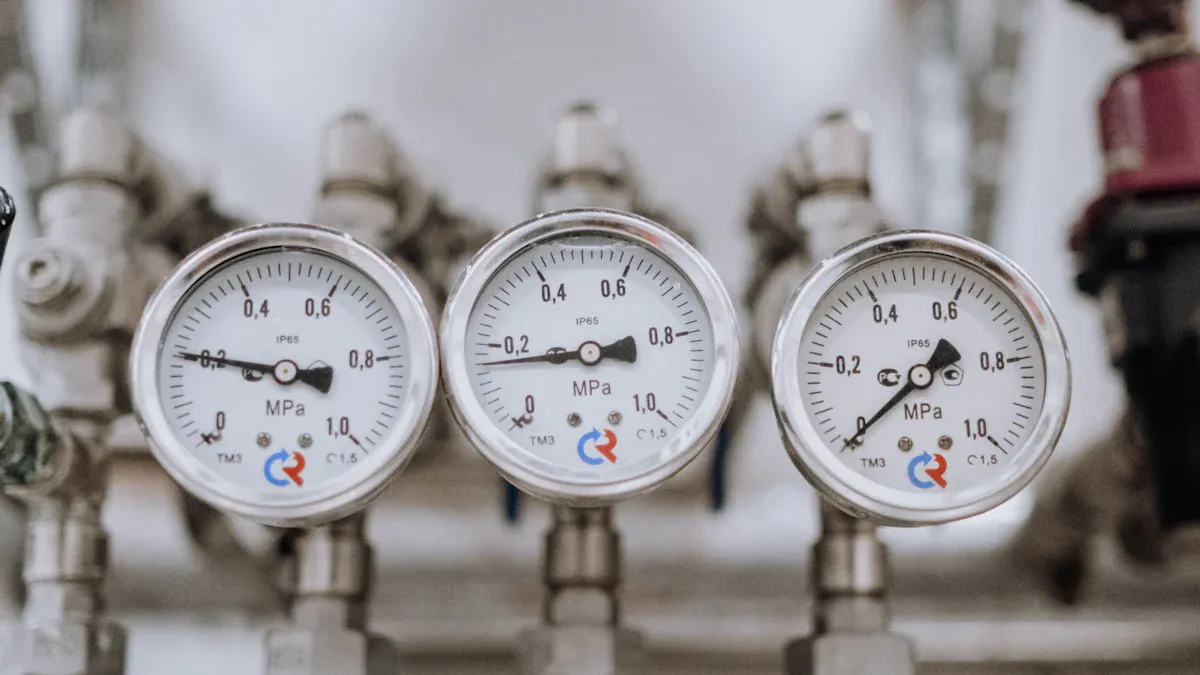
Solenoid valves play a vital role in water treatment facilities, enhancing operational efficiency and ensuring compliance with regulatory standards. These valves control the flow of water and chemicals, facilitating processes such as filtration, disinfection, and chemical dosing. Their reliability and precision make them indispensable in maintaining water quality.
Key features of solenoid valves in water treatment include:
| Feature | Description |
|---|---|
| Omnidirectional Mounting | Allows installation in various orientations without performance loss. |
| Energy-Efficient Operation | Requires low coil power, reducing energy consumption. |
| Easy Maintenance | Diaphragm can be replaced without disassembling the entire valve. |
| High Pressure Rating | Rated for 16 bar, suitable for demanding applications. |
| Corrosion-Resistant Materials | Ensures durability in challenging environments. |
In addition to their operational benefits, solenoid valves must adhere to various regulatory standards to ensure safety and effectiveness. Compliance with these standards guarantees that water treatment facilities maintain high-quality water. Some of the key regulatory standards include:
| Regulatory Standard | Country |
|---|---|
| WRAS | United Kingdom |
| RISE | Sweden |
| SINTEF | Norway |
| ACS | France |
| PZH | Poland |
| DVGW | Germany |
By integrating solenoid valves into their systems, water treatment facilities can optimize processes, reduce energy costs, and ensure compliance with essential regulations. This integration ultimately leads to improved water quality and operational sustainability.
Application 6: Pharmaceutical Manufacturing
Solenoid valves are critical in pharmaceutical manufacturing. They ensure precise control of fluid flow, which is essential for maintaining product quality and compliance with industry regulations. These valves must meet specific requirements to operate effectively in this highly regulated environment.
| Requirement | Description |
|---|---|
| Compliance with Standards | Must adhere to GMP, FDA regulations, and EU directives to ensure safety and quality of products. |
| Material Compatibility | Valves must be made from materials that do not react with pharmaceutical substances. |
| Hygiene | Design must prevent contamination and ensure cleanliness in manufacturing processes. |
| Environmental Adaptability | Should operate reliably under varying conditions of temperature, humidity, and pressure. |
| Ease of Installation | Valves should be designed for quick installation and maintenance to minimize downtime. |
| Traceability | Must have unique identification for tracking production history and compliance with quality assurance. |
Solenoid valves help maintain compliance with pharmaceutical industry regulations by automating manufacturing systems and handling fluid flow efficiently. They play a vital role in ensuring that processes remain sterile and reliable. Compliance with Good Manufacturing Practice (GMP) and FDA standards is crucial. These regulations require that all equipment, including solenoid valves, be designed to prevent contamination and maintain product quality.
Application 7: Food and Beverage Processing
Solenoid valves are vital in food and beverage processing, ensuring efficient and safe operations. They control the flow of liquids, gases, and steam, which is crucial for maintaining product quality. Their precise control capabilities guarantee consistency in production processes.
The advantages of using solenoid valves in this sector include:
| Advantage | Description |
|---|---|
| Precise Control | Solenoid valves provide high accuracy in controlling liquids, steam, or gas, ensuring product quality and consistency. |
| Fast Response Time | They can open and close in a fraction of a second, which is essential for high-speed production processes. |
| Easy Installation | Their compact size allows for easy integration into existing systems, simplifying installation and maintenance. |
Safety is paramount in food and beverage processing. Therefore, solenoid valves must meet specific certifications to ensure compliance with industry standards. Key certifications include:
| Certification | Description |
|---|---|
| NSF | Ensures compliance with hygiene standards in food processing. |
| FDA | Certifies that materials used are safe for food contact. |
Both NSF and FDA certifications are essential for solenoid valves in food and beverage processing. These certifications help maintain safety and quality, ensuring that products meet regulatory requirements. By integrating solenoid valves into their systems, manufacturers can enhance efficiency while adhering to strict safety standards.
Application 8: Oil and Gas Industry
Solenoid valves are crucial in the oil and gas industry, where they enhance operational safety and efficiency. These valves control the flow of fluids and gases in various applications, including drilling, refining, and transportation. Their robust design and reliability make them indispensable in hazardous environments.
Key features of solenoid valves in this sector include:
| Feature | Benefit |
|---|---|
| Pneumatic actuation | Eliminates electrical spark risks, enhancing safety in explosive atmospheres. |
| Robust design | Ensures reliable operation in hazardous environments. |
| Intrinsically safe | Suitable for flammable and explosive atmospheres, unlike traditional valves. |
The demand for solenoid valves in the oil and gas sector is projected to grow significantly. The gas control applications in the solenoid valve market are expected to generate USD 49.18 billion in 2026. This segment is anticipated to grow at a compound annual growth rate (CAGR) of 48.75% from 2026 to 2035. Additionally, the global solenoid valve market size is projected to increase from USD 5.59 billion in 2026 to USD 7.55 billion by 2034, with a CAGR of 3.84%.
Application 9: Chemical Processing
Solenoid valves play a vital role in chemical processing operations. They ensure precise regulation of flow rates and mixtures, which is essential for maintaining accuracy in these industries. These valves enhance operational safety and efficiency, making them indispensable in various applications.
In chemical processing, solenoid valves control the flow of corrosive liquids and gases. Their ability to operate reliably under high pressure and temperature conditions makes them suitable for demanding environments. Key benefits of using solenoid valves in this sector include:
- Enhancing operational safety by reducing human error.
- Improving efficiency through automation of repetitive tasks.
- Enabling remote management of flow control tasks, ensuring safer operations.
- Utilizing advanced technologies like smart sensors for better performance monitoring.
The integration of solenoid valves in chemical processing systems leads to significant improvements in both safety and efficiency. For instance, automated flow control reduces the risk of spills and leaks, which can pose serious hazards. Additionally, these valves allow for real-time monitoring, enabling operators to make informed decisions quickly.
Moreover, solenoid valves contribute to maintaining compliance with industry regulations. Their precise control capabilities help ensure that chemical mixtures meet required specifications. This adherence to standards is crucial for product quality and safety in the chemical processing industry.
By incorporating solenoid valves into their operations, chemical manufacturers can optimize processes, enhance safety, and improve overall efficiency.
Application 10: Smart Manufacturing
Solenoid valves play a pivotal role in smart manufacturing systems. They enable remote management of process lines, allowing operators to control systems without direct access. This capability proves invaluable in hazardous environments, where safety remains a top priority.
Solenoid valves are essential in smart manufacturing systems as they allow for remote management of process lines, enabling operators to control systems without direct access. This capability is particularly valuable in hazardous environments, where safety is paramount.
The flexibility of solenoid valves in reprogramming flow parameters enhances production efficiency. Engineers can adjust settings without needing complete replacements, which saves time and resources.
The flexibility of solenoid valves in re-programming flow parameters is vital for IoT and Automation engineers, as it allows for adjustments without the need for complete replacements, thus enhancing production efficiency.
In the context of Industry 4.0, solenoid valves facilitate communication between machines and the cloud. This connectivity is essential for the interconnected systems that define smart manufacturing.
In the context of Industry 4.0, solenoid valves facilitate communication between machines and the cloud, which is essential for the interconnected systems that define smart manufacturing.
Anticipated advancements for solenoid valves by 2026 include:
- Development of intelligent solenoid valves with integrated sensors and microprocessors for real-time data communication.
- Enhanced connectivity through Industrial IoT (IIoT) and cloud integration.
- Adoption of low-power and ultra-low-power designs for energy efficiency.
- Continuous refinement of materials for durability in extreme conditions.
- Miniaturization for compact applications in medical devices and robotics.
These innovations will further solidify the role of solenoid valves in optimizing smart manufacturing processes.
Solenoid valves significantly enhance industrial automation applications by providing precise control and improving efficiency. Future innovations, such as double coil technology and energy-saving designs, promise to reduce energy consumption and operational costs. Industries should adopt these advanced solenoid valve technologies to optimize processes and achieve sustainable growth.
FAQ
What are solenoid valves used for in industrial automation?
Solenoid valves control fluid flow in various applications, enhancing efficiency and precision in systems like HVAC, robotics, and chemical processing.
How do solenoid valves operate?
Solenoid valves use an electromagnetic coil to move a plunger, opening or closing fluid passages to regulate flow.
What advantages do solenoid valves offer?
Solenoid valves provide rapid response times, energy efficiency, and precise control, making them ideal for automation applications across multiple industries.