
Selecting the right valve for industrial or residential applications can be the difference between a high-performing system and a maintenance nightmare. Among the myriad of choices, the brass solenoid valve stands out as a versatile, durable, and cost-effective solution.
In this comprehensive guide, we will explore everything from technical specifications to selection criteria, helping you understand why these components are essential in modern engineering.
1. What is a Brass Solenoid Valve and How Does It Function?
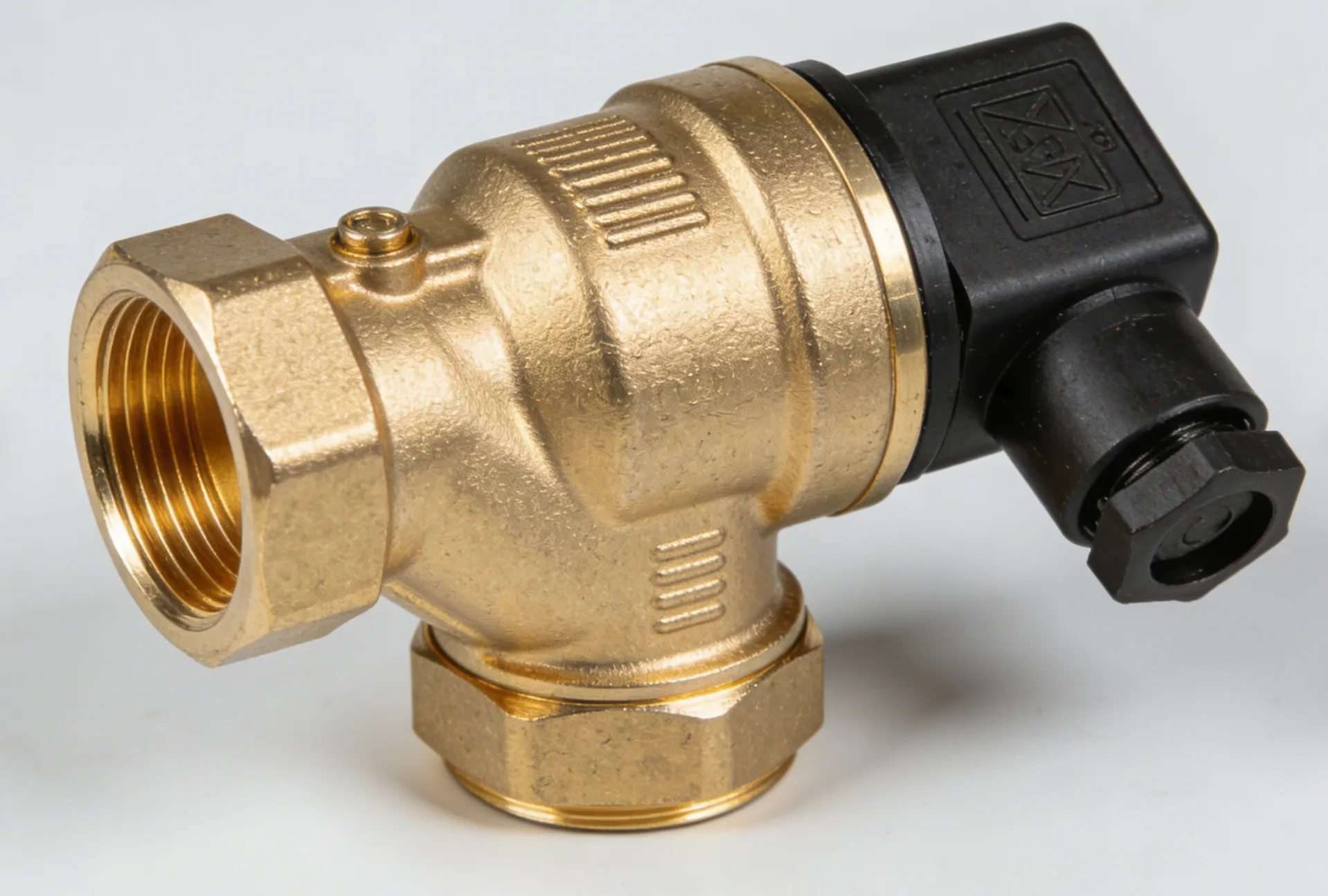
A brass solenoid valve is an electromechanically operated valve designed to control the flow of liquids or gases. The “solenoid” refers to the electric coil that creates a magnetic field when energized, moving a plunger to open or close the valve orifice.
Key Components:
- Solenoid Coil: The electrical part that triggers movement.
- Armature/Plunger: The moving part that blocks or allows flow.
- Valve Body: Made of high-quality brass (usually CW617N or C36000).
- Seal/Diaphragm: Typically made of NBR, EPDM, or Viton (FKM).
How it works:
When electrical current passes through the coil, it creates a magnetic field. This force pulls the plunger upward (in a Normally Closed valve), allowing the medium to pass through the solenoid valve body. When the power is cut, a spring pushes the plunger back down, sealing the flow.
2. Why Choose Brass Over Other Materials?
Brass is an alloy primarily composed of copper and zinc. It is the “gold standard” for general-purpose solenoid valves due to its unique physical and chemical properties.
Comparison Table: Brass vs. Stainless Steel vs. Plastic
| Feature | Brass Solenoid Valves | Stainless Steel Valves | Plastic (Nylon/PVC) Valves |
|---|---|---|---|
| Durability | High | Superior | Moderate |
| Corrosion Resistance | Excellent (except for salt/acids) | Highest | High |
| Pressure Rating | Up to 50-100 Bar | High Pressure (100+ Bar) | Low Pressure |
| Temperature Range | -20°C to 180°C | -196°C to 600°C | 0°C to 60°C |
| Cost-Effectiveness | Best Value | Expensive | Cheapest |
Expert Insight: According to the Copper Development Association (CDA), brass is preferred in plumbing and industrial applications because of its natural antimicrobial properties and resistance to bio-fouling, which is critical for water systems.
3. Which Types of Brass Solenoid Valves Are Best for Your Project?
Understanding the different configurations is vital for system efficiency. Most different product pages will categorize valves by their action type:
Direct-Acting vs. Pilot-Operated
- Direct-Acting: The solenoid directly opens the orifice. Best for small flow rates and systems with zero pressure differential.
- Pilot-Operated (Indirect): Uses the pressure of the medium to open the valve. These are ideal for high-flow applications but require a minimum pressure drop (usually 0.5 bar) to function.
Normally Closed (NC) vs. Normally Open (NO)
- Normally Closed: The valve remains closed when de-energized. This is the industry standard for safety.
- Normally Open: The valve remains open when de-energized. Used in systems where flow must continue during power failures.
4. How to Select the Right Seal Material for Brass Valves?
The “internal heart” of a brass solenoid valve is the seal. Choosing the wrong material can lead to leaks or valve failure within weeks.
- NBR (Nitrile Rubber): Best for water, air, and neutral oils. Temperature: -10°C to +80°C.
- EPDM: Excellent for hot water and steam. Not compatible with oils. Temperature: -30°C to +130°C.
- Viton (FKM): High resistance to chemicals, gasoline, and high temperatures. Temperature: -10°C to +180°C.
- PTFE (Teflon): Virtually inert. Used for steam and aggressive media.
5. What are the Common Applications of Brass Solenoid Valves?
Because of their versatility, these valves are found in nearly every industry:
- Water Treatment: Controlling the flow in reverse osmosis (RO) systems and irrigation.
- HVAC Systems: Managing hot and cold water flow in climate control units.
- Compressed Air Systems: Acting as drains or actuators in pneumatic circuits.
- Food & Beverage: Used in coffee machines and water dispensers (requires lead-free brass).
6. How to Properly Install and Maintain Your Valve?
To ensure a long lifespan for your solenoid valve, follow these professional installation steps:
Installation Checklist:
- Check Direction: Ensure the arrow on the valve body matches the flow direction.
- Clean the Pipes: Debris is the #1 cause of valve failure. Flush the system before installation.
- Install a Filter: Always place a strainer (Y-strainer) upstream.
- Orientation: For best results, install with the coil facing upwards to prevent sediment buildup in the plunger tube.
Troubleshooting Tips:
- Valve won’t open: Check for coil burnout or insufficient voltage.
- Valve won’t close: Check for dirt under the diaphragm or a broken return spring.
- Loud humming/buzzing: Usually caused by AC voltage fluctuations or dirt in the armature.
7. Future Trends: Why AI and IoT are Changing Valve Technology?
Modern fluid control is moving towards Smart Solenoid Valves. By integrating sensors, these valves can provide real-time data on flow rates, temperature, and cycle counts. This “Predictive Maintenance” approach reduces downtime significantly—a key factor for Industry 4.0.
FAQ: Frequently Asked Questions about Brass Solenoid Valves
How long does a brass solenoid valve typically last?
A high-quality brass solenoid valve can last between 1 to 5 million cycles, depending on the medium purity, operating frequency, and environmental conditions. Regular maintenance of the diaphragm can extend this life significantly.
Can I use a brass solenoid valve for drinking water?
Yes, but you must ensure the valve is made of Lead-Free Brass and has the appropriate certifications (such as NSF/ANSI 61). Standard industrial brass may contain small amounts of lead which are not suitable for potable water.
What causes a solenoid coil to burn out?
The most common causes are incorrect voltage (e.g., applying 220V to a 24V coil), moisture ingress leading to a short circuit, or a stuck plunger which prevents the magnetic circuit from closing, causing the coil to overheat.
Is brass compatible with fuel and gasoline?
Brass itself is compatible with most fuels. However, the seal material is the critical factor. You must use Viton (FKM) seals for gasoline or diesel applications, as NBR will degrade over time when exposed to these chemicals.
What is the difference between AC and DC solenoid coils?
AC coils are powerful but can suffer from “humming” and higher inrush current. DC coils operate more quietly and are generally more stable for electronic control systems, though they may have lower opening forces for large valves.