
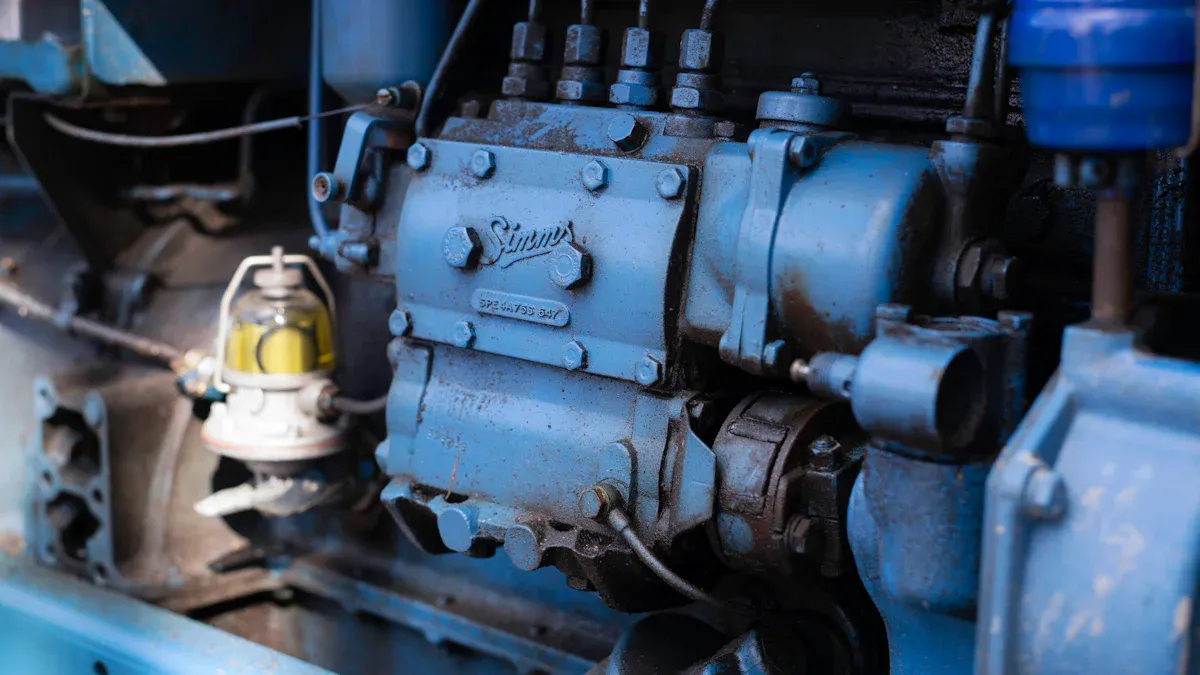
Choosing the right air compressor pneumatic components is essential for ensuring efficiency and reliability. A well-designed condensate drainage system plays a vital role in enhancing air compressor performance. By implementing an effective drainage system with a pneumatic drain valve, you can minimize maintenance needs, reduce operational costs, and extend the lifespan of your equipment. Additionally, utilizing a solenoid valve for condensate drainage and ensuring optimal air treatment through an air compressor air treatment unit, along with proper drainage system pneumatic fittings, can lead to significant long-term advantages.
Key Takeaways
- Choose pneumatic components that balance cost, efficiency, and maintenance needs to save money and improve system performance.
- Use zero-loss drains to prevent air loss, reduce energy waste, and keep your compressor running smoothly.
- Maintain your drainage system regularly to avoid failures, extend equipment life, and ensure reliable operation.
Key Considerations for Selection
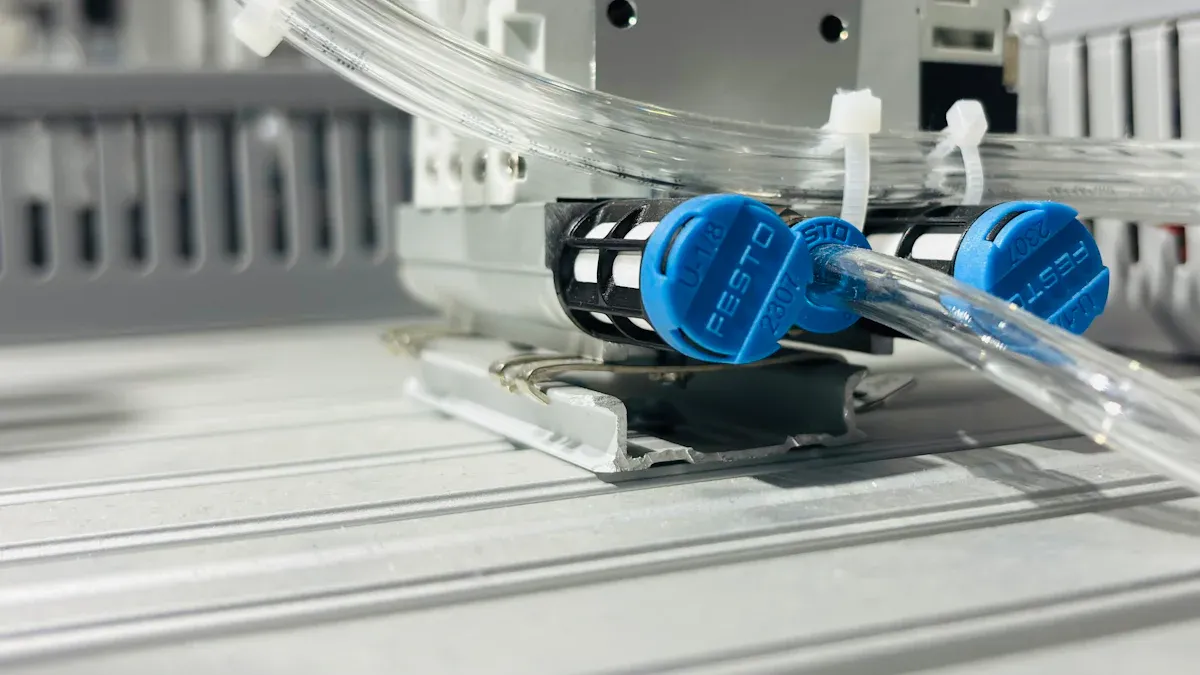
When selecting pneumatic components for air compressor condensate drainage systems, several key factors come into play. Understanding these considerations can lead to better decision-making and improved system performance.
Cost Factors
Cost is a significant factor in the selection process. Various elements influence the overall expenses associated with pneumatic components:
- Type of Valve: Timer-based valves may incur unnecessary energy costs, while demand-based valves offer greater energy efficiency.
- Condensate Volume: The volume of condensate directly affects the required valve capacity, which in turn influences overall costs.
- Maintenance Requirements: Opting for valves that are easy to maintain can significantly reduce long-term operational costs.
A careful analysis of these cost factors can help organizations make informed choices that align with their budgetary constraints.
Efficiency Requirements
Efficiency is crucial for optimizing the performance of air compressor pneumatic components. Here are some benchmarks to consider:
- Zero-air loss condensate drains minimize compressed air loss during drainage, enhancing energy efficiency.
- These drains operate with sensor probes that detect condensate levels, opening valves only when necessary to prevent air loss.
- This technology reduces the workload on compressors, leading to lower energy consumption.
By prioritizing efficiency, companies can achieve significant savings on energy costs while maintaining optimal system performance.
Maintenance Needs
Regular maintenance is essential for ensuring the longevity and reliability of pneumatic components. Different types of components have varying maintenance requirements:
- Manual Drain Valves: Require daily operation to prevent moisture buildup.
- Timer-Operated Automatic Drain Valves: Should be checked regularly for proper operation and adjusted to minimize air loss.
- Zero-Loss Automatic Drain Valves: Ideal for large systems, these require checks for energy incentives for upgrades.
- Receiver Tanks: Need draining weekly or daily in high humidity conditions.
- Air Dryers: Require regular confirmation of automatic drain operation.
- Inline Filters and Aftercoolers: Should be inspected and drained according to manufacturer guidelines.
Establishing a structured maintenance schedule can significantly reduce air compressor downtime and enhance overall system reliability.
Reliability Expectations
Reliability is paramount when selecting pneumatic components. Organizations should consider relevant standards and certifications that ensure quality and performance:
| Standard | Relevance |
|---|---|
| ISO 8573 | Ensures the purity of compressed air, critical for pneumatic system reliability. |
| ASME | Certification required for air receiver tanks in industrial applications for safety and performance. |
By adhering to these standards, companies can enhance the reliability of their air compressor pneumatic components, ensuring consistent performance and reducing the risk of failures.
Types of Air Compressor Pneumatic Components
Automatic Drain Valves
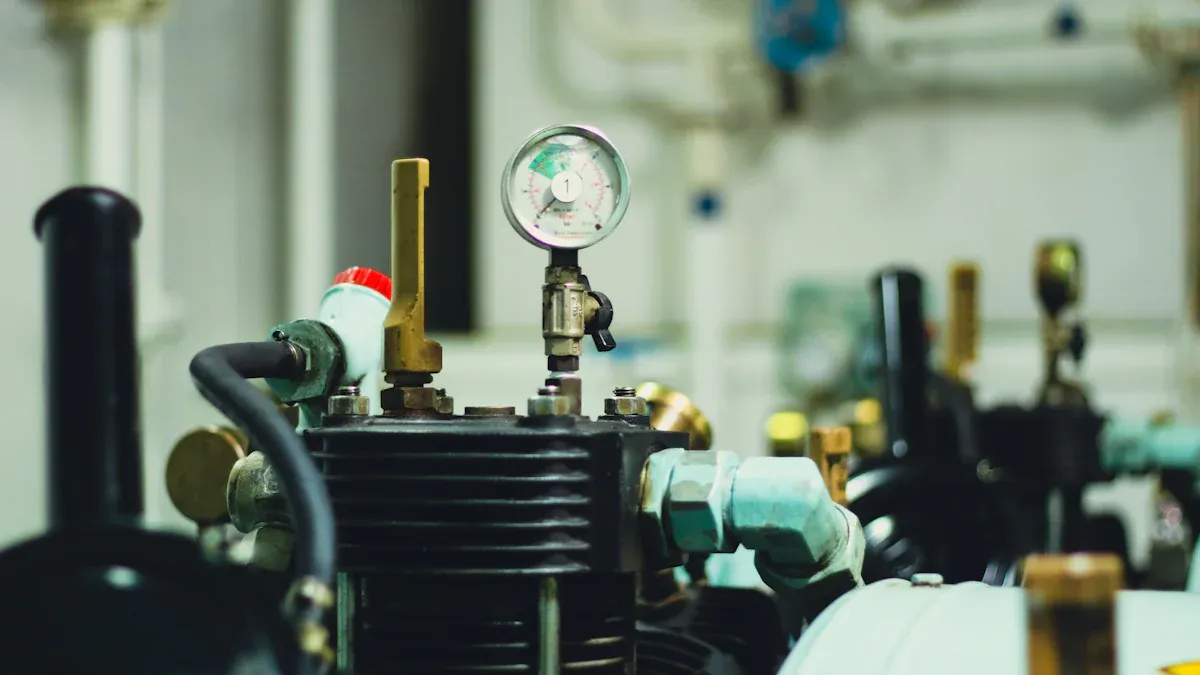
Automatic drain valves play a crucial role in maintaining the efficiency of air compressor condensate drainage systems. These valves operate based on preset schedules or pressure levels, allowing for seamless removal of accumulated condensate without manual intervention.
-
Operational Principles:
- Automatic drain valves sense condensate levels within the valve or reservoir.
- A pneumatic piston utilizes pilot air from the compressor to generate the force needed to open the valve.
- The piston actuates an internal ball valve, releasing the accumulated liquid.
-
Advantages:
- They continuously remove condensate, preventing water buildup in tanks and piping.
- These valves significantly reduce air loss compared to manual draining methods.
- They protect equipment by minimizing corrosion and water-related failures.
- Automatic drain valves maintain stable compressor performance and improve air quality.
- They lower maintenance efforts by eliminating the need for manual draining.
However, users should be aware of potential limitations, such as clogging due to particles in the air and electrical issues that may prevent proper functioning. Regular maintenance checks can mitigate these risks.
Zero-Loss Drains
Zero-loss drains are designed to enhance energy efficiency in air compressor systems. They automatically expel condensate without releasing compressed air, which helps maintain consistent pressure levels.
| Step | Description |
|---|---|
| Collection | Condensate flows into the drain’s small reservoir from the system. |
| Sensing | A capacitive sensor monitors the level inside the chamber, distinguishing between air and liquid. |
| Discharge | When the liquid reaches a certain level, the sensor triggers a signal to open the discharge valve. |
| Sealing | A small amount of liquid remains to form a seal, preventing air escape and preparing for the next cycle. |
The benefits of zero-loss drains include:
- Complete elimination of air and energy waste.
- Fast payback, often within the first year.
- Improved reliability and protection for equipment.
- Reduced downtime risk from flooding or component failure.
- Stabilization of system air pressure.
These features lead to substantial energy savings, with reports indicating an average reduction of approximately 59.4% in energy waste compared to traditional drain types.
Mechanical Float Drains
Mechanical float drains utilize a float mechanism to manage condensate levels effectively. They operate independently of pressure fluctuations, making them reliable across varying conditions.
| Advantage | Description |
|---|---|
| Reliability | Mechanical float drains are dependable in handling varying condensate loads. |
| Simplicity | Their straightforward design contributes to consistent performance. |
| Pressure Independence | They manage condensate loads without being affected by pressure changes. |
These drains are versatile, suitable for both steam and non-steam applications. They can also separate heavier liquids from lighter ones, ensuring efficient drainage.
Evaluation Criteria
When selecting pneumatic components for air compressor condensate drainage systems, organizations should evaluate several key criteria to ensure optimal performance and reliability.
Performance Metrics
Performance metrics are essential for assessing the effectiveness of pneumatic components. The following table outlines critical metrics to consider:
| Performance Metric | Importance |
|---|---|
| Dew Point Monitoring | Essential for quantifying moisture levels and ensuring they meet application requirements. |
| Air Treatment Equipment Evaluation | Ensures proper operation and capacity of dryers and filters to effectively remove moisture. |
| Distribution System Design | Critical for preventing moisture accumulation and ensuring efficient drainage in the system. |
| Operating Conditions Optimization | Adjusting parameters to minimize moisture introduction and maintain consistent performance. |
Comparison of Components
Understanding the advantages and disadvantages of different pneumatic components aids in making informed decisions. The table below compares various types of valves:
| Type of Valve | Maintenance Needs | Cost | Best For |
|---|---|---|---|
| Automatic Drain Valve | Higher – requires power and periodic cleaning | Higher initial cost and potential repair expenses | Critical systems, clean environments, remote monitoring setups |
| Zero-Loss Drain | Lower – no power needed, fewer components to fail | Lower upfront and long-term costs | Harsh environments, outdoor installations, cost-sensitive operations |
| Mechanical Float Drain | Extremely reliable, low maintenance | Long service life, minimal servicing needed | Ideal for areas with dust, oil, water, or corrosive particles |
User Reviews
User feedback provides valuable insights into the performance of pneumatic components. Common issues reported include:
- Valve clogging, which can disrupt drainage.
- Power issues affecting automatic drain functionality.
- Timing mechanism failures leading to erratic draining.
Addressing these concerns can enhance the reliability of air compressor pneumatic components and improve overall system performance.
Choosing the right air compressor pneumatic components is crucial for optimal performance and reliability. Proper selection enhances efficiency and reduces maintenance costs. Organizations should evaluate their specific needs and make informed decisions. This approach ensures a well-functioning condensate drainage system that supports long-term operational success.
FAQ
What is the main benefit of using zero-loss drains in condensate systems?
Zero-loss drains prevent compressed air loss during drainage, saving energy and reducing operational costs while maintaining system pressure stability.
How often should automatic drain valves be maintained?
Automatic drain valves require regular inspection and cleaning, typically every 3 to 6 months, to ensure reliable operation and prevent clogging.
Can mechanical float drains handle dirty or oily condensate?
Yes, mechanical float drains perform well with dirty or oily condensate due to their simple, robust design and pressure-independent operation.