
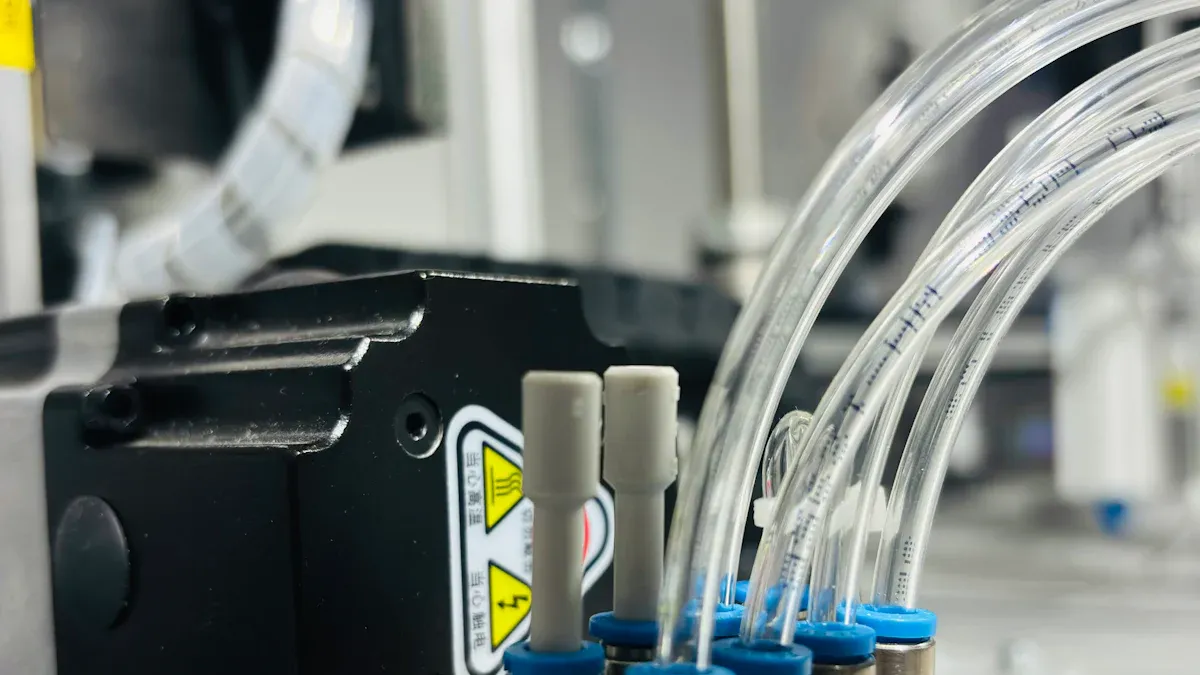
Brass solenoid valves are essential components that significantly enhance HVAC fluid control efficiency. By providing precise control over fluid flow, these brass solenoid valves for HVAC systems enable optimal operation. Their quick response times help minimize energy waste, and their durable design guarantees reliability. As a result, the performance and longevity of HVAC systems are greatly improved. Additionally, air conditioning brass control valves and heating system solenoid valves further contribute to the overall effectiveness of these systems.
Key Takeaways
- Brass solenoid valves enhance HVAC efficiency by providing precise control over fluid flow, leading to energy savings of 15% to 25%.
- Their quick response times, typically between 0.1 to 0.8 seconds, allow HVAC systems to adapt swiftly to changes, improving comfort and reducing energy waste.
- Regular maintenance, including inspections and cleaning, is essential for brass solenoid valves to prevent issues like leaks and ensure long-lasting performance.
Design and Functionality of Brass Solenoid Valves

Material Properties
Brass solenoid valves possess several key material properties that make them ideal for HVAC applications. These properties include:
- Robust construction: Brass provides a strong and durable framework for solenoid valves, ensuring they can withstand the rigors of HVAC systems.
- Excellent corrosion resistance: Brass performs well in non-acidic environments, making it suitable for handling water and neutral fluids.
- High durability: The material’s resistance to wear and tear extends the lifespan of the valves.
- Good electrical conductivity: Brass efficiently conducts electricity, which is essential for the operation of solenoid valves.
- Ease of machining: This property allows for precise manufacturing, ensuring that valves meet specific design requirements.
- Good thermal conductivity: Brass effectively dissipates heat, which is crucial in HVAC systems.
These properties contribute to the overall effectiveness of brass solenoid valves in fluid control systems. However, it is important to note that while brass is suitable for many applications, it may not perform well in acidic environments where degradation can occur. In such cases, materials like stainless steel may be more appropriate.
Mechanism of Operation
The operation of brass solenoid valves relies on a well-defined mechanism that ensures precise control over fluid flow. The key components involved in this mechanism include:
| Mechanism Component | Description |
|---|---|
| Solenoid | Converts electrical energy to mechanical energy through a coil. |
| Magnetic Field | Created when the coil is energized, actuating the valve mechanism. |
| Valve Configuration | Can be two-way (on/off) or three-way (diverting flow). |
When an electrical signal energizes the solenoid coil, it generates a magnetic field. This field prompts the movement of the plunger or diaphragm, allowing the valve to open or close. The rapid response times of brass solenoid valves, typically ranging from 10 to 1000 milliseconds, enable precise control over airflow and refrigerant flow. This quick actuation enhances the efficiency and reliability of HVAC systems.
The internal components of brass solenoid valves play a crucial role in their quick response times. The interaction between the coil, plunger, and diaphragm determines how swiftly the valve can actuate. This efficiency is vital for maintaining optimal performance in HVAC applications.
Brass Solenoid Valves in Fluid Control Systems
Flow Regulation
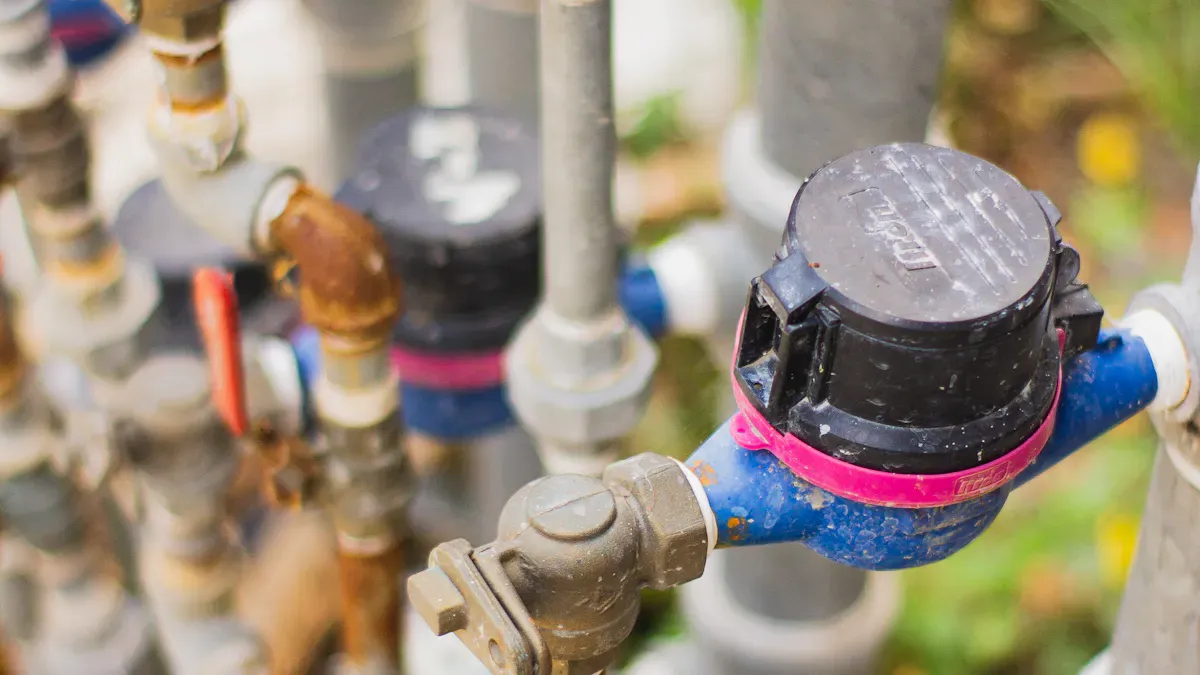
Brass solenoid valves play a crucial role in regulating fluid flow within HVAC systems. Their precise control capabilities allow for optimal performance across various applications. By adjusting the flow rate, these valves ensure that the system operates efficiently, meeting the specific demands of heating and cooling.
The ability to regulate flow effectively leads to several measurable effects on HVAC system performance. For instance, energy savings can reach between 15% and 25% in commercial buildings. This reduction in energy usage not only lowers operational costs but also contributes to a more sustainable environment.
Moreover, brass solenoid valves enhance cooling efficiency by maintaining a consistent refrigerant flow to evaporators and condensers. This consistency is vital for achieving optimal cooling performance. Additionally, these valves help reduce compressor cycling by automatically adjusting to changing thermal loads. This feature minimizes unnecessary compressor operation, which can lead to wear and tear over time.
| Measurable Effect | Description |
|---|---|
| Energy Savings | Reduces HVAC energy usage by 15–25% in commercial buildings. |
| Improved Cooling Efficiency | Ensures consistent refrigerant flow to evaporators and condensers for optimal cooling. |
| Reduced Compressor Cycling | Automatically adjusts to changing thermal loads, minimizing unnecessary compressor operation. |
| Prevention of Refrigerant Migration | Prevents refrigerant migration during off cycles, extending the system’s lifespan. |
| Contribution to LEED Certification | Enhances energy efficiency and reduces carbon footprint, aiding in achieving LEED goals. |
| Fast Response Times | Provides real-time control with response times of 0.1–0.8 seconds, enhancing system efficiency. |
Energy Consumption Impact
The impact of brass solenoid valves on energy consumption is significant. Their efficient operation leads to lower energy costs and improved system performance. By providing fast response times, these valves allow HVAC systems to adapt quickly to changes in demand. This adaptability is essential for maintaining comfort while minimizing energy waste.
Furthermore, brass solenoid valves contribute to the prevention of refrigerant migration during off cycles. This feature not only extends the lifespan of the system but also enhances overall energy efficiency. By ensuring that refrigerants remain where they are needed, these valves help maintain optimal pressure levels, which is critical for efficient operation.
Comparisons of Brass Solenoid Valves with Other Valve Materials
Cost-Effectiveness
Brass solenoid valves offer significant cost advantages compared to other materials like stainless steel and plastic. Their initial purchase price typically ranges from 1,500 to 5,000 INR, making them more affordable than stainless steel valves, which can cost between 3,000 to 15,000 INR or more. This cost-effectiveness stems from lower production costs associated with brass.
However, while brass valves are cheaper upfront, their lifecycle costs may differ. Stainless steel valves, although more expensive initially, often prove more economical over time due to their durability and lower maintenance needs. This durability translates to fewer repairs and replacements, especially in demanding HVAC environments.
| Type | Advantages | Disadvantages |
|---|---|---|
| Brass | Cost-effective, reliable, adaptable | Less durable than stainless steel |
| Stainless Steel | Excellent durability and corrosion resistance | Higher cost, may not be as adaptable |
| Plastic | Lightweight, corrosion-resistant | Limited temperature and pressure capabilities |
Durability and Maintenance
Durability is a critical factor when selecting solenoid valves for HVAC systems. Brass solenoid valves, while reliable, have limitations. They are prone to dezincification, which can weaken the material and lead to leaks. In contrast, stainless steel valves exhibit superior durability, especially in harsh environments.
Maintenance requirements for brass valves include regular inspections and cleaning to prevent issues such as corrosion and leaks. Key maintenance steps involve:
- Schedule Regular Inspections: Check for leaks and unusual noises.
- Clean Internal Components: Remove dust and residues.
- Test Electrical Functionality: Ensure proper operation.
- Monitor Operating Conditions: Assess environmental factors affecting performance.
Brass solenoid valves significantly enhance HVAC system efficiency through improved control and reliability. They enable precise modulation of refrigerants, which optimizes performance and reduces energy consumption. Their rapid actuation allows for quick adjustments to temperature changes, leading to lower utility bills.
Further exploration of brass solenoid valve applications can lead to better energy management in HVAC systems. Advanced control systems and integrated sensors ensure these valves operate efficiently throughout their lifecycle.
FAQ
What are the main benefits of using brass solenoid valves in HVAC systems?
Brass solenoid valves provide precise flow control, quick response times, and enhanced durability, leading to improved energy efficiency and system reliability.
How do brass solenoid valves compare to plastic valves?
Brass solenoid valves offer better durability and corrosion resistance than plastic valves, making them more suitable for demanding HVAC applications.
Can brass solenoid valves be used in all HVAC systems?
While brass solenoid valves are versatile, they may not perform well in acidic environments. Always assess the specific application requirements before selection.