
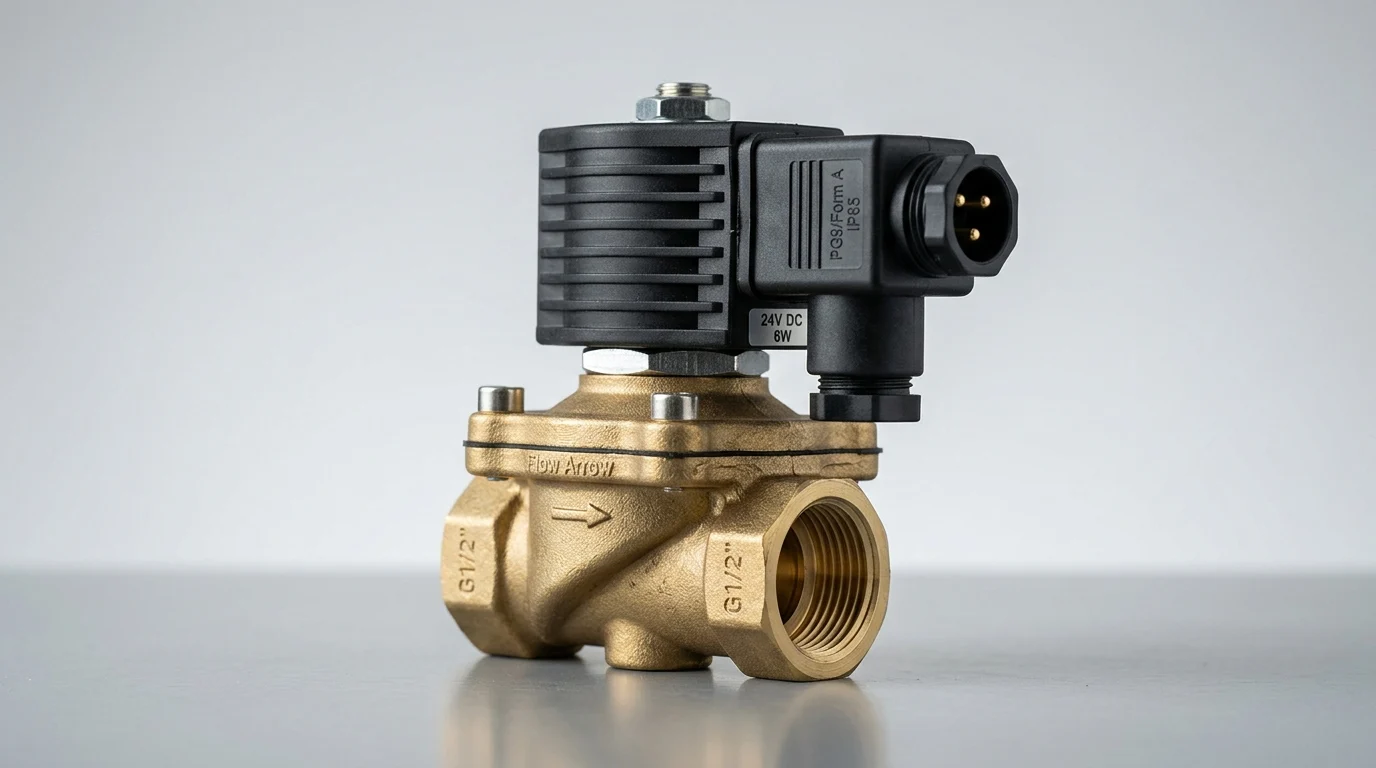
Why 2/2 Way Solenoid Valves Matter for B2B Buyers
In industrial automation and fluid control, the 2/2 way solenoid valve is a critical component for regulating the flow of gases and liquids. For B2B procurement professionals, distributors, and system integrators, securing a reliable supply chain for these valves is not merely about component sourcing, but a strategic imperative that directly impacts downstream operational efficiency. A 2/2 way configuration—denoting two ports and two positions (open and closed)—serves as the foundational architecture for countless pneumatic and hydraulic systems globally.
The procurement of these valves typically involves significant scale, with annual purchasing agreements often exceeding 10,000 units for mid-to-large distributors. Understanding the commercial and technical nuances of these components allows buyers to optimize their inventory investments, negotiate better terms with manufacturers, and ensure the specified valves meet the rigorous demands of modern industrial applications, which operate at pressures ranging from vacuum conditions up to 1.0 MPa or higher.
OEM and distributor use cases
Original Equipment Manufacturers (OEMs) integrate 2/2 way solenoid valves directly into proprietary machinery, such as automated packaging lines, medical devices, and CNC cooling systems. For these buyers, consistency in physical dimensions, coil voltage tolerances, and long-term reliability are paramount to avoid costly warranty claims. OEMs frequently require custom branding, specialized seal materials, and locked-in pricing for 12- to 24-month contract periods to stabilize their bill of materials (BOM) costs.
Conversely, industrial distributors and wholesalers focus on market availability, SKU breadth, and inventory turnover. Distributors typically stock standard configurations in batches of 500 to 1,000 units per variant to serve local MRO (Maintenance, Repair, and Operations) markets. Their primary concern is partnering with manufacturers that offer rapid replenishment cycles, comprehensive technical documentation, and robust profit margins capable of absorbing local warehousing and distribution costs.
Industries with recurring demand
The demand for 2/2 way solenoid valves is driven by several high-growth industrial sectors. In the electronics manufacturing industry, these valves are essential for precise air blasts in sorting mechanisms and automated assembly lines. The food and beverage sector relies heavily on stainless steel variants with food-grade EPDM or PTFE seals to control cleaning fluids and sterile air, mandating strict adherence to hygiene standards and washdown protocols.
Additionally, the energy sector, warehousing automation, and industrial dust removal systems require robust valves capable of handling high-frequency cycling and harsh environmental conditions. In pulse-jet dust collector systems, for instance, high-flow diaphragm valves must fire millions of cycles with response times under 50 milliseconds to effectively clean filter bags without disrupting continuous plant operations. This recurring, cross-industry demand ensures a stable aftermarket and continuous volume requirements for B2B buyers and suppliers.
Key Technical Specifications to Evaluate
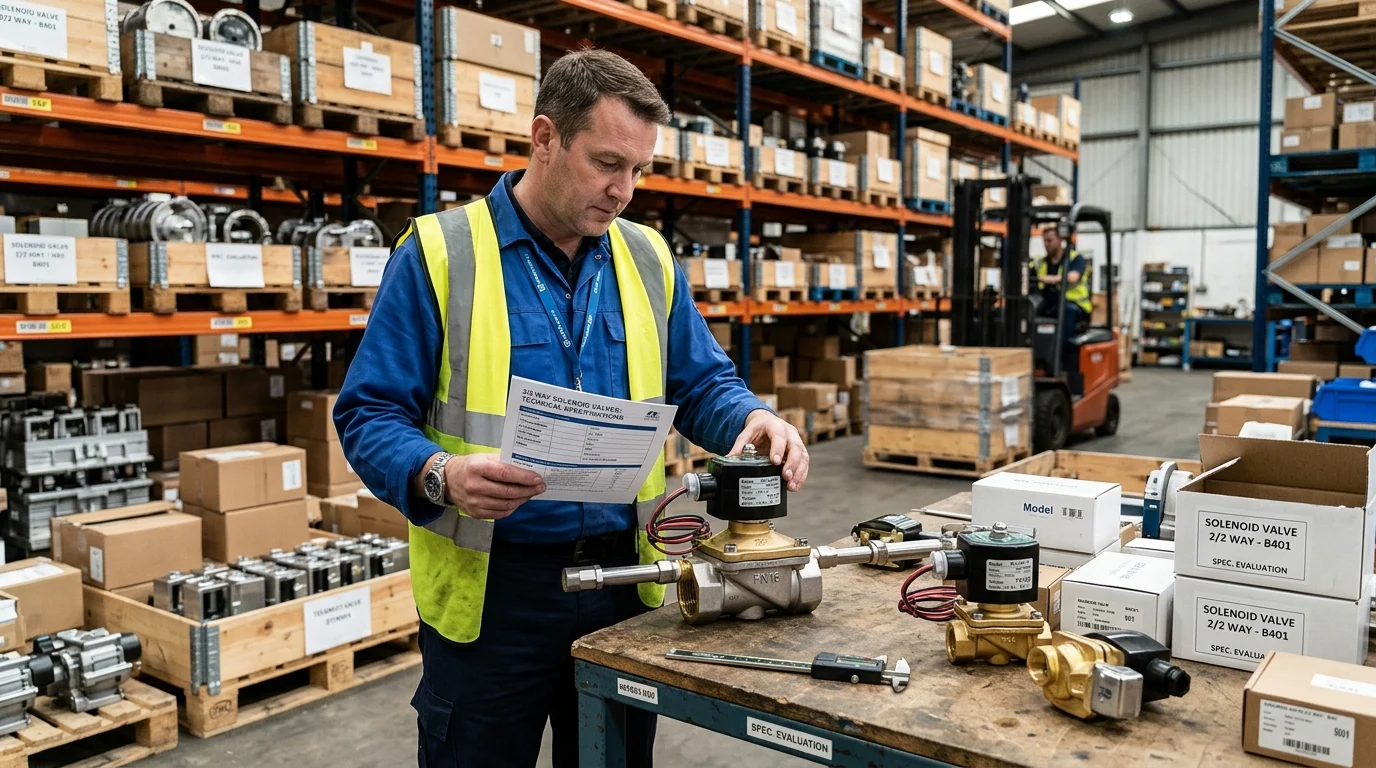
Procuring the correct 2/2 way solenoid valve necessitates a rigorous evaluation of technical specifications. B2B buyers must align the component’s operational limits with the intended application’s demands to prevent premature failure, system downtime, and potential safety hazards. An oversight in specifying the correct flow coefficient, pressure differential, or seal compatibility can result in catastrophic integration failures.
Performance and reliability parameters
The fundamental performance parameters include the flow coefficient (Cv or Kv), maximum operating pressure differential (MOPD), and power consumption. The flow coefficient dictates the volume of media that can pass through the valve at a given pressure drop, directly influencing the sizing of the valve for specific pneumatic or hydraulic lines. Buyers must also scrutinize the electrical characteristics of the solenoid coil, typically ranging from 12V DC to 220V AC, with specific attention to the holding and inrush wattage.
Reliability is quantified by the valve’s lifecycle rating and response time. Industrial-grade valves are expected to perform reliably for 10 million to 30 million cycles, depending on the media and operating environment. Response times, crucial for high-speed sorting or dosing applications, generally fall between 20 and 50 milliseconds. Furthermore, the selection of seal materials—such as NBR for standard air/water, FKM for high temperatures and chemicals, or EPDM for steam—dictates the valve’s chemical compatibility and thermal resilience.
Direct-acting vs pilot-operated valves
A critical technical distinction lies between direct-acting and pilot-operated 2/2 way solenoid valves. Direct-acting valves utilize the magnetic force of the solenoid coil to physically lift the armature and open the valve seat. This design allows them to operate from zero bar pressure, making them ideal for low-pressure systems, vacuum applications, and closed-loop circuits. However, their flow capacity is limited by the strength of the coil, restricting them to smaller orifice sizes.
Pilot-operated (or internally piloted) valves, in contrast, use the line pressure of the media to assist in opening and closing the main diaphragm or piston. While they require a minimum operating pressure differential—typically around 0.3 to 0.5 bar—they can control significantly larger flow volumes and higher pressures with a relatively small and energy-efficient solenoid coil. Selecting between these two mechanisms is a primary decision point in the procurement process.
Specification comparison checklist
To facilitate accurate procurement, buyers should utilize a standardized specification checklist when comparing vendor offerings. The table below highlights the primary comparative metrics between the two dominant valve architectures.
| Specification Metric | Direct-Acting 2/2 Way Valve | Pilot-Operated 2/2 Way Valve |
|---|---|---|
| Minimum Operating Pressure | 0 Bar (Vacuum capable) | 0.3 to 0.5 Bar |
| Flow Capacity | Low to Medium | High to Very High |
| Typical Orifice Size | 1.0 mm to 10.0 mm | 10.0 mm to 50.0+ mm |
| Power Consumption | Higher (relative to orifice size) | Lower (utilizes system pressure) |
| Media Cleanliness | Tolerates minor particulates | Requires clean media (pilot hole can clog) |
By utilizing this checklist alongside specific application data, procurement teams can effectively filter supplier catalogs and request accurate quotations, ensuring the procured components align perfectly with engineering requirements.
How to Source from Suppliers Effectively
Effective sourcing of 2/2 way solenoid valves requires a strategic approach to vendor management, particularly when engaging with overseas manufacturers in industrial hubs. A robust sourcing strategy mitigates supply chain risks, ensures consistent product availability, and optimizes the total cost of ownership. B2B buyers must navigate factory capabilities, negotiation levers, and logistical timelines to establish a resilient procurement pipeline.
Supplier qualification criteria
Qualifying a supplier goes beyond evaluating initial pricing. Procurement teams must assess the manufacturer’s production infrastructure, quality management systems, and engineering competencies. Key qualification criteria include verified ISO 9001 certification, in-house CNC machining capabilities, and automated coil winding operations. A reliable manufacturer should demonstrate a monthly production capacity exceeding 100,000 units to guarantee scalability during peak demand periods.
Furthermore, buyers should request comprehensive documentation, including material test reports (MTRs) for brass or stainless steel bodies, and verify the supplier’s testing protocols. The ability of a supplier to provide dedicated account management, rapid technical support, and transparent communication in English is crucial for seamless cross-border transactions.
MOQ, customization, and lead times
Minimum Order Quantities (MOQs), customization capabilities, and lead times are pivotal negotiation points. Standard brass or aluminum 2/2 way solenoid valves typically carry MOQs ranging from 100 to 500 pieces per SKU. However, requests for customized features—such as non-standard voltages, specific laser-etched branding, or specialized FKM seals—can push MOQs to 1,000 pieces or higher to justify the machine setup costs.
Lead times vary significantly based on the level of customization and the manufacturer’s inventory strategy. Standard off-the-shelf components may ship within 7 to 15 days, whereas custom production runs generally require 30 to 45 days. Buyers must factor these lead times into their inventory planning, often utilizing blanket orders or staggered delivery schedules to balance cash flow and stock availability.
Step-by-step sourcing process
A structured, step-by-step sourcing process minimizes risk when onboarding a new valve supplier. The process begins with a detailed Request for Quotation (RFQ) that clearly outlines technical specifications, estimated annual volumes, and target pricing. Following the RFQ, buyers should procure a small sample batch—typically 5 to 10 units—for rigorous in-house engineering evaluation and lifecycle testing.
Upon successful sample validation, the next phase is a trial order. This intermediate step, usually representing 10% to 20% of a standard production run, allows the buyer to assess the supplier’s packaging quality, logistical efficiency, and adherence to lead times. Only after the trial order meets all quality and logistical benchmarks should the buyer proceed to formalize a mass production contract and establish long-term payment terms, such as Net 30 or Letter of Credit (L/C).
Compliance, Quality Control, and Logistics
In the global trade of fluid control components, adherence to compliance standards, rigorous quality control, and optimized logistics are non-negotiable. B2B buyers must ensure that imported 2/2 way solenoid valves meet the regulatory requirements of their target markets while minimizing transit damage and controlling landed costs. A breakdown in any of these areas can lead to customs delays, product recalls, or eroded profit margins.
Certifications, testing, and traceability
Regulatory compliance is a primary gatekeeper for market entry. Valves destined for the European market must carry CE marking and comply with the RoHS directive, ensuring the absence of restricted hazardous substances. For North American markets, UL or CSA certifications for the solenoid coils are frequently mandated by local electrical codes. Additionally, the ingress protection rating—typically IP65 or IP67—must be certified to guarantee the valve’s resistance to dust and water in harsh industrial environments.
Quality control and traceability are equally critical. Leading manufacturers implement 100% pneumatic leak testing on the assembly line, pressurizing the valves to 1.5 times their maximum rated working pressure to ensure zero leakage. Traceability is maintained through laser-engraved batch codes or QR codes on the valve body, allowing buyers to track the exact production date, material batch, and testing operator in the event of a field failure.
Packaging, labeling, and shipping requirements
Industrial valves are dense, heavy components; improper packaging leads to severe transit damage. Standard packaging protocols dictate that individual valves be secured in blister packs or custom-molded EPS foam inserts to prevent thread damage and cosmetic scratching. These individual units are then packed into double-corrugated export cartons.
To comply with international occupational health and safety standards, individual carton weights should be strictly limited to a maximum of 15 kg to 20 kg for safe manual handling. Furthermore, comprehensive labeling—including EAN/UPC barcodes, part numbers, voltage specifications, and country of origin—must be clearly visible on the exterior of the master cartons to facilitate rapid intake at the buyer’s distribution center.
Total cost and warranty considerations
Calculating the total landed cost requires factoring in the factory gate price (EXW or FOB), freight forwarding charges, import tariffs, and insurance. The Harmonized System (HS) code for solenoid valves (typically under heading 8481) dictates the import duty rate, which varies significantly by destination country and existing trade agreements.
Warranty terms directly impact the total cost of ownership. Standard industry warranties cover manufacturing defects for 12 to 18 months from the date of shipment. Buyers should negotiate terms that cover not only the replacement of the defective valve but also the associated shipping costs if the defect rate exceeds an acceptable threshold.
| Quality Control Stage | Inspection Method | Acceptable Industry Threshold |
|---|---|---|
| Raw Material Intake | Spectrometer Analysis | 100% Alloy Compliance |
| Component Machining | CMM Inspection | Dimensional Tolerance ±0.01 mm |
| Final Assembly | Pneumatic Leak Test | Zero Leakage at 1.5x Max Pressure |
| Pre-Shipment | Visual & Functional Audit | Batch Defect Rate < 0.1% |
How to Select the Right Valve Supplier
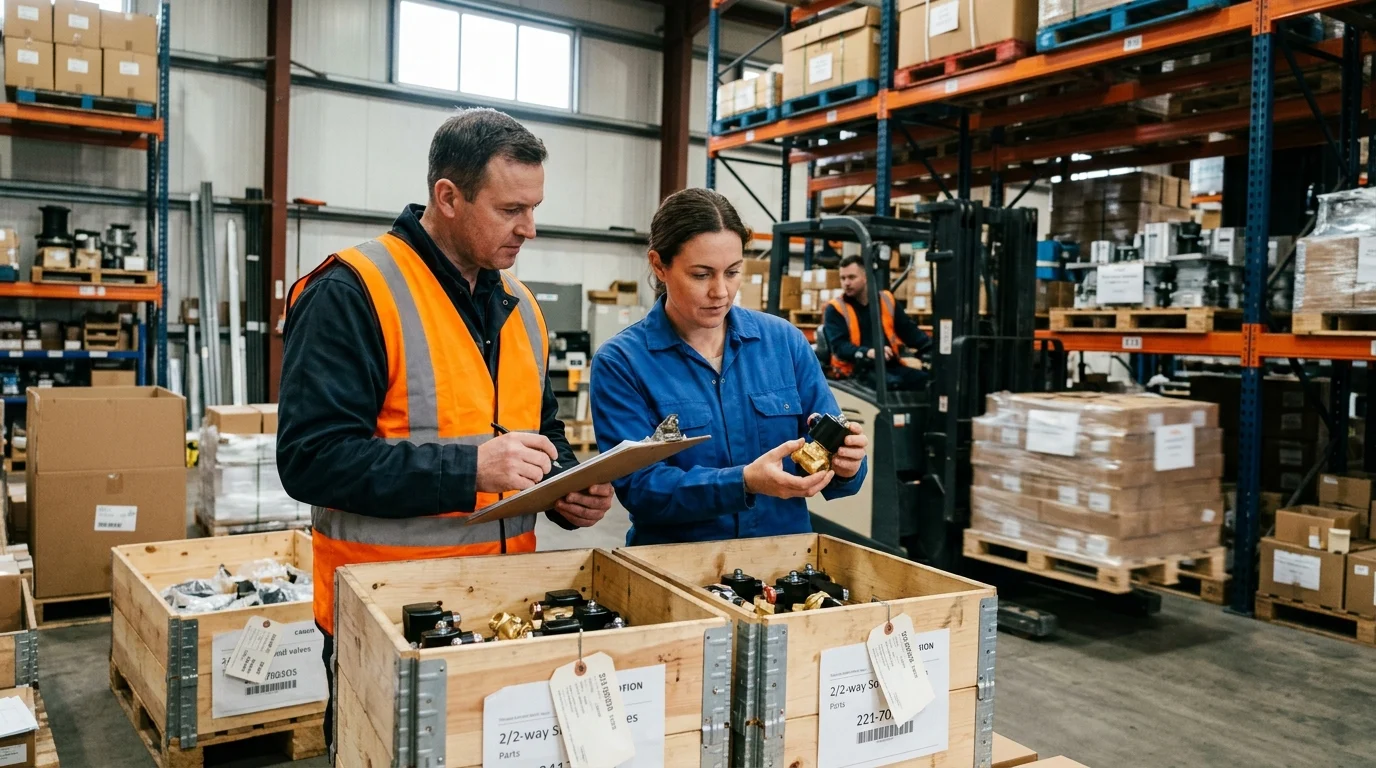
The final selection of a 2/2 way solenoid valve supplier is a strategic decision that extends beyond unit pricing. A successful B2B partnership relies on mutual growth, technical alignment, and trust. Buyers must synthesize their technical requirements, commercial constraints, and risk tolerance to choose a manufacturing partner capable of supporting their long-term market objectives.
Buyer decision criteria
The primary decision criteria for buyers encompass the supplier’s technical agility, commercial flexibility, and overall value proposition.
Key Takeaways
- Wholesale sourcing and supply-chain implications for 2/2 Way Solenoid Valve
- Specifications, compliance, and commercial terms buyers should validate
- Actionable recommendations for distributors and procurement teams
Frequently Asked Questions
What does a 2/2 way solenoid valve do?
It controls flow with 2 ports and 2 positions: open or closed. In pneumatic and fluid systems, it is used for simple on/off control of air, water, or compatible media.
How do I choose between direct-acting and pilot-operated 2/2 valves?
Use direct-acting valves for zero or low pressure applications. Choose pilot-operated valves when you need higher flow and stable pressure differential in industrial systems.
Which seal material is best for my application?
NBR suits standard air and water, FKM handles higher temperatures and chemicals, and EPDM is often preferred for steam or washdown duties. Always match the seal to media and temperature.
What specifications should B2B buyers check before ordering?
Confirm port size, operating pressure, voltage, flow rate, response time, media compatibility, and cycle life. For OEM projects, also verify dimensions, coil tolerance, and customization requirements.
Can SENYA support bulk orders or customized 2/2 way solenoid valves?
Yes. SENYA supplies industrial buyers with bulk production, OEM/ODM customization, and integrated pneumatic solutions. For pricing, lead time, or technical matching, send an inquiry with your application details.