
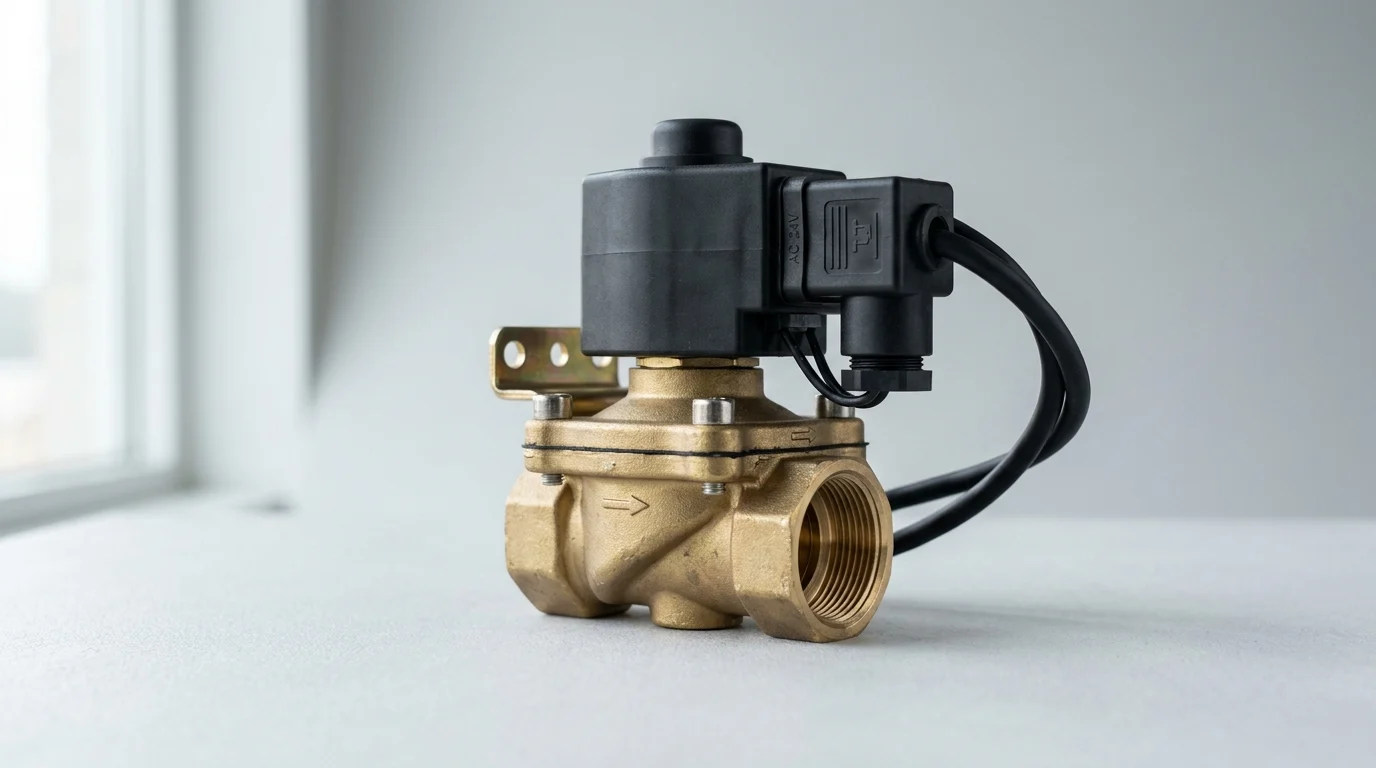
Why 2/2 Solenoid Valve Maintenance Matters
In industrial automation, the reliability of fluid control systems hinges directly on the continuous performance of the 2/2 solenoid valve. For procurement teams and facility managers, viewing these components purely as disposable commodities is a costly oversight. Implementing a structured maintenance strategy for 2/2 solenoid valves not only prevents catastrophic system failures but also significantly optimizes the total cost of ownership (TCO) across large-scale deployments.
Unplanned downtime in high-volume production environments, such as automated packaging or pneumatic dust removal systems, can incur costs exceeding $10,000 per hour. By understanding the mechanical and electrical thresholds of these valves, technical buyers can transition from reactive part replacement to predictive lifecycle management. This shift ensures that inventory levels for spare parts are optimized and that equipment availability remains within strict service level agreements.
Maintenance intervals by duty cycle
The frequency of maintenance interventions for a 2/2 solenoid valve is heavily dictated by its duty cycle. Valves operating in continuous, high-frequency applications—such as sorting machinery or pneumatic actuators—accumulate mechanical wear rapidly. Standard valves equipped with NBR (Nitrile Butadiene Rubber) seals typically require inspection and potential rebuilds after 5 to 10 million cycles. In contrast, valves in low-cycle, continuous-energization applications (like emergency shut-off systems) face less mechanical friction but are at higher risk for electrical fatigue.
Procurement teams should segment their valve inventory based on these operational profiles. High-cycle applications necessitate a steady supply chain of rebuild kits (armatures, springs, and diaphragms) with minimum order quantities (MOQs) aligned to quarterly preventive maintenance schedules. Conversely, low-cycle applications demand a focus on coil integrity, requiring annual thermographic inspections rather than frequent mechanical teardowns.
Operating conditions that reduce service life
Environmental and media-specific variables drastically accelerate the degradation of 2/2 solenoid valves. Operating a valve outside its specified thermal parameters is a primary catalyst for premature failure. For instance, running a valve in an ambient environment just 15°C above its rated coil insulation class limit can effectively halve the electrical lifespan of the solenoid coil. Similarly, media contamination poses a severe threat; particulate matter exceeding 50 microns can score the internal brass or stainless steel valve body, leading to internal bypass leakage.
Pressure fluctuations also play a critical role. Subjecting a valve to pressure spikes 20% beyond its maximum operating pressure differential (MOPD) stresses the diaphragm and armature tube, increasing the likelihood of rupture or deformation. Buyers must audit the actual operating conditions of their facilities against the manufacturer’s nameplate specifications, ensuring that the selected valves feature appropriate IP ratings (such as IP65 or IP67 for washdown environments) and suitable seal materials like FKM (Viton) for aggressive chemicals or high-temperature steam.
Common 2/2 Solenoid Valve Failure Points
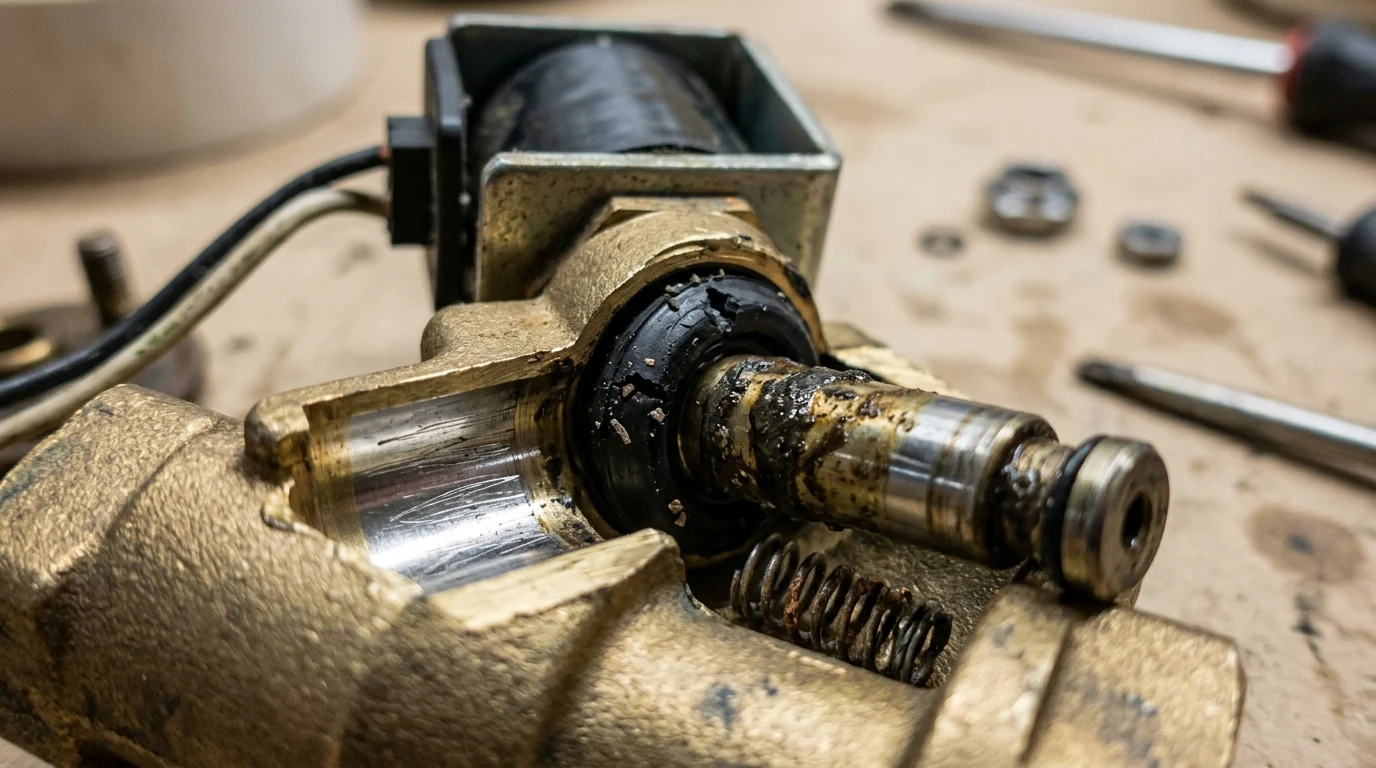
Identifying the root causes of 2/2 solenoid valve failure is essential for both maintenance technicians and procurement specialists. A comprehensive understanding of these failure modes allows buyers to source valves with enhanced specifications tailored to their specific operational vulnerabilities. Failures generally bifurcate into two categories: electrical faults within the solenoid coil and mechanical faults within the valve body.
Coil burnout, seal wear, and plunger sticking
Solenoid coils are highly susceptible to burnout, which is most frequently caused by overvoltage, undervoltage, or a locked plunger. If an alternating current (AC) solenoid plunger fails to seat fully due to internal debris, the coil continues to draw high inrush current, leading to thermal overload and catastrophic burnout within minutes. Seal wear is another pervasive issue; continuous friction and exposure to incompatible media degrade O-rings and diaphragms, resulting in external leaks or failure to close.
Plunger sticking, or armature lock, occurs when particulate matter, rust, or degraded lubricant accumulates in the armature tube. This not only prevents the valve from actuating but also directly precipitates coil burnout. Utilizing valves with integrated filtration screens or sourcing upstream air treatment units (such as 40-micron pneumatic filters) can mitigate this risk significantly.
Specification checkpoints before maintenance
Before initiating maintenance or authorizing a replacement purchase, technicians must verify several critical specification checkpoints. First, electrical supply must be measured to ensure it falls within the standard ±10% voltage tolerance of the coil rating. Second, the pressure differential across the valve must be confirmed; pilot-operated valves typically require a minimum differential of 0.1 to 0.5 bar to function, and operating below this threshold will mimic a mechanical failure.
Additionally, maintenance personnel should verify the integrity of the environmental protection. Checking the condition of DIN connectors and ensuring that IP65/IP67 seals are intact prevents moisture ingress, which is a leading cause of short circuits in humid or outdoor industrial environments.
Failure comparison by valve type
The architecture of the 2/2 solenoid valve—whether direct-acting or pilot-operated—dictates its specific vulnerabilities and expected mean time between failures (MTBF). Direct-acting valves rely entirely on the magnetic force of the coil to lift the plunger, making them robust but susceptible to coil stress under high pressure. Pilot-operated valves use line pressure to assist in opening the main orifice, which conserves electrical power but introduces tiny pilot channels that are highly prone to clogging.
| Valve Architecture | Primary Failure Mode | Typical MTBF (Cycles) | Maintenance Focus |
|---|---|---|---|
| Direct-Acting | Coil Burnout / Armature Wear | 10 – 15 Million | Electrical parameters, port cleaning |
| Pilot-Operated | Pilot Orifice Clogging | 5 – 10 Million | Upstream media filtration, diaphragm integrity |
How to Structure a Maintenance Program
Transitioning from a run-to-failure model to a structured maintenance program requires alignment between maintenance engineering and procurement. A formalized program reduces emergency spot-buying, standardizes spare parts inventory, and maximizes the operational lifespan of existing pneumatic and fluid control assets.
Preventive maintenance steps
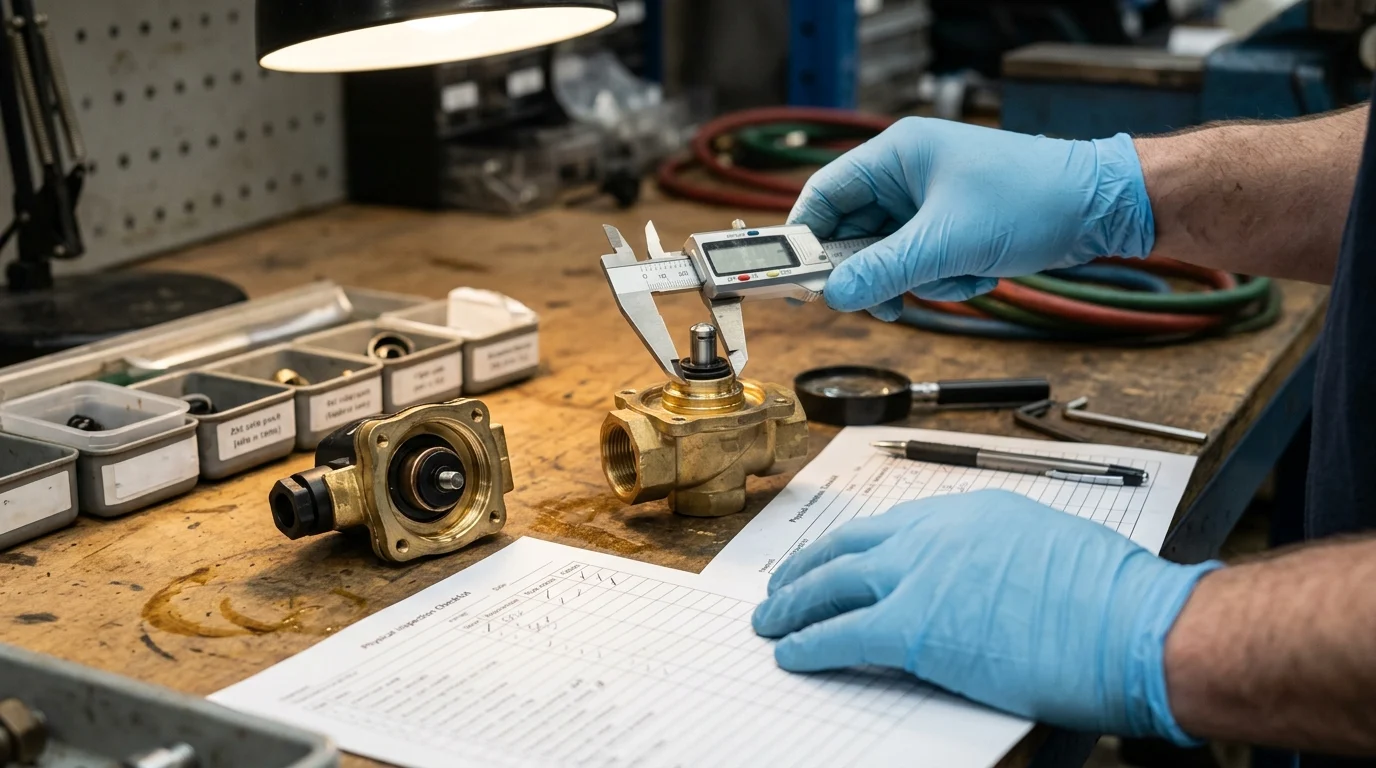
Effective preventive maintenance for a 2/2 solenoid valve begins with isolation and depressurization of the line. The standard procedure involves removing the retaining clip to slide off the coil, allowing for inspection of the armature tube for signs of bulging or thermal discoloration. The valve body is then opened to inspect the diaphragm, springs, and O-rings.
Components should be cleaned with an appropriate, non-corrosive solvent. Technicians must avoid applying incompatible lubricants to the seals; for example, applying petroleum-based grease to EPDM seals will cause them to swell and fail. Reassembly must follow the manufacturer’s specified torque settings for the valve body bolts to ensure uniform seal compression.
Maintenance frequency by application severity
Maintenance schedules must be calibrated to the severity of the application. In light-duty applications, such as clean compressed air systems operating at ambient temperatures, annual inspections are generally sufficient. However, in heavy-duty or harsh environments—such as dust removal systems, high-temperature steam lines, or corrosive chemical dosing—maintenance frequency must increase dramatically.
For severe applications, quarterly or even monthly inspections of the valve internals are recommended. Procurement teams supporting heavy-duty applications must factor these intervals into their purchasing forecasts, ensuring that consumable rebuild kits are maintained at a minimum safety stock level of 15% to 20% of the active installed base.
Repair vs replacement criteria
Establishing strict criteria for when to repair versus when to replace a 2/2 solenoid valve prevents wasted labor and ensures system reliability. A widely accepted industrial procurement rule is the 60% threshold: if the cost of the rebuild kit plus the internal labor hours exceeds 60% of the cost of a brand-new valve, full replacement is the more economical choice.
Furthermore, if the brass or stainless steel valve body exhibits severe pitting, thread damage, or internal scoring, repairing the internal components will not restore the valve to its original specifications. In such cases, full replacement is mandatory. Standardizing these criteria helps purchasing departments automate reorder points for both full valve assemblies and component kits.
Sourcing, Compliance, and Supply Chain Factors
The effectiveness of any maintenance program is inherently tied to the quality of the components sourced. B2B buyers must evaluate supply chain factors, material specifications, and manufacturer compliance to ensure that replacement parts and new 2/2 solenoid valves deliver consistent, long-term performance.
Material selection, interchangeability, and spare parts
Material selection directly impacts both the initial procurement cost and the maintenance lifecycle. Brass bodies are standard for water and neutral gases, while 304 or 316 stainless steel is required for corrosive media or food-grade applications. When sourcing spare parts, interchangeability is a critical factor. Buyers should partner with manufacturers that utilize standardized coil dimensions and armature designs across multiple valve series.
This interchangeability drastically reduces the number of unique SKUs a distributor or end-user must hold in inventory. By standardizing on a specific manufacturer’s architecture, procurement can leverage volume discounts, often meeting MOQs of 500 to 1000 units for customized coils or specific FKM seal configurations while minimizing warehouse footprint.
Supplier quality controls and batch consistency
Supplier quality control determines the reliability of the maintenance schedule. If a batch of valves suffers from inconsistent machining tolerances, the MTBF will vary wildly, rendering predictive maintenance models useless. Enterprise buyers should audit potential suppliers for stringent quality control measures, including 100% end-of-line pressure and electrical testing.
A world-class pneumatic component manufacturer should maintain a defect rate of less than 0.1% (or <1000 PPM). Batch consistency ensures that a replacement diaphragm sourced in Q3 will perform identically to the original component installed in Q1, safeguarding the integrity of automated production lines.
Required compliance and documentation
Global trade and industrial safety standards require strict compliance documentation for fluid control components. Buyers importing 2/2 solenoid valves must ensure that suppliers provide CE certification for electrical safety and RoHS compliance for restricted substances. For specialized applications, ISO 9001 certification of the manufacturing facility guarantees documented traceability of materials.
When purchasing valves for explosive or highly regulated environments, ATEX certification or FDA-compliant material test reports for seals may be mandatory. Maintaining a centralized repository of these compliance documents is essential for passing facility safety audits and avoiding customs delays during international freight transit.
How Buyers Should Choose a Maintenance Strategy
Procurement strategy should not be viewed in isolation from maintenance reality. By integrating service-life data into the purchasing process, B2B buyers can shift from a low-bid purchasing mentality to a value-driven sourcing strategy. This approach guarantees higher equipment uptime and lower overall expenditure over the facility’s lifecycle.
Decision framework for replacement planning
A robust decision framework for replacement planning balances inventory holding costs against the financial risk of stockouts. Buyers must map the lead times of their primary and secondary suppliers against the critical nature of the valves. If an imported 2/2 solenoid valve has a standard ocean-freight lead time of 6 to 8 weeks, the facility cannot rely on just-in-time purchasing for critical process valves.
Instead, procurement should establish min/max inventory levels based on historical consumption data and maintenance schedules. Utilizing vendor-managed inventory (VMI) or establishing blanket orders with scheduled call-offs can lock in favorable pricing while ensuring that necessary replacement valves and rebuild kits are always on hand when the maintenance interval arrives.
Using service-life data in purchasing decisions
Service-life data is the most powerful tool for justifying the procurement of premium components over lower-cost alternatives. By tracking the MTBF and the frequency of rebuilds, buyers can accurately calculate the Total Cost of Ownership (TCO). A valve that costs 30% less upfront but requires replacement twice as often due to inferior coil winding or substandard seal materials ultimately drains the operational budget through increased labor and downtime.
| Procurement Strategy | Unit Cost Range | Est. Lifespan | Annual Replacement Rate | 5-Year TCO Index |
|---|---|---|---|---|
| Low-Cost Reactive | $15 – $25 | 2 Million Cycles | 40% | 1.8x |
| Premium Preventive | $40 – $60 | 10+ Million Cycles | 10% | 1.0x (Baseline) |
By leveraging this quantitative data, procurement teams can build compelling business cases to consolidate their supply base around high-quality manufacturers. This ensures that the 2/2 solenoid valves deployed across the enterprise deliver the extended service life necessary for modern, high-efficiency industrial operations.
Key Takeaways
- Wholesale sourcing and supply-chain implications for 2/2 Solenoid Valve
- Specifications, compliance, and commercial terms buyers should validate
- Actionable recommendations for distributors and procurement teams
Frequently Asked Questions
How often should a 2/2 solenoid valve be inspected?
Match intervals to duty cycle: high-cycle valves often need checks or rebuilds at 5–10 million cycles, while low-cycle energized valves should get annual coil and temperature inspections.
What usually causes coil burnout in a 2/2 solenoid valve?
Common causes are overvoltage, undervoltage, and a stuck plunger. Verify power supply, clean internal debris, and confirm the plunger seats fully before re-energizing.
How can contamination shorten 2/2 solenoid valve service life?
Particles can scratch the valve body, jam the plunger, and damage seals. Use upstream filtration, such as a 40-micron air treatment unit, and keep media clean.
Which specifications should be checked before replacing a 2/2 solenoid valve?
Confirm voltage, port size, pressure range, media compatibility, seal material, and IP rating. For harsh or washdown sites, choose suitable seals and at least IP65 when required.
When should I ask SENYA for a customized 2/2 solenoid valve solution?
Contact SENYA when your application involves unusual media, high temperature, washdown exposure, frequent cycling, or OEM sizing needs. Share duty cycle, pressure, voltage, and environment details for a faster quote.