
What Is a 2/2 Solenoid Valve and How Does It Work?
A 2/2 solenoid valve,also known as a 2-way 2-position solenoid valve is a basic type of electromagnetic valve used to control fluid flow in on/off applications. It has two ports and two states: open and closed. These valves are widely used in automation systems for controlling air, water, oil, and other media.
The switching mechanism is driven by an electromagnetic coil, which moves the internal plunger to control flow. Depending on the design, a solenoid valve can be either direct acting or pilot operated, which significantly affects performance and application range.
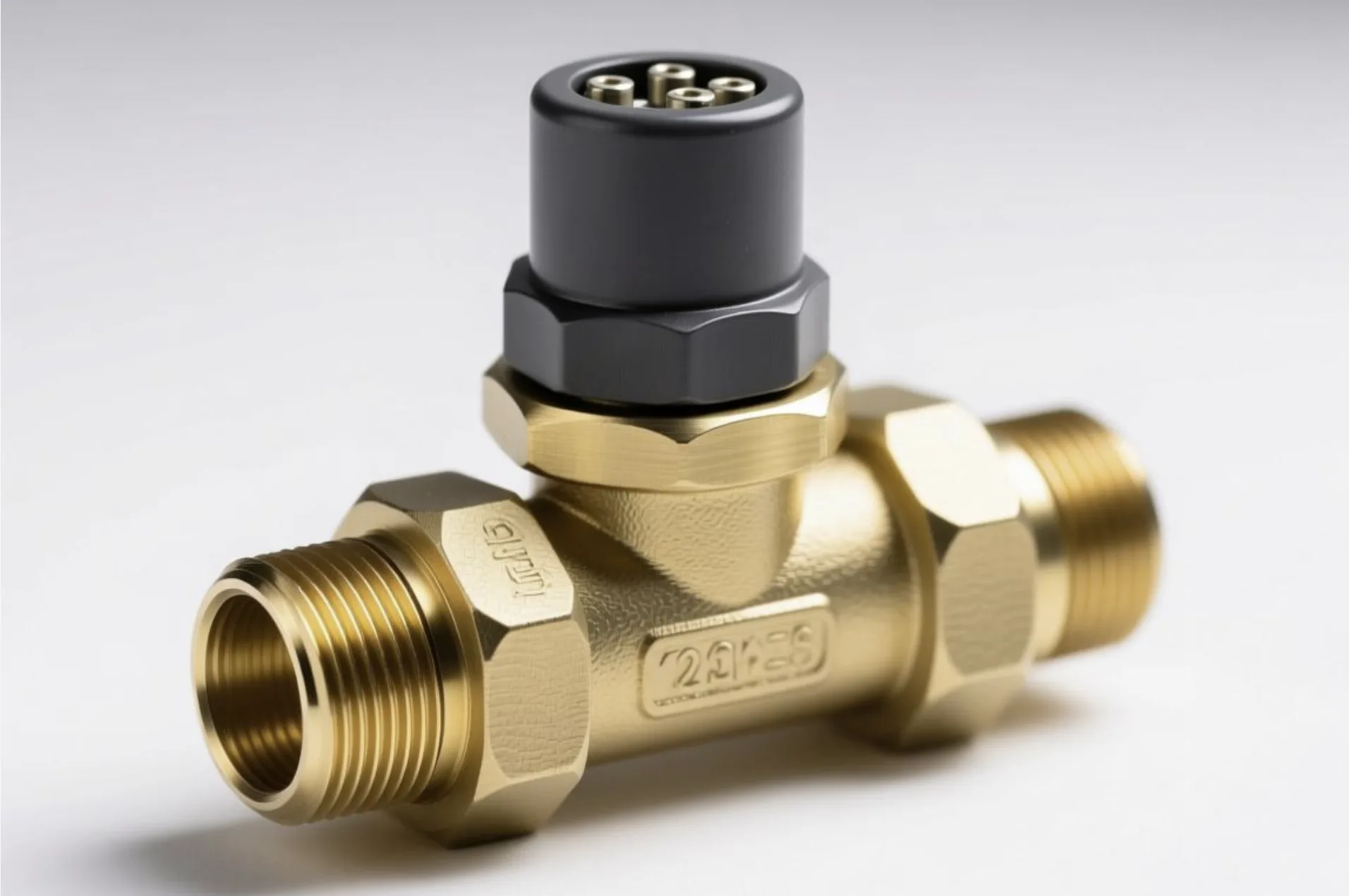
What Is a Direct Acting 2/2 Solenoid Valve?
A direct acting solenoid valve operates by using electromagnetic force alone to open or close the valve. When the coil is energized, it directly lifts the plunger to allow flow.
This type of 2/2 solenoid valve is ideal for low-pressure systems because it does not require minimum pressure to operate. It responds very quickly and can function even with zero differential pressure, making it suitable for small flow applications, laboratory equipment, and precision control systems.
What Is a Pilot Operated 2/2 Solenoid Valve?
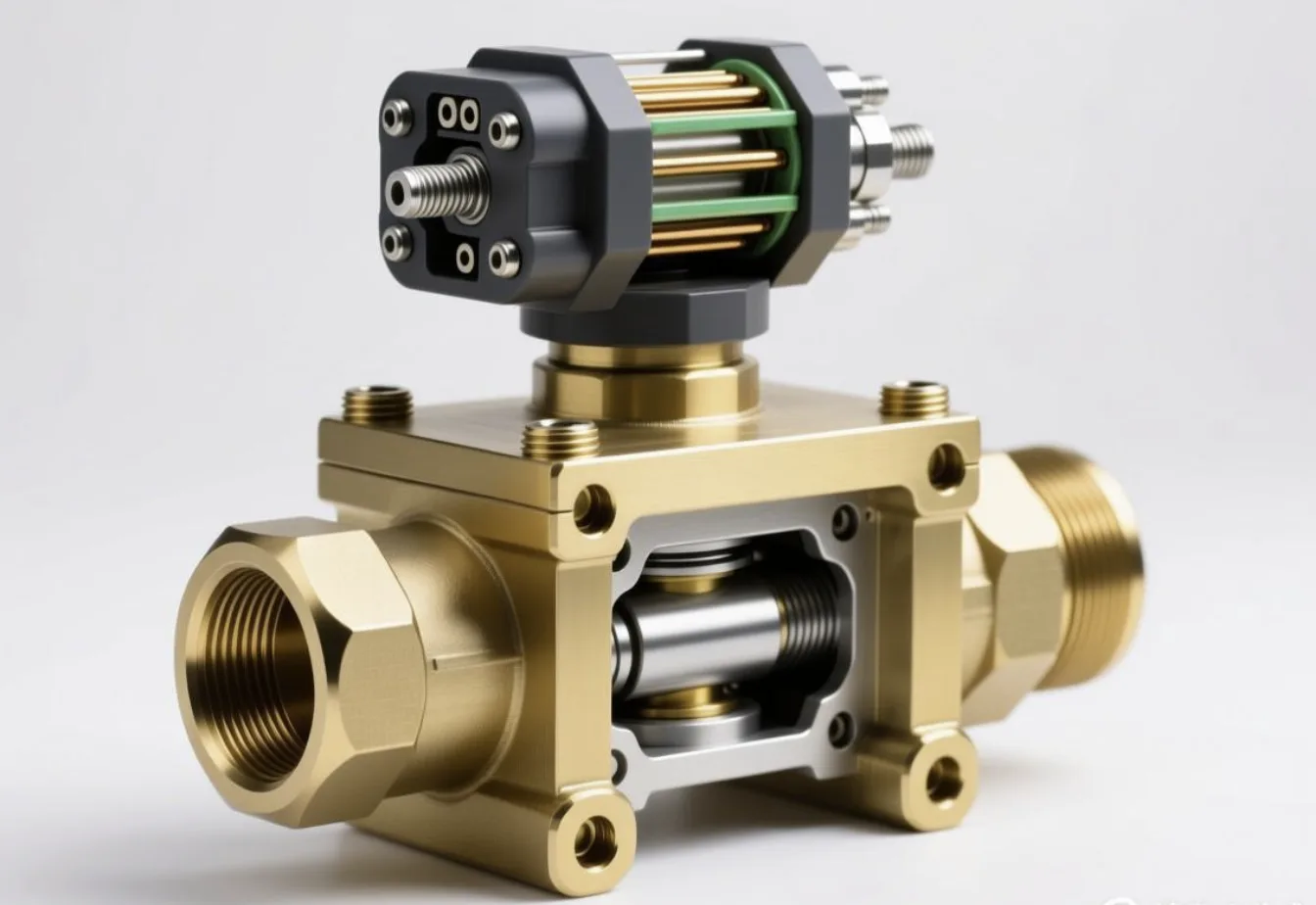
A pilot operated solenoid valve uses system pressure to assist in opening or closing the valve. The solenoid only controls a small pilot channel, while the main valve is driven by fluid pressure.
This design is commonly used in 2-way 2-position solenoid valves for medium to high flow applications. It is more energy-efficient because the coil requires less force to operate. However, it usually needs a minimum pressure difference to function properly.
Key Differences Between Direct Acting and Pilot Operated Valves
The main difference between these two types of solenoid valves lies in their operating mechanism and pressure requirements.
Direct acting valves offer fast response and can work at zero pressure but are limited in flow capacity. Pilot operated valves, on the other hand, handle higher flow rates and pressures but depend on system pressure to operate.
Choosing between them depends on whether your application prioritizes responsiveness or flow capacity.
How to Choose the Right 2/2 Solenoid Valve Type
When selecting a 2/2 solenoid valve, consider pressure conditions, flow requirements, and response speed. If your system requires operation under low or zero pressure, a direct acting valve is the better choice.
If your application involves higher flow rates and stable pressure conditions, a pilot operated 2-way 2-position solenoid valve is more efficient and cost-effective in the long run.
FAQ
What is the main difference between direct acting and pilot operated solenoid valves?
Direct acting uses electromagnetic force directly, while pilot operated uses system pressure to assist operation.
Which solenoid valve works at zero pressure?
Direct acting solenoid valves can operate at zero or low pressure conditions.
Are pilot operated solenoid valves more efficient?
Yes, they use less electrical energy but require sufficient system pressure to function.
Which type is better for high flow applications?
Pilot operated solenoid valves are better for high flow and high-pressure systems.
Can both types be used in automation systems?
Yes, both are widely used depending on system design and performance needs.
About SenyaBlog
At SENYA Pneumatic Components, we specialize in industrial automation components, including 2/2 solenoid valves, direct acting solenoid valves, pilot operated valves, and 2-way 2-position solenoid valve systems. Our products are designed to meet the demands of modern fluid control applications across multiple industries.
We focus on precision engineering, durable materials, and advanced manufacturing processes to ensure high reliability and long service life. Our solutions are widely used in automation equipment, pneumatic systems, water treatment, HVAC systems, and industrial machinery, providing stable and efficient solenoid valve technologies for global customers.