
5/2 Way vs 2/2 Way Valve: Function Comparison for Automation Systems
When selecting pneumatic components for industrial automation, engineers must understand the fundamental differences between valve configurations. The choice between 5/2 way and 2/2 way valves significantly impacts system functionality, control complexity, and operational efficiency. This comparison guide examines how these two valve types function, their applications in automation systems, and practical selection criteria for industrial environments.

What Is a 2/2 Way Valve?
A 2/2 way valve contains two ports and two positions, functioning as a simple on/off switching device. This valve type has one inlet port and one outlet port, with the flow path either fully open or completely closed. When de-energized, the valve maintains its default position, typically closed, blocking all flow through the system.
The operational principle relies on a single solenoid coil that moves the valve spool or poppet between positions. When electrical power activates the coil, the valve shifts to allow fluid flow from the inlet to the outlet. The other solenoid valve configurations in this category share this basic two-position switching mechanism.
These valves excel in simple blocking and dosing applications where directional control is not required. Common uses include tank filling, line isolation, and pressure release functions. The straightforward design results in lower manufacturing costs and reduced maintenance requirements compared to multi-way configurations.
What Is a 5/2 Way Valve?
A 5/2 way valve incorporates five ports and two positions, enabling more complex directional control in pneumatic systems. This configuration typically includes two pressure ports, two cylinder ports, and one exhaust port. The valve directs compressed air to opposite ends of a double-acting cylinder, allowing forward and reverse motion control.
Unlike the 2/2 configuration, the 5/2 valve requires pilot signals or dual solenoids to shift between positions. The DMF-Z-DD series 90° right-angle type pulse valve demonstrates specialized applications where directional control and rapid cycling are essential for dust removal systems.
The two-position design allows the valve to supply air to one cylinder port while exhausting air from the other simultaneously. This simultaneous supply and exhaust function distinguishes 5/2 valves from series-connected 2/2 valves, reducing response time and improving system efficiency.
Key Functional Differences Between 5/2 and 2/2 Way Valves
The primary distinction lies in the number of flow paths each configuration can manage. A 2/2 way valve handles a single flow path that either opens or closes, while a 5/2 way valve manages multiple flow paths in two distinct positions. This fundamental difference determines the complexity of systems each valve type can control.
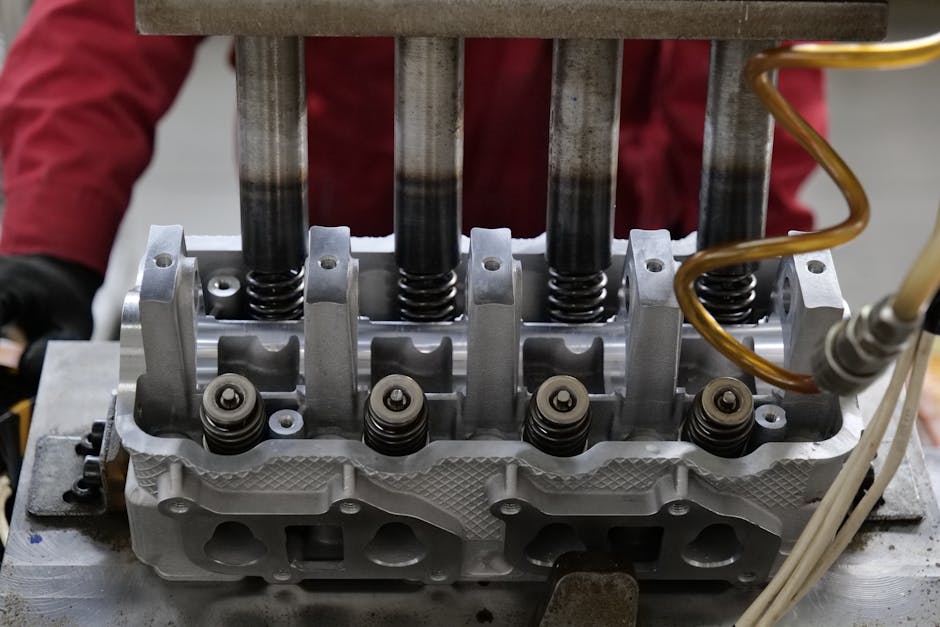
Response characteristics also vary significantly between these valve types. Single solenoid 2/2 valves require only one electrical signal, simplifying wiring and control logic. The 5/2 configuration typically demands two pilot signals or dual solenoid coils, increasing electrical complexity but enabling spring-return and memory functions.
Energy consumption differs based on valve type and operation mode. Spring-return 5/2 valves consume energy only during the active stroke, while double solenoid versions maintain neither position without power. Single 2/2 valves generally consume less power overall due to simpler construction and single coil design.
Performance Comparison Table
| Characteristic | 2/2 Way Valve | 5/2 Way Valve |
|---|---|---|
| Ports | 2 (1 inlet, 1 outlet) | 5 (2 pressure, 2 cylinder, 1 exhaust) |
| Flow Control | On/off only | Bidirectional with exhaust |
| Electrical Connections | Single solenoid | Single or dual solenoid |
| Cylinder Control | Single-acting only | Double-acting capability |
| Complexity | Low | Medium to high |
| Cost | Lower | Moderate to higher |
Application Scenarios for Each Valve Type
2/2 way valves serve best in applications requiring simple flow interruption without directional change. Tank draining, pipe line isolation, and safety shutoff functions represent typical use cases. These valves also appear in HVAC systems, water treatment facilities, and general industrial process control where bidirectional flow is unnecessary.
5/2 way valves dominate applications requiring cylinder movement in both directions. Pneumatic presses, automated assembly equipment, and robotic systems frequently utilize these valves for controlling double-acting actuators. Packaging machinery, material handling systems, and printing equipment also rely heavily on 5/2 valve configurations.
When considering air treatment unit integration, both valve types require proper filtration and lubrication for reliable operation. The choice affects downstream component selection and overall system design complexity.
Selection Criteria for Automation Systems
Choosing between these valve types requires evaluating specific application requirements. The following factors determine the appropriate selection for most industrial automation scenarios:
- Actuator Type: Single-acting cylinders require 2/2 valves; double-acting cylinders need 5/2 valves for bidirectional motion.
- Control Complexity: Simple on/off needs favor 2/2 valves; sequence control and cycling applications benefit from 5/2 capabilities.
- Response Time: Single solenoid 2/2 valves offer faster response; 5/2 valves introduce slight delay for pilot signal activation.
- Maintenance Requirements: Simpler 2/2 valves reduce maintenance burden; 5/2 valves require more frequent inspection.
- Space Constraints: Compact installations often favor 2/2 valves due to smaller physical footprint.
For pneumatic push-in fitting compatibility, verify port sizes and thread types match valve specifications. Thread type variations include thread type push-in fittings and tube-tube type push-in fittings that affect installation methods.
Installation and System Integration Considerations
Proper installation of 2/2 way valves requires attention to flow direction marking. Most designs include directional arrows indicating the correct installation orientation. Reversed installation may cause leakage, reduced flow capacity, or complete valve failure in pressure-sensitive applications.
5/2 way valve installation demands careful attention to port identification and piping layout. Each port serves a specific function, and misconnection leads to system malfunction or actuator damage. Many manufacturers provide detailed port labeling to simplify correct installation procedures.
Flow rate control push-in fittings play a critical role in system tuning regardless of valve type. These components allow precise adjustment of actuator speeds and help prevent pressure spikes that damage components. For technical standards governing valve performance, refer to ISO 69487 covering pneumatic fluid power systems.
Common Failure Modes and Troubleshooting
2/2 way valves typically fail due to coil burnout, seat degradation, or debris contamination. Symptoms include failure to open or close, internal leakage, and audible humming from damaged solenoids. Regular inspection of coil resistance and visual examination of seating surfaces prevent unexpected failures.
5/2 way valves experience additional failure modes related to spool wear and pilot port blockage. Uneven cylinder movement, sluggish response, and spontaneous position changes indicate spool wear. Pilot valve contamination disrupts the shifting mechanism, requiring cleaning or replacement of pilot components.
Industrial control systems benefit from cybersecurity considerations when implementing valve automation. Resources from NIST cybersecurity guidelines provide starting points for securing automation networks and preventing unauthorized access to control systems.
Cost Analysis and Budget Considerations
Initial acquisition costs favor 2/2 way valves due to simpler manufacturing and fewer components. Budget-conscious projects with straightforward requirements benefit from 2/2 valve deployment. Multiple 2/2 valves can substitute for single 5/2 valves in some applications, though at the expense of increased piping complexity.
Total cost of ownership analysis reveals additional factors beyond purchase price. System design time, component count, piping materials, and maintenance frequency contribute to overall project cost. Complex 5/2 valve systems may reduce these secondary costs despite higher per-unit pricing.
For information about search engine optimization techniques that apply to technical content, this resource explains fundamental SEO concepts relevant to digital marketing.
Conclusion
Both 5/2 way and 2/2 way valves serve essential functions in industrial automation systems. The 2/2 configuration provides cost-effective flow control for simple on/off applications, while the 5/2 configuration enables sophisticated directional control for complex automation sequences. Understanding the specific requirements of your application, including actuator type, control complexity, and maintenance capabilities, guides appropriate valve selection. Technical standards from search best practices help ensure technical documentation reaches the intended audience effectively.
Frequently Asked Questions
Q1: Can a 2/2 way valve control a double-acting cylinder?
Yes, but only partially. Two 2/2 valves can be connected in parallel to control both directions of a double-acting cylinder. However, this configuration requires more components and piping than a single 5/2 valve.
Q2: What is the typical response time difference between these valve types?
Standard 2/2 solenoid valves respond in 10-50 milliseconds. 5/2 pilot-operated valves typically require 50-100 milliseconds due to the additional pilot stage, though high-performance models reduce this difference significantly.
Q3: Are 5/2 valves more expensive to maintain than 2/2 valves?
Generally, yes. 5/2 valves contain more moving parts and sealing surfaces, increasing wear potential. However, proper air preparation and regular maintenance minimize this difference in most industrial applications.
Q4: Which valve type is better for explosive environments?
Both types are available in explosion-proof ratings. Selection depends on specific hazardous area classifications. Consult accessibility guidelines are not directly applicable, but certified explosion-proof variants exist for both configurations meeting ATEX and IECEx standards.
Q5: Can I use flow rate control fittings with both valve types?
Yes. Flow rate control push-in fittings can regulate speed in both 2/2 and 5/2 valve circuits. These adjustable fittings provide fine control over actuator speed regardless of the upstream valve configuration.
Q6: What determines whether to use spring-return or double solenoid 5/2 valves?
Spring-return 5/2 valves automatically return to the default position when de-energized, providing a fail-safe condition. Double solenoid versions maintain their last position without power, suitable for applications requiring position memory.
Q7: How do I calculate flow requirements for valve selection?
Flow requirements depend on actuator size, desired speed, and system pressure. The valve’s flow coefficient (Cv) must exceed the calculated system requirement. Manufacturer catalogs provide Cv values and flow curves for proper selection.