

Selecting the optimal brass solenoid valve hinges on understanding its type and matching it to your application’s specific demands. Engineers often face challenges when choosing the correct brass solenoid valve for new applications. Brass valves are suitable for non-aggressive fluids and low to medium pressure/temperature uses. This limits their use in harsh environments. Dezincification may require more maintenance for brass valves. This impacts their longevity and operational costs. Brass is not ideal for aggressive chemicals or strict hygiene environments. Material compatibility with the flowing media is crucial. This prevents degradation. A careful analysis of fluid properties is needed. While initial brass solenoid valve price might be lower, long-term costs can be higher due to maintenance. This is compared to more durable alternatives like steel. A 24V DC brass solenoid valve or a brass 2 way solenoid valve might be perfect for some systems. However, a brass solenoid valve for hydraulic systems demands specific considerations.
Key Takeaways
- Brass solenoid valves come in three main types: direct-acting, indirect-acting, and semi-direct acting.
- Direct-acting valves work best for low pressure and low flow, while indirect-acting valves handle high pressure and high flow.
- Semi-direct acting valves offer a balance, working from zero pressure and handling higher flows than direct-acting types.
- Always check the fluid type, pressure, flow rate, and temperature to pick the right brass solenoid valve.
- Proper installation and regular cleaning help brass solenoid valves work well and last longer.
Understanding Direct-Acting Brass Solenoid Valves
How Direct-Acting Brass Solenoid Valves Work
Direct-acting brass solenoid valves operate through a simple electromagnetic principle. When an electric current flows through the solenoid coil, it creates a magnetic field. This magnetic field pulls on a movable part called a plunger or armature. The magnetic force overcomes the tension of a spring, causing the plunger to move. This movement directly opens or closes the valve’s orifice, which controls the fluid flow. When the current stops, the magnetic field collapses, and the spring pushes the plunger back to its original position. This action ensures the valve returns to its default state. These valves do not need a pressure difference between the inlet and outlet ports to work. They can function effectively from 0 bar upwards. Essential components include the solenoid coil, the plunger, and the valve body, often made from brass.
Direct-Acting Valve Characteristics
Direct-acting solenoid valves are known for specific characteristics. They operate solely through the electromagnetic force from the solenoid coil. These valves are typically suited for low, zero, and negative pressure applications, generally less than 100 psi. They also handle low flow rates, often with an orifice diameter limited to 25mm. As the orifice size increases, the static pressure forces also increase. A larger orifice requires a more powerful solenoid and a stronger magnetic field to manage higher static pressure. This ensures reliable operation. Higher flow rates also demand larger solenoid coils. The fluid pressure and flow rate directly relate to the physical size and power of the solenoid mechanism.
Ideal Applications for Direct-Acting Brass Solenoid Valves
Direct-acting solenoid valves are particularly suitable for applications that involve low flow or pressure. They do not require a pressure differential to operate, making them effective in systems where pressure is low or even non-existent. Many industries use these valves. For example, they are common in car wash systems, dishwashing and laundry equipment, and pumps. They also find use in compressors, boilers, and burners. Food processing applications also benefit from these valves. A brass solenoid valve in these settings provides reliable control for specific fluid management needs.
Exploring Indirect-Acting Brass Solenoid Valves
The Pilot-Operated Mechanism of Indirect-Acting Valves
Indirect-acting brass solenoid valves, also known as pilot-operated valves, use a clever mechanism. They utilize the pressure difference of the fluid itself to open and close. A small internal pilot chamber helps control the valve. In a normally closed valve, a diaphragm separates the ports. This diaphragm has a small hole. This hole allows fluid to flow from the inlet to an upper chamber. A spring keeps the valve closed. The chamber above the diaphragm connects to a small channel. This channel leads to the low-pressure port. This port is blocked when the valve is closed. When the coil receives power, the pilot orifice opens. This pilot orifice is larger than the diaphragm hole. This action causes the pressure above the diaphragm to drop. The diaphragm then lifts, allowing the fluid to flow. This design allows a smaller solenoid to manage large fluid volumes effectively.
Advantages of Indirect-Acting Brass Solenoid Valves
Indirect-acting valves offer significant benefits. They handle higher flow rates compared to direct-acting valves. The pressure of the fluid assists the valve’s operation. This leads to lower power consumption for the solenoid. These valves are economical for applications needing higher discharge or flow rates. They are also suitable for high-pressure applications, often greater than 100 psi. This design enables them to control larger flows and higher pressures with minimal electrical input. They are commonly used in applications requiring large volume control. Industrial water treatment facilities often use them. This type of brass solenoid valve provides efficient and reliable control for demanding systems.
Considerations for Indirect-Acting Valve Use
Indirect-acting valves require a minimum pressure differential to work correctly. This pressure difference is fundamental for their operation. The valve uses the pressure difference between its inlet and outlet ports. This difference moves a flexible rubber membrane, or diaphragm, up and down. This action opens and closes the valve. A minimum pressure differential, typically 0.5 bar, is always necessary. These valves are not suitable for very low-pressure differentials, such as below 0.15 bar. In such cases, a direct-acting solenoid valve is a better choice. When the coil is powered, the pilot hole opens. This discharges pressure from above the membrane towards the outlet. The valve opens when the fluid pressure on the lower surface of the membrane exceeds the pressure on the top surface.
Delving into Semi-Direct Acting Brass Solenoid Valves
Combining Direct and Pilot Operation
Semi-direct acting brass solenoid valves cleverly combine features from both direct and indirect types. They have a direct connection between the plunger and the diaphragm. This mechanical link allows the valve to open even when there is no pressure difference, just like direct-acting valves. At the same time, they use small pressure chambers and the fluid’s own pressure to help them work. This is similar to pilot-operated valves. This design helps them manage higher flow rates and bigger pressure differences. When the coil receives power, the plunger lifts the diaphragm. This creates a stronger pressure difference, which helps the fluid flow.
Benefits of Semi-Direct Acting Brass Solenoid Valves
These valves offer several advantages. They can operate from zero pressure, making them versatile for various systems. They also handle higher flow rates and pressures than direct-acting valves. This makes them a good choice for applications needing more power than a direct-acting valve can provide, but without the strict minimum pressure requirement of an indirect-acting valve. Their design allows for efficient operation. They provide a balance between the robust performance of pilot-operated valves and the zero-pressure capability of direct-acting valves. A semi-direct acting brass solenoid valve offers reliable control in many situations.
Specific Use Cases for Semi-Direct Acting Valves
Semi-direct acting valves are ideal for systems that need to operate at low or zero pressure but also handle significant flow. They perform well in vacuum systems or other low-pressure environments. For example, specific types include the 2-2 Way Semi Lift Diaphragm Flanged Low Pressure Solenoid Valve and the 2-2 Way Semi Lift Diaphragm Screwed Low Pressure Solenoid Valve. These valves are suitable for applications where the pressure might fluctuate or drop to zero. They ensure consistent operation even under varying pressure conditions.
Comparing Brass Solenoid Valve Types
Pressure and Flow Rate Capabilities
Different brass solenoid valve types handle varying pressures and flow rates. Engineers select a valve based on these critical operational parameters.
| Valve Type | Pressure Rating |
|---|---|
| Direct-acting | Less than 100 psi |
| Indirect-acting | Greater than 100 psi |
| Semi-direct | Zero to high (>100 psi) |
Direct-acting valves are best for low-pressure systems. They manage pressures below 100 psi. Indirect-acting valves excel in high-pressure environments. They handle pressures greater than 100 psi. Semi-direct valves offer flexibility. They operate from zero pressure up to high pressures, exceeding 100 psi.
Flow rate capabilities also differ significantly among valve types:
- Direct-acting solenoid valves suit low flow rate applications. Their orifice diameters often limit to 25mm.
- Indirect-acting solenoid valves offer higher flow rate capabilities. They are economical for higher discharge or flow rates.
- Semi-direct acting solenoid valves handle high flow rate applications effectively.
Power Consumption Differences
Power consumption varies among the valve types. Direct-acting valves require more electrical power. They use the solenoid’s magnetic force to directly open or close the valve. This force must overcome fluid pressure. For larger orifices or higher pressures, they need a stronger solenoid. This means more power.
Indirect-acting valves consume less power. They use the fluid’s pressure to assist in opening and closing. The solenoid only needs to open a small pilot hole. This small action releases pressure, allowing the main valve to operate. This design makes them very efficient for high flow and pressure applications.
Semi-direct acting valves offer a balance. They can operate at zero pressure like direct-acting valves. They also use fluid pressure assistance like indirect-acting valves. Their power consumption falls between the other two types. They are more efficient than direct-acting valves for similar flow rates.
Response Time and Fluid Cleanliness
Response time is another important factor. Direct-acting solenoid valves generally respond faster. They have a direct mechanical link. The solenoid immediately moves the plunger. This action quickly opens or closes the valve.
Pilot-operated (indirect-acting) valves typically exhibit slower response times. They rely on pressure changes within the valve. The solenoid first opens a pilot hole. Then, fluid pressure shifts the main diaphragm. This process takes slightly longer. While some applications require millisecond responses, pilot-operated valves are not always the fastest choice. Semi-direct valves offer a moderate response time. They combine direct action with pilot assistance.
Fluid cleanliness is crucial for valve longevity. Direct-acting valves are more tolerant of dirty fluids. They have fewer small passages that can clog. Indirect-acting and semi-direct valves are more sensitive. They have small pilot holes and internal channels. These can easily clog with debris. Dirty fluid can cause these valves to malfunction. It can prevent them from opening or closing properly. Therefore, applications using indirect or semi-direct valves often require fluid filtration.
Key Factors for Selecting Your Brass Solenoid Valve
Choosing the correct brass solenoid valve involves careful consideration of several key factors. These factors ensure the valve performs reliably and efficiently within its intended system. Engineers must evaluate each aspect to match the valve’s capabilities with the application’s demands.
Assessing Pressure Requirements
System pressure is a primary consideration when selecting a brass solenoid valve. Engineers must identify the operating pressure range of the fluid. This includes the minimum, maximum, and normal working pressures. Each valve type has specific pressure limitations. Direct-acting valves work best in low-pressure environments, often below 100 psi. They do not need a pressure difference to open. Indirect-acting valves require a minimum pressure differential to function. They excel in high-pressure systems, typically above 100 psi. Semi-direct acting valves offer flexibility. They operate from zero pressure up to high pressures.
Understanding the pressure differential is also crucial. This is the difference in pressure between the inlet and outlet ports. Indirect-acting valves rely on this difference to operate the main diaphragm. If the pressure differential is too low, an indirect-acting valve may not open or close properly. Always check the valve’s specifications for its minimum and maximum operating pressure ratings.
Determining Necessary Flow Rates
The required flow rate of the fluid directly impacts the size and type of the brass solenoid valve. Flow rate refers to the volume of fluid passing through the valve per unit of time. Engineers often use the Cv value (flow coefficient) to quantify a valve’s flow capacity. A higher Cv value indicates a greater flow capacity.
Direct-acting valves typically handle lower flow rates. Their orifice size limits the fluid volume they can manage. Indirect-acting and semi-direct acting valves can accommodate much higher flow rates. They use the fluid’s pressure to assist in opening larger orifices. Selecting a valve with an appropriate flow rate prevents bottlenecks in the system. It also ensures efficient fluid transfer. An undersized valve restricts flow, causing pressure drops. An oversized valve might lead to poor control or excessive cost.
Evaluating Power and Efficiency Needs
The electrical power supply and efficiency requirements are important for valve selection. Solenoid valves operate on either AC (alternating current) or DC (direct current) power. Engineers must match the valve’s coil voltage to the available power supply. Common voltages include 12V DC, 24V DC, 120V AC, and 240V AC.
Power consumption varies significantly among valve types. Direct-acting valves generally consume more power. They use the solenoid’s magnetic force to directly move the plunger against fluid pressure. Indirect-acting valves are more energy-efficient. Their solenoids only need to open a small pilot hole. This small action allows the fluid’s pressure to do most of the work. Semi-direct acting valves offer a balance in power consumption. They are more efficient than direct-acting valves for similar flow rates. Considering the valve’s duty cycle (how often and how long it operates) helps determine long-term energy costs. For continuous operation, an energy-efficient valve can lead to substantial savings.
Considering Fluid Type and Purity
The type and purity of the fluid passing through a valve are crucial for its long-term performance. Engineers must ensure the valve material is compatible with the fluid. Brass solenoid valves are suitable for non-aggressive fluid service. This includes regular water and non-acidic fluids. They work well in low to medium-pressure and temperature applications. Brass offers good chemical resistance to corrosion for water and mildly corrosive, non-acidic industrial fluids.
However, brass is not suitable for acidic environments. It can degrade rapidly and lose structural integrity due to corrosion. Dezincification is a risk. This occurs when zinc leaches from the alloy. It happens particularly with acidic fluid media or alkaline water. This process weakens the material. Brass also has limitations in high-temperature and high-pressure applications. Its lower melting point and pressure endurance make it less robust than stainless steel. This increases the risk of premature failure and deformation.
Brass solenoid valves are generally not suitable for applications needing strict hygiene. These include food and beverage processing or pharmaceutical pipelines. Stainless steel is preferred in these industries. It is easy to clean and sterilize. Brass is more viable in applications like HVAC where extreme hygiene is not a primary concern. For applications using indirect or semi-direct valves, fluid filtration is often necessary. These valves have small internal channels that can clog with debris.
Matching Valve Size and Port Configuration
Selecting the correct valve size and port configuration ensures proper system function. Valve size refers to the diameter of the valve’s ports and its internal orifice. This directly affects the flow rate. An undersized valve restricts fluid flow. This causes pressure drops and reduces system efficiency. An oversized valve might lead to poor control. It also increases costs unnecessarily. Engineers match the valve’s port size to the system’s piping. They also consider the required flow capacity.
Port configuration describes how many ports the valve has and how they connect.
- 2-way valves have two ports: one inlet and one outlet. They control fluid flow by opening or closing a single path. These are common for simple on/off control.
- 3-way valves have three ports. They can divert flow between two outlets or mix two inlets. These are useful for more complex control, like diverting fluid to different parts of a system.
Common connection types include threaded and flanged. Threaded connections are typical for smaller valves and lower pressures. Flanged connections are used for larger valves and higher pressure applications. They provide a more secure and robust seal.
Environmental and Temperature Considerations
The environment where a brass solenoid valve operates significantly impacts its lifespan and performance. Engineers must consider both the ambient temperature and the fluid temperature. Brass solenoid valves are generally suited for low-pressure and low-temperature applications. Brass has a relatively lower melting point and pressure endurance compared to stainless steel. Exposure to high temperatures can lead to premature failure from deformation. They may not withstand high pressures found in certain industrial uses like petrochemical manufacturing, risking rupture.
Environmental resistance is also important. Brass offers adequate chemical resistance for non-acidic fluids and water. This makes them suitable for moist environments. However, they have limited chemical resistance. They can degrade rapidly in acidic conditions. This can lead to a loss of integrity over time. There is also a risk of dezincification. This occurs when zinc leaches from the alloy. It happens especially in acidic or alkaline water. This leads to structural weakening. Engineers must evaluate the valve’s operating environment. They consider factors like humidity, corrosive atmospheres, and potential exposure to harsh chemicals. This ensures the valve material can withstand these conditions.
Installation and Maintenance of Brass Solenoid Valves
Proper Installation Practices
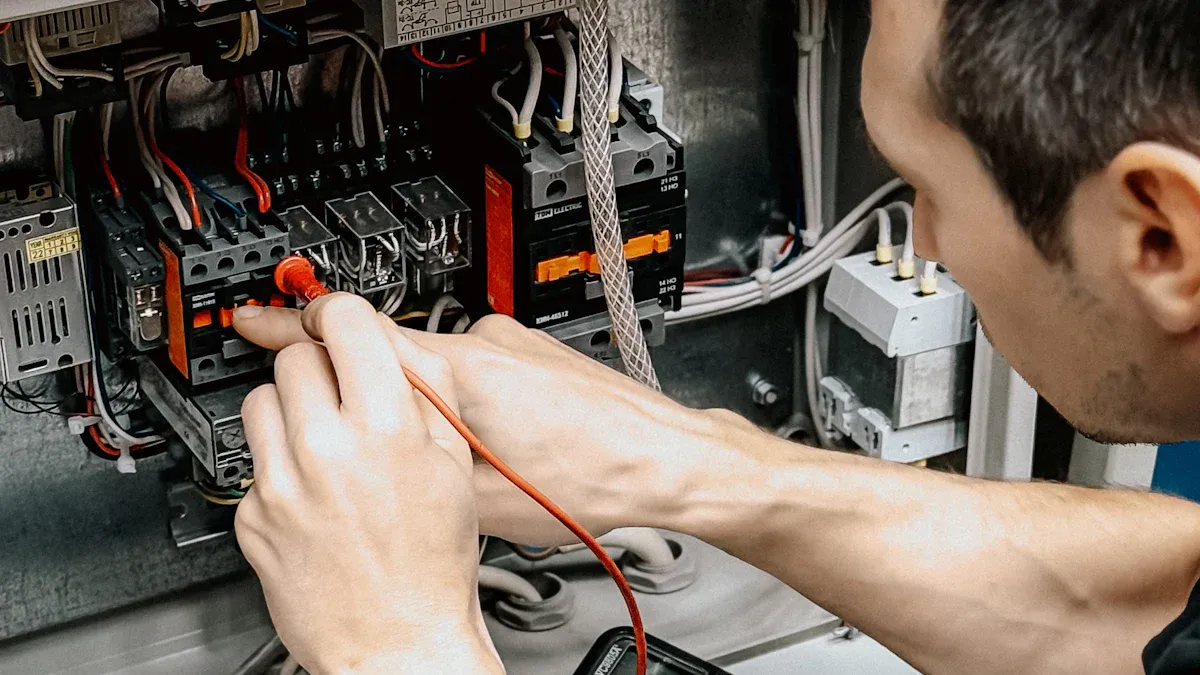
Correct installation ensures a brass solenoid valve works well and lasts a long time. Engineers must ensure proper electrical connections. They adhere to the valve’s voltage and power specifications. This prevents damage or fire. Gather all necessary tools and supplies. Verify the valve’s pressure, voltage, and flow rate match system specifications before installation. Install the valve in the correct orientation. The flow direction must match the indicator. Vertical installation with the coil upward reduces contaminant risk and extends life. Clean the piping system thoroughly. Remove contaminants and debris before installing the valve. Tighten all connections securely to prevent leaks. Avoid overtightening to prevent damage to threads and seals. Mount the valve with the solenoid coil vertically upright. This prevents debris accumulation. Ensure pipes are well-supported. This avoids undue stress on the valve body. Install an upstream filter. This prevents debris from entering the valve.
Routine Maintenance and Inspection
Regular maintenance prevents failures and keeps valves working. Always disconnect the power source. Depressurize the system before maintenance. Inspect the coil for cracks, burnout, or moisture. Check connections for damage or corrosion. Clean internal parts like the plunger, seal, spring, and o-ring. Remove dust and debris. Wash them in running water. Inspect internal parts for signs of swelling, cracking, or deterioration. Look for broken coils in the spring. Check for deposits or rust inside the valve. Replace small parts like o-rings if needed. Test the valve for correct function, leaks, or unusual noises. Record maintenance performed. This includes the date, type, and observations. This helps track performance and plan for the future. Establish a preventive maintenance plan. This ensures reliable solenoid valve performance.
Troubleshooting Common Issues
Sometimes, brass solenoid valves have problems. A common issue is a dead coil. The valve makes no click or buzz when powered on. This happens if the coil burns out from incorrect voltage or poor cooling. Replace the coil with one matching specifications. Loose wiring or a bad plug can cause intermittent operation. The valve works, then stops randomly. This occurs from a loose plug or corroded pins. Re-seat the connector. Trim and re-crimp wires if necessary. A stuck or dirty valve core means the valve clicks, but no fluid passes. Dust, rust, or mineral deposits cause this. Power off the valve. Remove it. Unscrew the coil. Open the valve body. Clean internal parts with alcohol. Reassemble and test. Replacement may be necessary if it remains stuck.
Choosing the correct brass solenoid valve optimizes system performance and reliability. Engineers ensure efficient and long-lasting operation by aligning the valve type with application demands. They carefully consider pressure, flow, power, and fluid characteristics for optimal selection. This careful process prevents issues and maximizes system effectiveness.
FAQ
What is the main difference between direct-acting and indirect-acting brass solenoid valves?
Direct-acting valves open or close directly with the solenoid’s force. They work at zero pressure. Indirect-acting valves use fluid pressure to assist operation. They require a minimum pressure difference to function.
Can brass solenoid valves handle all types of fluids?
No, brass solenoid valves are best for non-aggressive fluids like water. They are not suitable for acidic chemicals. Acidic fluids can cause corrosion and damage the valve. Always check fluid compatibility.
Why do some brass solenoid valves need a minimum pressure to operate?
Indirect-acting valves need a minimum pressure difference. This pressure helps move the internal diaphragm. The solenoid only opens a small pilot hole. The fluid’s pressure then opens the main valve.
Are brass solenoid valves suitable for high-temperature applications?
Brass solenoid valves have limitations in high-temperature applications. High temperatures can deform the brass. This leads to premature failure. Stainless steel valves are often better for very hot environments.
How important is fluid cleanliness for solenoid valves?
Fluid cleanliness is very important. Indirect-acting and semi-direct valves have small internal passages. Debris can clog these passages. This prevents the valve from working correctly. Filters help keep the fluid clean.