
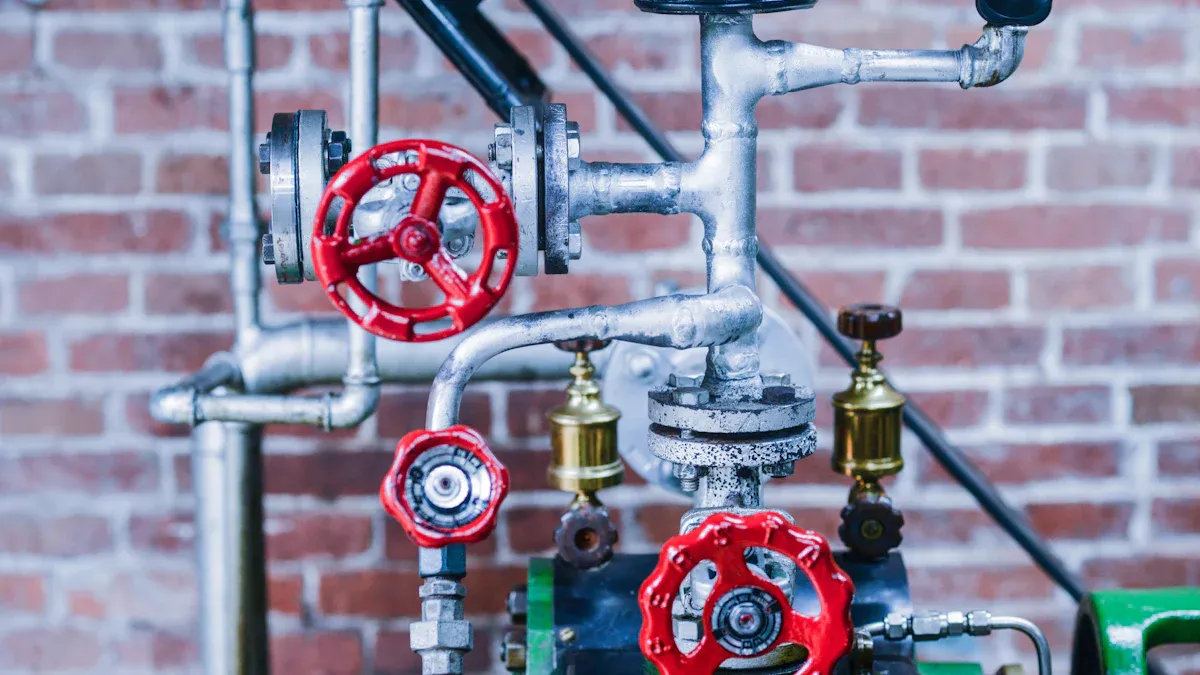
A solenoid valve is an electromechanical device that controls the flow of fluids, functioning through an electromagnetic coil that opens or closes the valve. In the realm of industrial fluid control valves, solenoid valves are essential for ensuring efficient operation across various applications, including industrial automation and HVAC systems. When considering solenoid valve application, it’s important to understand the differences between direct acting vs pilot operated types, as well as the specifics of a 2/2 way solenoid valve. Additionally, a valve material comparison can be crucial for selecting the right solenoid valve for specific industrial needs.
Key Takeaways
- Identify the right type of solenoid valve for your application, considering options like direct-acting, pilot-operated, and semi-direct acting.
- Evaluate key factors such as media type, flow rate, and pressure requirements to ensure optimal performance and reliability.
- Incorporate additional features like manual overrides and explosion-proof designs for enhanced safety and functionality.
Types of Solenoid Valves
Direct-Acting Solenoid Valves
Direct-acting solenoid valves operate without requiring a pressure difference. This feature makes them ideal for low-pressure systems. The solenoid plunger directly opens the main orifice, allowing for quick response times. Typical opening and closing times range from 10 ms to 100 ms, making them suitable for applications that demand rapid actuation.
These valves find extensive use in various industries, including:
- Gas and oil applications
- Automotive systems
- Home appliances
- Hydraulic operations
- Water treatment in reverse osmosis plants
Their ability to function effectively in smaller pipelines and low flow applications enhances their versatility.
Pilot-Operated Solenoid Valves
Pilot-operated solenoid valves utilize the media’s pressure to operate. They require a minimum inlet pressure of 5 psi to function correctly. This pressure acts on a diaphragm, which opens the main orifice. The design allows for efficient operation in high flow applications, making these valves suitable for continuous flow systems.
The advantages of pilot-operated solenoid valves include:
| Advantage | Description |
|---|---|
| Improved Efficiency | Allows for more precise air or fluid flow control, resulting in improved efficiency and reduced energy consumption. |
| Increased Safety | Manual override capability minimizes potential risks by allowing manual control of the main valve port. |
| Low Maintenance Requirements | Designed for long-term use with minimal upkeep, reducing operational costs over time. |
These valves are widely used in industrial automation, HVAC systems, and water treatment processes.
Semi-Direct Acting Solenoid Valves
Semi-direct acting solenoid valves combine features of both direct and pilot-operated types. They can operate effectively across a wide pressure spectrum, functioning at zero pressure while managing high flow rates. This versatility makes them suitable for various applications, including:
- Operating from zero bar pressure
- Managing high flow rates effectively
The design includes an upper chamber, lower chamber, and a flexible membrane, which helps in pressure equalization. This design enhances their operational range, making them ideal for applications requiring both low and high pressure.
Two-Way Solenoid Valves
Two-way solenoid valves feature two ports: an inlet and an outlet. They provide basic on/off control, allowing for straightforward flow management. These valves are commonly used in applications such as:
- Control of pneumatic actuators and cylinders in manufacturing
- Media regulation in chemical processing and HVAC systems
- Fast control for conveyor belts and robotics
The simplicity of their design allows for efficient operation in various industrial systems.
Three-Way Solenoid Valves
Three-way solenoid valves consist of three ports: a common port, an exit, and an input. They enable more complex flow control functions, such as mixing or diverting fluids. These valves are essential for managing media flow direction in various applications, including:
- Actuator positioning and cylinder cycling
- Fluid control circuits in automation processes
The internal plunger movement determines the routing of flow, allowing for precise actuation and energy efficiency.
Normally Closed vs. Normally Open Solenoid Valves
The choice between normally closed (NC) and normally open (NO) solenoid valves depends on the specific application requirements.
| Type | Default State (De-energized) | Flow Condition |
|---|---|---|
| Normally Closed (NC) | Closed | Blocks flow |
| Normally Open (NO) | Open | Allows flow |
NC valves are preferred in safety-critical applications, as they prevent flow in case of power failure. Conversely, NO valves are advantageous when pressure build-up is a concern during power loss. The energy efficiency of these valves also varies, with NC valves consuming power only when activated.
Applications of Solenoid Valves
Industrial Automation
In industrial automation, solenoid valves play a crucial role in controlling fluid flow and enhancing system efficiency. They manage pneumatic actuators and cylinders, ensuring precise operation in manufacturing processes. Solenoid valves also facilitate automation in IoT applications, allowing for real-time monitoring and control of fluid systems.
HVAC Systems
Solenoid valves significantly improve HVAC system performance. They provide precise control over fluid flow, enabling rapid response times that enhance overall efficiency. These valves optimize energy consumption, with advancements in technology improving their efficiency by up to 80%. Additionally, solenoid valves integrate seamlessly into smart HVAC systems, allowing for remote monitoring and control.
Water Treatment
In water treatment processes, solenoid valves serve multiple functions. They control flow rates, maintain pressure levels, and facilitate backwashing to remove debris from filters. The following table summarizes their key functions:
| Function | Description |
|---|---|
| Flow Control | Solenoid valves control the flow rate and can start/stop water flow at specific intervals. |
| Pressure Regulation | They maintain desired pressure levels by adjusting the valve position based on pressure changes. |
| Backwashing Facilitation | Solenoid valves manage water flow during backwashing to remove debris from filters. |
| Chemical Dosing Management | They control the dosing of disinfectants like chlorine to ensure effective treatment. |
Automotive Applications
In the automotive industry, solenoid valves are integral to various systems. They control fuel injectors, manage transmission shifters, and regulate braking systems. Key applications include:
- Automated transmission systems for precise gear shifts.
- Power steering systems that enhance steering efficiency.
- Electro-pneumatic fuel injection systems for optimal engine performance.
Medical Equipment
Solenoid valves ensure precise fluid control in medical equipment. They regulate medication doses in infusion pumps and manage airflow in ventilators. Other applications include:
- Dialysis machines that control dialysate flow.
- Automated blood analyzers that deliver accurate reagent volumes.
- Medical gas supply systems that ensure safe delivery of oxygen and other gases.
How to Choose the Right Solenoid Valve
Selecting the right solenoid valve involves careful consideration of several factors. Each factor plays a crucial role in ensuring optimal performance and reliability in various applications.
Consider the Type of Solenoid Valve
The first step in choosing a solenoid valve is to determine the type that best suits the application. Key considerations include:
- Operating Type: Decide between direct-acting and pilot-operated valves based on the pressure and flow requirements.
- Basic Factors: Evaluate valve type, electrical operation, flow medium, valve size, line pressure, ambient atmosphere, and operating temperatures.
- Common Issues: Be aware of potential problems such as over-rating pressure, two-way versus bidirectional flow, contaminated media, and incorrect voltage.
Determine the Operation Requirements
Understanding the operation requirements is essential for selecting a solenoid valve. Factors to consider include:
- Cycle Frequency: High-speed applications require solenoids with rapid response times. Slower processes can utilize valves with lower frequency responses.
- Duty Cycle: Continuous operation may benefit from lower frequency solenoids, while intermittent control can use higher frequency solenoids. This ensures accurate control of mechanical components.
Identify the Media to be Controlled
The type of media being controlled significantly impacts the choice of solenoid valve. Compatibility is crucial for effective operation. The following table summarizes media types and their compatibility details:
| Media Type | Compatibility Details |
|---|---|
| Liquids | Universal solenoid valves can handle clean water and various oils, but compatibility depends on viscosity and chemical properties. Valves must have appropriate seals for different liquids. |
| Gases | Commonly used for air and other gases like natural gas and propane, requiring careful material selection to prevent leaks and degradation. |
| Chemicals | Valves must be made from corrosion-resistant materials for handling acids, bases, and solvents to avoid damage and leaks. |
Assess Size and Pressure Needs
Size and pressure ratings are critical for the performance and safety of solenoid valves. Consider the following:
- Pressure Limits: Solenoid valves have specific pressure and temperature limits. Exceeding these limits can lead to dangerous failures.
- Flow Rate: The flow rate, indicated by the Cv value, is crucial. Undersized valves can restrict flow, while oversized valves may cause control instability.
Evaluate Environmental Conditions
Environmental factors can affect the performance of solenoid valves. Important considerations include:
- Temperature: Ensure that maximum and minimum temperatures are within the allowable range. Excessive heat can lead to overheating of the solenoid coil, causing valve failure.
- Humidity: High humidity can reduce electrical insulation, impacting reliability. In high humidity environments, opt for waterproof solenoid valves.
Select Voltage and Power Specifications
Voltage and power specifications are vital for compatibility with control systems. Key points include:
- Voltage Ratings: The voltage ratings of solenoid valve coils must match the power supply for proper operation. Using incorrect voltage can lead to poor performance or damage.
- Power Supply: A power supply that is too low may prevent the valve from opening or closing, while a power supply that is too high can cause overheating and damage to the coil.
Look for Additional Features
Additional features can enhance the functionality and safety of solenoid valves. Consider the following options:
- Explosion-Proof Design: This ensures safety in hazardous applications.
- Manual Override: This feature allows operation during emergencies when electrical signals are lost.
- Position Indicators: These show the valve’s state (open or closed).
- Pressure Relief Mechanisms: These protect against overpressure.
By carefully evaluating these factors, individuals can select the most suitable solenoid valve for their specific needs, ensuring reliable and efficient operation.
Solenoid valves are vital components in various systems, automating fluid control and enhancing efficiency. To select the right valve, consider the following key points:
- Understand your system’s requirements, including media type and flow rate.
- Choose the appropriate valve type based on application needs.
- Ensure the valve size matches flow and pressure specifications.
By following these guidelines, individuals can optimize performance and reliability in their applications.
FAQ
What is the primary function of a solenoid valve?
Solenoid valves control fluid flow in various systems, enabling automated on/off operation through electromagnetic mechanisms.
How do I maintain a solenoid valve?
Regularly inspect for leaks, clean the valve, and ensure proper electrical connections to maintain optimal performance.
Can solenoid valves handle corrosive fluids?
Yes, but ensure compatibility by selecting valves made from corrosion-resistant materials suitable for specific chemicals.