

Sourcing reliable solenoid valves from China presents unique challenges. The global solenoid valve market, valued at USD 4.99 billion in 2024 and projected to reach USD 5.98 billion by 2032, highlights its significance. A well-chosen 2-way solenoid valve supplier offers a strategic advantage. This guide provides a clear roadmap for securing the best partnership, whether for a stainless steel solenoid valve or a high pressure solenoid valve. Reputable manufacturers, such as Ningbo SENYA, demonstrate essential expertise in this field.
Key Takeaways
- Define your needs clearly. Look for suppliers with good quality standards and strong research abilities.
- Use online platforms and trade shows to find many suppliers. Consider using a sourcing agent for help.
- Check suppliers carefully. Ask for samples, visit factories, and talk to their past customers.
- Agree on clear prices, contracts, and shipping plans. Good communication helps build strong relationships.
- Always check product quality and follow international rules. This makes sure your solenoid valves work well and last long.
Defining Your Ideal Solenoid Valve Partner
Identifying the right solenoid valve supplier requires a clear understanding of what constitutes an ideal partner. This involves evaluating several critical aspects of their operations and offerings. A thorough assessment ensures the chosen supplier aligns with specific project needs and long-term business objectives.
Essential Quality Standards and Certifications for Solenoid Valves
A reputable supplier demonstrates commitment to quality through adherence to international standards and certifications. These credentials assure product reliability and compliance with regulatory requirements across different markets. For instance, UL Certification indicates compliance with safety standards for North America, covering both the US and Canada. CE Marking is mandatory for products sold in the European Economic Area, ensuring health, safety, and environmental protection. For explosive environments, ATEX Certification is vital in the EU, while IECEx Certification provides international recognition for equipment in such atmospheres.
Other important certifications include CSA Certification for Canadian markets and NEMA Ratings, which define protection levels for electrical enclosures against environmental factors like moisture and dust. IP Ratings further specify protection against solid and liquid intrusion. Suppliers often hold certifications like ISO13849-1 for safety standards and China Compulsory Certification System (CCC) for the Chinese market.
Specific industries demand specialized certifications. For automotive applications, IATF16949:2016 is essential. Medical applications require ISO13485:2016. Beyond product-specific certifications, functional safety standards like IEC 61508 ensure reliable operation and risk reduction in industrial settings. Safety Integrity Levels (SIL), ranging from 1 to 4, measure the reliability of safety systems, with higher levels indicating greater reliability. The average probability of failure on demand (PFDavg) also helps evaluate valve failure frequency, enhancing system safety.
Assessing R&D Capabilities for Innovative Solenoid Valves
A supplier’s research and development (R&D) capabilities directly impact product innovation and quality. Strong R&D indicates a company’s ability to adapt to evolving market demands and technological advancements. An excellent product research and development team is crucial for product design, especially given the complex use and working environment of solenoid valves.
Modern enterprises rely on strong self-service R&D and innovation capabilities for competitiveness. These capabilities allow suppliers to shorten product update cycles and continuously improve product quality. Furthermore, the application of products in large-scale industrial projects demonstrates stability, reliability, and the ability to withstand actual inspections. This real-world application proves the product’s quality and the effectiveness of the supplier’s R&D efforts.
Customization and Flexibility in Solenoid Valve Manufacturing
The ability to offer customization and flexibility is a significant advantage for a solenoid valve supplier. Many applications require specific valve configurations, materials, or performance characteristics that standard off-the-shelf products cannot meet. A supplier with robust manufacturing capabilities can tailor products to precise customer specifications. This includes modifying port sizes, voltage requirements, seal materials, or even designing entirely new valve types for unique operational environments. Flexibility also extends to production volumes, allowing for both small-batch prototyping and large-scale manufacturing runs. This adaptability ensures that the supplier can meet diverse project demands, from niche applications to high-volume industrial needs.
Post-Purchase Support and Warranty for Solenoid Valves
Excellent post-purchase support and a clear warranty policy are crucial for any solenoid valve supplier. A manufacturer that prioritizes customer satisfaction provides comprehensive support. This support ranges from technical advice to responsive service for any issues that arise post-purchase. Suppliers offer various services to assist customers after a purchase. These services include troubleshooting guides to help users understand valve function and address common issues. They also provide instructions on how to service specific valve types. Information regarding warranties and returns is readily available, ensuring transparency and customer confidence.
Customers benefit from expert engineering support, which helps them resolve complex technical challenges. Suppliers also aim for fast turnaround times when addressing inquiries or service requests. Knowledgeable sales engineers are available for questions and to assist with custom solutions. This level of support ensures smooth operation and minimizes downtime for the end-user. A robust warranty policy protects the buyer against defects and ensures product longevity.
Industry-Specific Expertise in Solenoid Valve Applications
A supplier’s industry-specific expertise is invaluable when selecting solenoid valves. Different industries have unique requirements and operating conditions for these components. A supplier with deep knowledge understands these nuances. For example, the automotive industry demands valves that withstand extreme temperatures and vibrations. The medical sector requires sterile, precise, and highly reliable valves for critical applications. HVAC systems need valves optimized for fluid control in heating and cooling processes.
Suppliers who specialize in certain sectors can offer tailored solutions. They understand the regulatory compliance, performance standards, and environmental factors specific to each industry. This expertise allows them to recommend the most suitable valve types, materials, and configurations. They can also anticipate potential challenges and provide proactive solutions. Partnering with such a supplier ensures that the chosen solenoid valves integrate seamlessly into specific applications, performing optimally and reliably.
Understanding Pricing Models for Solenoid Valves
Understanding the pricing models for solenoid valves helps buyers make informed decisions. Suppliers often offer various pricing structures based on quantity, customization, and relationship. Special pricing is available for volume buyers, Original Equipment Manufacturers (OEMs), and resellers. For bulk orders or to inquire about special pricing, customers should contact the supplier directly.
Suppliers typically use tiered pricing, where the unit price decreases as the order quantity increases. For example, a supplier might offer the following structure:
| Quantity (pieces) | Price (SG$) |
|---|---|
| 2 – 499 | 11.79 |
| >= 500 | 10.76 |
Some suppliers also offer specific bulk pricing. For instance, certain solenoid valves might be available at $172.50 for bulk purchases. Beyond unit cost, buyers should consider other factors. These factors include shipping costs, potential tariffs, and any additional charges for customization or expedited delivery. A clear understanding of the total cost of ownership helps in evaluating different supplier proposals.
Strategic Identification of Solenoid Valve Suppliers

Identifying potential solenoid valve suppliers requires a systematic approach. Businesses can leverage various channels to discover manufacturers that align with their specific needs. This strategic identification process ensures a comprehensive search and helps narrow down suitable partners.
Leveraging Online B2B Platforms for Solenoid Valves
Online B2B platforms offer an efficient way to connect with numerous Chinese suppliers. Alibaba stands out as an effective platform for finding manufacturers of solenoid valves. It provides a vast directory where buyers can explore various options. For example, Ningbo Kailing Pneumatic Co., Ltd., operating since 2007, holds a 5.0/5.0 review score on Alibaba. Ningbo Fenghua Ningmao Pneumatic Component Factory, with 16 years in business, demonstrates deep industry roots. Guangdong Kyk Technology Co., Ltd. boasts nine years of experience, CE and RoHS compliance, and 100% on-time delivery. Sichuan Jiyang Electromechanical Equipment Manufacturing Co., Ltd., a five-year-old company, shows a 49% reorder rate and a response time of two hours or less. These examples highlight the diversity and reliability available through such platforms.
Exploring Industry Trade Shows for Solenoid Valve Manufacturers
Industry trade shows provide invaluable opportunities for direct engagement with solenoid valve manufacturers. These events allow buyers to inspect products firsthand, discuss technical specifications, and build relationships. SMC Corporation of America frequently exhibits at major shows like Pack Expo, PowerGen International, and Rockwell Automation Fair, showcasing their solenoid valve manifolds and other pneumatic solutions. International trade fairs such as Valve World Expo focus specifically on industrial valves. Upcoming events include Valve World Calgary Expo & Conference in June 2026, Valve World Expo India in June 2026, and Valve World Americas Expo & Conference in June 2027. Attending these shows offers a comprehensive view of the latest innovations and supplier capabilities.
Utilizing Sourcing Agents for Solenoid Valves in China
Sourcing agents in China offer specialized expertise for identifying and vetting suppliers. These agents possess local market knowledge, language proficiency, and established networks. They can streamline the search process, negotiate terms, and conduct initial due diligence on behalf of the buyer. A reputable sourcing agent understands the intricacies of the Chinese manufacturing landscape. They help mitigate risks associated with international procurement. This approach proves particularly beneficial for companies new to sourcing from China or those with limited resources for direct engagement.
Direct Outreach to Solenoid Valve Manufacturers
Directly contacting solenoid valve manufacturers offers distinct advantages. This method allows for unfiltered communication. Buyers gain a deeper understanding of a supplier’s capabilities. It also often leads to more favorable pricing structures. Companies can establish a direct relationship with the production source. This direct connection fosters trust and transparency.
Identifying suitable manufacturers for direct outreach involves several steps. Buyers can explore company websites. Many manufacturers maintain comprehensive online presences. These sites showcase their product lines and certifications. Industry-specific directories also list numerous manufacturers. Previous contacts from trade shows provide valuable leads. These resources help compile a list of potential partners.
The initial contact process requires clarity. Buyers should prepare detailed inquiries. These inquiries must include specific technical specifications for the required solenoid valves. Providing clear requirements from the outset streamlines communication. It helps manufacturers understand the project scope. This clarity ensures accurate quotations and product recommendations.
Building a direct relationship is crucial. Regular communication helps maintain this connection. It allows for discussions about product development or order adjustments. Direct engagement minimizes misunderstandings. It also facilitates quicker problem resolution. This approach often results in stronger, more reliable partnerships. Manufacturers appreciate direct feedback. This feedback helps them improve their offerings.
Tip: When reaching out directly, always prepare a concise introduction of your company and your specific solenoid valve needs. This helps manufacturers quickly assess compatibility.
Direct outreach empowers buyers. They can negotiate terms directly. They gain insights into manufacturing processes. This method provides greater control over the sourcing journey. It ensures alignment between buyer needs and supplier capabilities.
Comprehensive Vetting of Solenoid Valve Suppliers
Thoroughly vetting potential solenoid valve suppliers is a critical step in securing a reliable partnership. This process moves beyond initial identification, delving into the operational capabilities, quality assurances, and responsiveness of each candidate. A comprehensive vetting strategy minimizes risks and ensures the chosen supplier can consistently meet specific demands.
Initial Communication and Inquiry for Solenoid Valves
The initial communication with a potential supplier sets the foundation for the entire relationship. Buyers must prepare detailed inquiries to gather essential information. This initial outreach should clearly outline specific technical requirements for the valve. It should also describe the application environment where the valve will operate. Providing an estimated budget for the project helps suppliers offer relevant solutions. Buyers must list any necessary industry certifications the valves require. They should also outline the expected after-sales services.
When contacting manufacturers, buyers should inquire about several key areas:
- Custom Valve Designs: Ask if the manufacturer can customize valves for specific fluid types, temperatures, or pressures. This ensures they can meet unique operational needs.
- Engineering Support: Determine if experienced engineers are available to collaborate on optimizing valves for your system. This indicates a commitment to technical partnership.
Furthermore, buyers should investigate the supplier’s overall capabilities. Inquire about their R&D capabilities and engineering experience. Ask about their ability to provide technical drawings and custom design options. This reveals their technological strength and customization potential. Understand their production and quality control processes. Ask about factory size, equipment, and workforce. Clarify their quality assurance procedures. This provides insight into their manufacturing standards. Discuss their delivery and supply chain management. Understand their production methods and how they handle urgent orders. Inquire about their strategies for managing supply chain disruptions. Finally, confirm the availability of after-sales support. This includes advice, troubleshooting, spare parts, and long-term maintenance.
Requesting Samples and Prototypes of Solenoid Valves
Requesting samples and prototypes is an indispensable part of the vetting process. This step allows buyers to physically inspect the product quality and verify performance claims. A sample provides tangible evidence of the manufacturer’s craftsmanship and material quality. Buyers can assess the valve’s construction, finish, and adherence to specified dimensions. Testing a prototype in a simulated or actual application environment offers crucial insights. This testing helps confirm the valve’s functionality, durability, and compatibility with existing systems. It also identifies potential design flaws or performance issues before committing to a large order. Suppliers willing to provide samples demonstrate confidence in their products. This also shows their commitment to transparency.
Conducting Factory Audits for Solenoid Valve Production
Conducting factory audits provides an in-depth look into a supplier’s manufacturing operations. This on-site inspection allows buyers to assess production capabilities, quality control systems, and overall operational efficiency. An audit typically covers several key areas. It evaluates the factory’s infrastructure, including machinery, equipment, and facility maintenance. Auditors review quality management systems, such as ISO certifications and internal quality checks. They examine production processes, from raw material inspection to final product assembly and testing. Assessing worker qualifications and training programs is also crucial. A factory audit helps verify compliance with industry standards and ethical labor practices. It also confirms the supplier’s capacity to meet production volumes and delivery schedules. This direct observation offers invaluable assurance regarding the supplier’s reliability and capability to produce high-quality solenoid valves consistently.
Checking References and Testimonials for Solenoid Valve Suppliers
Verifying a supplier’s reputation through references and testimonials offers crucial insights into their reliability and service quality. This step validates the claims a potential supplier makes about their products and operations. It provides an objective view of their past performance. Buyers should seek references from clients who have worked with the supplier for an extended period. These long-term relationships often indicate consistent quality and strong support. Prioritize references from companies within a similar industry or those with comparable technical requirements. This ensures the feedback directly relates to your specific needs.
When contacting references, ask specific questions. Inquire about product quality, on-time delivery rates, and responsiveness to issues. Ask about the supplier’s communication effectiveness and their ability to handle complex orders. Understanding their after-sales support and warranty fulfillment is also vital. A supplier’s willingness to provide references often signals confidence in their service.
Testimonials, found on company websites or third-party platforms, offer additional perspectives. While testimonials are often curated, they can highlight specific strengths or positive experiences. Look for detailed testimonials that mention particular products or services. Cross-reference these with independent reviews on B2B platforms or industry forums. Consistent positive feedback across multiple sources strengthens a supplier’s credibility. Conversely, a pattern of negative comments or unresolved complaints should raise concerns. This comprehensive approach helps buyers make an informed decision about a supplier’s trustworthiness and capability.
Assessing Financial Stability of Solenoid Valve Companies
Evaluating a potential solenoid valve supplier’s financial stability is a critical due diligence step. A financially sound company offers greater assurance of long-term partnership and consistent supply. It minimizes risks associated with sudden operational disruptions or bankruptcy. Buyers should investigate several key indicators to gauge a company’s financial health.
First, consider the company’s operational history. A supplier with many years in business often demonstrates resilience and established market presence. Next, look for signs of consistent growth. Steady expansion suggests effective management and a strong business model. Publicly available financial records, where accessible, provide a transparent view of a company’s assets, liabilities, and profitability.
Buyers can also utilize third-party credit reporting agencies. These agencies offer detailed financial assessments and risk ratings for businesses. A favorable credit report indicates a supplier’s ability to meet financial obligations. It also reflects their capacity to invest in research and development, production upgrades, and quality control.
Conversely, certain red flags warrant caution. Unusually low pricing that seems unsustainable might indicate financial distress. Frequent changes in payment terms or requests for large upfront payments can also signal instability. High employee turnover rates or a lack of investment in facilities might suggest underlying financial issues. A financially stable supplier provides peace of mind. They can reliably fulfill orders, honor warranties, and support future product development. This stability ensures a robust and dependable supply chain for your solenoid valve needs.
Negotiating Terms for Solenoid Valve Procurement
Effective negotiation is crucial for securing favorable terms with a solenoid valve supplier. This process involves understanding pricing, establishing clear contractual agreements, and defining logistics. A well-negotiated deal ensures both cost-effectiveness and operational efficiency.
Understanding Pricing Structures for Solenoid Valves
Buyers must thoroughly understand a supplier’s pricing models. Suppliers often offer tiered pricing based on order volume. Larger quantities typically result in lower unit costs. Original Equipment Manufacturers (OEMs) and resellers may also receive special pricing. Beyond the unit price, consider additional costs. These include shipping fees, potential tariffs, and charges for customization. Expedited delivery also incurs extra costs. A comprehensive understanding of all potential expenses helps evaluate the total cost of ownership.
Crafting Contractual Agreements for Solenoid Valves
A robust contractual agreement protects both parties. It clearly outlines expectations and responsibilities. Essential clauses must define product specifications and quality standards. For instance, markings must comply with MIL-STD-130. The material is critical for shipboard systems; defects could cause serious injury or loss of life. Manufacturing, testing, and inspection must follow specific drawing numbers, such as NAWC Lakehurst drawing number 80020, 6544C079, Revision H. The contractor is responsible for providing all necessary manufacturing and testing equipment. Compliance with MIL-STD-454 and IPC/EIAJ-STD-001C is required if referenced in specifications. Packaging must adhere to MIL-STD-2073 standards. A warranty of supplies of a noncomplex nature is required, typically for 1 year after delivery, with defects reported within 45 days of discovery. Higher-level contract quality requirements are specified. Item unique identification and valuation clauses are included. Buy American-Free Trade Agreements-Balance of Payments Program clauses are applicable. Limitations on pass-through charges are specified. Government source inspection is required. A traceability notice states that if not the manufacturer, a letter or official email from the OEM confirming authorized distributorship is required.
Payment Terms and Logistics for Solenoid Valve Shipments
Clear payment terms and logistics arrangements prevent misunderstandings. Common payment structures include an upfront deposit, with the balance due upon shipment or delivery. Buyers should negotiate favorable payment schedules. Logistics terms must specify Incoterms (e.g., FOB, CIF). These terms define responsibilities for shipping costs, insurance, and customs clearance. Clearly outline shipping methods, delivery timelines, and documentation requirements. This clarity ensures smooth and predictable delivery of solenoid valves.
Establishing Clear Communication Protocols for Solenoid Valves
Establishing clear communication protocols with a solenoid valve supplier is paramount. Effective communication minimizes misunderstandings and ensures smooth operations. Buyers should define preferred communication channels early in the relationship. These channels might include email, video conferencing, or dedicated online portals. Assigning specific contact persons on both sides streamlines information exchange. This ensures that inquiries and responses reach the correct individuals promptly.
Suppliers must provide timely updates on production status and shipping schedules. Buyers should clearly articulate their expectations for response times. This helps manage project timelines effectively. When discussing technical specifications, both parties should use precise language. They should avoid ambiguity. Utilizing visual aids, such as diagrams or technical drawings, can further enhance clarity. This prevents errors in product specifications. Regular check-ins, even brief ones, help maintain an open dialogue. They also address minor issues before they escalate. A well-defined communication strategy fosters transparency and builds trust between the buyer and supplier.
Fostering Long-Term Partnerships for Solenoid Valves
Fostering long-term partnerships with solenoid valve suppliers offers significant strategic advantages. A sustained relationship builds mutual trust and understanding. This leads to more consistent product quality and improved service. Suppliers often prioritize long-term partners, offering better pricing terms and more flexible production schedules. They gain a deeper understanding of the buyer’s specific needs and evolving requirements. This allows them to proactively suggest innovative solutions or product improvements.
Buyers benefit from a stable supply chain. They reduce the time and resources spent on repeatedly vetting new suppliers. Consistent orders demonstrate commitment from the buyer’s side. This encourages the supplier to invest in the relationship. Open feedback channels are crucial for continuous improvement. Buyers should provide constructive criticism and acknowledge good performance. This collaborative approach helps both parties grow and adapt to market changes. A strong, enduring partnership with a reliable solenoid valve manufacturer like Ningbo SENYA Pneumatic Technology Co., Ltd. ensures a dependable supply of high-quality components for years to come.
Ensuring Quality and Compliance for Solenoid Valves
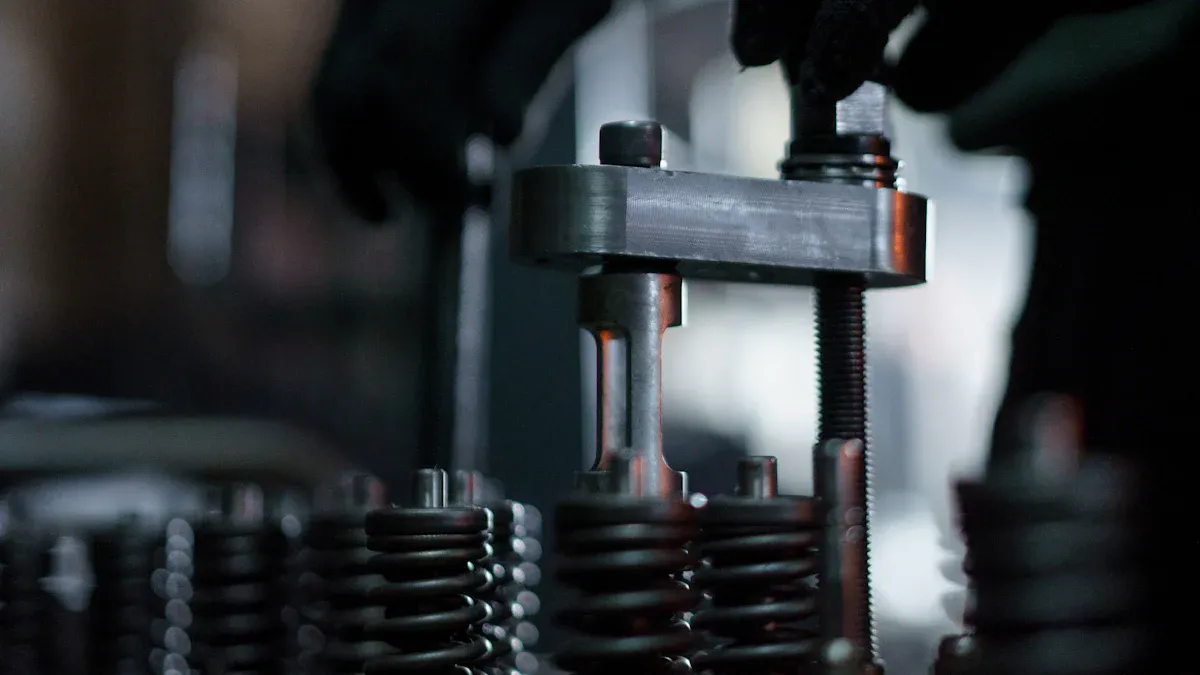
Maintaining high quality and adhering to regulatory compliance are essential when sourcing solenoid valves. These practices ensure product reliability, safety, and market acceptance. A supplier’s commitment to these areas directly impacts the performance and longevity of the components.
Implementing Robust Quality Control for Solenoid Valves
Effective quality control systems are fundamental for producing reliable solenoid valves. Suppliers must implement rigorous checks throughout the manufacturing process. This includes inspecting raw materials, monitoring production stages, and conducting final product testing. Comprehensive quality assurance protocols minimize defects and ensure consistent product performance. A strong quality control framework also involves continuous improvement processes. These processes identify and address potential issues proactively.
Adhering to International Standards for Solenoid Valves
Compliance with international standards is crucial for global market access and product safety. Various certifications and ratings demonstrate a supplier’s commitment to quality. For instance, UL Certification indicates compliance with safety standards in North America. CE Marking is mandatory for products sold in the European Union. ATEX Certification is vital for fluid control in potentially explosive environments within the EU. IECEx Certification provides international recognition for hazardous applications. NEMA Ratings and IP Ratings define protection levels for electrical enclosures against environmental factors like moisture and dust.
Specific standards also guide design and performance. ISO 5599 specifies pneumatic fluid power components, including solenoid valves. ISO 15407-1 and ISO 15407-2 apply to 5/2-way and 5/3-way valves. IEC 60529 defines degrees of protection provided by enclosures. These standards ensure product compatibility and reliability across diverse applications.
Managing Intellectual Property for Custom Solenoid Valves
Protecting intellectual property (IP) is vital, especially for custom solenoid valves. Suppliers must safeguard proprietary designs and manufacturing methods. Companies like Chengyuan Hydraulic and OMCH protect their website content, including text, images, and product descriptions, through copyright and trademark laws. Unauthorized copying or commercial use is prohibited. Chinese invention patents, such as ZL 2019 1 0095256.8 for a solenoid valve and its manufacture method, and utility model patents, like ZL 2019 2 0172925.2, offer legal protection for innovative designs. Buyers should ensure their custom designs receive similar protection.
Supply Chain Resilience for Solenoid Valve Components
A recent report indicated that 77% of companies experienced supply chain disruptions last year, underscoring the critical need for resilience in the supply chain for solenoid valve components. Businesses must proactively build robust supply chains to mitigate these challenges. Strategic shifts enhance this resilience. Companies move away from purely cost-driven supplier selection. They now prioritize reliability, geographical diversification, and risk mitigation. This holistic approach ensures a more stable supply.
Organizations actively seek and qualify new suppliers in different regions. This includes domestic sources. Such diversification reduces over-reliance on any single geographical area or vendor. Regional supply chain adjustments, particularly in the Americas and Asia-Pacific, help overcome tariff challenges and minimize disruption. They also offer tailored solutions. Re-evaluating sourcing strategies and adopting local or regional manufacturing hubs sustains supply chain agility.
Technological advancements significantly contribute to supply chain resilience. Innovations in automation, IoT, and smart sensor capabilities enhance real-time monitoring, predictive maintenance, and operational efficiency. Advancements in materials science also improve valve durability. Digital transformation, increased transparency, and automation reduce lead times. They also enhance procurement agility.
Key strategies strengthen the supply chain for solenoid valves:
- Supplier Diversification: Engaging multiple suppliers reduces risk and ensures a reliable supply. This increases reliability and offers competitive pricing. It mitigates risks from single-source reliance.
- Regional Sourcing: Implementing dual sourcing or regional sourcing strategies enhances flexibility. It also reduces lead times, maintaining production schedules.
- Data Analytics for Supply Chain Optimization: Leveraging data analytics forecasts demand and streamlines inventory management. This leads to better forecasting accuracy and reduced excess inventory.
To enhance the resilience of IIoT valve infrastructure against cyber threats, organizations implement a multi-layered security approach. This includes timely patching and firmware updates for solenoid valves and associated IIoT devices. Incident response and recovery planning are crucial. These plans involve regularly testing procedures for rapid detection, containment, and mitigation of security breaches. Establishing clear communication channels, defining roles and responsibilities, and implementing backup and recovery mechanisms further secure the infrastructure. Addressing authentication, data integrity, and network segmentation also protects these vital components.
Building Sustainable Relationships with Solenoid Valve Suppliers
Developing lasting partnerships with solenoid valve suppliers offers significant benefits. These relationships foster trust and ensure a consistent supply of quality components. They also lead to better service and more favorable terms over time.
Effective Communication Strategies for Solenoid Valve Orders
Clear communication forms the bedrock of any successful supplier relationship. Buyers establish preferred communication channels early on. These channels might include email, video calls, or dedicated online platforms. Assigning specific contact persons on both sides streamlines information flow. This ensures inquiries and responses reach the correct individuals promptly. Suppliers provide timely updates on production status and shipping schedules. Buyers clearly articulate their expectations for response times. This helps manage project timelines effectively. When discussing technical specifications, both parties use precise language. They avoid ambiguity. Visual aids, such as diagrams or technical drawings, enhance clarity. This prevents errors in product specifications. Regular check-ins, even brief ones, maintain open dialogue. They address minor issues before escalation.
Performance Monitoring of Solenoid Valve Deliveries
Monitoring supplier performance is crucial for maintaining quality and efficiency. Buyers track key metrics for solenoid valve deliveries. These metrics include on-time delivery rates and product quality. They also assess responsiveness to inquiries and problem resolution speed. Regular performance reviews help identify areas for improvement. Buyers provide constructive feedback to suppliers. This feedback helps suppliers understand expectations and adjust operations. Consistent monitoring ensures the supplier meets agreed-upon standards. It also helps maintain a reliable supply chain.
Continuous Improvement with Solenoid Valve Manufacturers
A focus on continuous improvement strengthens supplier relationships. Buyers and manufacturers collaborate to enhance processes and products. This involves sharing insights and feedback. Manufacturers can suggest product innovations or efficiency gains. Buyers provide feedback on valve performance in real-world applications. This collaborative approach drives mutual growth. It also ensures the solenoid valves meet evolving market demands. Regular discussions about future needs and technological advancements keep the partnership dynamic. This commitment to improvement benefits both parties in the long run.
Addressing Challenges in Solenoid Valve Sourcing
Sourcing solenoid valves often presents various challenges. Businesses encounter issues such as quality discrepancies, communication breakdowns, and logistical hurdles. Proactive strategies help mitigate these problems. Clear specifications from the outset reduce misunderstandings. Regular communication channels prevent misinterpretations. Diversifying the supplier base also minimizes risks. This approach ensures a more resilient supply chain.
Quality control remains a primary concern. Implementing strict inspection protocols at different production stages helps. Third-party inspections provide an unbiased assessment of product quality. Buyers should also conduct thorough factory audits. These audits verify a supplier’s adherence to quality standards. They ensure consistent manufacturing practices.
Logistical complexities can delay shipments. Buyers must clearly define shipping terms and responsibilities. Working with experienced freight forwarders streamlines the process. They manage customs clearance and transportation efficiently. Establishing realistic delivery timelines also helps manage expectations.
Dispute resolution mechanisms are crucial. They provide a framework for addressing disagreements. A well-defined process protects both parties. It ensures fair and timely conflict resolution.
The terms of use for Solenoid Valves Depot outline a specific process for legal disputes. Any dispute, controversy, or claim arising from the agreement will be resolved through arbitration. This arbitration follows the JAMS International Arbitration Rules. A single arbitrator conducts the proceedings. The arbitration takes place in Kennesaw, GA, United States. It is conducted in English. The unsuccessful party bears the costs of arbitration. These costs include arbitrator fees, travel expenses, and legal fees for the successful party. Parties must maintain the confidentiality of the arbitration proceedings and the award. This confidentiality applies unless necessary for the arbitration process or required by law.
Buyers should include similar arbitration clauses in their contracts. This ensures a structured approach to resolving conflicts. It avoids lengthy and costly litigation. Building strong relationships with suppliers also helps. Trust and mutual respect often prevent disputes from escalating.
A strategic approach is paramount for sourcing solenoid valves. Businesses must carefully define their needs and vet potential partners. Building strong, reliable partnerships ensures consistent quality and support. This comprehensive guide provides a clear path. It helps achieve successful procurement in China. Following these steps leads to dependable and efficient supply chains.
FAQ
What certifications should buyers look for in a solenoid valve supplier?
Buyers should seek suppliers holding UL, CE, ATEX, and IECEx certifications. These credentials confirm safety and compliance with international standards. ISO 9001 and industry-specific certifications, such as IATF16949, also demonstrate a commitment to quality.
How does a supplier’s R&D capability benefit a buyer’s project?
Strong R&D capabilities enable suppliers to innovate and adapt products. They develop custom solutions for unique applications. This ensures high-quality, cutting-edge solenoid valves that meet evolving market demands and specific project requirements.
What is the best way to verify a Chinese solenoid valve supplier’s quality?
Buyers verify quality through factory audits, requesting product samples, and checking client references. Implementing robust quality control throughout the manufacturing process is also crucial. Third-party inspections provide an unbiased assessment of product standards.
Tip: Always test samples in your specific application environment to confirm performance.
Why should buyers consider a long-term partnership with a solenoid valve supplier?
Long-term partnerships build trust and ensure consistent product quality. Suppliers often offer better pricing and flexible production schedules. They gain a deeper understanding of specific needs, leading to innovative solutions and a stable supply chain.