
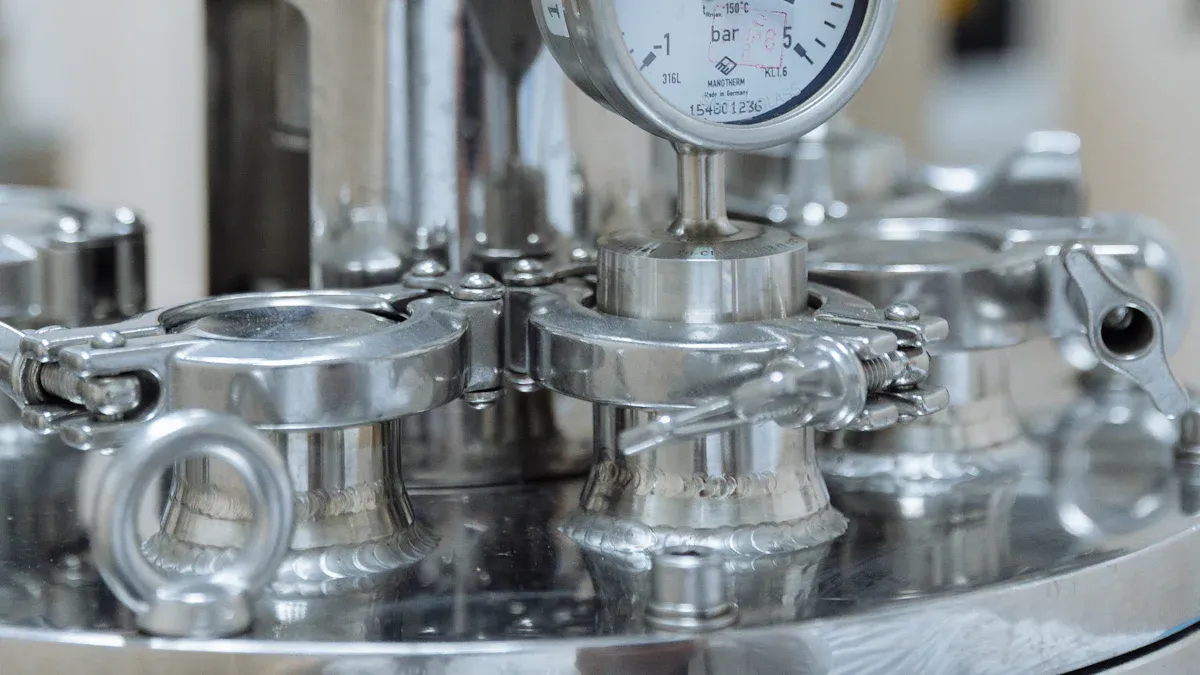
2/2 Ways Solenoid Valve designs offer precise control. These valves manage fluid flow with a simple on/off mechanism. A 2 Way Solenoid Valve rapidly switches between open and closed states. This allows for exact fluid management. This direct control is vital for many systems. For instance, a 24V DC Solenoid Valve provides critical precision in various devices. A High Pressure Solenoid Valve also relies on this exact switching. This precision is important for applications like Automatic Door Controllers. Understanding how to maintain them, such as knowing How to Clean a Solenoid Valve, helps ensure their consistent performance.
Key Takeaways
- 2/2 way solenoid valves control fluid flow. They turn fluid flow completely on or off. This gives exact control.
- These valves respond very fast. They switch between open and closed quickly. This helps systems make immediate changes.
- Key parts like the coil and plunger make the valve work. The valve body and seals also help. They ensure the valve works well and does not leak.
- Valves can be normally closed or normally open. Normally closed valves block fluid when off. Normally open valves let fluid flow when off.
- These valves are used in many places. They are in medical devices, factory machines, and automatic doors. They help control things precisely.
The Fundamental On/Off Control for Precision
Direct Fluid Pathway Management
2/2 way solenoid valves directly manage fluid pathways. They either fully open or fully close a path. This simple action provides clear control. When the valve is open, fluid flows freely. When it is closed, fluid stops completely. This direct management prevents partial flow. It ensures that the system receives the exact amount of fluid needed. This precise control is essential for many applications. For example, in a chemical dosing system, exact fluid amounts are critical. The valve’s ability to fully open or close ensures accuracy. This binary operation leaves no room for ambiguity. It guarantees a consistent and predictable outcome for fluid delivery.
Rapid Response and Switching Accuracy
Solenoid valves offer rapid response times. They switch between open and closed states very quickly. This speed is often measured in milliseconds. This quick action is important for systems needing immediate changes in fluid flow. For instance, automated irrigation systems benefit from this speed. Industrial processes also rely on fast switching. The valve’s ability to actuate quickly ensures precise timing. This rapid response prevents delays in fluid delivery. It also helps maintain stable system conditions. The accuracy of these switches means the valve reliably performs its function every time. This consistent performance contributes to overall system precision. Solenoid valves are known for their rapid actuation. They transition between states within milliseconds. This quick response is vital for applications demanding immediate fluid flow control. These include automated irrigation or industrial processes. The valve’s consistent and accurate switching ensures reliable operation.
Key Components Enabling Precise Operation
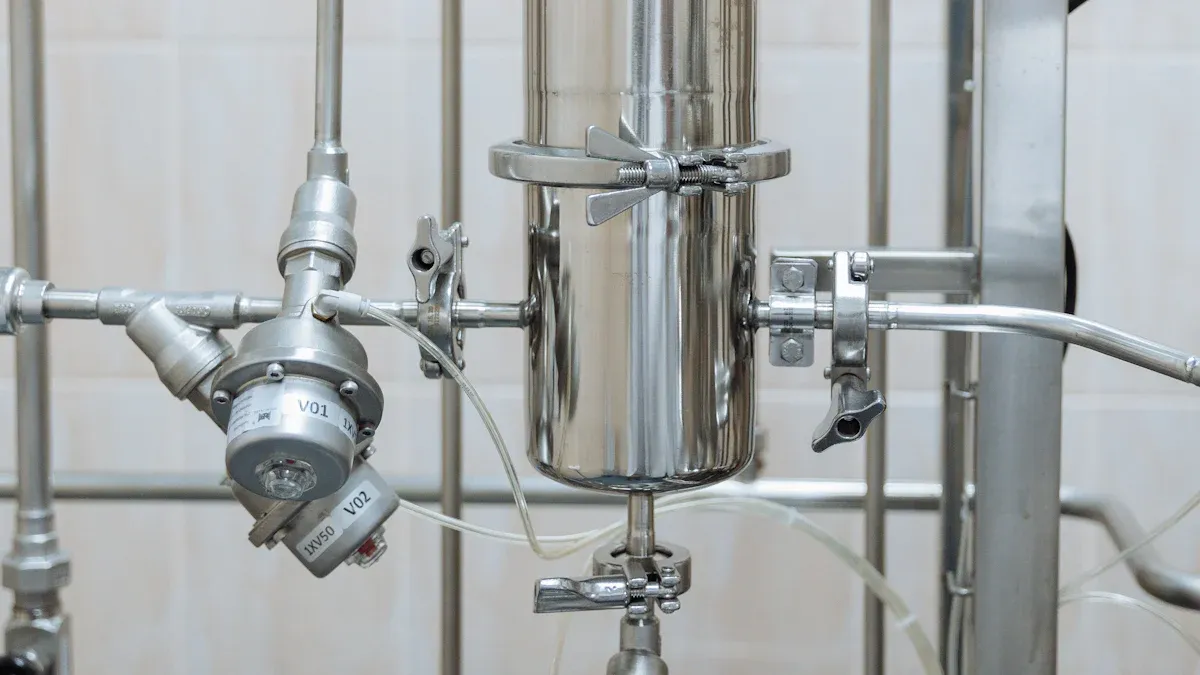
Solenoid Coil and Plunger Mechanism
The solenoid coil and plunger mechanism forms the core of a 2/2 way valve. The coil creates a magnetic field when electricity flows through it. This field pulls the plunger, which then opens or closes the valve. Manufacturers use advanced materials for these coils. For example, copper-clad aluminum windings improve reliability and efficiency. High-temperature insulation coatings also enhance performance. Smart materials and nanocomposites increase heat resistance. This allows for more power and reduces energy loss. The precise movement of the plunger ensures accurate fluid control.
Valve Body and Orifice Design
The valve body houses all internal components. The orifice is a precisely sized opening inside the valve. Fluid passes through this opening. It acts as the controlled path for fluid movement. The orifice’s diameter directly affects how much fluid flows. When the valve opens, the seal lifts to expose this main orifice. Different designs optimize fluid flow. For instance, spray nozzles control the fluid’s exit pattern. Orifice restrictors are common in miniature flow control. Precision orifices ensure consistent flow. Needle valves offer very gradual adjustments for fine regulation.
Sealing Materials for Leak-Proof Control
Effective sealing prevents leaks and maintains precision. The right sealing materials ensure the valve performs reliably. For high-pressure applications, special seal technology is crucial. The design of some valves includes a welded stopper and plunger guide tube. This enhances pressure resistance and leak-tightness. FKM (Fluor rubber) is a common sealing material for specific temperature and pressure ranges, such as up to 12 bar and 140°C. Other common materials include PTFE (Teflon), EPDM, and NBR. Viton seals offer enhanced resistance in demanding high-pressure environments. Selecting the correct material ensures fluid compatibility and prevents unwanted leakage.
Working Principles: Normally Closed vs. Normally Open
Normally Closed Valve Operation
A normally closed (NC) 2/2 way solenoid valve remains closed when it receives no power. This means it blocks fluid flow by default. The valve’s internal spring holds the plunger against the orifice. This creates a tight seal. When an electrical current flows through the solenoid coil, it creates a magnetic field. This magnetic field pulls the plunger upwards. The plunger lifts away from the orifice. This action opens the valve. Fluid can then flow through the valve. When the power supply stops, the magnetic field disappears. The spring pushes the plunger back down. This closes the valve again. This design ensures fluid flow only occurs when power is actively supplied.
Normally Open Valve Operation
A normally open (NO) 2/2 way solenoid valve works in the opposite way. It remains open when it receives no power. Fluid flows freely through the valve by default. The valve’s internal spring holds the plunger away from the orifice. This keeps the fluid path clear. When an electrical current flows through the solenoid coil, it creates a magnetic field. This magnetic field pulls the plunger downwards. The plunger moves against the orifice. This action closes the valve. It stops the fluid flow. When the power supply stops, the magnetic field disappears. The spring pulls the plunger back up. This reopens the valve.
For normally open valves in continuous operation, energy efficiency is an important consideration. Valves that switch states often use more energy. This happens compared to valves that stay in one state for longer periods. Monitoring cycle patterns helps optimize efficiency. This includes checking the time it takes to switch. It also involves looking at how long the valve stays open or closed. Energy consumption at each stage is also important. To improve energy efficiency for these valves, consider adding timers. Timers activate the valve only when necessary. This prevents continuous operation. It reduces unnecessary energy use.
Electrical Signal to Mechanical Precision
The transformation from an electrical signal to mechanical precision is key for solenoid valves. An electrical signal activates the solenoid coil. This creates an electromagnetic force. This force directly controls the plunger’s movement. The plunger’s precise design ensures it moves accurately. It either fully opens or fully closes the valve. This direct link means the valve responds quickly and reliably to electrical commands. The strength of the magnetic field determines the force on the plunger. This allows for consistent and repeatable actions. Each electrical pulse results in a specific mechanical action. This ensures exact fluid control. This precise conversion makes solenoid valves highly effective in automated systems.
Applications Demanding Solenoid Valve Precision
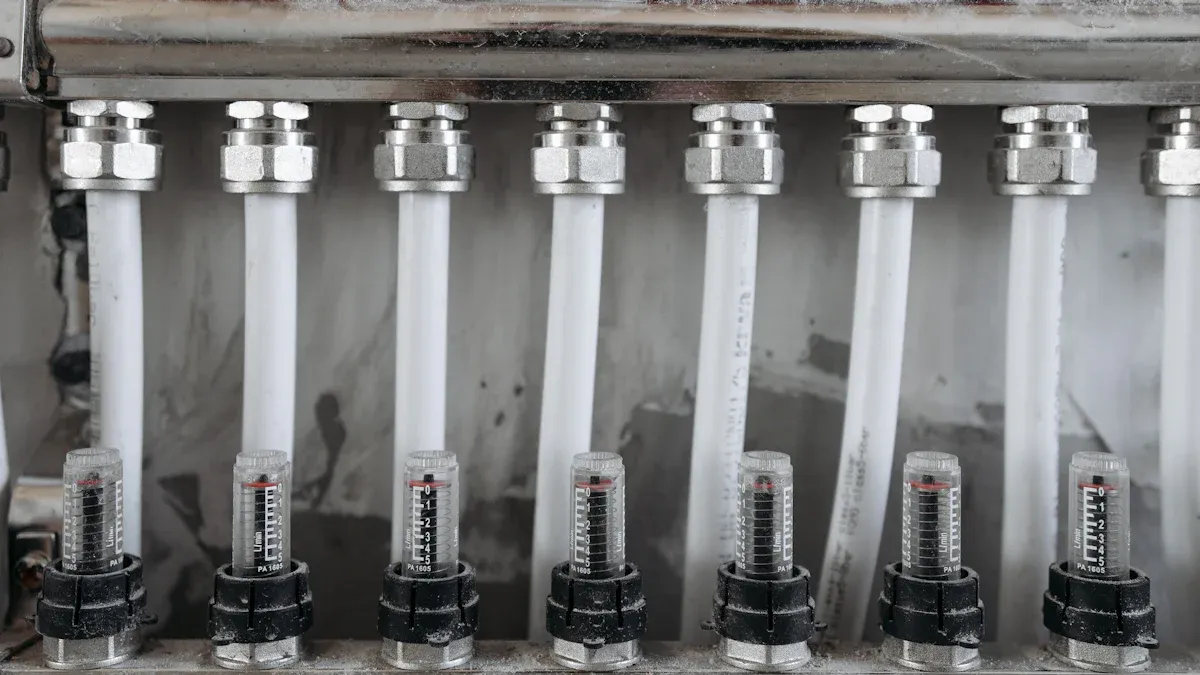
Medical Device Fluid Control
Solenoid valves are essential for precision in medical devices. They accurately manage fluid flow in diagnostic equipment and drug delivery systems. For instance, media-separated rocker solenoid valves meet strict regulatory standards. These include USP Chapter 87/88 Class VI, which ensures biocompatibility and safety. This compliance is critical for patient well-being. FKM seal options also adhere to NSF/ANSI Standard 18 for Food & Beverage Dispensing Equipment. This demonstrates their suitability for sensitive applications where fluid purity is paramount. These valves ensure exact dosing and reliable operation in critical medical procedures.
Industrial Automation Systems
Industrial automation systems heavily rely on solenoid valves for precise control. They manage pneumatic and hydraulic systems in factories. This ensures accurate movement in robotics and assembly lines. Solenoid valves enable rapid and accurate switching. This allows for precise timing in manufacturing processes. They control the flow of air, water, or other fluids. This exact control helps maintain consistent product quality. It also improves efficiency in automated production environments.
Automatic Door Controllers
Solenoid valves are crucial components for Automatic Door Controllers. They provide precise control for locking and unlocking mechanisms. Many Automatic Door Controllers use these valves. They ensure smooth and reliable operation. Solenoid valves make Automatic Door Controllers safe and efficient. Modern Automatic Door Controllers often incorporate these precise components. They are essential for the functionality of Automatic Door Controllers. These valves ensure doors open and close exactly when needed. This precision enhances both security and user convenience in various settings.
HVAC and Refrigeration Systems
Solenoid valves play a critical role in HVAC (Heating, Ventilation, and Air Conditioning) and refrigeration systems. They precisely manage the flow of various fluids. These fluids include refrigerants, water, and air. This exact control is essential for maintaining desired temperatures. It also ensures energy efficiency.
In refrigeration units, solenoid valves control the flow of refrigerant. For example, they regulate expansion valves. This helps manage the cooling process. They also handle hot gas bypass lines. This prevents evaporator icing. The valve’s ability to open and close quickly ensures stable operating conditions. This prevents temperature fluctuations.
HVAC systems also benefit from solenoid valve precision. They enable zone control in large buildings. This means different areas can have different temperatures. Solenoid valves direct hot or cold water to specific zones. They also control humidifiers. This maintains optimal indoor air quality. Furthermore, these valves are vital for defrost cycles in heat pumps. They redirect refrigerant flow to melt ice buildup.
The rapid response of these valves helps systems react quickly to changes. If a thermostat detects a temperature shift, the valve opens or closes promptly. This maintains comfort levels. Reliable sealing prevents leaks of expensive refrigerants. It also stops water from escaping. This contributes to the system’s overall efficiency and longevity. Manufacturers offer these valves in many sizes. This allows for use in small residential units or large industrial chillers. Their precise operation helps save energy and ensures consistent performance.
- Key Functions:
- Regulate refrigerant flow.
- Control water and air distribution.
- Manage defrost cycles.
- Benefits:
- Maintain stable temperatures.
- Improve energy efficiency.
- Prevent system damage.
2/2 way solenoid valves achieve precision through their inherent simplicity. Their direct on/off control mechanism is central to this accuracy. Reliable switching ensures accurate fluid management across many applications. A robust design and rapid response significantly contribute to consistent performance. These valves provide exact control, making them vital for diverse systems.
FAQ
What does “2/2 way” mean for a solenoid valve?
A “2/2 way” valve has two ports and two states. It can be either fully open or fully closed. This design allows for simple on/off control of fluid flow. It provides direct management of the fluid pathway.
How do 2/2 way solenoid valves achieve precision?
These valves achieve precision through rapid, direct on/off control. They switch quickly between open and closed states. This ensures exact fluid management. The precise movement of the plunger guarantees accurate flow or complete stoppage.
What is the difference between normally closed and normally open valves?
A normally closed valve blocks fluid flow when unpowered. It opens when it receives electricity. A normally open valve allows fluid flow when unpowered. It closes when it receives electricity.
Where are 2/2 way solenoid valves commonly used for precision?
They are common in medical devices for exact fluid dosing. Industrial automation systems use them for precise control of machinery. HVAC systems also rely on them to manage refrigerant and water flow accurately. 💡
Can sealing materials affect valve precision?
Yes, sealing materials are crucial. The correct material prevents leaks. It ensures the valve maintains its seal under specific pressures and temperatures. This leak-proof control is vital for consistent and precise operation.