
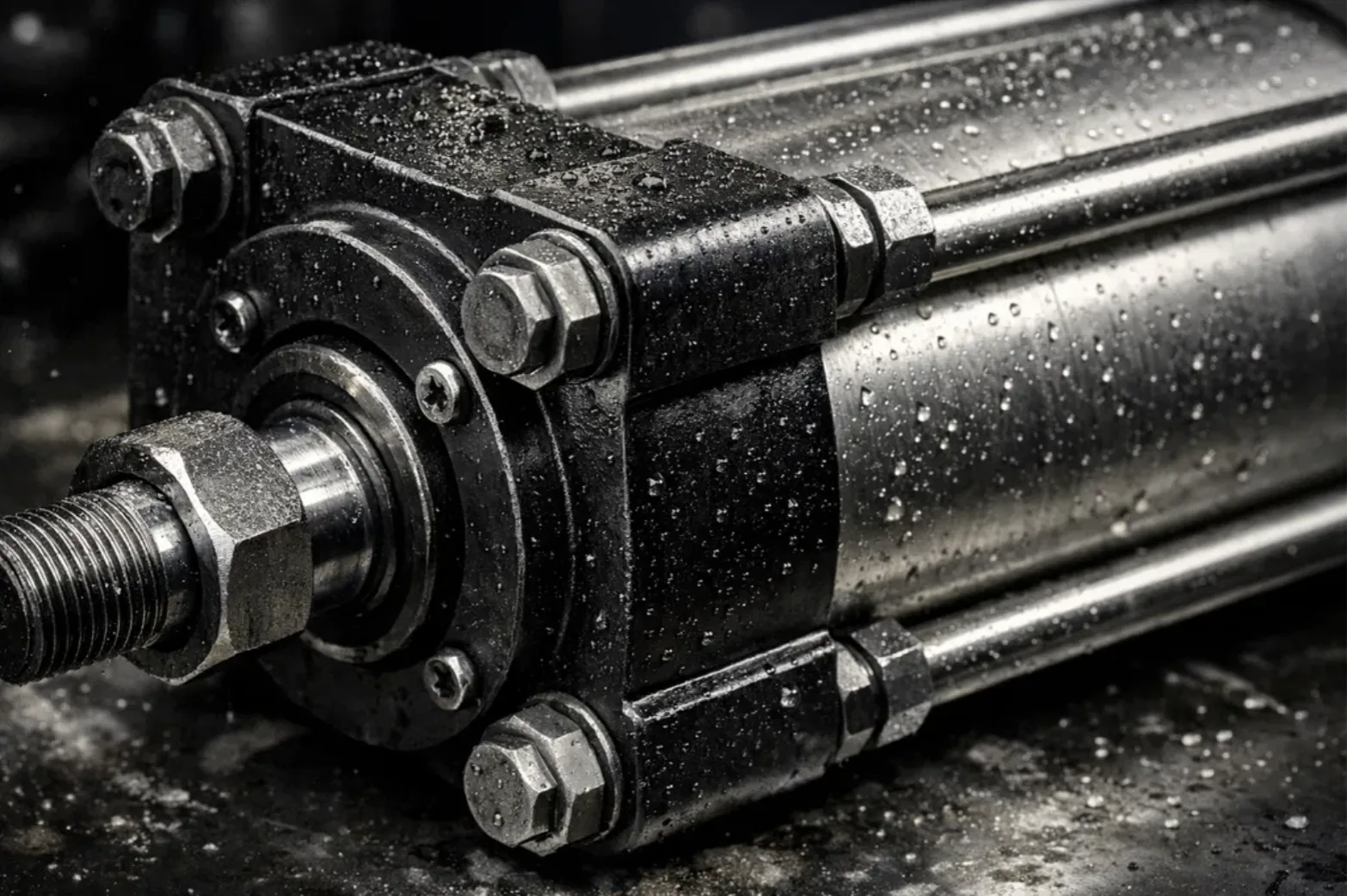
Pneumatic Cylinder Converts Air Pressure into Linear Motion
A pneumatic cylinder works by converting compressed air energy into mechanical linear motion. In industrial automation systems, pneumatic cylinders are widely used for pushing, lifting, clamping, and positioning tasks. Compared with other actuation systems, air cylinders provide fast response, clean operation, and low maintenance, making them ideal for modern manufacturing environments.
Working Principle Is Based on Controlled Air Pressure Flow
The working principle of a pneumatic cylinder relies on compressed air entering the cylinder chamber through a control valve. The air pressure pushes the piston inside the cylinder, generating force and motion. In high-quality pneumatic cylinder systems, precise airflow control ensures smooth and stable operation. Advanced industrial pneumatic cylinders are designed to minimize air leakage and improve efficiency.
Direction of Motion Depends on Cylinder Type
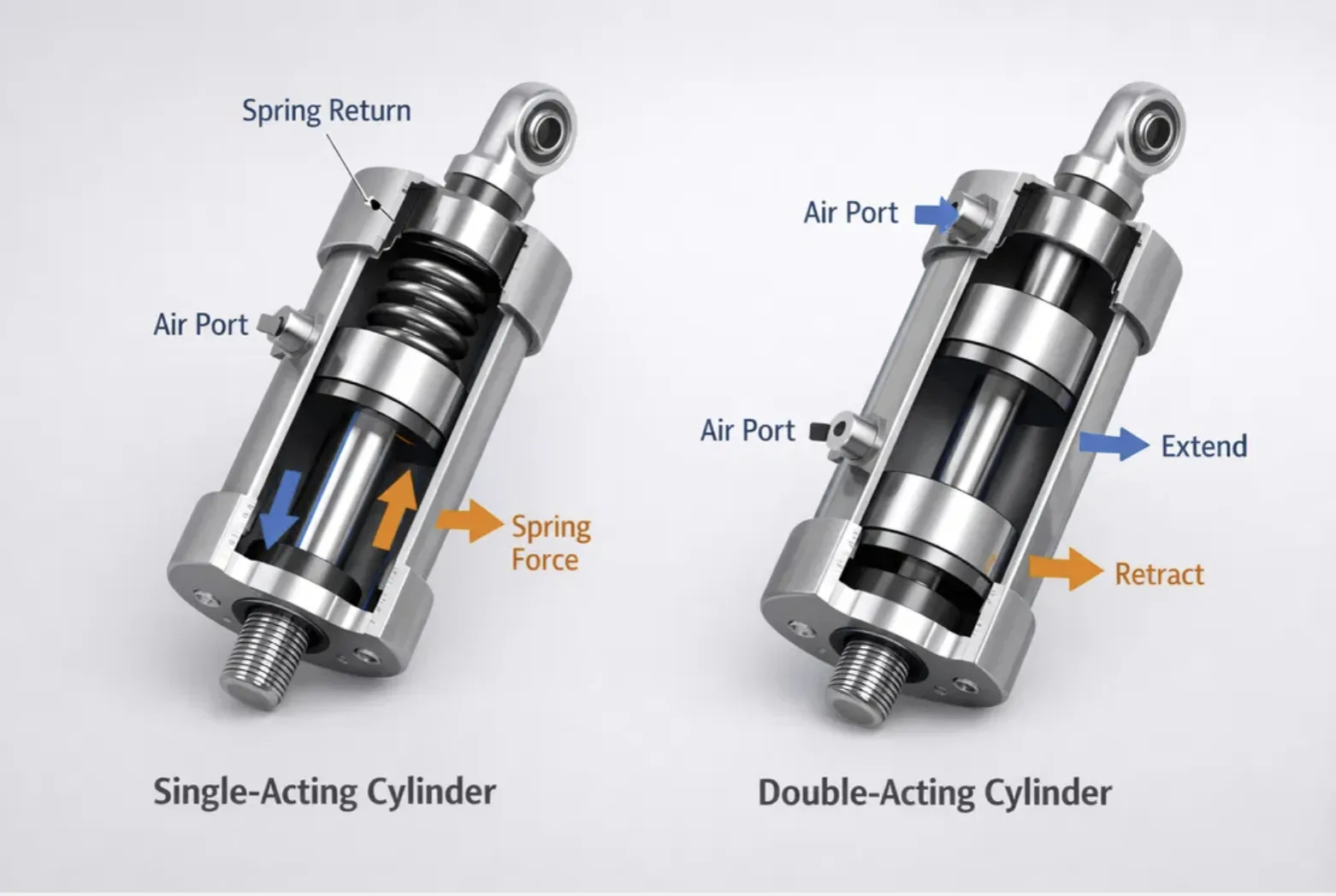
The motion of a pneumatic cylinder depends on whether it is single acting or double acting. In a single acting pneumatic cylinder, air pressure moves the piston in one direction, while a spring returns it. In a double acting pneumatic cylinder, compressed air drives the piston in both directions for greater control. Choosing the right pneumatic cylinder type is essential for achieving optimal performance in different applications.
Structural Design Ensures Performance and Durability
The performance of a pneumatic cylinder depends heavily on its structure and components. Key elements include the cylinder barrel, piston, piston rod, seals, and end caps. High-quality pneumatic cylinder design focuses on precision engineering, wear-resistant materials, and reliable sealing systems. Durable industrial air cylinders are capable of operating under high pressure and continuous cycles without performance loss.
Proper Selection Improves Efficiency and System Reliability
Selecting the right pneumatic cylinder is critical for improving overall system efficiency. Factors such as bore size, stroke length, mounting type, and operating pressure must be carefully matched to the application. Using high-performance pneumatic cylinders for automation reduces downtime and enhances productivity. Working with an experienced pneumatic component manufacturer ensures customized solutions and consistent quality.
FAQ
Q1: What is a pneumatic cylinder and how is it used in industry?
A: A pneumatic cylinder is a device that uses compressed air to generate linear motion, commonly used in automation, manufacturing, and mechanical systems.
Q2: What are the different types of pneumatic cylinders and their applications?
A: Common types include single acting, double acting, compact, and rodless cylinders, each suited for specific motion control and space requirements.
Q3: What is the difference between single acting and double acting pneumatic cylinders?
A: Single acting cylinders use air pressure in one direction with spring return, while double acting cylinders use air pressure for both extension and retraction.
Q4: How is a pneumatic cylinder structured and designed?
A: A pneumatic cylinder consists of a barrel, piston, rod, seals, and end caps, designed for smooth motion and airtight performance.
Q5: What are the main components of a pneumatic cylinder system?
A: Key components include the piston assembly, cylinder body, sealing system, air ports, and mounting elements.
Q6: How does air pressure drive motion in a pneumatic cylinder?
A: Compressed air enters the chamber, builds pressure, and pushes the piston to create controlled linear motion.
About SENYA Pneumatic
SENYA Pneumatic is a professional manufacturer specializing in pneumatic cylinders and pneumatic components, providing high-quality solutions for industrial automation systems. Our products are developed with precision machining, advanced sealing technology, and high-strength materials, ensuring excellent durability, stable performance, and long service life.
Our pneumatic cylinders are designed to deliver efficient motion control with minimal air leakage and maximum reliability, making them suitable for a wide range of industrial applications. With strong OEM and ODM capabilities, we offer customized pneumatic solutions tailored to global clients.