
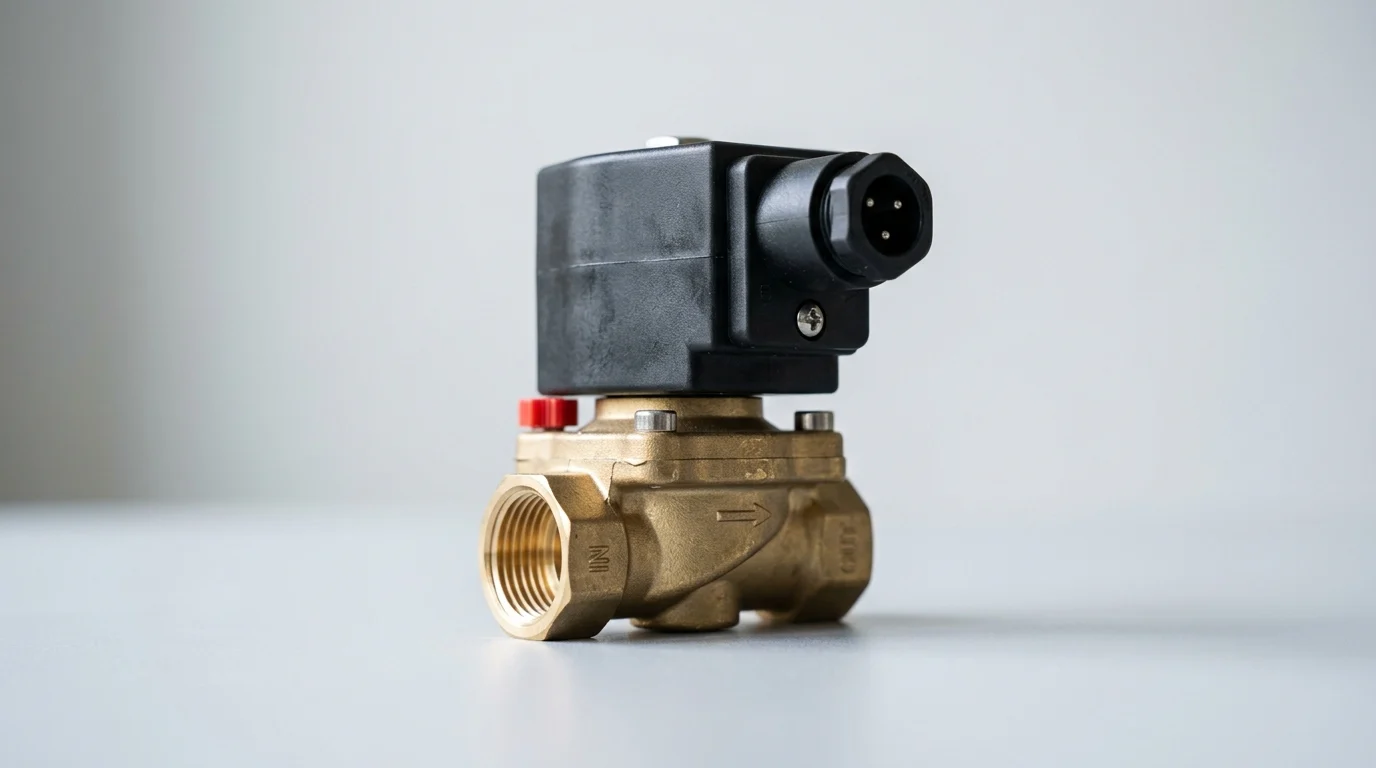
Why 2/2 Solenoid Valves Matter in Industrial Systems
In industrial fluid and gas automation, 2/2 (two-way, two-position) solenoid valves serve as the fundamental control gates for media flow. Characterized by their binary operational state—either strictly open or strictly closed—these electromechanical devices dictate the exact timing and volume of compressed air, water, steam, or specialized gases moving through a system. For procurement teams and engineering buyers, understanding the structural and operational nuances of these valves is essential for optimizing supply chains and ensuring mechanical reliability across large-scale manufacturing environments.
Impact on uptime and media control
The reliability of a 2/2 solenoid valve directly correlates to overall equipment effectiveness (OEE) and plant uptime. In high-speed automation, valve response times typically range from 10 to 50 milliseconds. A sluggish response or premature seal failure can result in media leakage, pressure drops, or synchronization errors, potentially costing facilities thousands of dollars per hour in unplanned downtime. Furthermore, high-quality valves are engineered to endure rigorous duty cycles, often exceeding 20 million actuations before requiring maintenance. Precise media control ensures that flow rates and pressure differentials—frequently operating between 0 and 1.0 MPa for standard pneumatic applications—remain stable, preventing downstream equipment damage.
Industries that depend on 2/2 valve performance
The versatility of the 2/2 solenoid valve makes it a critical SKU across diverse global sectors. In the food and beverage industry, stainless steel variants handle washdown processes and food-grade media transfers. Packaging and warehousing automation relies heavily on these valves for rapid pneumatic cylinder actuation and vacuum control. The energy sector utilizes high-pressure configurations capable of withstanding up to 4.0 MPa for fluid regulation. Environmental applications, such as industrial dust removal systems, depend on specialized pulse valves with large flow coefficients to clean filter bags efficiently. Each of these industries demands specific flow characteristics, making accurate component selection a critical supply chain priority.
How 2/2 Solenoid Valves Work
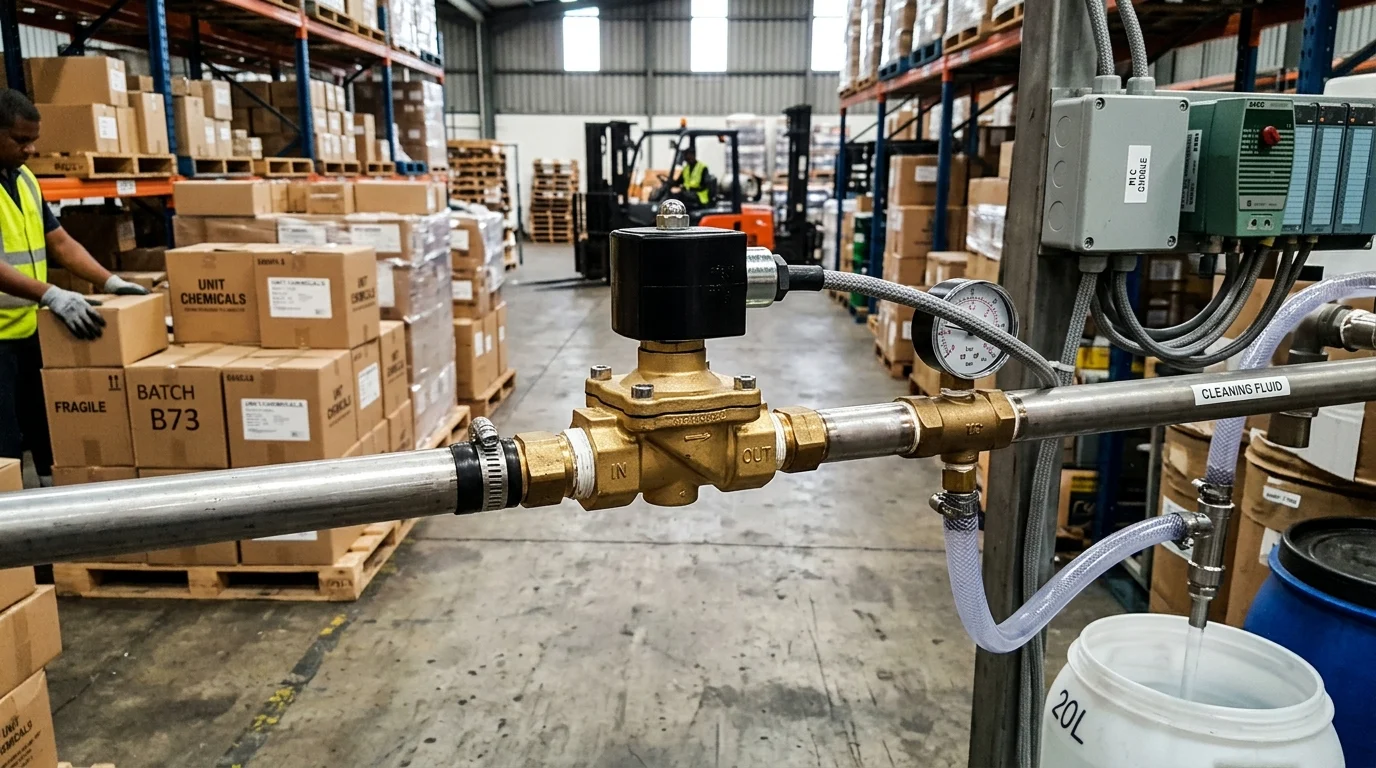
A 2/2 solenoid valve operates on a straightforward electromechanical principle: electrical energy is converted into mechanical motion to control fluid dynamics. When an electrical current passes through the solenoid coil, it generates a magnetic field. This field exerts a force on a ferrous armature (or plunger), overcoming spring tension to either open or close the primary valve orifice. The exact mechanics, however, vary significantly based on the internal design architecture.
Core operating components
The fundamental architecture of a 2/2 solenoid valve consists of several critical components. The stator, or coil, is the electrical heart of the unit, available in various standard industrial voltages such as 12V DC, 24V DC, 110V AC, and 220V AC. Coils are rated by insulation classes, with Class F (up to 155°C) and Class H (up to 180°C) being common for industrial environments. The internal armature assembly includes a stainless steel plunger and a return spring, which defaults the valve to its normal position when de-energized. Finally, the valve body and its elastomeric seals contain the media, engineered to withstand specific pressure ratings and chemical exposures.
Direct-acting vs pilot-operated designs
When selecting a 2/2 solenoid valve, buyers must differentiate between direct-acting and pilot-operated mechanisms, as this dictates the required pressure parameters for successful operation.
| Feature | Direct-Acting 2/2 Valve | Pilot-Operated 2/2 Valve |
|---|---|---|
| Operating Principle | Magnetic force directly opens/closes the main orifice. | Magnetic force opens a pilot hole; system pressure opens the main diaphragm. |
| Minimum Pressure | 0 bar (Operates in vacuums or zero-pressure gravity feeds). | Typically requires 0.3 to 0.5 bar (4.3 to 7.25 psi) differential pressure. |
| Flow Capacity (Cv/Kv) | Generally lower; restricted by the size of the plunger. | Significantly higher; utilizes line pressure to open large orifices. |
| Power Consumption | Higher (requires more magnetic force to overcome pressure). | Lower (pilot orifice requires minimal force to actuate). |
| Best Use Case | Low flow, low pressure, vacuum, or closed-loop systems. | High flow, high pressure, large-diameter pipeline networks. |
Key Specifications Buyers Should Compare
Procurement professionals must look beyond basic dimensions to evaluate the nuanced specifications that determine a valve’s lifecycle value. A strict comparative analysis of technical data, material composition, and commercial terms is required to align the component with both engineering requirements and budget constraints.
Critical technical data for selection
The baseline for comparison begins with the valve’s port size, typically ranging from 1/8″ to 2″ in standard NPT or BSPP threads, which dictates integration into existing pipework. Buyers must evaluate the Flow Coefficient (Cv) or Flow Factor (Kv) to ensure the valve can deliver the required volume without inducing an unacceptable pressure drop. Operating pressure ranges and maximum allowable pressure (MAP) must align with the system’s peak loads. Additionally, power consumption is a critical metric; standard industrial coils draw between 5W and 20W, with lower wattage preferred in dense, heat-sensitive manifolds or battery-operated remote installations.
Material options for different media
Material selection directly impacts compatibility with the controlled media. Valve bodies are predominantly machined from three materials. Brass is the industry standard for general water, air, and inert gas applications due to its cost-effectiveness and durability. Stainless steel (304 or 316) is mandated for corrosive media, aggressive chemicals, and sanitary food-grade applications. Aluminum is favored in purely pneumatic systems for its lightweight profile. Seal materials are equally critical: NBR (Nitrile) is standard for air and water between -10°C and 80°C; FKM (Viton) handles high temperatures up to 150°C and harsh chemicals; and EPDM is strictly required for steam applications, operating reliably up to 120°C.
Customization, samples, and MOQ terms
Beyond technical specs, commercial viability hinges on customization capabilities and Minimum Order Quantities (MOQs). Standard off-the-shelf brass valves may have low MOQs of 50 to 100 units, making them accessible for smaller batch runs. However, OEM modifications—such as custom coil voltages, specialized IP68 waterproof connectors, or non-standard thread pitches—often push MOQs to 500 units or higher to justify tooling and setup costs. Established manufacturers with integrated R&D, such as SENYA Pneumatic, which has been producing automation components since 1994, can typically provide customized engineering samples within a 7 to 14-day lead time, enabling buyers to validate designs before committing to bulk capital expenditure.
How to Evaluate Suppliers and Quality
Securing a high-performance 2/2 solenoid valve requires vetting the manufacturer as rigorously as the product. The consistency of fluid control components relies heavily on the supplier’s internal quality control infrastructure, machining precision, and supply chain resilience.
Factory capabilities and production capacity
A supplier’s manufacturing floor provides deep insights into their quality ceiling. Buyers should assess the level of CNC machining capabilities, as valve body tolerances must frequently be held to ±0.01 mm to ensure leak-free seal engagement. Automated coil winding and potting processes are essential to prevent electrical shorts and ensure consistent magnetic flux across batches. Production capacity is another vital indicator; a factory capable of producing 100,000 units per month is generally better positioned to absorb sudden demand spikes and maintain stable pricing through economies of scale compared to smaller assembly workshops.
Compliance, documentation, and quality records
Traceability and international compliance are non-negotiable in B2B procurement. Suppliers must provide valid CE and RoHS certifications for electrical coils to ensure market access in regions like the European Union. Facilities operating under ISO 9001:2015 frameworks demonstrate a commitment to standardized quality management. Furthermore, buyers should request data on the manufacturer’s target defect rates—top-tier suppliers maintain failure rates below 0.1%. Look for documentation on specific environmental protections, such as IP65 ratings for standard dust and water resistance, or IP67/IP68 for washdown and submersible applications.
Packaging, lead times, and spare parts support
Logistics and aftermarket support often separate adequate suppliers from strategic partners.
| Evaluation Metric | Benchmark Standard | Impact on Procurement |
|---|---|---|
| Packaging | Blister trays, anti-rust paper, reinforced export cartons. | Prevents thread damage and oxidation during ocean freight. |
| Lead Times | 25 to 35 days for standard bulk orders. | Enables accurate inventory forecasting and reduces safety stock requirements. |
| Spare Parts | Availability of replacement coils and diaphragm kits. | Lowers total cost of ownership by allowing field repairs rather than full valve replacement. |
| Warranty | 12 to 18 months from the date of shipment. | Provides financial recourse for premature batch failures. |
How to Approve the Right 2/2 Solenoid Valve
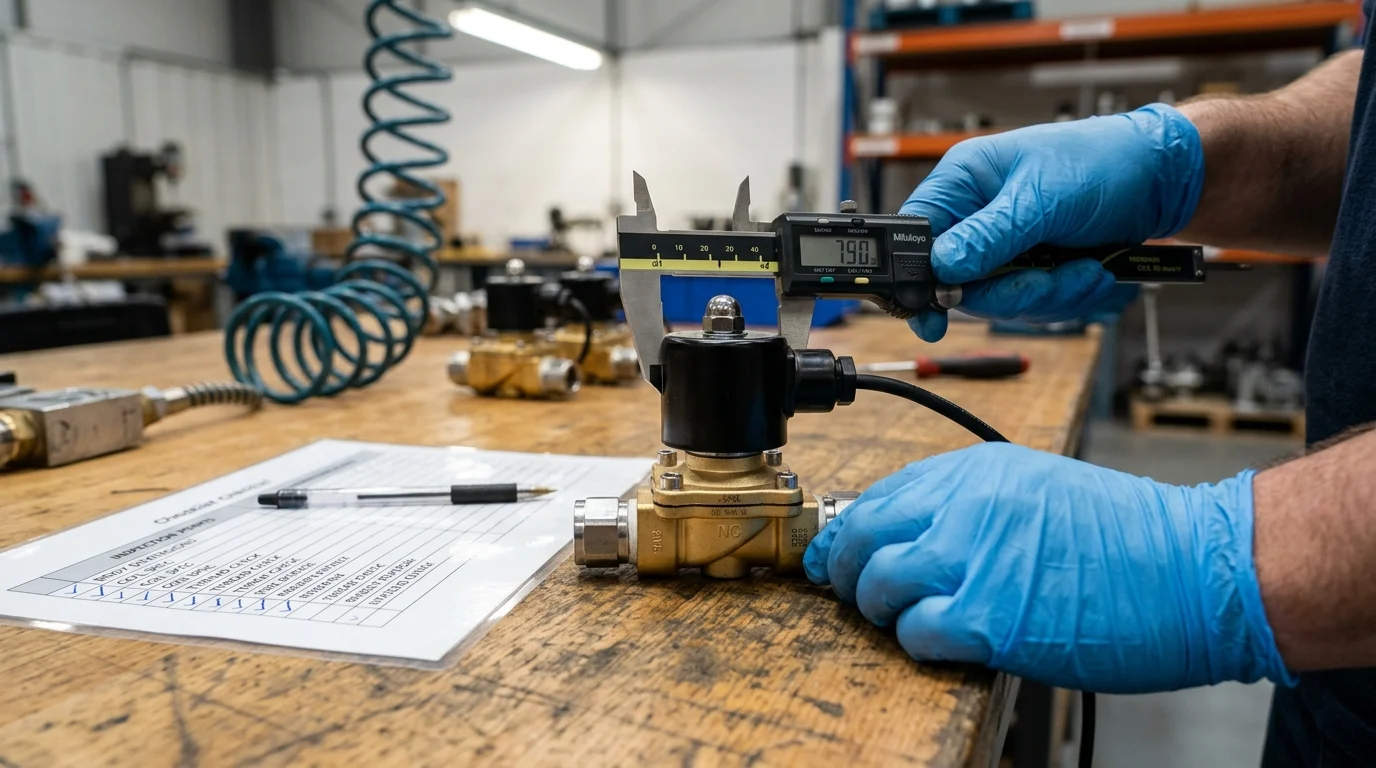
Approving a new 2/2 solenoid valve for a production line or distribution catalog is a structured risk-mitigation process. Procurement and engineering teams must collaborate to ensure the component meets performance thresholds without inflating the bill of materials.
Step-by-step qualification process
The qualification process begins with a rigorous desktop review of the supplier’s CAD files, flow charts, and material certificates. Once approved, the buyer initiates sample bench testing. This involves subjecting the valve to leakage tests at 1.5 times its maximum rated pressure and conducting a coil temperature rise test under continuous duty to verify thermal stability. If the bench tests are successful, the valve enters a field trial phase, where it is integrated into a live system or test rig and subjected to accelerated lifecycle testing—often targeted between 100,000 and 1 million cycles—to evaluate seal degradation and mechanical wear.
Balancing price and lifecycle value
The final approval hinges on a Total Cost of Ownership (TCO) analysis, balancing upfront unit price against lifecycle value. Procuring a generic valve for $15 may seem advantageous, but if its seals degrade after 500,000 cycles, the resulting maintenance labor and machine downtime will quickly erase the initial savings. Conversely, a premium valve priced at $25 that reliably delivers 5 million cycles represents a significantly lower TCO. By analyzing failure rates, maintenance intervals, and energy consumption, B2B buyers can confidently authorize 2/2 solenoid valves that optimize both operational performance and long-term procurement budgets.
Key Takeaways
- Wholesale sourcing and supply-chain implications for 2/2 Solenoid Valve
- Specifications, compliance, and commercial terms buyers should validate
- Actionable recommendations for distributors and procurement teams
Frequently Asked Questions
What does “2/2” mean in a solenoid valve?
It means 2 ports and 2 positions: one inlet and one outlet, with the valve either fully open or fully closed for simple on/off flow control.
How does a 2/2 solenoid valve open and close?
When the coil is energized, it creates a magnetic field that moves the plunger to change the valve state. When power is removed, a spring returns it to normal.
When should I choose a direct-acting 2/2 solenoid valve?
Choose direct-acting for zero-pressure, vacuum, or low-flow applications. It works without minimum pressure, making it suitable for precise control in compact systems.
When is a pilot-operated 2/2 solenoid valve the better option?
Use pilot-operated models for higher flow and larger line sizes. They usually need about 0.3 to 0.5 bar pressure differential to operate reliably.
What should buyers check before ordering a 2/2 solenoid valve from SENYA?
Confirm media type, pressure range, port size, voltage, seal material, and operating environment. For OEM or harsh-duty needs, ask SENYA about customization and supply capability.