
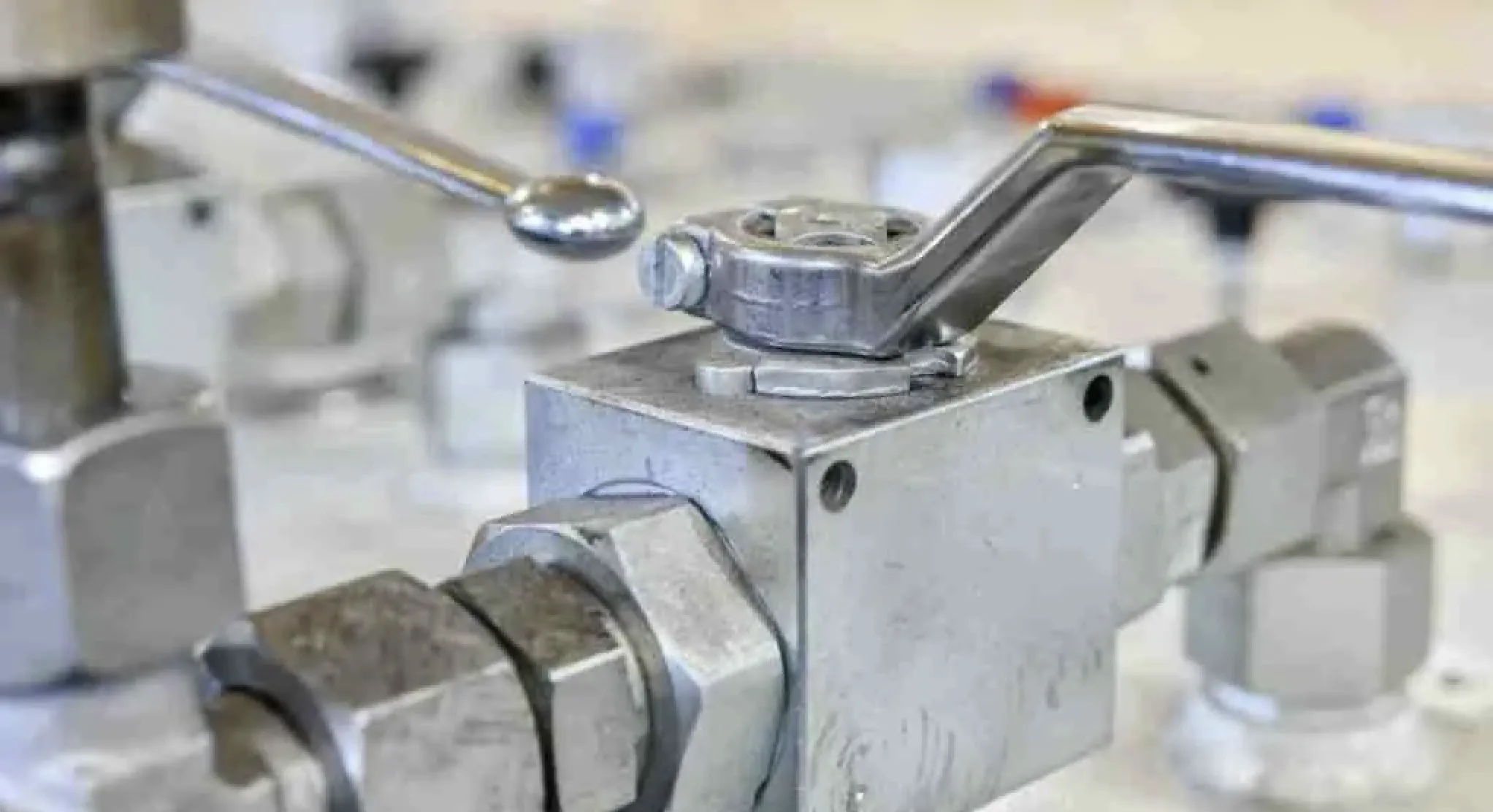
In a 24/7 high-output production environment, preventative maintenance for directional valves is the difference between profitable uptime and catastrophic system failure. As the “beating heart” of any pneumatic circuit, these valves require a structured care regimen to reach or exceed their rated lifespan of 20 million cycles. Neglecting basic hygiene can lead to costly repairs and unscheduled downtime.
Top 5 Advantages of Using High-Quality Directional Control Valves
Integrating professional-grade DCVs into your system offers several strategic benefits:
Precise Command of Actuator Motion: DCVs provide absolute control over the starting, stopping, and directional switching of air cylinders.
Modular System Isolation: In complex industrial automation layouts, these valves allow engineers to isolate specific branches for localized troubleshooting without a total system shutdown.
Critical Component Protection: They act as a safety barrier, protecting sensitive sensors and actuators from unintended reverse flows or pressure shocks.
Smart Path Management: Advanced valves enable intelligent flow routing, allowing air to bypass specific components when not in use, significantly increasing pneumatic energy efficiency.
Diagnostic Integration: Modern valves clustered into valve terminals support fieldbus protocols for real-time health monitoring.
Essential Maintenance Strategies for Pneumatic Longevity
1. Air Quality: The Factor for Extending Valve Life
The maintenance of a valve begins long before the air reaches the port—it starts at the FRL unit (Filter, Regulator, Lubricator). A directional control valve is only as reliable as the air it “breathes.” Regularly replacing filter elements ensures that abrasive particulates and liquid water do not enter the valve bore. Water is particularly destructive as it washes away factory-applied “life-time” grease, leading to dry friction and rapid seal degradation.
2. Thermal Monitoring and Electrical Integrity
For solenoid-actuated valves, heat is a primary health indicator. During routine inspections, technicians should check for discolored coils or an acrid smell—symptoms of voltage fluctuations or a jammed spool causing the coil to overheat. Ensuring that electrical connectors are tight and free of moisture prevents “ghost signals” or intermittent failures that are notoriously difficult to troubleshoot in complex PLC circuits.
3. Scheduled Replacement vs. Fix-on-Failure
High-volume manufacturers should adopt a cycle-based replacement strategy. Waiting for a valve to leak before taking action often results in secondary damage to pneumatic cylinders or product scrap. By monitoring cycle counts via the PLC, you can replace seals or valve assemblies during scheduled downtime. Maintaining an inventory of standardized pneumatic components ensures that end-of-life swaps are fast, seamless, and documented.
SENYA Pneumatic Manufacturer
As a premier pneumatic air components manufacturer, we are dedicated to providing high-standard air preparation solutions to a global clientele. Our core
product range includes high-performance FRL Units, precision Pneumatic Cylinders, fast-response Solenoid Valves, and highly reliable Pneumatic Fittings &
Tubing. With superior manufacturing processes and rigorous quality control, we provide comprehensive OEM/ODM support to ensure your pneumatic systems
maintain peak performance under any operating conditions.You can visit our website or just contact us directly!
FAQ
Q1: How often should I drain my pneumatic air filters?
A: For manual drains, check them daily. In high-production environments, we strongly recommend upgrading to automatic drains on your FRL units. This ensures that liquid water—the leading cause of valve seal failure—never reaches your directional control valves.
Q2: Can I add oil to a “lubrication-free” pneumatic valve?
A: Generally, no. Most modern high-performance solenoid valves are pre-lubricated for life. If you introduce oil via a lubricator, you must commit to it indefinitely, as the oil will dilute and wash away the original heavy-duty factory grease, making the valve dependent on external lubrication.
Q3: What causes a solenoid coil to burn out frequently?
A: The most common causes are voltage spikes or mechanical resistance. If the internal valve spool is partially jammed by debris, the coil draws more current to move it, leading to overheating and eventual burnout. Always verify that your power supply matches the coil specifications.