
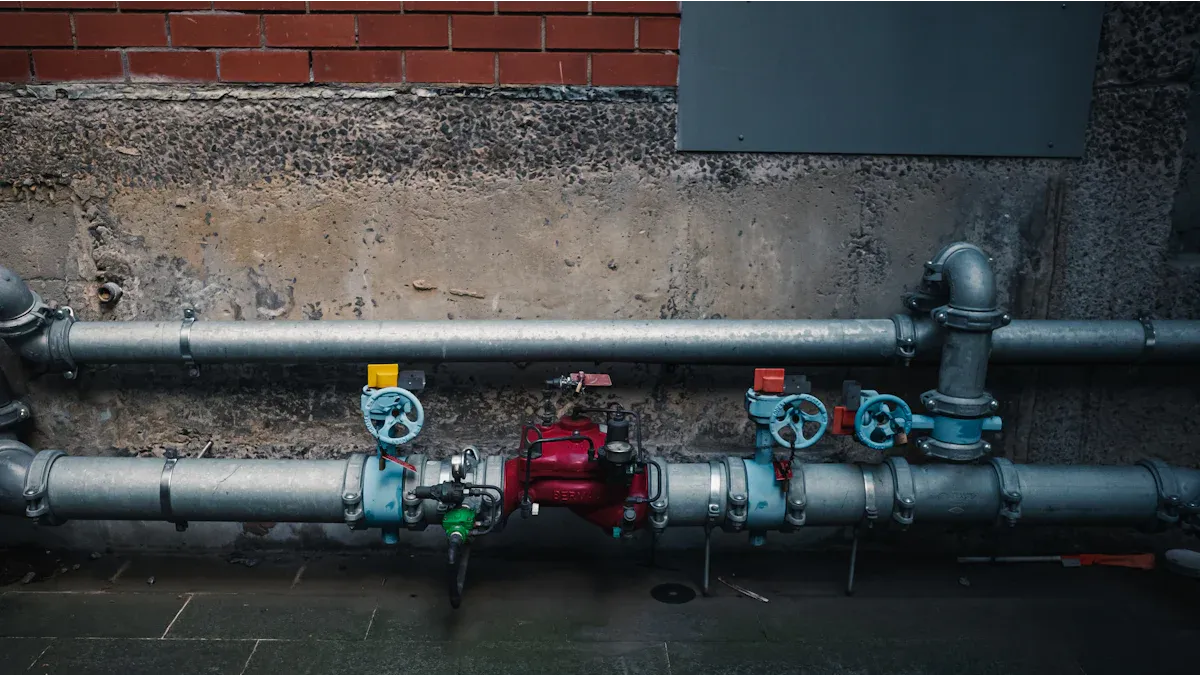
The primary difference between Normally Open (NO) and Normally Closed (NC) solenoid valves lies in their default state when unpowered. This fundamental distinction defines the solenoid valve de-energized state. Understanding what is the main difference between NO and NC solenoid valves is crucial for effective fluid control systems. The industrial solenoid valve market is substantial, reaching USD 4.99 billion in 2024. Experts project it will grow to USD 5.98 billion by 2032, showing a 2.30% CAGR. This growth highlights the importance of precise fluid control. Selecting the correct valve, whether a normally closed solenoid valve or an NO type, requires careful consideration. Engineers must assess how to choose between NO and NC solenoid valves for optimal performance. This includes understanding why NC solenoid valves are typically used in gas pipelines or in which scenarios must a normally open solenoid valve be selected.
Key Takeaways
- Normally Closed (NC) valves block fluid flow when they have no power. They are good for safety, like stopping gas flow during a power cut.
- Normally Open (NO) valves let fluid flow when they have no power. They are good for systems that need constant flow, like cooling systems during a power cut.
- NC valves save energy if they stay closed most of the time. NO valves save energy if they stay open most of the time.
- Choosing the right valve depends on what your system needs to do when power is off. This choice helps keep things safe and working well.
- Regular check-ups and maintenance help solenoid valves last longer and work correctly.
Understanding Normally Closed Solenoid Valve Operation
Default State and Working Principle
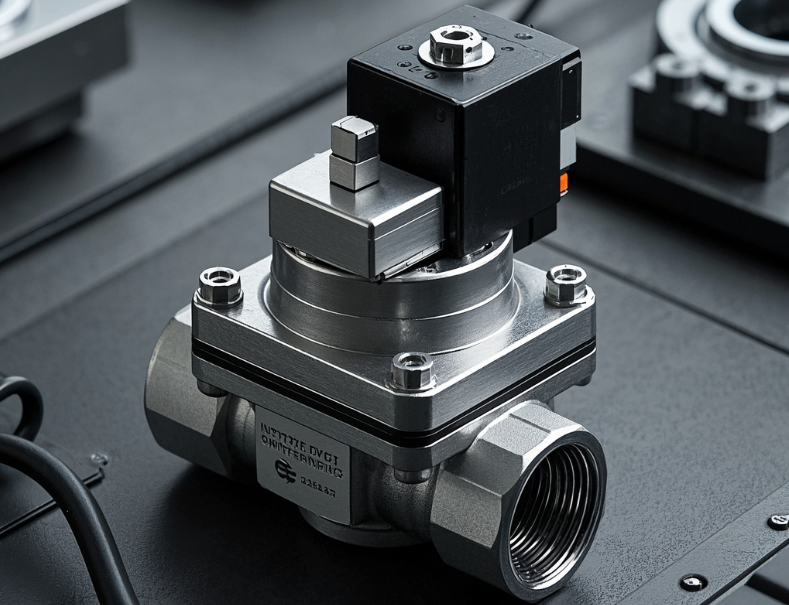
A normally closed solenoid valve remains in a closed position when it receives no electrical power. This means the valve blocks fluid flow by default. When an electrical current energizes the solenoid coil, it creates a magnetic field. This magnetic field pulls a plunger or armature, which then opens the valve. Fluid can then flow through the valve. When the power supply is removed, a spring typically returns the plunger to its original position, closing the valve and stopping the flow. This default “off” state makes the normally closed solenoid valve a common choice for many industrial applications.
Key Characteristics and Advantages
Normally closed solenoid valves offer several key characteristics. Their primary advantage is their inherent safety feature: they automatically shut off fluid flow during a power failure. This prevents uncontrolled release of liquids or gases. These valves are robust and reliable for applications requiring fluid containment when inactive. They are also widely available with various pressure ratings. For instance, general-purpose solenoid valves can handle pressures from vacuum up to 500 PSI, and specialized versions can manage over 1000 PSI, with some piloted piston types reaching up to 2,200 PSI. This versatility makes them suitable for diverse industrial needs.
Common Application Scenarios for Normally Closed Solenoid Valve
Industries frequently use normally closed solenoid valves in systems where safety and controlled shut-off are critical. They are ideal for applications like water supply lines, pneumatic systems, and fuel lines where stopping flow is the default and desired state. For example, a normally closed solenoid valve often controls the flow of water into a washing machine or the gas supply to a furnace. They also serve in process control systems to isolate sections of piping or equipment. However, users should be aware of potential failure modes. These can include the valve not opening or closing properly, leaking, or getting stuck due to debris, corrosion, or electrical issues like a burnt coil. Regular maintenance helps prevent such problems.
Understanding Normally Open Solenoid Valve Operation
Default State and Working Principle
A normally open (NO) solenoid valve allows fluid to flow freely when it receives no electrical power. This means the valve remains in an open position by default. When an electrical current energizes the solenoid coil, it generates a magnetic field. This field pulls a plunger or armature, which then moves to close the valve. This action stops the fluid flow. When the power supply is removed, a spring typically returns the plunger to its original position, reopening the valve and resuming flow. This default “on” state makes the normally open solenoid valve suitable for applications requiring continuous flow during normal operation.
Key Characteristics and Advantages
Normally open solenoid valves offer distinct characteristics. Their primary advantage is their “fail-safe open” design. This ensures continuous fluid flow even during a power outage. This feature is crucial in systems where stopping flow could cause damage or safety hazards. Manufacturers construct these valves from various materials to suit diverse media and operating conditions. For instance, valve bodies often utilize brass, aluminum, or stainless steels like 303SS, 304SS, or 316SS, depending on chemical compatibility and pressure requirements. Seal materials, such as Nitrile (Buna-N) for general fluids, EPDM for hot water and steam, or Viton (FKM) for aggressive chemicals and higher temperatures, ensure reliable sealing. This material versatility allows for robust and long-lasting performance across many industrial applications.
Common Application Scenarios for Normally Open Solenoid Valve
Industries frequently use normally open solenoid valves in systems where maintaining flow is critical, especially during power failures. They are ideal for cooling systems, ventilation systems, and certain process lines where a continuous supply of fluid or gas is essential. For example, an NO valve might control the flow of cooling water to critical machinery. If power fails, the valve opens, preventing equipment overheating. They also find use in safety systems where a continuous purge or vent is necessary. These valves ensure system integrity by preventing dangerous buildups or conditions when power is lost.
Comparative Analysis of NO and NC Solenoid Valves
Default State and Fluid Flow Control
A fundamental distinction between normally open (NO) and normally closed (NC) solenoid valves lies in their default state. This state dictates fluid flow when the valve lacks power. A normally open valve permits fluid flow when de-energized. Conversely, a normally closed solenoid valve obstructs flow in the same unpowered state.
The internal mechanisms for fluid control also differ significantly. In a normally open valve, the armature positions high when de-energized, allowing fluid passage. When energized, the magnetic field pulls the armature down, moving a plunger or piston to close the valve. This action blocks the flow. For a normally closed valve, the armature rests low when de-energized, keeping the valve closed. Upon energization, the armature moves up, pulling a plunger or piston to open the valve, thus allowing fluid to flow. A spring consistently returns the armature to its default position when power removes.
The following table summarizes these operational differences:
| Feature | Normally Closed Solenoid Valve | Normally Open Solenoid Valve |
|---|---|---|
| Default State | Closed (fluid passage blocked) when not powered | Open (fluid can pass) when not powered |
| Powered State | Opens (fluid passage allowed) when power is on | Closes (fluid passage blocked) when power is on |
| Spring Action | Presses valve core against seat when de-energized | Pulls valve core open when de-energized |
| Electromagnetic Coil Action | Generates magnetic field to overcome spring pressure and lift valve core when energized | Generates magnetic field to move valve core downward and close passage when energized |
Power Requirements and Energy Efficiency
Power consumption significantly differentiates NO and NC solenoid valves. A normally closed solenoid valve does not consume power when it remains closed. This makes it energy-efficient for applications requiring the valve to be mostly shut off. In contrast, a normally open valve requires constant energy to remain closed.
The choice between these valve types impacts energy efficiency based on the application’s primary state.
| Valve Type | Energy Consumption Characteristics |
|---|---|
| Normally Open | Requires constant energy to remain closed. |
| Normally Closed | Does not consume power when closed. |
| Application Impact | Choice depends on whether the application requires the valve to remain open or closed for energy efficiency. |
Tip: These valves only consume power to change state, which enhances operational efficiency and reliability.
For systems where the valve stays open for extended periods, a normally open valve is more energy-efficient. Conversely, a normally closed valve saves energy when it primarily remains shut. Engineers must consider the valve’s typical state during operation to optimize power usage.
Safety Implications and Failure Modes
The default state of a solenoid valve directly influences system safety, especially during power failures. Normally closed valves offer a “fail-safe closed” mechanism. If power fails, the valve automatically returns to its closed position, stopping fluid flow. This feature is crucial for containing hazardous materials or preventing uncontrolled releases in pipelines. For example, a power outage in a gas line equipped with a normally closed valve immediately shuts off the gas supply, enhancing safety.
Conversely, normally open valves provide a “fail-safe open” mechanism. Upon power loss, the valve reverts to its open state, ensuring continuous fluid flow. This design is vital for applications like cooling systems or ventilation where stopping flow could lead to equipment damage or dangerous overheating. For instance, a cooling system for critical machinery benefits from a normally open valve; a power failure ensures coolant continues to flow, preventing thermal damage.
Both valve types can experience failure modes. Common issues include coils burning out, plungers sticking due to debris or corrosion, or seals degrading. A burnt coil on a normally closed valve means it cannot open, potentially disrupting processes. If a normally open valve’s coil burns out, it cannot close, leading to continuous, possibly unwanted, flow. Regular maintenance and selecting appropriate materials for the operating environment mitigate these risks.
Selecting the Right Solenoid Valve for Your Application
Choosing the correct solenoid valve is crucial for system efficiency and reliability. Engineers must carefully evaluate several factors to ensure optimal performance. This selection process involves assessing operational requirements, prioritizing safety, and considering energy consumption and cost.
Assessing Operational Requirements
System designers begin by thoroughly understanding the application’s specific needs. They consider the type of fluid or gas the valve will control. This includes its chemical compatibility, viscosity, and cleanliness. Operating pressure and flow rate are also critical parameters. The valve must handle the maximum and minimum pressures within the system without failure.
Temperature is another vital consideration. Industrial solenoid valves operate within specific temperature ranges. For instance, Valcor miniature solenoid valves typically function between -20°C and 70°C in non-condensing conditions. Other models show similar ranges:
| Solenoid Valve Model | Operating Temperature Range (Celsius) | Operating Temperature Range (Fahrenheit) |
|---|---|---|
| SMC Type VT317 Series 3-Port Solenoid Valve | -5°C to 60°C | 23°F to 140°F |
| SMC Type VG342 Series 3-Port Solenoid Valve | -10°C to 70°C | 14°F to 158°F |
| AirTac Type 3V1 Solenoid Air Valve | -5°C to 50°C | 23°F to 122°F |
The frequency of valve operation, known as the duty cycle, also impacts selection. High-cycle applications can significantly wear down internal components. Without proper lubrication, valves may require replacement after 100,000 cycles or less. Lubrication can extend a product’s life by millions of cycles. Dry air and rapid cycling are particularly damaging due to constant internal part impact. A well-maintained solenoid valve can last from 1 million to 10 million cycles. SY pneumatic solenoid valves often achieve 10 to 50 million cycles. In terms of years, these valves can last 3 to 10 years in regular industrial applications with proper maintenance.
Prioritizing Safety and System Integrity
Safety is paramount in any fluid control system. The choice between a normally open (NO) and normally closed (NC) valve directly impacts the system’s behavior during power failures. Engineers select a “fail-safe” position that minimizes risk. For example, a system handling hazardous chemicals might require a normally closed valve to prevent leaks during a power outage. Conversely, a cooling system for critical equipment might use a normally open valve to ensure continuous flow and prevent overheating if power is lost.
Compliance with industry standards ensures system integrity. Several certifications guide the selection of components for industrial safety systems:
- IEC 61508: This international standard guides component selection for safety-related systems. It addresses the functional safety of electrical, electronic, and programmable electronic systems.
- Safety Integrity Levels (SIL): These levels, part of IEC 61508, indicate the required integrity of safety functions. Solenoid valves can achieve certification to specific SIL capabilities.
- Independent Certifications: Agencies like Exida and TÜV provide crucial certifications. They validate that a manufacturer’s design, manufacturing, and quality procedures meet IEC 61508 requirements for a device’s listed SIL capability.
Evaluating Energy Consumption and Cost
The long-term operational cost of a solenoid valve includes both its initial purchase price and its energy consumption. Normally closed (NC) solenoid valves are generally lower in price due to higher production volumes and common use in systems like RO systems. However, the energy cost depends on how often the valve changes state and its default position.
A normally closed solenoid valve consumes power only when it needs to open. If the application requires the valve to be closed most of the time, this type is more energy-efficient. Conversely, a normally open valve consumes power to remain closed. If the system requires the valve to stay open for extended periods, an NO valve is more energy-efficient.
Tip: For systems requiring the valve to remain energized for extended periods, a normally open valve is often preferred. This prevents constant coil energization, which can negatively impact lifespan and energy consumption.
High operational frequency can accelerate valve wear. Therefore, selecting valves specifically rated for high-frequency operation is crucial for longevity. In critical continuous processes with high duty cycles where speed is not the primary concern, pilot-operated valves can offer lower power consumption. This contributes to reduced operational costs over the valve’s lifespan.
Industry-Specific Applications and Examples
Process Control and Automation
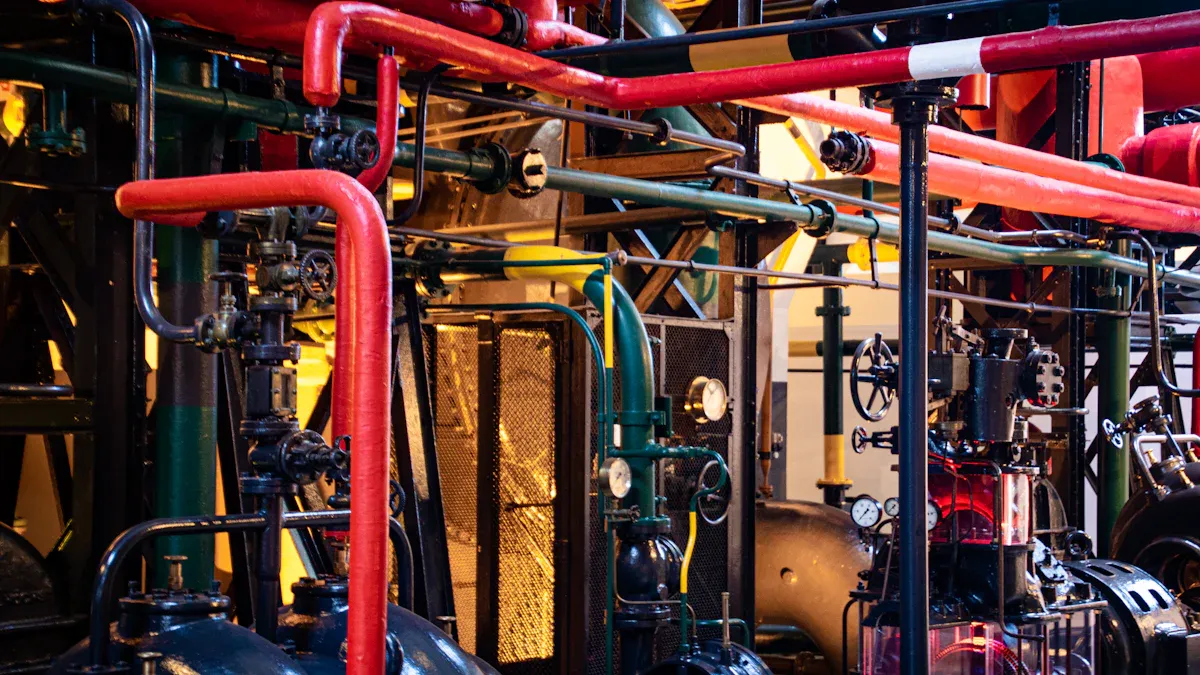
Solenoid valves play a vital role in process control and automation across various industries. They precisely manage fluid flow, ensuring efficient and safe operations. Normally open (NO) solenoid valves are particularly useful in scenarios where continuous flow is critical, even during power interruptions. For instance, they maintain emergency coolant flow to prevent equipment overheating during power outages. NO valves also ensure continuous airflow in critical areas like fume hoods or air supply lines during electrical failures. They guarantee the availability of fire extinguishing agents in fire suppression lines, even if primary power is lost. Furthermore, NO valves facilitate process purging or draining, allowing gravity-fed draining or line purging to continue when a system is idle or de-energized. They also maintain a default flow path in bypass or drain lines, closing only when an alternative route is required or for maintenance.
HVAC and Refrigeration Systems
Solenoid valves are essential components in HVAC and refrigeration systems. They control refrigerant flow, turning it on and off to maintain system performance. When selecting these valves for cooling applications, engineers consider several factors. Valve materials must be compatible with refrigerants like R22, R404A, R410A, and R290; stainless steel bodies and NBR seals are common choices. Both direct-operated and servo-operated valves exist, with servo-operated types often used in larger systems. Proper positioning, typically in the liquid line near the expansion valve, helps reduce water hammer effects. Normally closed valves are frequently preferred in the liquid line. They prevent refrigerant migration to the compressor when the system is off or de-energized, ensuring system integrity during power disruptions. Compliance with safety standards such as ATEX, LVD, and PED is also crucial for refrigerant solenoid valves.
Water Management and Irrigation
Solenoid valves are fundamental to modern water management and irrigation systems, especially in smart irrigation. They are electrically operated valves that control water flow, regulating pressure and allowing water only when directed by controllers or timers. This automation enhances irrigation efficiency through zoning. Solenoid valves enable independent control of water distribution to different irrigation zones. This allows for precise watering based on factors like plant type, soil conditions, and sun exposure. They also facilitate programd watering schedules, ensuring water application only when necessary and for the correct duration, which helps conserve water. Integrating solenoid valves with weather sensors, such as rain or soil moisture sensors, allows automatic adjustment or shutdown of watering schedules. This prevents overwatering and significantly conserves water. By automating valve operation, farmers avoid overwatering or under-watering, ensuring crops receive the right amount of water at the right time. This precision helps conserve water and reduces waste, which is essential in regions facing water scarcity.
Emergency Shut-off and Safety Systems
Solenoid valves are indispensable in emergency shut-off and safety systems. They provide critical control during hazardous events or system failures. The choice between normally open (NO) and normally closed (NC) valves directly impacts system safety.
Normally closed (NC) solenoid valves are often the primary choice for emergency shut-off applications. They offer a “fail-safe closed” mechanism. This means the valve automatically stops fluid flow if power fails. This feature is crucial for containing hazardous materials or preventing uncontrolled releases. For example, NC valves are vital in industrial gas lines. Regulatory requirements for Safety Shut-off Valves (SSVs) are stringent:
- SSVs must be fail-safe (spring return fail closed) and remain closed until safe conditions are present, requiring manual reset.
- They should not have hand wheels.
- Solenoid-operated valves must not allow forcing or resetting to the normal position when de-energized.
- SSVs should provide tight shutoff (per ANSI/FCI 70-2 Class V or VI) or bubble-tight (per API 598).
- SSVs must either be fire-safe per API 607 or API 6FA, or be located in a fire-safe area.
- Maximum travel times for SSVs are specified, for example, up to 4 inches, 3 seconds.
- It is recommended to use two valves in series to isolate fuel gas.
API Recommended Practice (RP) 556, “Instrument, Control, and Protective Systems for Gas-Fired Heaters,” offers detailed insights for protective systems in combustion systems. It provides notable specifics regarding SSVs.
Conversely, normally open (NO) solenoid valves serve in safety systems requiring continuous flow during power outages. They provide a “fail-safe open” mechanism. This ensures critical processes like emergency cooling or venting continue uninterrupted. For instance, an NO valve might vent pressure from a tank if power is lost, preventing over-pressurization.
However, solenoid valves, as pneumatic accessories, contribute to the overall failure probability of shut-off valves within Safety Instrumented Systems (SIS). Understanding their failure modes is critical for system reliability. Common failure modes include:
- Valve stuck closed
- Valve stuck open
- Leakage
- Coil burnout
- Voltage/electrical power supply issues
- Contamination
- Mechanical wear
Proper selection, regular maintenance, and adherence to safety standards minimize these risks. This ensures the solenoid valve performs reliably when it matters most.
Selecting the appropriate solenoid valve is essential for achieving optimal system performance. Engineers must carefully consider the valve’s default state, power consumption, and critical safety implications during the selection process. For instance, a normally closed solenoid valve provides a crucial fail-safe mechanism during power interruptions. Grasping these fundamental distinctions ensures efficient and reliable fluid control across diverse industrial applications.
FAQ
What is the primary difference between NO and NC solenoid valves?
The primary difference lies in their default state. A normally open (NO) valve allows fluid flow when unpowered. A normally closed (NC) valve blocks fluid flow when unpowered.
When should one choose a normally closed solenoid valve?
One should choose a normally closed valve for applications requiring fluid containment during power outages. This valve provides a “fail-safe closed” mechanism. It is ideal for gas lines or hazardous material control.
When should one choose a normally open solenoid valve?
One should choose a normally open valve for applications requiring continuous fluid flow during power outages. This valve provides a “fail-safe open” mechanism. It is suitable for cooling systems or ventilation.
Do solenoid valves consume power constantly?
No, solenoid valves only consume power when they change state or maintain an energized position. A normally closed valve consumes power to open. A normally open valve consumes power to close.
What are common failure modes for solenoid valves?
Common failure modes include coil burnout, plunger sticking, and seal degradation. Contamination or electrical issues also cause problems. Regular maintenance helps prevent these issues.