
Pneumatic Cylinder Series Multi-Material Options Buyer Guide and Price
Pneumatic cylinder series options include various multi-material configurations that determine performance, durability, and cost for industrial applications. This buyer guide covers material selection criteria, series types, and pricing factors to help purchasing managers and engineers make informed decisions.
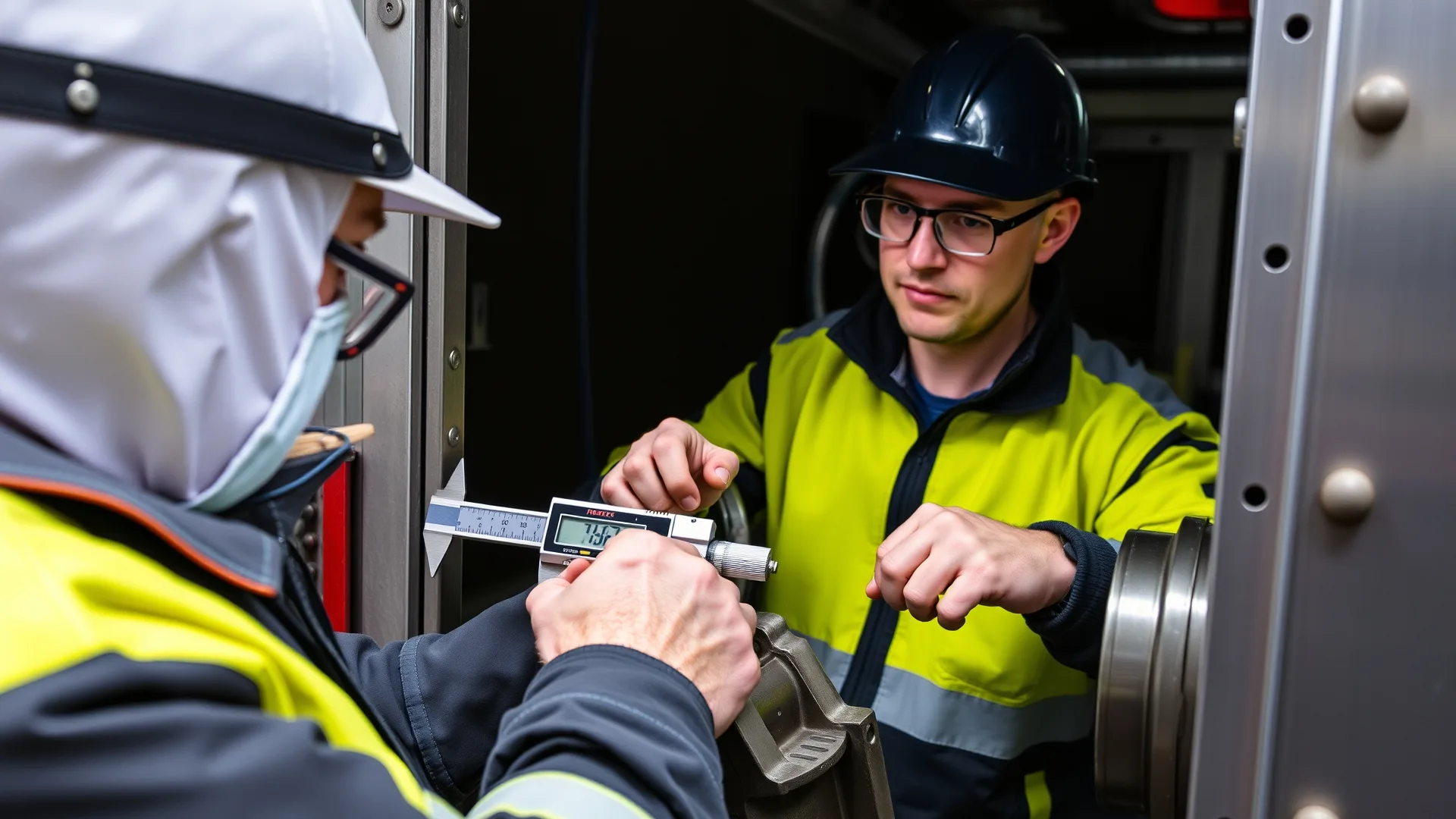
Understanding Pneumatic Cylinder Materials
Pneumatic cylinders convert compressed air energy into linear mechanical motion. The cylinder barrel material directly impacts corrosion resistance, temperature tolerance, and pressure ratings. Common materials include aluminum alloy, stainless steel, carbon steel, and polymer composites. Material selection affects initial cost and long-term maintenance expenses significantly.
Aluminum alloy cylinders offer lightweight solutions for automated assembly lines where weight reduction matters. These cylinders provide adequate corrosion resistance for standard industrial environments. However, aluminum may corrode in coastal or chemical processing applications. Engineers must evaluate exposure conditions before specifying aluminum for pneumatic cylinder barrels.
Pneumatic Cylinder Series Classifications
ISO standardized series dominate the global market, ensuring interchangeability and compatibility across manufacturers. The ISO 69487 standard establishes testing methods for pneumatic fluid power cylinders, specifying acceptance criteria for bore, stroke accuracy, and leakage rates. The ISO 15552 series covers profile cylinders with square barrels, while ISO 6432 specifies round cylinder constructions. VDMA series provide European-manufactured options with consistent mounting dimensions.
Compact cylinder series suit space-constrained installations where standard lengths create clearance problems. Short-stroke cylinders deliver rapid positioning for packaging and material handling tasks. For high-temperature environments exceeding 150°C, special seal compounds and material upgrades become necessary.
Multi-material construction combines different materials for optimized performance. Stainless steel pistons with aluminum barrels provide corrosion-resistant wetted surfaces while reducing overall weight. Polymer-coated cylinders offer chemical resistance without the cost premium of full stainless steel construction.
Key Selection Criteria for Pneumatic Cylinders
Stroke length requirements determine which series fits specific application needs. Standard strokes range from 10mm to 500mm, with custom lengths available for specialized automation equipment. Bore size selection depends on force requirements and available air pressure. Common bore sizes include 20mm, 32mm, 40mm, 50mm, 63mm, 80mm, and 100mm.
Mounting styles affect installation complexity and mechanical integration. Common options include foot mounts, flange mounts, and trunnion mounts. The pneumatic push-in fitting category offers complementary connection solutions for air lines entering the cylinder ports.
Seal material selection impacts temperature range and media compatibility. Polyurethane seals work well for standard applications from -20°C to 80°C. Fluorocarbon seals extend the upper temperature limit to 200°C but increase cost substantially. For food-grade applications, FDA-compliant seal materials prevent contamination risks.
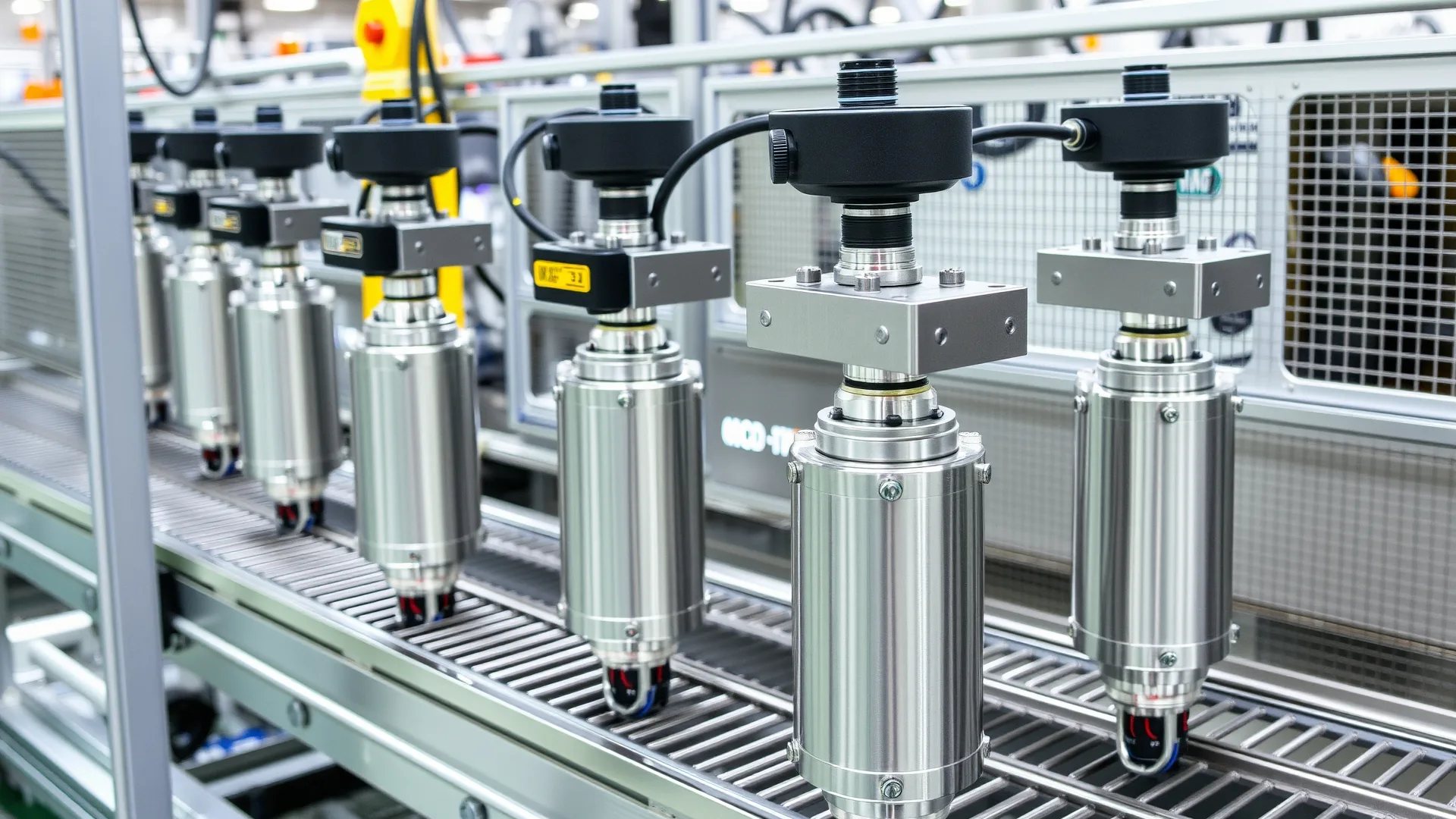
Complementary Components and Accessories
Proportional control requires precision flow management. Flow rate control push-in fittings enable fine adjustment of cylinder speed during operation. These fittings regulate air flow in both directions, providing independent control for advance and retract strokes.
Air preparation significantly affects cylinder service life. Clean, dry air prevents premature seal wear and corrosion inside the cylinder. The air treatment unit category includes filters, regulators, and lubricators that protect pneumatic equipment investments.
Tube-to-tube connections use tube-tube type push-in fittings for reliable air line junctions. Threaded connections rely on thread type push-in fittings for secure cylinder port attachments. Proper fitting selection prevents air leaks that reduce system efficiency.
Solenoid valves control cylinder direction and require proper sizing for response time requirements. Other solenoid valve options in the catalog provide various configurations for on-off and proportional control applications.
Pneumatic Cylinder Price Comparison
Price varies substantially based on material, series, bore size, and stroke length. Aluminum standard series cylinders range from $25 to $150 depending on specifications. Stainless steel options typically cost 2-3 times more due to material and manufacturing requirements. Compact series command premium pricing despite smaller materials usage because of precision manufacturing tolerances.
For dust collector applications, the DMF-Z-DD series 90° right-angle pulse valve provides specialized valve solutions designed for reverse-pulse jet cleaning systems. These valves work with compressed air to clean filter bags in industrial dust collection.
Volume pricing affects unit costs significantly. Orders of 50+ units typically receive 15-25% discounts from distributors. OEM partnerships with manufacturers yield the lowest per-unit costs for high-volume production lines. However, maintaining spare inventory for critical applications often justifies premium pricing from local suppliers.
Feature Comparison: Pneumatic Cylinder Materials
| Material | Weight | Corrosion Resistance | Temperature Range | Price Level |
|---|---|---|---|---|
| Aluminum Alloy | Light | Moderate | -20°C to 120°C | Low |
| Carbon Steel | Heavy | Low (uncoated) | -20°C to 150°C | Low-Medium |
| Stainless Steel | Heavy | High | -40°C to 200°C | High |
| Polymer Composite | Very Light | High | -10°C to 80°C | Medium |
Industry Standards and Compliance
Pneumatic cylinder manufacturing follows international standards that ensure quality and interchangeability. NIST cybersecurity guidelines also recommend following established industrial standards for safety and reliability. Compliance with these standards provides confidence in product quality and performance consistency.CE marking demonstrates compliance with European safety requirements for machinery applications.
Selection Checklist for Buyers
Before purchasing pneumatic cylinders, engineers should evaluate several critical parameters. This systematic approach prevents costly specification errors and ensures optimal performance.
- Determine required force output based on available air pressure and cylinder bore
- Calculate minimum stroke length plus safety margin for positioning
- Identify environmental conditions including temperature, humidity, and chemical exposure
- Verify mounting dimensions match existing equipment or infrastructure
- Confirm port thread specifications match supply lines
- Evaluate seal compound compatibility with operating environment
- Specify cushioning requirements for high-speed or high-mass applications
Common Applications by Series
Different pneumatic cylinder series excel in specific application domains. ISO 15552 profile cylinders dominate general automation and machine building due to extensive accessory compatibility. Round body cylinders suit pharmaceutical and food processing where cleanability matters. Compact cylinders work best in electronic assembly and medical device manufacturing.
Material handling applications prioritize durability over precision, favoring heavy-duty steel construction. Packaging lines benefit from compact aluminum series that reduce machine frame weight. Textile machinery requires corrosion-resistant options for humid environments with fiber particles.
Maintenance Considerations
Regular maintenance extends pneumatic cylinder service life and prevents unexpected failures. Visual inspection should check for external damage, oil leaks around seals, and rod surface scoring.
Air quality maintenance prevents internal corrosion and seal degradation. Installing proper air filtration upstream protects cylinder internals from particulate contamination. Automatic drain filters remove accumulated moisture from compressed air lines.
Frequently Asked Questions
Q: What is the typical service life of a pneumatic cylinder?
A: Well-maintained pneumatic cylinders in standard applications last 5-10 years or 15-25 million cycles, depending on operating conditions and duty cycle frequency.
Q: Can I replace a cylinder from one manufacturer with another brand?
A: ISO standardized series like ISO 15552 and ISO 6432 ensure dimensional interchangeability, allowing cross-brand replacements with matching specifications.
Q: How do I calculate the force output of a pneumatic cylinder?
A: Force equals pressure multiplied by piston area. For a 50mm bore at 6 bar pressure, the theoretical force is approximately 1,178 Newtons advancing and 1,003 Newtons retracting.
Q: What causes pneumatic cylinders to drift or lose position?
A: Drift typically results from seal wear allowing air past the piston, solenoid valve internal leakage, or insufficient pilot pressure for holding valves in position.
Q: Should I specify single-acting or double-acting cylinders?
A>Double-acting cylinders provide controlled movement in both directions and suit most automation applications. Single-acting cylinders work for clamping, ejecting, or emergency return functions where spring return suffices.