
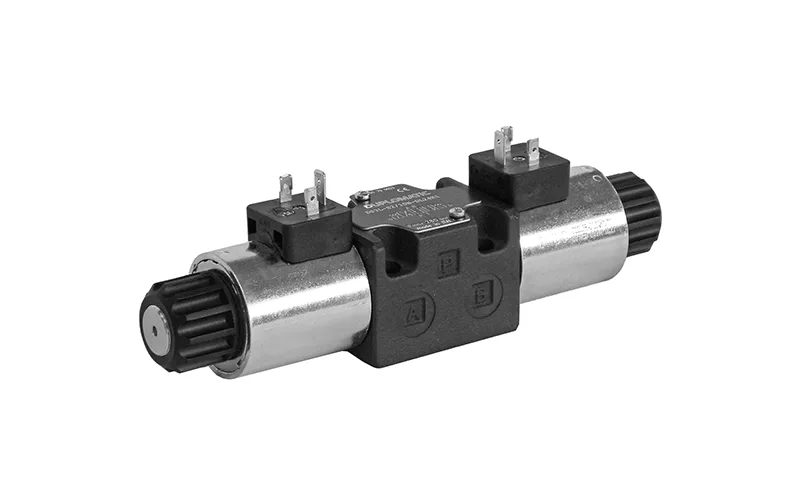
In any industrial automation system, directional control valves (DCVs) act as the “brain” or the “traffic police.” They dictate the path of compressed air, determining when and where a cylinder extends or a vacuum system activates. Whether you are designing a new machine or maintaining a global production line, mastering these five core aspects is essential for peak efficiency.
The following article provides a detailed introduction to directional control valves, covering their types, working principles, sizes and materials, installation and commissioning, and maintenance procedures.
What Are the Types of Directional Control Valves?
Classification by Ports and Positions:
3/2-Way Valves: Typically used for controlling single-acting cylinders.
5/2-Way Valves: The industry standard for controlling double-acting cylinders.
5/3-Way Valves: Feature a center position (Closed, Pressure, or Exhaust center) for enhanced safety and intermediate stopping.
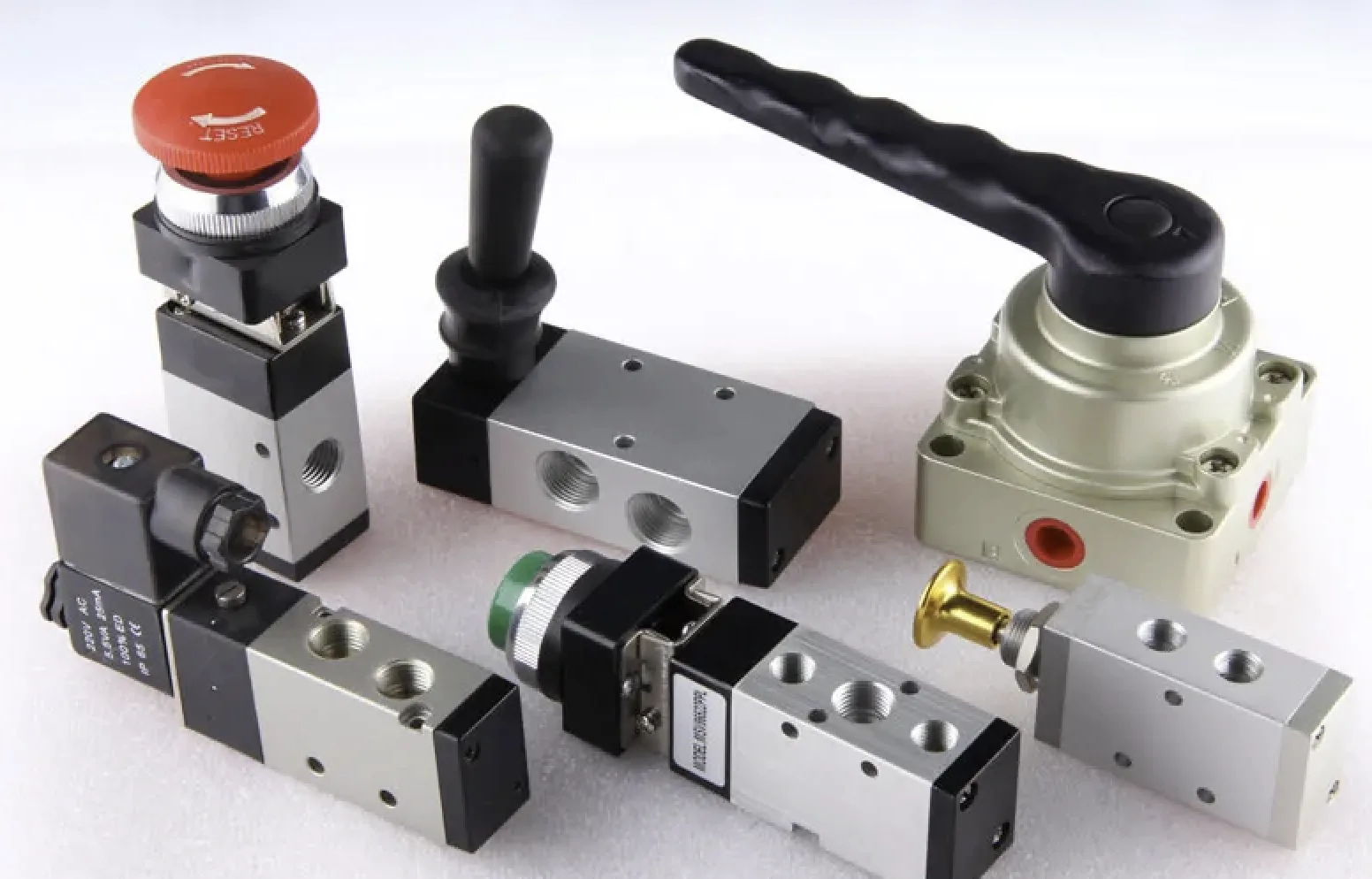
Classification by Actuation Method:
Solenoid Actuated: Fast response times and easy integration with PLCs.
Air-Piloted: Ideal for hazardous or explosion-proof environments where electricity is restricted.
Manual/Mechanical: Lever, button, or foot-pedal valves used for emergency stops or simple manual tasks.
How Do They Work?
-
Internal Logic: An overview of Spool vs. Poppet designs and how the internal shift changes the air path.
-
Normally Open (NO) vs. Normally Closed (NC): Understanding initial states and their impact on circuit safety.
-
Direct Acting vs. Pilot Operated: Direct acting is perfect for low-flow applications, while pilot-operated valves use system pressure to assist switching, ideal for larger, high-pressure demands.
Sizes and Materials
-
Sizing and Flow Rate (Cv / Qn):
-
Matching port sizes (M5, 1/8″, 1/4″, 1/2″) to your system’s consumption.
-
Why improper sizing leads to sluggish cycle times or wasted energy.
-
-
Body Materials:
-
Aluminum Alloy: Lightweight and durable; the go-to for standard industrial use.
-
Stainless Steel: Essential for food processing, medical, or highly corrosive chemical environments.
-
Engineered Plastics: Used for weight-sensitive or specific clean-room applications.
-
-
Seals and Durability: The performance of NBR vs. Viton (FKM) in varying temperature ranges.
Installation and Commissioning
-
Mounting Best Practices: Avoiding high-vibration areas and ensuring accessibility for manifold (valve bank) maintenance.
-
Piping and Connections:
-
Proper use of thread sealants to prevent debris from entering the valve body.
-
The importance of Silencers/Mufflers: Reducing noise while filtering exhaust air.
-
-
The Commissioning Checklist: Pressure testing, manual override verification, and electrical signal troubleshooting.
Maintenance and Care
Air Quality is Everything: The direct impact of the FRL Unit (Filter, Regulator, Lubricator) on valve longevity.
Routine Inspection List:
Leak Detection: Checking for worn seals or loose fittings.
Electrical Health: Monitoring solenoid coils for overheating or connection fatigue.
Preventative Strategy: Moving from “fix-on-failure” to “scheduled replacement” based on cycle counts to minimize downtime.
Selecting the right directional control valve and maintaining it professionally reduces downtime and energy costs significantly. As a specialist in pneumatic components, we provide high-performance solutions tailored to your automation needs.
FAQ
What are the main types of directional control valves?
-
Configurations: 3/2-way (single-acting) and 5/2-way (double-acting).
-
Control: Solenoid (electric), Air-piloted (air), or Manual (lever/button).
How do they work?
An internal spool shifts position to redirect airflow, which controls the movement of air cylinders.
What are the common sizes and materials?
-
Sizes: Standard threads like 1/8″, 1/4″, 3/8″, and 1/2″.
-
Materials: Aluminum bodies with NBR or Viton rubber seals.
What should be noted during installation and commissioning?
-
Cleanliness: Blow out pipes to remove debris before connecting.
-
Testing: Use the manual override button to test movement before powering up.
How to maintain them?
-
Air Quality: Use an FRL unit to keep air clean and dry.
-
Inspection: Check regularly for air leaks or sluggish switching.