
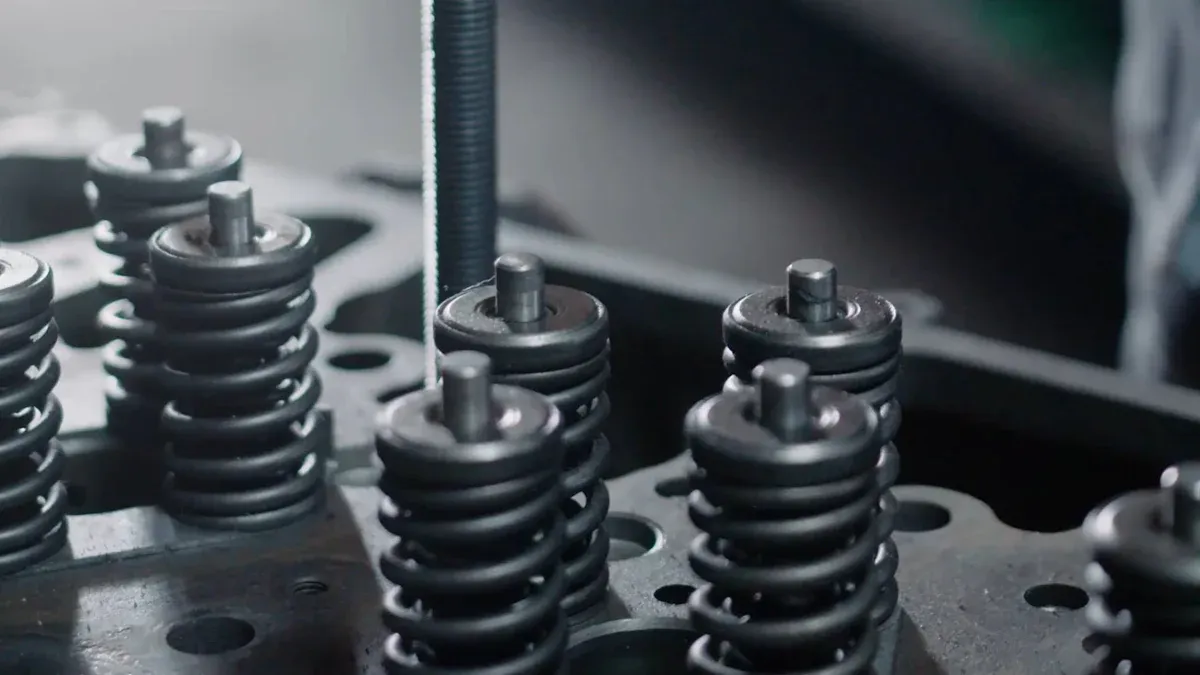
An industrial solenoid valve typically performs between 1 million to 10 million cycles under continuous operation. Many people ask, what is a solenoid valve used for? It precisely controls the flow of liquids or gases in countless industrial applications. The actual cycle life can vary significantly based on operating conditions and valve design. For example, a universal solenoid valve often achieves 1 to 10 million cycles. An OEM solenoid valve manufacturer designs products like a high-pressure solenoid valve or a high-temperature solenoid valve with specific durability in mind. Under normal working environments, you can expect 1 to 5 million cycles, while excellent conditions can push this to tens of millions.
Key Takeaways
- Industrial solenoid valves usually work for 1 to 10 million cycles. This means they open and close many times.
- Many things affect how long a valve lasts. These include pressure, fluid type, temperature, and correct voltage.
- Choose the right valve for your job. Also, clean and check it often. This helps the valve last longer.
- Contamination and wrong voltage are common reasons valves break. Keep fluids clean and use the correct power.
- Manufacturers test valves a lot. This helps them know how long valves will work well.
Understanding Solenoid Valve Cycle Life
Average Cycle Count for Industrial Solenoid Valves
Manufacturers often design industrial solenoid valves to perform millions of cycles. A cycle refers to one complete operation: opening and then closing. Most high-quality valves typically achieve between 1 million and 10 million cycles. However, specific applications demand even greater durability. For instance, high-flow valves in rapid-cycle automotive assembly lines operate almost continuously, often 16-24 hours daily. These lines accumulate millions of cycles annually. To meet such rigorous demands, manufacturers build these valves with enhanced seals, hardened components, and robust construction. This ensures an extended service life.
Different valve types also show varying cycle life expectations:
- High-quality solenoid valves (average): These generally offer 1 million to 10 million cycles.
- Direct-acting solenoid valves: You can typically expect these to perform 1 million to 5 million cycles.
- Specialty valves/gentle service: Some valves, designed for less demanding conditions, can exceed 10 million cycles.
These numbers provide a general guideline. The actual cycle count a valve achieves depends heavily on its operating environment and how well users maintain it.
Defining End of Life for a Solenoid Valve
Defining a solenoid valve’s "end of life" goes beyond simply when it stops working. It refers to the point where the valve no longer performs reliably or safely within its specified parameters. Several critical factors and service conditions contribute to this definition. These include the temperatures and pressures of the ambient environment and the process fluids. Relative humidity also plays a role.
Other important considerations for a valve’s qualified life include:
- Energization periods and loads: How long and how often the coil receives power.
- Cycle life requirements: The total number of open/close operations.
- Environmental stressors: Radiation exposure, vibration aging, submergence, and chemical exposure all impact longevity.
Manufacturers also consider wear on moving mechanical components and elastomerics (like seals) within the valve. The aging characteristics of coil components, such as magnet wire insulation, shrink tubing, and potting, are crucial. Accessories like terminal boards, position indication assemblies, and electronic components also contribute to the overall lifespan. Temperature, radiation, and operational cycles (mechanical wear) represent the most critical characteristics influencing aging. They directly affect how long a solenoid valve remains effective.
Key Factors Impacting Solenoid Valve Lifespan
Many factors influence how long a valve lasts. Understanding these elements helps users choose the right valve and maintain it properly. This ensures a longer operational life.
Operating Pressure and Flow Rates
Operating pressure and flow rates significantly affect a valve’s durability. Higher operating pressures can cause components to wear out faster. This directly reduces the valve’s cycle life. Think of it like pushing a car engine harder; it experiences more stress. The service life of a solenoid valve depends on various operating conditions. These include pressure, temperature, the type of medium, and voltage. Each plays a role in how long the valve performs reliably.
Fluid Compatibility and Contamination
The type of fluid a valve handles is crucial. Using an incorrect valve material with corrosive substances leads to early damage. Different materials, such as brass, stainless steel, or PTFE, resist chemicals differently. An incompatible valve used with aggressive chemicals will break down. This causes material failure and leaks.
Chemical incompatibility is a main reason for seal failures. If a valve’s seal material cannot handle a fluid, the chemicals react with the seal. This makes it swell, shrink, or become brittle. For example, strong solvents can dissolve rubber seals over time. A damaged seal cannot work correctly.
| Incompatible Fluid Type | Affected Valve Material/Component | Consequences |
|---|---|---|
| High levels of chlorine in water | Brass valves | Corrosion, leading to leaks, product loss, and environmental contamination |
| Some synthetic oils | Seals (elastomers) | Swelling and degradation of seals, causing loss of pressure control and reduced efficiency |
| Aggressive chemicals (e.g., strong acids, solvents, oxidizing agents) | Brass, some stainless steel, certain elastomers | Corrosion, material breakdown, swelling/dissolving of elastomers, degradation over time, leading to leaks, safety hazards, product loss, environmental contamination, and production downtime |
Fluid contamination also poses a serious risk. Sediment buildup and corrosion often come from harsh environments or poor-quality fluids. They greatly harm valve performance. They block fluid flow and damage internal parts. To make valves last longer, install filters. Use corrosion-resistant materials. Also, perform routine cleaning and maintenance. These steps reduce sediment and harmful elements. Even tiny amounts of manufacturing fluids, debris, or dust can be present. While often acceptable, some systems need special cleaning. Medical applications, like ventilators, require very clean systems.
Temperature Extremes
Extreme temperatures can severely impact a valve’s lifespan. High temperatures are especially challenging. They can melt insulation around electrical coils. This causes short circuits and valve failure. Manufacturers use several solutions to protect coils.
- Electrical Coil Protection:
- Challenge: Overheating can melt insulation, causing short circuits and valve failure.
- Solutions:
- Physical Separation: Coils are placed further from the hot valve body. Extended tubes create an air gap for thermal insulation.
- Heat-dissipating fins: These increase surface area to shed heat.
- High-grade insulating materials: Class H or N enamels withstand up to 180°C or 200°C.
- Encapsulation: Special epoxy or resin compounds protect against moisture, vibration, and help dissipate heat.
- Valve Body:
- Manufacturers forge valve bodies from strong materials. Stainless steel or brass maintain shape. They also resist corrosion during heating and cooling cycles.
- Internal Parts (Plunger and Spring):
- These parts are made from specific grades of stainless steel. This resists warping. It also maintains mechanical properties at high temperatures. This ensures reliable operation and sealing.
The cycle life of a high-temperature valve is not fixed. It depends on several factors. These include how often it operates and the type of media flowing through it. Clean hot water differs from aggressive steam. Operating conditions, like temperature and pressure, also matter. A properly chosen valve, matched to its specific temperature, pressure, and media, lasts longer. An upstream filter also protects it. Such a valve can achieve millions of reliable cycles. Regular maintenance is also vital for maximizing its operational life. Proper selection and upkeep are key to long-term reliability.
Voltage and Power Cycling Effects
Voltage and power cycling significantly influence a solenoid valve’s longevity. Consistent and correct voltage is crucial for optimal performance. Fluctuations, either too low or too high, can cause serious problems.
-
Undervoltage Effects:
- A valve responds slowly or fails to operate completely.
- The plunger might not move, which causes the coil to overheat and potentially burn out.
- You might notice increased operational noise.
- The coil heats up more than it should.
-
Overvoltage Effects:
- Excessive heat causes the coil to fail.
- Increased heat degrades coil components.
- The overall valve lifespan reduces.
- Brief voltage spikes (up to 50-100% for about one second) might be acceptable, but prolonged exposure quickly leads to coil failure.
AC coils also have specific frequency requirements. They are designed for particular frequencies, like 50Hz or 60Hz.
- Frequency Considerations for AC Coils:
- Operating a coil at a frequency different from its rating (for example, a 50Hz coil on a 60Hz supply) decreases efficiency. It can also cause overheating or damage.
- A higher frequency reduces the coil’s resistance, which results in increased current and heat generation.
You can often spot voltage-related issues through certain indicators.
- Troubleshooting Indicators Related to Voltage Fluctuations:
- Overheating: This often signals a voltage mismatch or inadequate current handling.
- Erratic operation: Incorrect voltage or frequency can cause this.
- Noise and vibration: These may indicate electrical or mechanical incompatibilities, including voltage problems.
Duty Cycle and Frequency of Operation
The duty cycle and how often a valve operates directly impact its lifespan. A valve that cycles frequently or remains energized for long periods experiences more wear and tear. Continuous operation, where a valve stays open or closed for extended times, generates more heat and stresses internal components. Intermittent operation, with breaks between cycles, allows components to cool down and recover. This generally leads to a longer life. Manufacturers design valves for specific duty cycles. Exceeding these limits can shorten the valve’s expected cycle count.
Material Construction of the Solenoid Valve
The materials used to construct a solenoid valve play a vital role in its durability and cycle life. Different materials offer varying resistance to corrosion, temperature, and wear. This makes them suitable for different applications.
-
- General brass valves can achieve up to 20 million cycles in dry air or gas applications.
- Specific models, like the Brass 8210Q Series, offer a 5 million cycle capability.
- The Brass 8262Q Series boasts an impressive 20 million cycle capability.
-
Stainless Steel Solenoid Valves:
- Stainless steel 316L equivalent material (JSB series) provides over 3 million cycles for steam applications.
- The same stainless steel 316L equivalent material (JSB series) delivers over 10 million cycles for water and air applications.
Plastic valves, while cost-effective for certain applications, typically offer lower cycle counts compared to their metal counterparts. Choosing the right material for the specific fluid and environmental conditions ensures the valve performs reliably for its intended lifespan.
Data-Driven Insights on Solenoid Valve Durability
Manufacturer Testing Standards and Accelerated Life Testing
Manufacturers do not guess about valve durability. They use rigorous testing standards. These tests ensure valves meet specific performance and lifespan expectations. Accelerated Life Testing (ALT) is a common method. ALT simulates years of operation in a much shorter time. Engineers subject valves to extreme conditions, like rapid cycling or high temperatures. This helps them identify potential weaknesses. It also helps predict how long a valve will last under normal use. These tests provide valuable data. This data guides design improvements and helps set realistic cycle life ratings.
Real-World Solenoid Valve Lifespan Case Studies
Lab tests provide a baseline, but real-world conditions often tell a different story. Case studies from various industries show how actual valve lifespan can vary. For example, a valve in a clean, climate-controlled environment might exceed its rated cycles. However, the same valve in a dusty, high-vibration setting might fail sooner. These real-world examples highlight the importance of considering specific application environments. They also show how factors like maintenance practices and fluid quality directly impact a valve’s operational life.
Predictive Maintenance for Solenoid Valve Longevity
Modern technology helps predict when a valve might fail. This moves maintenance from reactive to proactive. Monitoring systems learn "good" current signatures from valves in specific applications. They then compare future current signatures against these archived good signatures. Proprietary algorithms determine the valve’s current and predicted future condition. This helps technicians plan maintenance before a breakdown occurs.
Modern valves often include built-in diagnostic sensors. These sensors monitor temperature, flow, and voltage. They provide data for feedback and control loops. This eliminates the need for separate sensors. IoT sensors also enable predictive maintenance. They notify technicians when maintenance is necessary. Remote monitoring allows for real-time, condition-based maintenance. Data-driven predictive methods, like exponential models, successfully predict the remaining useful life (RUL) of a solenoid valve. A cost-effective technique also detects early signs of coil failure by isolating fault-induced changes in coil resistance. Thermal-Structure Finite Element methods help understand failure mechanisms. They show that thermal expansion within the coil often links to valve failure.
Maximizing Your Solenoid Valve’s Cycle Count
Proper Solenoid Valve Selection for Application
Choosing the right valve for a job significantly extends its life. For high-frequency operations, prioritize valves with high cycle life ratings. They also need robust materials. These materials withstand wear on mechanical parts like seals and plungers. If an application requires prolonged power, consider latching valves. Valves with low-power hold features also work well. They minimize heat generation and protect the coil. Always ensure material compatibility. The valve body, seals, and diaphragms must match the system fluid and operating temperature. This prevents degradation, hardening, swelling, or cracking over time. In demanding environments, select models with temperature-rated seals, like PTFE. Weather-resistant enclosures, such as IP-rated ones, protect against moisture, dust, and extreme temperatures. Install inline filters or strainers upstream of the valve in systems with unfiltered fluid. This prevents contamination and extends service life. Use voltage-stabilized power supplies or surge protection devices. They maintain consistent electrical input and protect the coil from transients, especially in industrial settings.
Regular Maintenance and Inspection Schedules
Regular maintenance keeps valves working longer. Establish a consistent schedule for inspections. Technicians should check for any signs of wear, leaks, or unusual noises. They can replace worn seals or clean internal components before they cause a major failure. A clean valve operates more efficiently and lasts longer. This proactive approach prevents unexpected downtime and costly repairs.
Optimizing Solenoid Valve Operating Conditions
You can optimize operating conditions to extend valve lifespan. Install a protective cover around the valve. This prevents dust and moisture from getting inside. Regularly clean and maintain the valve to ensure normal operation. Choose high-quality valves that use superior materials and manufacturing processes. This ensures stable performance in harsh environments. Select appropriate materials and implement protective measures. Corrosion-resistant coatings or hermetic sealing enhance durability in challenging environments. These include exposure to corrosive fluids, extreme temperatures, or high-pressure conditions. Employ predictive maintenance strategies. Use sensors and data analytics to monitor valve performance in real-time. This helps predict potential failures and enables timely interventions.
Common Failure Modes of Solenoid Valves
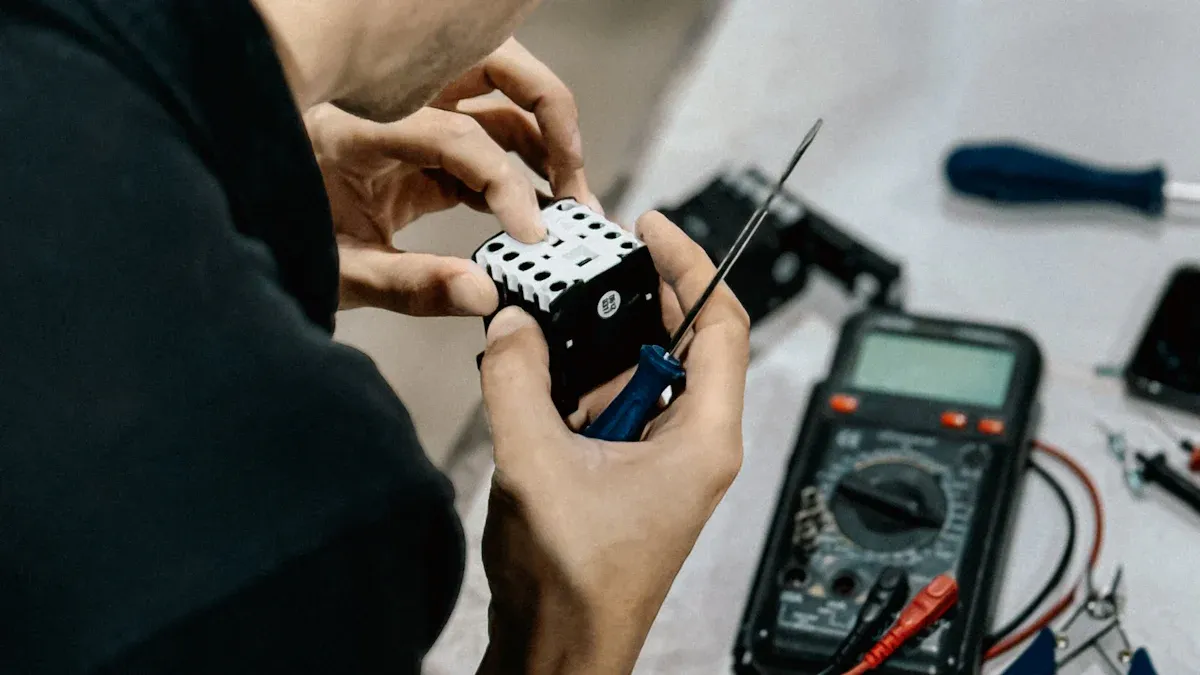
Even the best industrial components can fail. Solenoid valves are no exception. Understanding common failure modes helps you prevent them. This also helps you troubleshoot issues quickly.
Seal Wear and Leakage in Solenoid Valves
Seals are crucial for preventing leaks. When seals fail, fluid can escape. Several issues cause seal wear and leakage. O-ring seals can degrade from use or incorrect installation. Sometimes, pressurized fluid travels through the diaphragm material itself, known as wicking. Foreign materials in the process medium also cause problems. Particles can get trapped between the seat and sealing disc. Things like pipe tape, dope, or weld slag introduced during installation also cause issues. Improper assembly of valve parts, like not following manufacturer instructions, leads to leaks. Using the wrong parts also causes problems. Finally, misapplying the valve can cause seal failure. For example, using a hard-seated valve when a soft seat is needed, or using materials incompatible with the process fluid, will lead to leaks.
Solenoid Valve Coil Burnout and Electrical Failure
The coil is the heart of a solenoid valve. When it fails, the valve stops working. Many factors lead to coil burnout and electrical failure. Applying an incorrect voltage to the coil will cause it to fail. This often leads to burnout. Using the wrong frequency can also damage the coil. Electrical spikes from the power source can cause catastrophic damage. Water ingress or liquid contamination can harm coils, especially if the IP rating is not right for the environment. Debris, sediment, or particle contamination can make the coil work too hard. This causes it to overheat. An irregular valve response time or a malfunctioning coil shows damage. You need to replace it promptly to prevent system breakdown.
Mechanical Wear of Internal Solenoid Valve Components
Internal moving parts in a solenoid valve experience wear over time. This is due to constant operation. The plunger and core tube are common culprits. They lose material because of friction from continuous movement. Springs and seals also suffer from material fatigue due to repeated cycling. This can cause cracks or deformation in these critical parts.
Contamination-Induced Solenoid Valve Malfunctions
Contamination often causes many problems for valves. Particles, impurities, and debris can severely impact how a valve works. These unwanted substances can come from various sources and lead to significant operational failures.
Particles, like dirt, create major issues. They can stop the valve from opening completely. These particles also cause leaks because they obstruct proper sealing. Sometimes, they block the plunger’s movement. Over time, these particles can even cut, rust, or sand the valve seat, which leads to permanent damage.
Impurities in the media accumulate inside the valve. This accumulation clogs the valve. Metals such as iron or steel can corrode. This corrosion makes the valve stick or fail to operate when it should.
Contamination in hydraulic oil is a very frequent cause of issues. These contaminants can come from several places. They might originate from the reservoir if the pump breaks down. Metal particles can accidentally enter during oil filling if conditions are dirty. Failed machine devices also introduce contaminants. These unwanted substances eventually reach the valve. They lodge in and damage the spool. The spool is crucial for shifting to change the oil path and allow movement.
Solid or suspended debris also gets stuck within the valve. This debris prevents the mechanical valve components from changing their physical positions. This obstruction stops the valve from performing essential functions. For example, it might hinder air exhaust, which is necessary for subsequent actuation processes.
Solenoid Valve Design and Longevity
A valve’s design plays a huge role in how long it lasts. Different designs suit different jobs. Engineers carefully choose these designs to maximize durability and performance.
Direct-Acting vs. Pilot-Operated Solenoid Valves
Direct-acting valves and pilot-operated valves work differently. These differences affect their cycle life. Direct-acting 2-way plunger valves are known for their long service life. They also have more switching cycles. This comes from features like spring-damped seat seals and sliding ring bearings. Pilot-operated valves, like the Type 6213 EV, also include special design elements. They have a spring coupling for "diaphragm-friendly" opening. This helps them last longer during frequent use.
Poppet vs. Spool Solenoid Valve Designs
Poppet and spool designs offer different benefits for durability. Poppet valves, specifically the DV model, aim for an extremely long life. Engineers test them for a "billion-cycle" intended life. This means continuous operation for a year. They test these valves at various pressures. They also check response time, leaks, and seal wear every 50 million cycles. Spool valves, such as the MAC 800 Series, also target long life. They handle very high cycle rates. These valves feature unique poppet cushions. These cushions help them achieve an extremely long service life. Bonded balanced poppets ensure precise and consistent operation, which adds to their durability.
Material Selection for Solenoid Valve Environments
Choosing the right materials is critical for valve longevity. This is especially true in harsh environments.
- Corrosion Resistance:
- PTFE (Polytetrafluoroethylene) resists acids, alkalis, and solvents very well. Manufacturers use it for valve bodies and diaphragms in aggressive applications.
- Stainless steel offers durability and resists many chemicals. Grade 316L is popular for corrosive environments.
- Polyetherimide (PEI) and Polyphenylene Sulphide (PPS) handle corrosive fluids and high temperatures.
- Seal Options: EPDM, FPM (Viton), and PTFE seals are available. They match various chemicals.
- Design Features: Dry armature designs prevent media from touching internal parts. This reduces corrosion. Media-separated valves use PTFE diaphragms. These diaphragms isolate the internal components from aggressive liquids. This ensures durability and prevents failures.
- Specific Acids: For hydrochloric acid, non-metal materials like polypropylene and fluoroplastics are best. For concentrated sulfuric acid, carbon steel and cast iron work well. Fluoroplastics are also a good, economical choice. Stainless steel is the most common material for nitric acid at room temperature.
Industry Standards for Solenoid Valve Durability
When you choose a valve, you want it to last. Industry standards help ensure that. These guidelines set expectations for how durable and reliable valves should be. They give you confidence in your equipment.
Relevant ISO and NEMA Standards for Solenoid Valves
Different organizations create standards to help manufacturers and users. ISO (International Organization for Standardization) provides global benchmarks for quality and performance. NEMA (National Electrical Manufacturers Association) focuses on electrical enclosures. NEMA ratings tell you how well a valve’s enclosure protects its internal parts from the environment. A higher NEMA rating means better protection, which directly helps the valve last longer. For example, NEMA 1 to 2 ratings usually work for general indoor use. If you need protection outdoors, NEMA 3S to NEMA 4X ratings guard against dust, rain, and snow, making the valve more durable. For places with occasional washdowns or even immersion, NEMA 6 ratings are a good choice for a longer lifespan. Specifically, NEMA 4/4X offers strong protection against water, dust, and corrosion for valve enclosures.
Testing Protocols for Solenoid Valve Cycle Life
Manufacturers do not just guess how long a valve will last. They follow strict testing protocols. These tests push valves to their limits. Engineers might cycle a valve open and closed millions of times in a short period. This "accelerated life testing" helps them see how components wear out. They also test valves under different pressures, temperatures, and with various fluids. These rigorous tests provide data. This data helps manufacturers give you accurate cycle life ratings. It also helps them improve valve designs for even better durability.
Understanding Solenoid Valve Manufacturer Warranties
A warranty is like a promise from the manufacturer. It tells you how long they guarantee their product will work correctly. It also explains what they will do if the valve fails within that period. Understanding a warranty is important. It covers defects in materials or workmanship. However, it usually does not cover damage from improper installation, misuse, or operating conditions outside the valve’s specifications. Always read the warranty details. This helps you know what to expect and what your options are if an issue arises.
Industrial solenoid valves offer a robust lifespan, typically performing 1 to 10 million cycles. Managing operational factors effectively is crucial. This helps achieve and even exceed these impressive figures. Correct valve selection and optimal maintenance significantly extend operational life. They ensure your systems run smoothly for a long time.
FAQ
How often should one replace a solenoid valve?
It depends on its cycle life and operating conditions. Manufacturers design valves for 1 to 10 million cycles. Regular maintenance and monitoring help determine the best replacement time. 🛠️
What is the most common reason for solenoid valve failure?
Contamination is a major culprit. Dirt, debris, or incompatible fluids can damage seals and internal components. Electrical issues like incorrect voltage or coil burnout also cause frequent failures.
Can one repair a solenoid valve, or should one always replace it?
Sometimes, one can repair a solenoid valve by replacing seals or coils. However, if the valve body or internal mechanical parts are heavily worn, replacing the entire valve is often more cost-effective and reliable.
How does one know if a solenoid valve is failing?
Look for signs like leaks, erratic operation, unusual noises, or the valve not opening or closing fully. Overheating of the coil also indicates a problem. Predictive maintenance systems can alert users early. ⚠️