
Proper installation of a 2/2 Way Solenoid Valve is crucial for optimal performance and safety. A well-installed valve ensures efficient operation and minimizes the risk of leaks or malfunctions, especially when dealing with electric controlled valves.
Key tools and materials needed for this task include:
| Material Type | Description |
|---|---|
| Brass Valve | Commonly used for its strength and durability. |
| Nickel-plated Brass | Offers corrosion resistance for specific applications. |
| Stainless Steel | Used for high-pressure and temperature applications. |
| PVC | Suitable for certain fluid types and lower pressures. |
| Nylon | Lightweight and resistant to certain chemicals. |
When considering plumbing for solenoid valves, safety precautions are vital. Always disconnect power before starting installation. Additionally, understanding the solenoid valve wiring diagram is essential for proper setup. If you’re wondering how to wire a solenoid valve, ensure you follow the correct procedures. Wearing gloves and goggles protects against injury.
Key Takeaways
- Always disconnect power before starting the installation to ensure safety.
- Use the correct thread standards and fittings to prevent leaks and operational issues.
- Identify the inlet and outlet of the valve correctly to ensure proper flow direction.
- Perform initial checks and leak tests after installation to confirm functionality.
- Regular maintenance and inspections can significantly extend the lifespan of your solenoid valve.
Mechanical Connections
Thread Standards
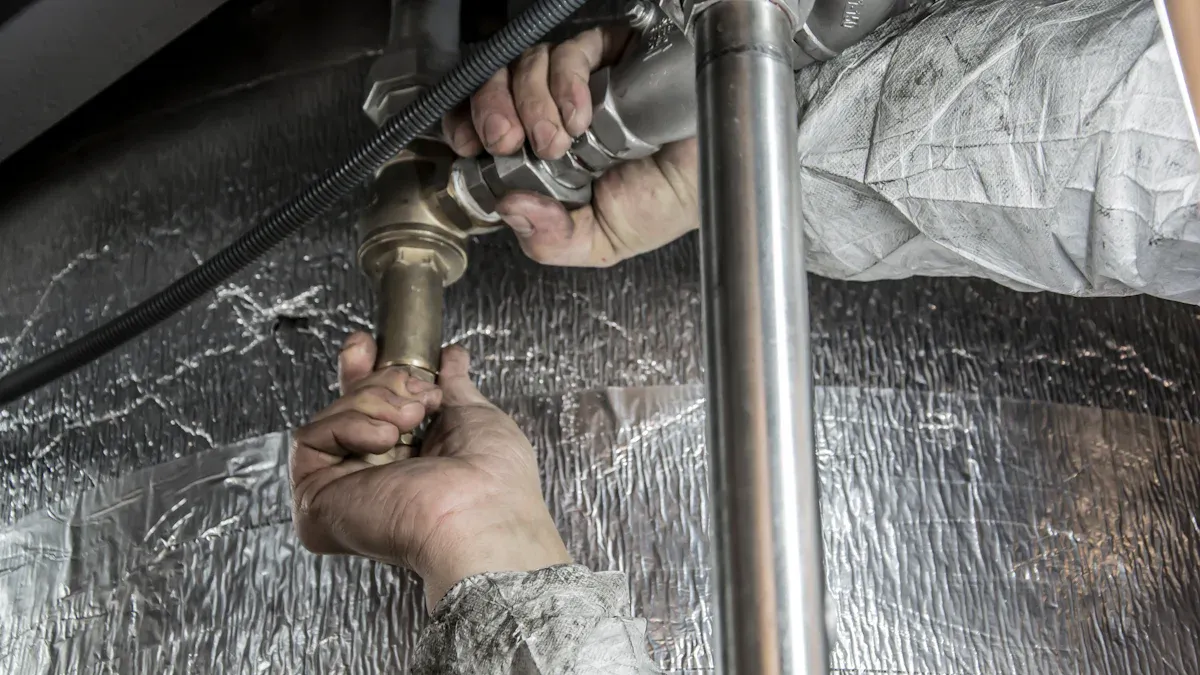
Proper thread standards are essential for ensuring compatibility between the solenoid valve and the piping system. The most widely used thread standards for brass solenoid valves in industrial applications include:
- NPT (National Pipe Thread): This standard is predominantly used in North America. It is common in various industrial applications, including plumbing and HVAC systems.
- BSP (British Standard Pipe): Often found in European systems and imported equipment, this standard is suitable for global markets.
Using the correct thread standard is crucial. Mismatched threads can lead to several issues, such as:
- Distorting valve ports
- Creating internal stress fractures
- Making future removal difficult
- Reducing sealing reliability under pressure
To avoid these problems, follow these steps:
- Confirm the thread type on both the piping and valves.
- Verify the sealing method used.
- Match thread standards intentionally.
- Use adapters when necessary.
- Avoid forcing mismatched threads.
Right Fittings
Selecting the right fittings is equally important during the installation of a 2/2 Way Solenoid Valve. Incorrect fittings can lead to significant risks, including:
- Cracking the valve body due to overtightening of fittings.
- Flow restrictions caused by misaligned piping.
- Leaks resulting from improper installation.
- Increased energy consumption leading to system inefficiencies.
To ensure a successful installation, always choose fittings that match the specifications of the valve and the piping system. This practice not only enhances performance but also extends the lifespan of the components involved.
When installing the valve, take care to align the fittings properly. Misalignment can lead to leaks and operational issues. Always refer to the manufacturer’s guidelines for specific recommendations regarding fitting types and installation procedures.
Electrical Connections
Power Requirements
Understanding the power requirements for a 2/2 Way Solenoid Valve is essential for ensuring proper functionality. The valve typically operates on specific voltage and current specifications. Adhering to these specifications prevents electrical issues that can affect performance.
The following table outlines the standard power requirements for a 2/2 Way Brass Solenoid Valve:
| Specification | Value |
|---|---|
| Coil Power | 10 W |
| Supply Voltage | 120 Vac |
Using the correct voltage and power specifications is crucial. Operating the coil without proper installation can lead to damage or even fire. Therefore, compliance with these specifications is vital for safe and efficient operation.
Wiring the 2/2 Way Solenoid Valve
Wiring the solenoid valve correctly is critical for its operation. Common wiring mistakes can lead to malfunctions or safety hazards. Here are some common pitfalls to avoid during installation:
- Ensure that no moisture or sealing materials enter the coil during installation.
- Keep cable ends chamfered to prevent damage.
- Start wrapping sealing tape at least two turns away from the thread’s end.
- Ensure that the wiring does not enter the coil and that the power cord is kept within an effective length.
Following these guidelines helps maintain the integrity of the electrical connections. Proper wiring ensures that the valve functions correctly and efficiently.
Flow Direction and Orientation
Inlet and Outlet Identification
Identifying the inlet and outlet of a 2/2 Way Solenoid Valve is crucial for proper installation. In a 2-way normally closed solenoid valve, the inlet is referred to as the cavity port, while the outlet is known as the body orifice port. This distinction helps in accurately determining the flow direction and functionality of the valve.
To ensure correct identification, follow these steps:
- Examine the Valve Body: Look for markings or labels indicating the inlet and outlet.
- Consult the Manufacturer’s Documentation: Reference the technical specifications provided by the manufacturer for clarity.
- Check Flow Direction Arrows: Many valves have arrows on their bodies indicating the intended flow direction.
Valve Positioning
Proper valve positioning significantly impacts the efficiency and lifespan of a solenoid valve. The orientation of the valve can affect its operation and maintenance needs. Below is a summary of how different orientations influence performance:
| Orientation Type | Impact on Efficiency | Impact on Lifespan |
|---|---|---|
| Horizontal | Predictable operation, reduced maintenance | Generally longer lifespan due to stable operation |
| Vertical | Potential for sticking and wear, requires careful evaluation | May lead to reduced lifespan if not properly managed |
When installing the valve, consider the following tips for optimal positioning:
- Avoid Vertical Installation: Unless necessary, opt for horizontal placement to minimize wear.
- Ensure Accessibility: Position the valve where it can be easily accessed for maintenance.
- Follow Manufacturer Guidelines: Always adhere to the manufacturer’s recommendations regarding orientation.
By paying attention to inlet and outlet identification and valve positioning, individuals can enhance the performance and longevity of the 2/2 Way Solenoid Valve.
Start-Up Procedures
Initial Checks
Before starting up a newly installed solenoid valve, individuals should perform several essential checks to ensure proper functionality. These checks can help identify potential issues early on. Here are the recommended initial checks:
- Mechanical: Inspect threaded joints, check the valve body for cracks, and confirm the correct thread type.
- Electrical: Verify the voltage supply, check coil continuity, and inspect wiring insulation.
- Flow: Flush lines before final installation, gradually pressurize the system, and observe for leaks.
- Operation: Cycle the valve multiple times to confirm it fully opens and closes, while monitoring for vibration or noise.
Leak Testing
After completing the initial checks, conducting a leak test is crucial. This process ensures that the installation is secure and that no leaks will compromise the system’s integrity. During leak testing, operators should be aware of common issues that may arise. The table below outlines these issues along with their common causes:
| Issue Type | Common Causes |
|---|---|
| Solenoid Valve Not Opening | – No electrical power reaches the coil. |
| – The coil has burned out or failed. | |
| – Dirt or debris blocks the valve. | |
| – The pressure difference is too low for the valve to operate. | |
| – The plunger or internal parts have become stuck. |
| – The manual override is in the wrong position. | |
|---|---|
| Solenoid Valve Not Closing | – Dirt or debris blocks the valve seat. |
| – The plunger or spring inside the valve sticks. | |
| – The coil receives constant power. | |
| – The valve body or diaphragm suffers damage. |
| – Incorrect installation affects the valve’s function. | |
|---|---|
| Solenoid Valve Opens or Closes Partially | – Dirt or debris blocks the valve’s moving parts. |
| – The coil does not get enough voltage. | |
| – The plunger or spring inside the valve has worn out. | |
| – The system pressure is too low or too high. |
| – The valve body has damage or corrosion. | |
|---|---|
| Solenoid Valve Makes Unusual Noise | – Loose or vibrating coil. |
| – Dirt or debris inside the valve. | |
| – Incorrect voltage supplied to the coil. | |
| – Worn or damaged internal parts. | |
| – High system pressure. |
By performing these checks and tests, individuals can ensure that their 2/2 Way Solenoid Valve operates efficiently and safely.
Troubleshooting
Installation Issues
When users encounter installation issues with a 2/2 Way Solenoid Valve, they should follow these troubleshooting steps:
- Verify that the voltage supply matches the allowed voltage of the solenoid coil.
- Ensure that the pressure of the media does not exceed the maximum pressure rating.
- Confirm compatibility of the media with the valve materials.
- Check that media and ambient temperatures are within the valve’s rating.
- Install the valve with the correct flow direction.
- Position the armature tube upwards to minimize sediment issues.
- Fit a filter upstream if the media contains sediment.
These steps help ensure that the installation meets all necessary specifications, reducing the likelihood of operational failures.
Electrical Problems
Electrical problems can significantly affect the operation of a brass solenoid valve. Common issues include:
- Providing the correct voltage is critical to prevent coil failure.
- Incorporating electrical surge protection is essential to safeguard against spikes that can damage coils.
- Ensuring the solenoid coil has the appropriate IP rating is important to prevent water ingress and contamination.
Voltage issues, such as applying a lower voltage than required, can prevent the solenoid from functioning properly. Coil burnout may occur due to environmental factors or electrical spikes. Additionally, faulty electrical connections, including loose wiring or issues with upstream components like relays, can lead to operational failures.
To maintain optimal performance, users should regularly inspect electrical connections and ensure that the power supply remains stable. Addressing these electrical problems promptly can extend the lifespan of the solenoid valve and enhance its reliability.
Final Tips and FAQs
Maintenance Tips
To extend the lifespan of a 2/2 Way Solenoid Valve, users should adopt several maintenance practices. These practices help prevent common issues and ensure optimal performance. Consider the following recommendations:
- Use DZR Brass in water systems to prevent internal corrosion.
- Install proper filtration to keep media free from particulates.
- Avoid overpressure to prevent deformation or seal failure.
- Monitor temperature limits to protect seals and coil insulation.
- Conduct regular maintenance checks for leaks and corrosion.
Implementing these tips can significantly enhance the reliability and efficiency of the solenoid valve. Regular inspections allow users to identify potential problems early, reducing the risk of costly repairs or replacements.
Frequently Asked Questions
Many users have questions regarding the installation and operation of solenoid valves. Here are some common inquiries along with expert answers:
- What is the basic operation of a solenoid valve?
- What are the different types of solenoid valves available?
- In what applications are solenoid valves typically used?
- What troubleshooting tips can help resolve common issues with solenoid valves?
These questions reflect the need for clarity in understanding solenoid valves. Addressing these concerns can empower users to make informed decisions and enhance their operational efficiency.
In summary, proper installation of a 2/2 Way Brass Solenoid Valve involves several critical steps. These include ensuring correct mechanical and electrical connections, identifying flow direction, and conducting thorough start-up procedures.
Following installation guidelines is essential for several reasons:
- Proper installation prevents leaks or failures that could endanger personnel and equipment.
- High-quality valves withstand industrial demands longer, reducing downtime and maintenance costs.
- Choosing the right solenoid valve is vital for maintaining an efficient, safe, and reliable industrial system.
- Installation must comply with product instructions, considering environment, pressure, and temperature.
If individuals encounter challenges during installation, seeking professional assistance is advisable. Expert help can ensure optimal performance and safety.
FAQ
What is a 2/2 Way Brass Solenoid Valve?
A 2/2 Way Brass Solenoid Valve controls fluid flow through two ports: an inlet and an outlet. It operates electrically, using a solenoid to open or close the valve, allowing or stopping fluid passage.
How do I know if my solenoid valve is functioning properly?
Check for smooth operation during cycling. Listen for unusual noises and inspect for leaks. Ensure the valve opens and closes fully when powered. Regular maintenance checks can help identify issues early.
Can I install a solenoid valve outdoors?
Yes, but ensure it has an appropriate IP rating for outdoor use. Protect it from extreme weather conditions and moisture. Proper installation and maintenance will enhance its lifespan in outdoor environments.
What should I do if my solenoid valve is leaking?
First, turn off the power and isolate the valve. Inspect for loose fittings or damaged seals. Tighten connections or replace faulty components as needed. If issues persist, consult a professional for assistance.
How often should I perform maintenance on my solenoid valve?
Conduct maintenance checks at least once a year. Increase frequency if the valve operates in harsh conditions or high-demand applications. Regular inspections help prevent failures and extend the valve’s lifespan.