

Effective sourcing in the pneumatic components industry significantly impacts overall operational efficiency. Companies often face challenges when sourcing from China, including not auditing wholesale solenoid valve suppliers, skipping pre-shipment inspections, and failing to draft clear manufacturing agreements. These issues can lead to quality problems and unexpected costs. Understanding key factors in the industrial valve procurement process helps mitigate such risks. By focusing on these elements, businesses can enhance their strategies for importing air valves from China and ensure they meet pneumatic cylinder quality standards. Additionally, knowing how to find a reliable pneumatic supplier can further improve sourcing outcomes.
Key Takeaways
- Prioritize quality assurance by conducting thorough inspections and utilizing third-party assessments to ensure high standards in pneumatic components.
- Evaluate manufacturer reputation by checking certifications, customer reviews, and their ability to meet compliance standards, which helps minimize sourcing risks.
- Understand cost considerations beyond the initial price, including hidden costs and potential uncertainties, to make informed purchasing decisions.
- Enhance communication with suppliers by simplifying language, using visual aids, and understanding cultural nuances to avoid misunderstandings.
- Account for lead times and delivery schedules to plan production effectively, and explore logistics solutions to mitigate potential delays.
Quality Assurance in Pneumatic Components
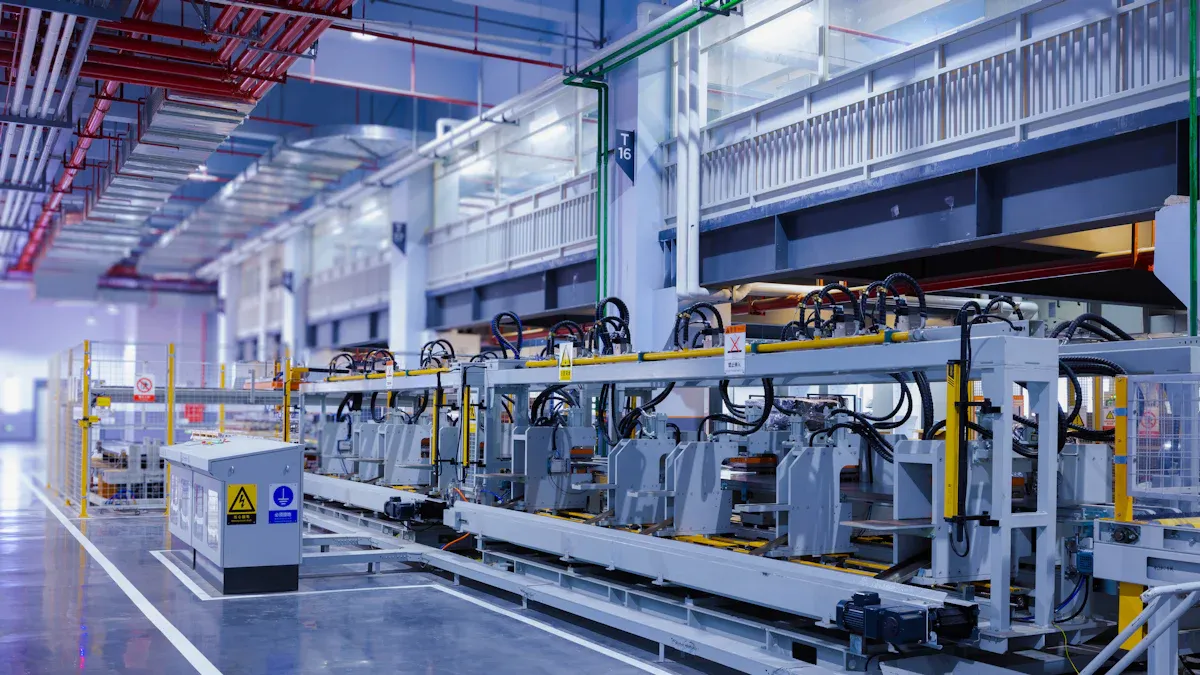
Quality assurance plays a crucial role in the sourcing of pneumatic components. Leading manufacturers in China implement several key processes to ensure that their products meet high standards. These processes include:
- Thorough System Analysis: Manufacturers conduct process mapping, risk assessments, and feasibility studies to identify potential issues early.
- Component Selection: This involves vendor qualification, component testing, and compatibility analysis to ensure that all parts work seamlessly together.
- Design for Manufacturability and Maintainability (DFM/DFM): Focusing on simplified assembly and accessibility helps reduce production costs and improve product reliability.
- Simulation and Modeling: Utilizing advanced tools like CAD and FEA allows manufacturers to predict performance and identify design flaws before production.
- Documentation and Control: Detailed documentation and change management practices ensure that all quality control plans are followed meticulously.
Third-party inspection also plays a vital role in maintaining quality. It provides independent verification of manufacturing processes, ensuring compliance with international standards. The following table outlines the key aspects of third-party inspection:
| Aspect of Inspection | Description |
|---|---|
| Independent Verification | Ensures manufacturing processes comply with international standards. |
| Detailed Assessments | Provides thorough evaluations of product specifications to prevent quality issues. |
| Compliance Monitoring | Aligns with global standards such as API, ASME, and ISO to ensure products meet industry specifications. |
By prioritizing quality assurance, companies can significantly reduce the risk of defects and enhance the reliability of pneumatic components. This proactive approach not only safeguards investments but also fosters long-term partnerships with manufacturers.
Manufacturer Reputation for Pneumatic Components
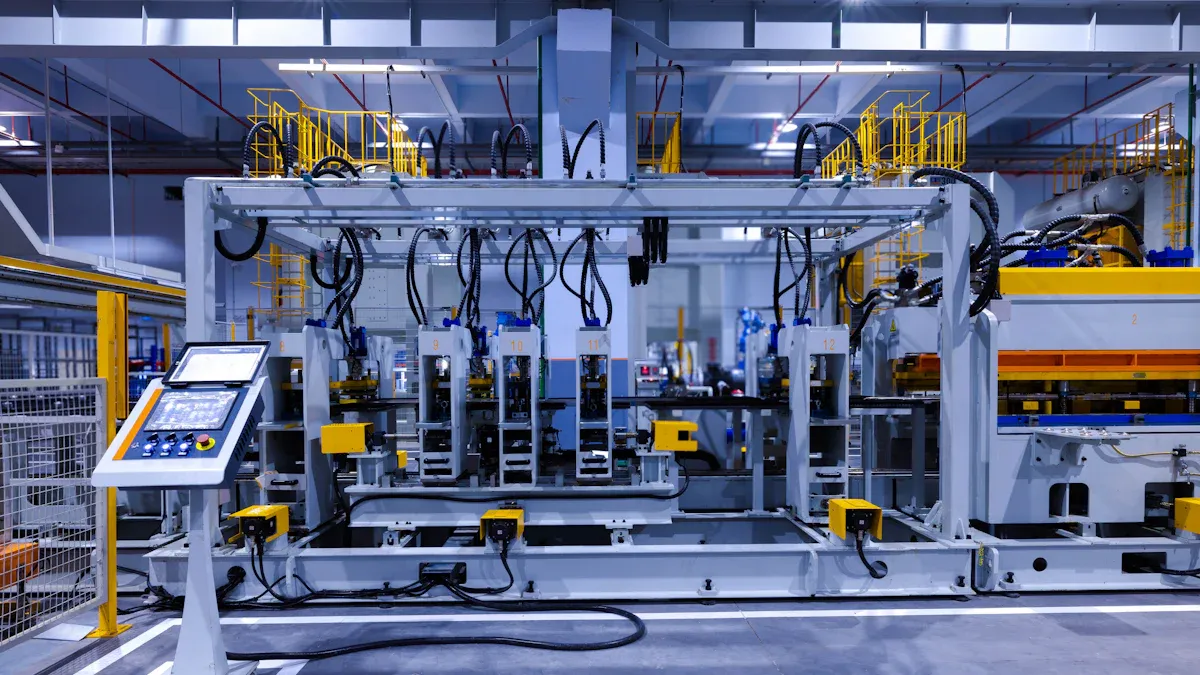
Evaluating the reputation of manufacturers is essential when sourcing pneumatic components from China. A strong reputation often indicates reliability and quality. Companies can assess a manufacturer’s reputation using several criteria:
- Manufacturing Capabilities: Look for ISO 9001 certification, production capacity, and robust quality control systems.
- Technical Competence: Evaluate engineering support, customization ability, and available testing facilities.
- Supply Chain Reliability: Consider lead times, inventory management, and logistics experience.
- Compliance and Certifications: Verify adherence to standards such as CE and RoHS, along with industry-specific certifications.
- Commercial Stability: Assess financial health, export experience, and communication quality.
Customer reviews and testimonials significantly influence a manufacturer’s reputation. Positive feedback can enhance credibility, while negative reviews can raise red flags. For example, Zhejiang Ruituo Automation Co., Ltd. has received a perfect rating of 5.0 out of 5, showcasing its strong reputation in the market.
| Company Name | Rating |
|---|---|
| Zhejiang Ruituo Automation Co., Ltd. | 5.0/5 |
A manufacturer’s reputation can directly impact sourcing decisions. Companies should prioritize manufacturers with a proven track record. This approach minimizes risks and ensures that businesses receive high-quality pneumatic components that meet their operational needs.
By focusing on these reputation factors, companies can build successful partnerships with reliable manufacturers. This strategy not only enhances product quality but also fosters long-term business relationships.
Compliance with Standards for Pneumatic Components
Compliance with industry standards is vital when sourcing pneumatic components. Manufacturers must adhere to various regulations to ensure product safety and performance. These standards often include international guidelines and local regulations. Companies should prioritize sourcing from manufacturers who demonstrate compliance with these standards.
Key standards to consider include:
- ISO Standards: The International Organization for Standardization (ISO) sets benchmarks for quality management systems. ISO 9001 certification indicates that a manufacturer maintains consistent quality in their processes.
- CE Marking: This certification signifies that products meet European safety, health, and environmental protection standards. It is crucial for companies looking to sell pneumatic components in Europe.
- RoHS Compliance: The Restriction of Hazardous Substances (RoHS) directive limits the use of specific hazardous materials in electrical and electronic equipment. Compliance ensures that pneumatic components are safe for use.
- API Standards: The American Petroleum Institute (API) provides standards for equipment used in the oil and gas industry. Manufacturers producing pneumatic components for this sector should comply with API specifications.
Tip: Always request documentation proving compliance with these standards. This practice helps verify that the manufacturer meets necessary requirements.
By ensuring compliance with these standards, companies can mitigate risks associated with product failures and legal liabilities. Additionally, sourcing compliant pneumatic components enhances the overall quality of the final product. This focus on standards not only protects the company but also builds trust with customers.
Cost Considerations for Pneumatic Components
Cost is a critical factor when sourcing pneumatic components from China. Companies must evaluate not only the initial purchase price but also potential hidden costs that can arise during the sourcing process. Understanding these costs helps businesses make informed decisions and avoid unexpected expenses.
Several factors can impact the overall cost of pneumatic components:
| Factor | Impact on Cost |
|---|---|
| Material grade | Affects overall quality and price |
| Production process | Influences manufacturing costs |
| Quality control level | Higher standards can increase costs |
| Packaging standard | Can add to total expenses |
| Testing & certification | Necessary for compliance, adds costs |
| Minimum Order Quantity (MOQ) | Can lead to higher unit prices if negotiated poorly |
When sourcing pneumatic components, companies should also be aware of potential uncertainties. These may include:
- Uncertainty in whether samples reflect bulk production
- Potential shifts in timelines during production
- Slower communication post-order placement
- Trade disruptions affecting shipment routes
By considering these factors, companies can better estimate their total costs. They should also negotiate terms with manufacturers to minimize expenses. For instance, understanding the implications of MOQ can help businesses avoid overpaying for components they do not need.
Communication and Language Barriers in Pneumatic Components Sourcing
Effective communication is vital when sourcing pneumatic components from Chinese manufacturers. Language barriers can lead to misunderstandings, which may affect product quality and delivery timelines. Companies should adopt strategies to overcome these challenges and ensure smooth negotiations.
To enhance communication, consider the following strategies:
- Simplify language by using short and straightforward replies.
- Use commonly understood terms to refer to production elements.
- Ask questions to confirm understanding.
- Utilize universal language tools like drawings or sketches.
- Avoid sending long emails with many instructions at once.
- Use WeChat for faster communication and clarification.
- Consider hiring a translator for complex projects to facilitate better understanding.
Cultural differences also play a significant role in business negotiations. Understanding these nuances can improve interactions with suppliers. Key cultural aspects include:
- Guanxi: Building personal relationships is essential in Chinese business culture. This practice minimizes risks and fosters trust.
- Confucianism: This philosophy emphasizes respect for hierarchy and seniority, influencing management styles and interpersonal interactions.
- Face: The concept of ‘Face’ is crucial. Maintaining dignity and reputation is vital in negotiations, and actions that cause someone to lose face can damage relationships.
By recognizing and addressing communication and cultural barriers, companies can enhance their sourcing experience. This proactive approach not only improves negotiations but also strengthens partnerships with manufacturers, leading to better outcomes in the procurement of pneumatic components.
Lead Times and Delivery of Pneumatic Components
Lead times and delivery schedules are critical factors when sourcing pneumatic components from China. Companies must understand the typical timelines to plan their production effectively. Standard orders usually take 15–30 days for delivery. However, lead times can vary based on the complexity of the components and seasonal demand. For instance, suppliers with 100% on-time delivery rates are more reliable in meeting deadlines, which is essential for maintaining smooth operations.
The typical production lead time for pneumatic components ranges from 4 to 8 weeks. Companies should account for potential shipping delays, which can significantly impact supply chains. Shipping delays from China can halt production in automotive supply chains that rely on just-in-time models. This disruption affects the availability of pneumatic components and can cascade through OEM production schedules across North America.
Additionally, industries that depend on single-source suppliers in China, such as electronics, face operational threats during shutdowns like the Chinese New Year. Suppliers in regions like Mexico and Southeast Asia, which rely on Chinese components, may also experience delays, further complicating the supply chain for pneumatic components.
To mitigate these challenges, companies can explore various logistics solutions. Effective inbound logistics management streamlines operations from vendors to production lines, ensuring timely delivery and optimizing inventory levels. Furthermore, customs and compliance services expedite time-critical deliveries and documentation, facilitating faster shipping.
By understanding lead times and implementing effective logistics strategies, companies can enhance their sourcing processes for pneumatic components. This proactive approach minimizes disruptions and supports efficient production schedules.
After-Sales Support for Pneumatic Components
After-sales support is a critical aspect of sourcing pneumatic components from Chinese manufacturers. Effective support enhances customer satisfaction and fosters long-term relationships. Companies should prioritize manufacturers that offer comprehensive after-sales services. These services can significantly impact the overall experience and reliability of pneumatic components.
Common after-sales support services include:
| Service Type | Description |
|---|---|
| Technical Support | A dedicated team is available for timely assistance with technical issues. |
| Maintenance Services | Technicians quickly diagnose and repair faulty products using advanced tools. |
| Customer Follow-up | Regular follow-ups are conducted to gather feedback and improve services. |
| Spare Parts Supply | Assurance of original spare parts availability for timely replacements. |
| Market Support | Engagement in industry events and promotional activities to enhance brand awareness. |
| Training Services | Professional training on product features, installation, and maintenance is provided. |
| Customized Solutions | Tailored solutions for product selection and troubleshooting are offered. |
Efficient communication is another vital component of after-sales support. Manufacturers should commit to transparent communication to ensure long-term cooperation. This approach helps address any concerns promptly and builds trust between the manufacturer and the customer.
Additionally, quality assurance processes play a significant role in after-sales support. Strict quality control ensures that pneumatic components meet international standards. This commitment to quality not only enhances product reliability but also reassures customers about their purchases.
In summary, sourcing pneumatic components from China requires careful consideration of several key factors:
- Quality assurance
- Manufacturer reputation
- Compliance with standards
- Cost considerations
- Communication and language barriers
- Lead times and delivery
- After-sales support
Applying these factors can lead to improved sourcing outcomes. For instance, a complete range of products from a single supplier simplifies management and ensures timely delivery. Additionally, building strong partnerships with manufacturers fosters innovation and enhances product quality.
By focusing on these elements, companies can optimize their sourcing strategies and capture emerging opportunities in the market.
Tip: Prioritize manufacturers who demonstrate a commitment to quality and compliance. This approach not only protects investments but also strengthens long-term business relationships.
FAQ
What are the key factors to consider when sourcing pneumatic components?
Key factors include quality assurance, manufacturer reputation, compliance with standards, cost considerations, communication, lead times, and after-sales support. Evaluating these elements helps businesses make informed sourcing decisions.
How can companies ensure quality when sourcing from China?
Companies should conduct thorough inspections, request certifications, and engage in third-party quality assessments. Establishing clear communication with manufacturers also enhances quality assurance.
What is the typical lead time for pneumatic components?
Typical lead times range from 4 to 8 weeks, depending on component complexity and seasonal demand. Companies should account for potential shipping delays that may affect production schedules.
How important is after-sales support in sourcing?
After-sales support is crucial for customer satisfaction and long-term relationships. Manufacturers offering technical assistance, maintenance services, and spare parts supply enhance the overall sourcing experience.
How can language barriers impact sourcing?
Language barriers can lead to misunderstandings, affecting product quality and delivery. Companies should simplify communication, use visual aids, and consider hiring translators to facilitate better interactions.