
Why is Straight Line Motion Essential in Modern Automation?
In the rapidly evolving landscape of industrial automation, achieving precise and reliable straight line motion is a fundamental requirement. From the simple task of opening a safety gate to the complex high-speed sorting in a packaging facility, linear movement is the backbone of countless mechanical processes. But among the vast array of industrial parts, what pneumatic component provides straight line motion? The answer lies in the pneumatic cylinder, a versatile and robust device that has become the industry standard for linear actuation.
This professional guide explores the intricate world of pneumatic cylinders, detailing their internal mechanics, diverse configurations, and the critical role they play in modern manufacturing. We will delve into why these air cylinders are preferred over other actuation methods, how to select the right pneumatic actuator for your specific application, and the technological advancements that continue to make compressed air cylinders a cornerstone of efficient, cost-effective automation. Whether you are an engineer designing a new system or a procurement specialist sourcing reliable components, understanding the capabilities of the pneumatic cylinder is essential for optimizing your industrial operations.
What is a Pneumatic Cylinder?
How Does the Internal Mechanism of a Pneumatic Cylinder Work?
At its core, a pneumatic cylinder is a mechanical device that converts the potential energy of compressed air into kinetic energy in the form of linear motion. The basic construction consists of a cylindrical barrel, a piston, and a piston rod. When pressurized air enters one end of the barrel, it exerts force against the surface area of the piston. This pressure differential causes the piston to move along the length of the barrel, extending or retracting the attached rod.
The beauty of this pneumatic actuator lies in its simplicity. By controlling the flow and pressure of the air using valves, operators can achieve precise control over the speed, force, and direction of the stroke. This process is highly efficient and can be repeated millions of times with minimal maintenance, making the air cylinder an ideal choice for high-cycle industrial environments.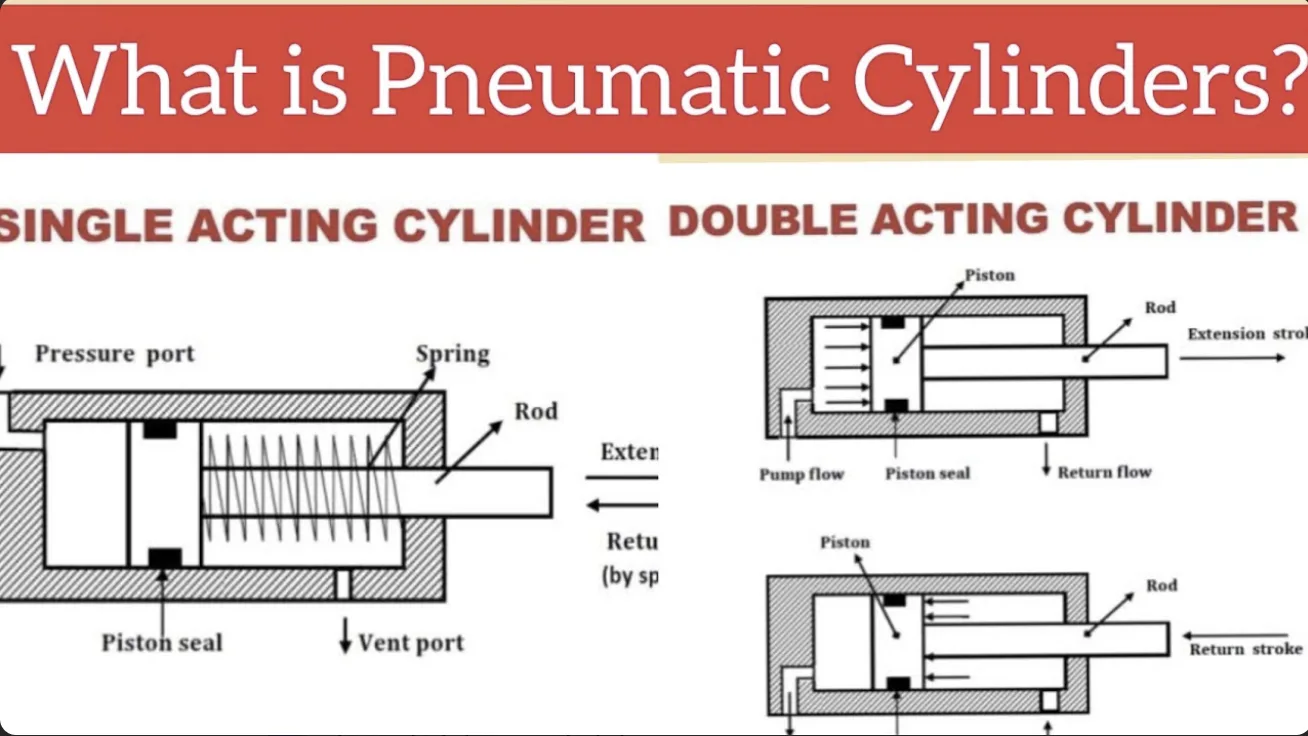
Why Choose a Pneumatic Cylinder Over Electric or Hydraulic Actuators?
When deciding on a linear motion solution, engineers often compare pneumatic cylinders with electric and hydraulic alternatives. Each has its strengths, but the compressed air cylinder offers a unique set of advantages that make it the go-to choice for many applications:
•Cost-Effectiveness: Pneumatic systems generally have a lower initial purchase price and lower installation costs compared to complex electric or high-pressure hydraulic systems.
•Durability and Reliability: These pneumatic actuators are incredibly robust. They can operate in harsh environments, including extreme temperatures, dust, and moisture, where sensitive electronics might fail.
•Safety: Since they use air rather than electricity or flammable hydraulic fluid, air cylinders are inherently safer in explosive or wash-down environments.
•Speed and Force: They can provide high-speed movement and significant force in a compact package, perfect for rapid-fire assembly lines.
| Feature | Pneumatic Cylinder | Electric Actuator | Hydraulic Actuator |
|---|---|---|---|
|
Primary Energy Source |
Compressed Air |
Electricity |
Hydraulic Fluid |
|
Initial Cost |
Low |
Medium to High |
High |
|
Complexity |
Low |
High |
Medium |
|
Precision |
Moderate |
Very High |
High |
|
Maintenance |
Low |
Moderate |
High (Leakage risks) |
|
Environment Suitability |
Harsh/Wash-down |
Clean/Controlled |
Heavy Duty/High Force |
What are the Key Components of a High-Quality Pneumatic Cylinder?
To ensure long-term performance, a high-quality pneumatic cylinder must be constructed from premium materials. The barrel is typically made of aluminum or stainless steel for corrosion resistance. The piston seals are critical; they must maintain a tight air seal while minimizing friction. Modern air cylinders often feature self-lubricating seals and integrated cushioning to reduce impact at the end of the stroke, further extending the lifespan of the pneumatic actuator.
What are the Different Types of Pneumatic Cylinders for Linear Motion?
Selecting the right pneumatic cylinder for your application requires an understanding of the various types available. Each configuration is designed to meet specific performance requirements, from simple one-way pushing to complex, long-stroke movements.
What is the Difference Between Single-Acting and Double-Acting Pneumatic Cylinders?
The most common classification of pneumatic cylinders is based on how they achieve their stroke.
•Single-Acting Pneumatic Cylinders: These air cylinders use compressed air to move the piston in one direction (usually extending) and a mechanical spring to return it to its original position. They are ideal for simple tasks like clamping, ejecting, or lifting where force is only required in one direction.
•Double-Acting Pneumatic Cylinders: These pneumatic actuators use compressed air to power both the extension and retraction strokes. This allows for greater control over the movement and the ability to provide force in both directions. Double-acting compressed air cylinders are the most widely used type in industrial automation due to their versatility and efficiency.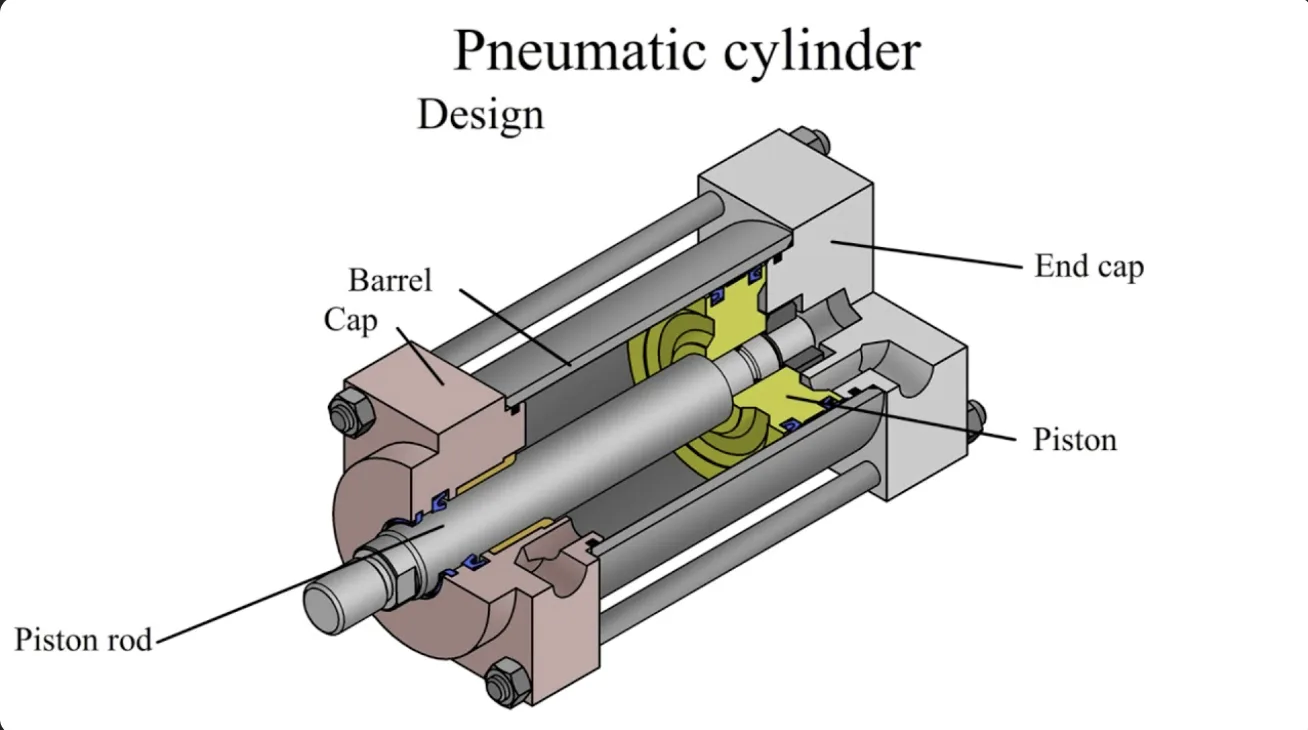
When Should You Use a Rodless Pneumatic Cylinder for Linear Motion?
In applications where space is limited or a very long stroke is required, a rodless pneumatic cylinder is an excellent choice. Unlike traditional air cylinders, the rodless version does not have a piston rod that extends outside the barrel. Instead, the load is attached to an internal piston that moves along the length of the cylinder. This design allows for a much more compact footprint and can achieve stroke lengths of several meters, making it ideal for large-scale material handling and conveyor systems.
What are Telescopic Pneumatic Cylinders and Their Unique Benefits?
For applications that require a long stroke but have very little installation space, telescopic pneumatic cylinders provide a unique solution. These pneumatic actuators consist of multiple nested stages that extend sequentially. This allows for a very long total stroke while maintaining a short retracted length. You will often find these compressed air cylinders in lifting equipment, dump trucks, and other heavy-duty machinery where space is at a premium.
Where are Pneumatic Cylinders Most Commonly Used in Industry?
The versatility of the pneumatic cylinder makes it a ubiquitous component across a wide range of industries. Its ability to provide reliable, high-speed straight line motion is essential for modern manufacturing.
How are Pneumatic Cylinders Utilized in Packaging and Material Handling?
In the packaging industry, pneumatic cylinders are used for everything from carton sealing and labeling to high-speed sorting on conveyor belts. Their ability to provide rapid, repetitive linear motion is critical for maintaining high production rates. These air cylinders are often integrated into complex automated systems that require precise timing and coordination.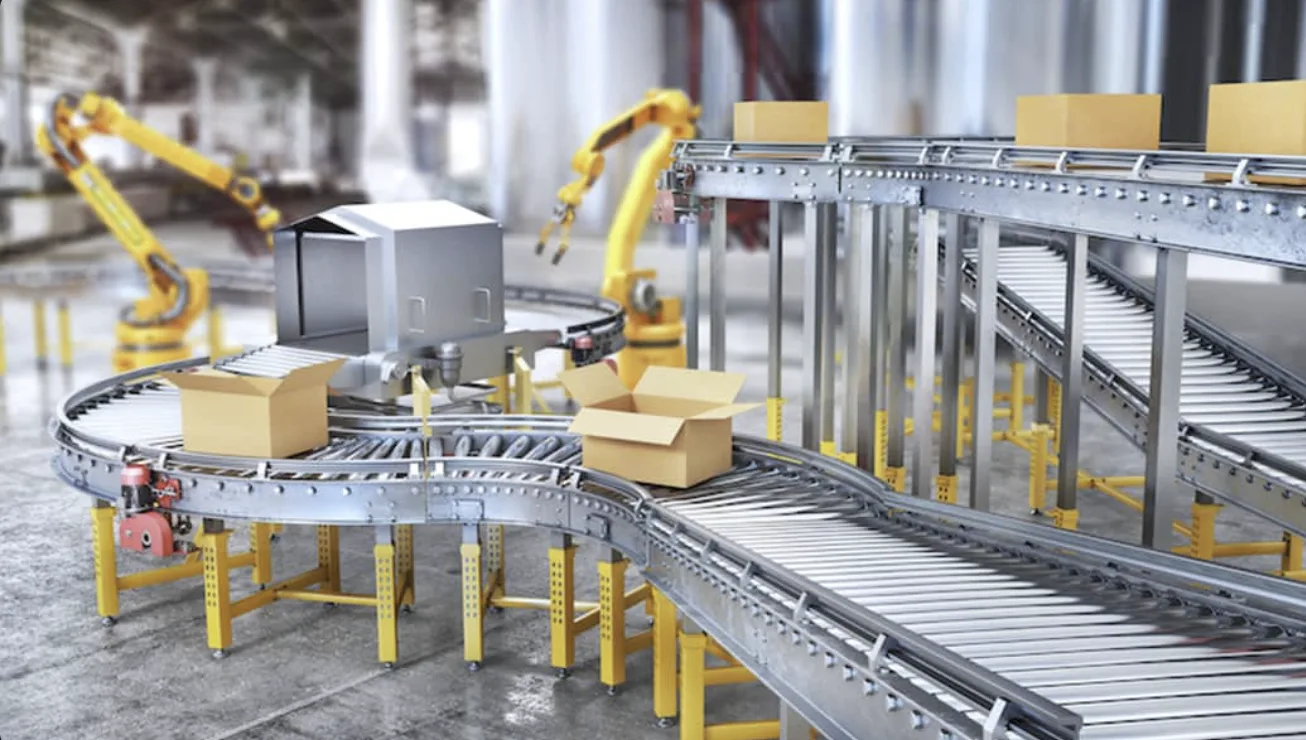
What Role Do Pneumatic Cylinders Play in Robotics and Automated Assembly?
Robotic systems rely heavily on pneumatic actuators for their arms, grippers, and other moving parts. The lightweight and high-speed nature of compressed air cylinders makes them ideal for the rapid movements required in automated assembly lines. From picking and placing small electronic components to welding large automotive parts, the pneumatic cylinder provides the necessary linear motion for a wide variety of robotic tasks.
Why are Pneumatic Cylinders Preferred in the Food and Beverage Industry?
The food and beverage industry has strict hygiene and safety requirements. Pneumatic cylinders are often preferred because they use clean, compressed air rather than hydraulic fluid, which could contaminate food products in the event of a leak. Many air cylinders designed for this industry are made of stainless steel and feature specialized seals that can withstand frequent wash-downs with harsh cleaning chemicals.
How to Choose the Right Pneumatic Cylinder for Your Application?
Selecting the ideal pneumatic cylinder for your specific needs requires careful consideration of several factors. The market in 2026 offers a diverse range of products, each with unique features and benefits. Understanding these key aspects will empower you to make an informed decision that aligns with your industrial requirements.
What are the Most Important Factors to Consider When Selecting a Pneumatic Cylinder?
When choosing a pneumatic cylinder, you must consider the following factors:
•Force Requirement: The amount of force required for your application will determine the bore size of the air cylinder. You can calculate the force using the formula: Force = Pressure × Area.
•Stroke Length: The distance the piston needs to travel will determine the stroke length of the pneumatic actuator.
•Speed and Cycle Time: The speed at which the compressed air cylinder needs to operate will determine the size of the air ports and the type of valves required.
•Environment: The operating environment will determine the materials and seals required for the pneumatic cylinder. For example, a wash-down environment will require stainless steel and specialized seals.
•Mounting Type: The way the air cylinder is mounted will determine the type of mounting brackets and hardware required.
How to Calculate the Force Required for a Pneumatic Cylinder?
Calculating the force required for a pneumatic cylinder is a straightforward process. The force is equal to the air pressure multiplied by the surface area of the piston. For example, if you have an air pressure of 6 bar (87 psi) and a piston with a diameter of 50 mm (1.97 inches), the force would be approximately 1,178 Newtons (265 pounds). It’s important to consider both the extension and retraction forces, as the retraction force will be slightly lower due to the area of the piston rod.
What are the Most Common Mounting Types for Pneumatic Cylinders?
There are several common mounting types for pneumatic cylinders, each with its own advantages:
•Flange Mounting: This is a simple and secure way to mount the air cylinder to a flat surface.
•Pivot Mounting: This allows the pneumatic actuator to rotate, providing a greater range of motion.
•Foot Mounting: This is a common way to mount the compressed air cylinder to a base or frame.
•Clevis Mounting: This allows the pneumatic cylinder to pivot on a pin, providing a flexible connection.
Conclusion: The Enduring Importance of the Pneumatic Cylinder in Automation
In 2026, the pneumatic cylinder remains an essential component for achieving reliable, high-speed straight line motion in industrial automation. Its simplicity, durability, and cost-effectiveness make it the preferred choice for a wide range of applications, from simple material handling to complex robotic systems. By understanding the different types of air cylinders available and the key factors to consider when selecting one, you can optimize your industrial operations and achieve greater efficiency and productivity. As technology continues to advance, the pneumatic actuator will continue to evolve, providing even greater performance and versatility for the future of manufacturing.
FAQ
What pneumatic component provides straight line motion?
The pneumatic cylinder is the primary component that provides straight line, linear motion in a pneumatic system. It converts the potential energy of compressed air into kinetic energy through the movement of a piston within a cylindrical barrel.
What is the difference between a pneumatic cylinder and an air cylinder?
The terms pneumatic cylinder and air cylinder are often used interchangeably. Both refer to the same mechanical device that uses compressed air to create linear motion.
How long do pneumatic cylinders typically last?
The lifespan of a pneumatic cylinder depends on several factors, including the operating environment, the frequency of use, and the quality of the materials and seals. However, a high-quality air cylinder can typically last for millions of cycles with minimal maintenance.
Can pneumatic cylinders be used in wash-down environments?
Yes, many pneumatic cylinders are specifically designed for use in wash-down environments. These air cylinders are typically made of stainless steel and feature specialized seals that can withstand frequent cleaning with harsh chemicals.
What are the most common causes of pneumatic cylinder failure?
The most common causes of pneumatic cylinder failure include seal wear, contamination of the air supply, and improper mounting. Regular maintenance and the use of high-quality components can help prevent these issues and extend the lifespan of your pneumatic actuator.