
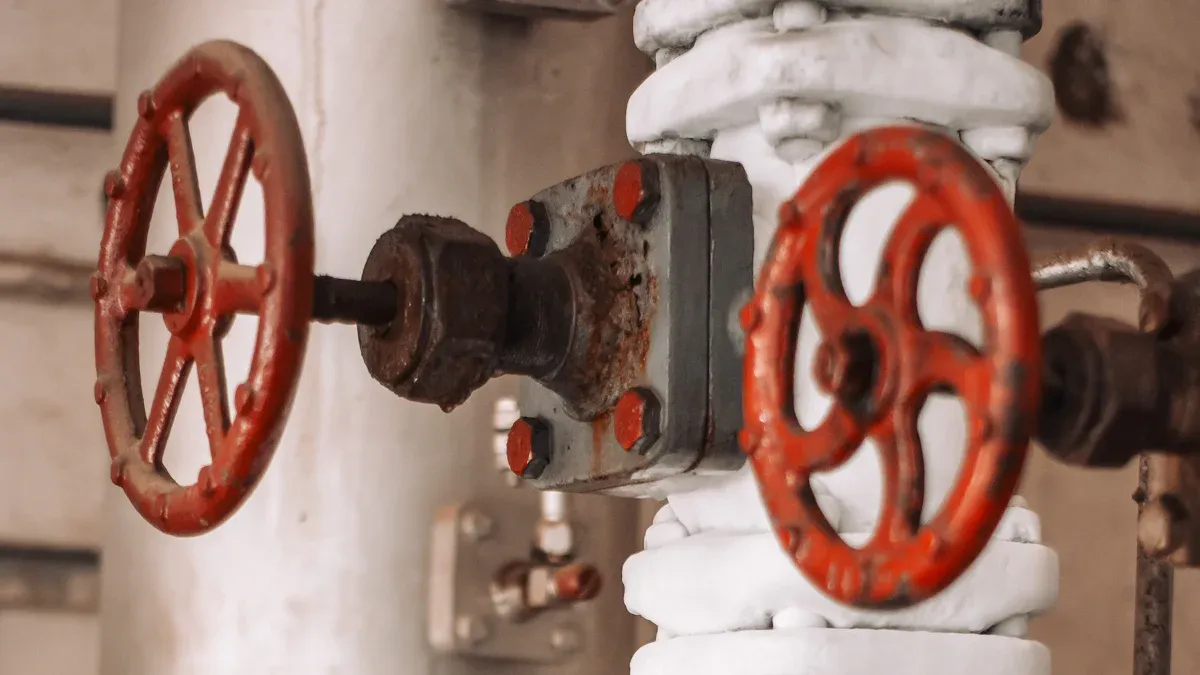
Solenoid valves can often replace a Pneumatic Valve in numerous applications, though this replacement isn’t universal. The feasibility largely depends on specific operational demands and environmental factors. Understanding the fundamental distinctions between these valve types is crucial for informed decisions. For instance, engineers frequently ask, "How to evaluate solenoid valve quality?" when considering a switch. Knowing "Which solenoid valve materials suit corrosive liquids?" also guides selection for challenging environments. A reliable SENYA solenoid valve, such as a water treatment solenoid valve, offers precise control in suitable scenarios, showcasing the versatility of the solenoid valve itself.
Key Takeaways
- Solenoid valves use electricity. They open and close quickly. This makes them good for fast, precise tasks.
- Pneumatic valves use compressed air. They are strong. They work well in dangerous places and with heavy loads.
- Solenoid valves are small and quiet. They are easy to install. They do not need an air supply.
- Pneumatic systems are often noisy. They need more space. They require air compressors and tanks.
- Choosing the right valve depends on the job. Consider speed, power, and safety needs.
Solenoid Valve vs. Pneumatic Valve: Core Operational Differences
How a Solenoid Valve Works
A solenoid valve operates by converting electrical energy into a linear mechanical force. An electromagnetic coil within the valve generates magnetism when current flows through it. This magnetism physically moves an armature, which is often a rod or metallic arm. In a plunger solenoid, an iron rod connects to contacts and inserts into the coiled cylinder. When electrical current passes through the coil, it creates a magnetic field. This field attracts the rod into the coil chamber, moving contacts into a closed position. When the current turns off, the magnetic force disappears. A spring then returns the rod to its original resting position. This back-and-forth motion of the rod controls mechanical devices like valve seats. A solenoid valve combines this electromagnet with a valve body containing orifices. The movement of a core controls fluid flow when the solenoid receives power or loses power.
How a Pneumatic Valve Works
Pneumatic valves use compressed air to control fluid flow. Compressed air enters the valve compartment. This air actuates a flow control device, such as a spool or piston, to direct or regulate airflow. Many pneumatic valves feature a spooled design. This design includes a cylindrical internal body and a sliding spool with seals. This allows for bi-directional flow. The spool’s movement is primarily driven by electromagnetic force in some designs, though working air pressure also plays a role. When the valve loses power, components return to their default positions. A spring mechanism often aids this return. The plunger resets when the electric current reverses or withdraws, closing orifices and stopping airflow. Electromagnetic force is crucial for flow actuation. The current supply and solenoid coil design influence this force. More windings amplify the magnetic flux.
Power Source and Actuation: Solenoid Valve vs. Pneumatic Valve
Electrical Actuation of Solenoid Valves
A solenoid valve relies on electricity for its operation. An electrical current flows into a coil of wire. This current creates a magnetic field around the coil. The magnetic field then pulls a metal plunger or armature. This movement directly opens or closes the valve’s port. The valve responds quickly to electrical signals. This direct electrical control makes solenoid valves easy to integrate with electronic control systems. They do not need an external power source like compressed air. This simplifies their installation in many settings.
Compressed Air Power for Pneumatic Valves
Pneumatic valves use compressed air as their power source. An air compressor generates this compressed air. Air lines then deliver the air to the valve. Inside the valve, the compressed air pushes on a piston or spool. This mechanical force moves the internal components. The movement controls the flow of fluid or air through the valve. Pneumatic systems require an air supply infrastructure. This includes compressors, filters, and dryers. These components ensure a clean and consistent air supply. The force from compressed air can be very strong. This allows pneumatic valves to handle larger loads or pressures.
Response Time and Control Precision
Solenoid Valve Switching Speed
Solenoid valves are known for their rapid response times. They switch very quickly. An electrical signal instantly energizes the coil. This causes the plunger to move almost immediately. This fast action allows for precise control in applications needing quick changes. For example, a solenoid valve can open and close many times per second. This speed is crucial for tasks like dispensing small, exact amounts of liquid. It also helps in systems that require rapid cycling. The direct electrical actuation makes this high switching speed possible. This makes them suitable for automated processes where timing is critical.
Pneumatic Valve Actuation Accuracy
Pneumatic valves offer good actuation accuracy. They use compressed air to move internal parts. This movement controls the flow. While not always as fast as solenoid valves, pneumatic valves provide consistent and reliable positioning. The force from compressed air can be finely controlled. This allows for smooth and precise adjustments. Many pneumatic systems use feedback loops. These loops help maintain exact positions or flow rates. This accuracy is important in industrial settings. For instance, they control robotic arms or adjust large machinery. The robust mechanical design of pneumatic valves also contributes to their stable and accurate operation over time.
Energy Consumption and Efficiency Considerations
Electrical Power Needs of Solenoid Valves
Solenoid valves require electrical power to operate. This power energizes the coil, which then moves the internal components. The amount of electricity a solenoid valve uses varies by its size and design. A typical continuously energized valve consumes a specific amount of power for actuation.
| Characteristic | Value |
|---|---|
| Power Consumption | 28 Watts / 0.50 Amps |
| Duty Cycle | 100% (but not indefinitely) |
| Actuation Requirement | 28 Watts or 0.50 Amps |
| Continuous Use Impact | Reduces coil life |
| Fail-safe Installation | Not recommended continuously |
This table shows a common power draw. While a solenoid valve can operate at a 100% duty cycle, continuous energization is not always ideal. It can reduce the coil’s lifespan. Engineers often design systems to minimize continuous power to extend valve life. This approach helps manage long-term energy costs and maintenance.
Air Consumption in Pneumatic Systems
Pneumatic systems rely on compressed air. Generating compressed air requires significant energy. Air compressors consume electricity to pressurize ambient air. This process is often inefficient. Energy losses occur during compression, cooling, and distribution. Leaks in air lines and fittings also waste a lot of energy. These leaks force the compressor to work harder and longer. Maintaining a consistent supply of compressed air means ongoing energy consumption. The overall energy footprint of a pneumatic system can be substantial due to these factors. This makes the initial and operational costs higher than direct electrical actuation in some cases.
Environmental Suitability and Durability
Solenoid Valve Performance in Harsh Conditions
Solenoid valves perform well in many challenging environments. Their design allows them to operate in various temperatures and pressures. The materials used for seals and valve bodies determine these limits. For example, NBR seals work in temperatures up to 120°C (248°F). FKM seals can handle higher temperatures, up to 200°C (392°F). Specialized valves can withstand even more extreme heat. High-temperature steam solenoid valves, often made of stainless steel, can operate at 400°C (752°F) or higher. Brass valves typically manage temperatures up to 200°C (392°F). Cast iron valves are suitable for 150°C (302°F) to 250°C (482°F). This adaptability makes them useful in diverse industrial settings.
| Component/Valve Type | Temperature Range |
|---|---|
| NBR Seals | Up to 120°C (248°F) |
| FKM Seals | Up to 200°C (392°F) |
| Most Industrial-Grade Steam Solenoid Valves | 150°C (302°F) to 400°C (752°F) |
| Two-Way Steam Solenoid Valves | 200°C (392°F) to 350°C (662°F) |
| Three-Way Steam Solenoid Valves | 200°C (392°F) to 350°C (662°F) |
| High-Temperature Steam Solenoid Valves | Up to 400°C (752°F) or higher |
| Stainless Steel Valves | Up to 400°C (752°F) or higher |
| Brass Valves | Up to 200°C (392°F) |
| Cast Iron Valves | 150°C (302°F) to 250°C (482°F) |
Pneumatic Valve Robustness and Longevity
Pneumatic valves are known for their robustness and long operational life. They often feature simple, sturdy mechanical designs. This construction allows them to endure harsh physical conditions. They resist vibrations and impacts well. Many industries use pneumatic valves in dirty or dusty environments. Their reliance on compressed air, rather than electricity, can make them safer in explosive atmospheres. They do not generate sparks. This makes them a preferred choice in certain hazardous locations. Pneumatic valves also maintain consistent performance over many cycles. Their durable components contribute to their extended longevity in demanding industrial applications.
Maintenance Requirements and Associated Costs
Solenoid Valve Serviceability
Maintaining valves ensures their long-term performance. Common maintenance tasks for these valves include:
- Disconnecting the power source and depressurizing the system.
- Inspecting the coil for cracks, burnout, moisture, or damaged connections.
- Cleaning internal parts like the plunger, seal, spring, and o-ring by wiping dust and washing with water.
- Inspecting internal parts for signs of swelling, cracking, deterioration, broken coils, deposits, rust, and scratches near the orifice.
- Repairing or replacing faulty components or the entire valve. Consider cost-effectiveness, sweat fittings, and impact on larger systems.
- Reassembling the valve, ensuring correct installation.
- Testing the valve for proper function, leaks, or unusual noises.
- Recording maintenance details for tracking performance and future planning.
Valves typically require maintenance every 6 to 12 months. However, the frequency of servicing can change based on the valve’s design, application, and manufacturer’s recommendations. Harsh applications may need more frequent attention. Proper lubrication and the type of media significantly impact component life. For example, components may wear out after 100,000 cycles without proper lubrication. Lubricating media can extend their life to millions of cycles.
Pneumatic System Upkeep
Pneumatic systems need regular inspection and maintenance to ensure continued function and high safety levels. Neglecting maintenance can lead to efficiency loss, system failure, and costly downtime. Adhering to a maintenance schedule avoids these problems and extends the lifespan of system components. Key maintenance activities include:
- Detecting and repairing leaks: Leaks cause pressure drops, increased system load, wasted compressed air, and rising operational costs. Leaks often occur at seals, gaskets, fittings, and joints. Promptly tighten loose components, use adhesive, or replace damaged parts.
- Confirming proper lubrication: Regular lubrication of machine parts ensures operational efficiency. It reduces friction and prevents wear and tear.
- Checking and changing filters: This is a high-priority activity to maintain system function.
- Maintaining a cleaning schedule: Regular cleaning keeps pneumatic-powered equipment running efficiently.
Regular maintenance offers several benefits:
- Assurance of Safety: It ensures machinery operates safely, minimizing harm to operators.
- Efficient Performance: Regular inspection and lubrication prevent wear and tear, maintaining operational efficiency.
- Labor Reductions: Scheduled preventive maintenance takes less time and expense than repairing mechanical failures. It avoids unscheduled downtime.
- Extended Lifetime of System Components: It prolongs the life of costly components and often keeps manufacturer warranties valid.
Flow Capacity and Pressure Handling Capabilities

Solenoid Valve Flow Characteristics
Solenoid valves manage fluid flow through their internal design. The size of the valve’s orifice directly affects its flow capacity. Smaller orifices restrict flow, making these valves suitable for precise control of smaller volumes. Larger orifices allow more fluid to pass through. Engineers select the appropriate orifice size based on the application’s flow requirements. Direct-acting solenoid valves open and close directly by the plunger’s movement. They typically handle lower flow rates. Pilot-operated solenoid valves use a small pilot passage to control a larger main valve. This design allows them to manage higher flow rates and pressures than direct-acting types. They are often chosen for applications needing accurate, measured fluid delivery.
Pneumatic Valve Pressure Capabilities
Pneumatic valves excel at handling significant pressure and delivering substantial force. They use compressed air to actuate their internal mechanisms. This compressed air provides a powerful and reliable force. Many industrial applications require high operating pressures. Pneumatic valves are well-suited for these demands. Their robust construction allows them to withstand high-pressure environments without compromise. They can control large volumes of air or other gases effectively. This capability makes them ideal for heavy-duty machinery and systems that require strong, consistent actuation. For example, they operate large cylinders or control high-pressure lines in manufacturing processes. Their design ensures stable performance even under challenging pressure conditions.
Noise Levels and Operational Sound Output
Solenoid Valve Acoustic Output
Solenoid valves generally operate with minimal noise. Their design involves electrical actuation, which produces less mechanical sound compared to systems relying on compressed air. During normal operation, a universal solenoid valve typically generates noise levels between 40 dB and 70 dB. A 40 dB sound is similar to the quiet atmosphere of a library. A 70 dB sound, however, resembles the noise level in a busy office environment. This relatively low acoustic output makes them suitable for applications where noise reduction is important. Engineers often choose these valves for environments requiring quiet operation, such as medical facilities or residential settings. The absence of a continuous air supply also contributes to their quieter performance.
Pneumatic System Noise Generation
Pneumatic systems, especially those with air compressors, can produce significant noise. Air compressors typically generate noise levels ranging from 40 to 92 decibels. Several factors contribute to this noise.
- Friction: This is particularly relevant in compressors with many moving parts, such as reciprocating compressors. High RPMs in compact inflators also generate significant noise due to friction.
- Power Source: Gas-powered compressors are inherently louder than electric-powered ones because they utilize an engine to generate power.
- Proximity: The closer one is to the air compressor, the louder the perceived noise will be.
These systems often require noise reduction strategies, such as sound enclosures or remote compressor placement, to meet occupational noise standards. The continuous operation of compressors and the release of compressed air contribute to the overall acoustic output of pneumatic systems.
Reliability During Power Loss: Solenoid Valve vs. Pneumatic Valve
Solenoid Valve Fail-Safe Options
Power loss is a critical event for many systems. Solenoid valves offer specific behaviors during these failures. These are called fail-safe options. One option is Fail Open (FO). The valve opens when it loses power or a signal. These valves typically need air pressure to stay closed. Without power, they naturally open. Another option is Fail Closed (FC). The valve closes when power or a signal is lost. This is the opposite of Fail Open. Air pressure keeps the valve open. Losing power causes it to close.
Some valves offer Fail in Place. The valve stays in its current position if power is lost. This is useful when a process should not stop. Fail-safe normally-closed valves close automatically. An internal spring often causes this. For example, a specific valve uses a spring to close when power is removed. Fail-safe normally-open valves open automatically. These are less common. They are crucial in systems like cooling. They also work where flow stops for maintenance. Finally, Fail-to-position valves move to a specific point. This includes fail-freeze. They remain in their last position during a power failure. This is helpful when a process cannot shut down.
Pneumatic Valve Behavior During Power Interruptions
Pneumatic valves operate using compressed air. They do not directly rely on electricity for their main movement. However, an electrical signal often controls them. If this electrical signal is lost, the valve’s behavior depends on its design. Many pneumatic valves have a spring return mechanism. They will revert to a default position, either open or closed. This happens when the electrical control signal disappears.
If the compressed air supply itself fails, the valve cannot move. It will remain in its last position. This is because it lacks the force to change state. Therefore, the reliability of pneumatic valves during power loss depends on both the electrical control signal and the continuous supply of compressed air.
Portability and Installation Flexibility
Solenoid Valve Size and Weight
Solenoid valves offer significant advantages in terms of size and weight. They are often compact and lightweight. This makes them easy to handle and install in tight spaces. Their small footprint allows engineers to integrate them into complex machinery without needing much room. This portability simplifies system design and reduces overall equipment size. For example, a common industrial valve has these measurements:
| Characteristic | Measurement |
|---|---|
| Weight | 2 lbs 5 oz |
| Height | 4.50 inches |
| Length (port to port) | 3.25 inches |
| Width | 2.60 inches |
These small dimensions mean less structural support is necessary. They also make transportation and relocation of equipment simpler. Their compact nature contributes to more flexible installation options across various applications.
Pneumatic System Footprint
Pneumatic systems generally require a larger physical footprint compared to systems using only electrical valves. This is because they need several additional components. A pneumatic system requires an air compressor to generate compressed air. It also needs air tanks to store the air. Furthermore, it uses filters and dryers to ensure the air is clean and dry. These components take up considerable space. They often need a dedicated area or room. The network of air lines connecting these components to the valves also adds to the overall system size. This larger footprint can limit installation flexibility, especially in environments with restricted space. The need for a robust air supply infrastructure makes pneumatic systems less portable than their electrically actuated counterparts.
When a Solenoid Valve is the Preferred Choice
Choosing the right valve for an application is crucial. Solenoid valves offer distinct advantages in specific scenarios. They become the preferred choice when certain operational demands are present.
Applications Requiring Rapid Cycling
Solenoid valves excel in applications needing very fast and frequent operations. Their electrical actuation allows for quick opening and closing. This speed is essential in many modern industrial processes. For example, automotive assembly lines frequently choose solenoid valves. These valves enable sub-second cycle times. They efficiently support large bore cylinders. They also reduce system complexity. This minimizes the need for multiple valves. Solenoid valves minimize compressed air waste. They provide the rapid response necessary for modern high-speed production lines. These lines often operate at 60 or more jobs per hour. Their ability to switch quickly ensures high throughput and efficiency in automated systems.
Systems with Limited Air Supply
Some environments do not have a readily available or cost-effective compressed air supply. In these situations, solenoid valves are a superior option. They only require an electrical connection. This eliminates the need for air compressors, air tanks, and extensive piping. This simplifies installation and reduces infrastructure costs. It also makes them suitable for remote locations or mobile equipment. The absence of a pneumatic system footprint allows for greater portability and installation flexibility.
Precision Dosing and Small-Scale Control
Solenoid valves are ideal for tasks requiring precise control over small fluid volumes. Their quick and accurate response allows for exact dosing. This is critical in industries like pharmaceuticals, medical devices, and chemical processing. They can open and close for very short durations. This delivers precise amounts of liquid or gas. Their compact size also makes them suitable for integration into small-scale systems. These systems often demand high accuracy and repeatability. A solenoid valve provides the fine control needed for these delicate operations.
When a Pneumatic Valve Remains Superior
Choosing the right valve is crucial for system performance. Pneumatic valves offer distinct advantages in specific applications. They remain the superior choice when certain operational demands are present.
High Force and Torque Applications
Pneumatic valves excel in applications requiring significant force and torque. They use compressed air to generate powerful movements. This makes them ideal for heavy-duty industrial tasks. For example, pneumatic actuators can lift heavy loads. They can also clamp large workpieces securely. Their ability to deliver high force consistently makes them indispensable in manufacturing. Industries like automotive assembly and metal fabrication often rely on pneumatic systems. These systems power presses, robotic arms, and material handling equipment. The robust nature of pneumatic components allows them to withstand continuous high-force operations. This ensures reliable performance in demanding environments.
Hazardous Environments
Pneumatic valves are often the preferred choice in hazardous environments. They offer inherent safety benefits in these dangerous areas. Pneumatic valves operate using compressed air. They do not generate sparks. They also do not use electricity for their primary actuation. This makes them safe for use where flammable gases or dust are present.
Solenoid valves, however, pose risks in such settings. They rely on electrical power. This electrical power can create sparks. These sparks can ignite hazardous materials. Solenoid valves also have limited functionality in challenging environments. Their performance can degrade even with slight dust accumulation. Many industrial plants already have existing air pressure systems. These systems make pneumatic valves a practical choice. Sol Solenoid valves require an electrical power source. This could be 12V, 24V, or 220V. This electrical requirement adds complexity and risk in hazardous zones.
Large Flow and High Pressure Systems
Pneumatic valves are highly effective in systems requiring large flow capacities and high-pressure handling. They can manage substantial volumes of air or other gases. Their design allows for efficient control of these large flows. This capability is vital in many industrial processes. For instance, they regulate air supply to large machinery. They also control gas flow in chemical plants.
Pneumatic valves also withstand high operating pressures. Their robust construction ensures durability under these conditions. They maintain stable performance even when pressures are extreme. This makes them suitable for applications like gas distribution networks. They also work well in systems that require powerful, consistent actuation. Their ability to handle both large flows and high pressures makes them a reliable solution for demanding industrial needs.
Hybrid Systems and Future Trends in Valve Technology
Combining Solenoid and Pneumatic Technologies
Engineers often combine electrical and pneumatic technologies to create powerful hybrid systems. These electro-pneumatic control systems use electrical signals to manage compressed air flow. This air then powers mechanical parts like actuators. This approach blends the programmability of electrical systems with the strength and durability of pneumatics. Solenoid valves are crucial components in these hybrid setups. They bridge electrical and pneumatic systems. They control air flow based on electrical signals. A solenoid valve’s coil creates a magnetic field. This field moves an armature, which opens or closes the valve. For example, automated conveyor systems use them. They regulate air to precisely position materials.
These systems follow a clear sequence. First, a sensor, switch, or PLC sends an electrical signal to a solenoid valve. Next, the valve directs compressed air to an actuator. Then, the actuator performs tasks, such as extending a cylinder. Finally, sensors monitor conditions. The controller adjusts for precision. This ensures highly accurate and repeatable performance.
Advancements in Solenoid Valve Design
Valve technology continues to evolve. Recent advancements have greatly improved solenoid valve performance and efficiency. Manufacturers achieve miniaturization without losing force. They use better winding techniques, improved thermal management, and high-performance magnetic materials. Rare-earth alloys are an example. Materials innovation also plays a role. Copper-clad aluminum windings and high-temperature insulation coatings enhance reliability. They improve heat resistance and reduce thermal damage. Companies now offer custom-designed solenoids. These tailor electromagnetic performance, size, duty cycles, and response times for specific uses. Energy efficiency has also improved. High-efficiency coils, pulse-width modulation (PWM), and low-hold-current driving strategies reduce power needs. Modern valves also include built-in diagnostics. They offer predictive maintenance features. These include resistance monitoring, temperature sensing, and vibration analysis. This provides real-time feedback and reduces downtime.
Solenoid valves offer a viable replacement for pneumatic valves in many scenarios, but not all. Engineers must thoroughly evaluate power, speed, environmental factors, and cost. Direct replacement is feasible when electrical control aligns with application needs and benefits outweigh potential drawbacks. The optimal valve selection, whether a solenoid valve or a pneumatic one, requires a detailed analysis of specific operational demands and future-proofing considerations.
FAQ
Can solenoid valves replace pneumatic valves in all situations?
No, they cannot. The best choice depends on specific needs. Factors like required force, speed, and environmental conditions guide the decision. Solenoid valves excel in precision and rapid cycling. Pneumatic valves are better for high force and hazardous areas.
What is a key benefit of using solenoid valves?
Solenoid valves offer rapid response times and precise control. They use electrical signals for quick opening and closing. This makes them ideal for applications needing fast, accurate fluid or gas management. They also integrate easily with electronic systems. ⚡
When are pneumatic valves a better option?
Pneumatic valves are superior for high-force applications. They also work well in hazardous environments because they do not generate sparks. Their robust design handles large flow rates and high pressures effectively. They are durable in tough industrial settings.