
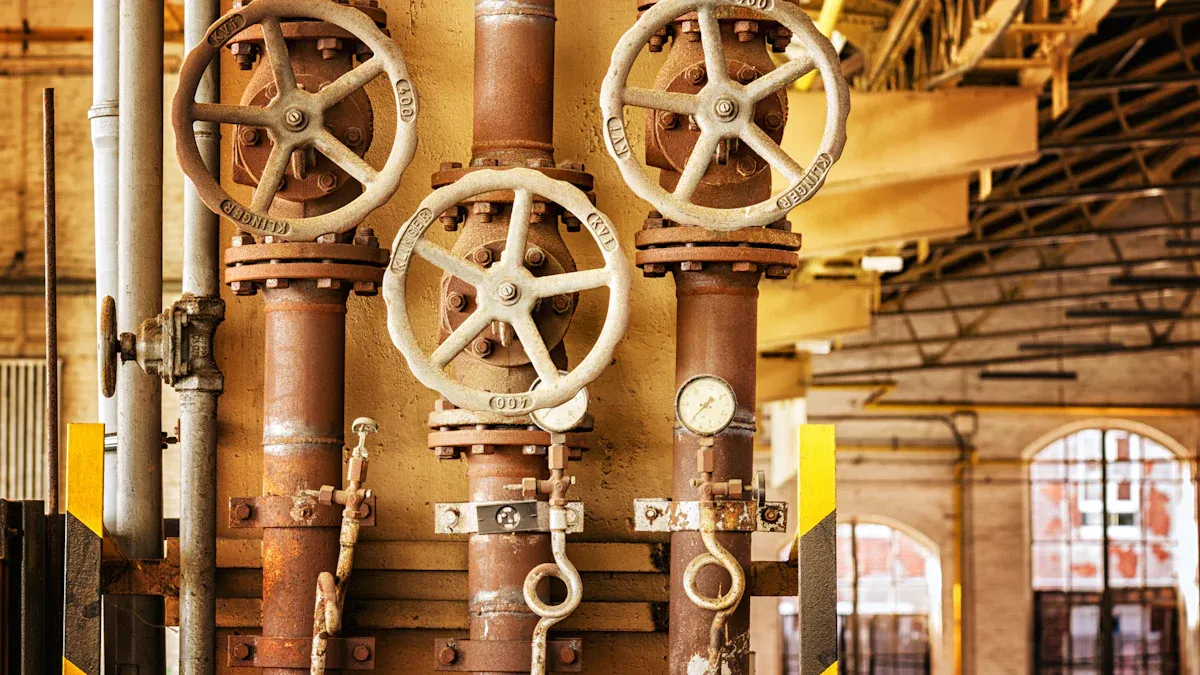
Every solenoid valve, an electromechanical device, possesses an inherent finite lifespan. Its durability hinges on several key factors. Operating conditions, frequency of use, valve quality, and diligent maintenance all play vital roles. Understanding the solenoid valve principle helps optimize its performance. For industrial applications, a solenoid valve lifespan often ranges from 5 to 10 years under normal operation. However, high-stress environments can reduce this to just 1 to 2 years. Different solenoid valve types, such as a direct acting solenoid valve, a pilot operated solenoid valve, or even a proportional solenoid valve, each possess unique characteristics impacting their longevity.
Key Takeaways
- Solenoid valve life depends on operating conditions. Extreme temperatures, pressure changes, and fluid types affect how long a valve lasts.
- How often you use a solenoid valve matters. Frequent use and long periods of being on can wear out parts faster.
- Valve quality and design are important. Good materials and strong manufacturing make valves last longer.
- Regular care helps valves last. Proper setup, checking parts, cleaning, and replacing worn pieces keep valves working well.
Operating Conditions Impacting Solenoid Valve Lifespan
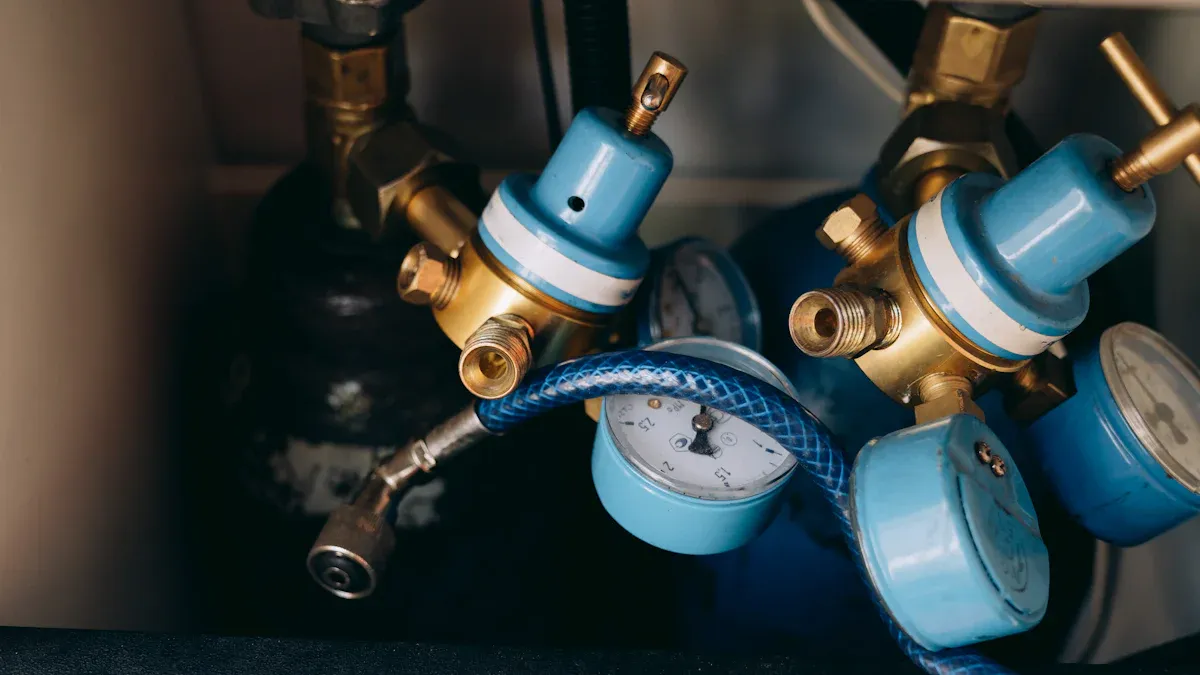
The environment where a solenoid valve operates significantly influences its longevity. Understanding these conditions helps users make informed choices for optimal performance and extended service life.
Temperature Extremes
Temperature plays a critical role in valve durability. Extreme temperatures significantly reduce solenoid valve lifespan by causing various issues. If temperatures are too low, the fluid within the valve can freeze, leading to damage of internal components. Conversely, excessively high temperatures can degrade the materials used in the valve’s construction, potentially resulting in leaks or complete operational failure. Materials like rubber seals are particularly vulnerable; they can lose elasticity and break down at high temperatures, or become brittle and crack in cold conditions. Furthermore, the solenoid coil, which is crucial for valve operation, can overheat and burn out if exposed to temperatures beyond its design limits. Choosing a valve designed for the specific temperature range ensures its resilience.
Pressure Variations
Consistent pressure is ideal for any valve. However, systems often experience fluctuations. Pressure variations directly impact a solenoid valve’s integrity.
High-pressure spikes can cause the seal to be pushed out of place or even rupture. On the other hand, low-pressure situations can cause the seal to lose contact with the mating surfaces, leading to leaks. In systems where the pressure is constantly changing, like in some hydraulic or pneumatic systems, the seal needs to be able to withstand these fluctuations.
Valves designed to handle the expected pressure range will perform reliably, preventing premature wear and failure.
Fluid Characteristics
The type of fluid passing through the valve also affects its durability. Certain fluid characteristics can challenge a valve’s internal components.
- High viscosity can block pilot holes.
- High viscosity increases wear on seals.
- High viscosity leads to increased pressure drops.
- High viscosity contributes to erosion within piping systems and valve components.
- Highly viscous fluids are slow-moving and have lower mechanical efficiencies.
Corrosive fluids can also degrade materials over time. Selecting a valve with materials compatible with the fluid ensures a long and productive solenoid valve lifespan.
Environmental Factors
The external environment surrounding a solenoid valve significantly shapes its long-term performance. Understanding these external forces empowers users to select and maintain valves for maximum operational success. Unfavorable conditions can challenge even the most robust designs.
Humidity and moisture pose a silent threat to valve integrity. When condensation or water enters the valve, it can lead to serious issues.
- Metal components corrode.
- Electrical connections degrade.
- Short circuits can occur within the solenoid coil.
These problems compromise the valve’s ability to function reliably. Protecting valves from excessive moisture ensures their electrical and mechanical components remain sound.
Vibration and shock also present considerable challenges. Continuous vibration or sudden impacts can cause internal damage.
- Components loosen over time.
- Materials experience fatigue failure.
- Critical parts become misaligned.
- Internal mechanisms or electrical connections suffer damage.
Such stresses reduce the valve’s precision and operational life. Implementing vibration dampeners or choosing valves designed for high-vibration environments can safeguard their functionality. By proactively addressing these environmental factors, users can significantly extend the operational life of their solenoid valves and ensure consistent system performance.
Frequency of Use and Solenoid Valve Lifespan
The frequency and manner in which a solenoid valve operates significantly influence its longevity. Understanding these usage patterns empowers you to maximize the valve’s operational life.
Cycle Rate
A valve’s cycle rate, or how often it switches on and off, directly impacts its mechanical components. High cycle rates increase wear on the plunger, solenoid coil, and other moving parts. This increased wear occurs due to the friction generated each time the solenoid energizes and moves the plunger. Rapid switching can also lead to impact or vibration. This further increases mechanical wear on solenoid valve moving parts. This happens if exhaust is not quick enough during rapid switching, causing residual pressure to hinder piston movement. Optimizing the cycle rate helps preserve the valve’s internal mechanisms.
Duty Cycle
The duty cycle refers to the percentage of time the coil remains energized. This factor directly impacts the coil’s temperature. An increased duty cycle leads to more power dissipation through the coil winding. This, in turn, increases the coil’s temperature due to the resistance of copper being a function of temperature. Operating a valve at 100% duty cycle, especially if the coil is improperly sized or in extreme ambient temperatures, can lead to overheating and degraded performance. For example, Pressure Control Valves and Flow Control Valves typically run at 100% duty cycle. Directional Control Valves typically run at less than 50% duty cycle. The coil temperature depends on the power dissipated, ambient temperature, and thermal resistance. If a solenoid valve is used in a hot ambient temperature and is in continuous duty, the coil temperature may exceed its rating. Its resistance may become too high, preventing proper operation. The actuator force, which comes from the solenoid coil, can degrade if the coil gets too hot. This limits the solenoid valve’s performance.
Type of Operation
The overall pattern of operation also plays a crucial role. Continuous operation, where the valve remains open or closed for extended periods, places different stresses on components compared to intermittent, rapid cycling. Valves designed for continuous duty often feature robust coils and materials to withstand prolonged energization and heat. Conversely, valves in intermittent applications must handle frequent mechanical movement and potential impact forces. Matching the valve’s design to its intended operational type ensures optimal performance and extends its solenoid valve lifespan.
Valve Quality and Design for Extended Solenoid Valve Lifespan
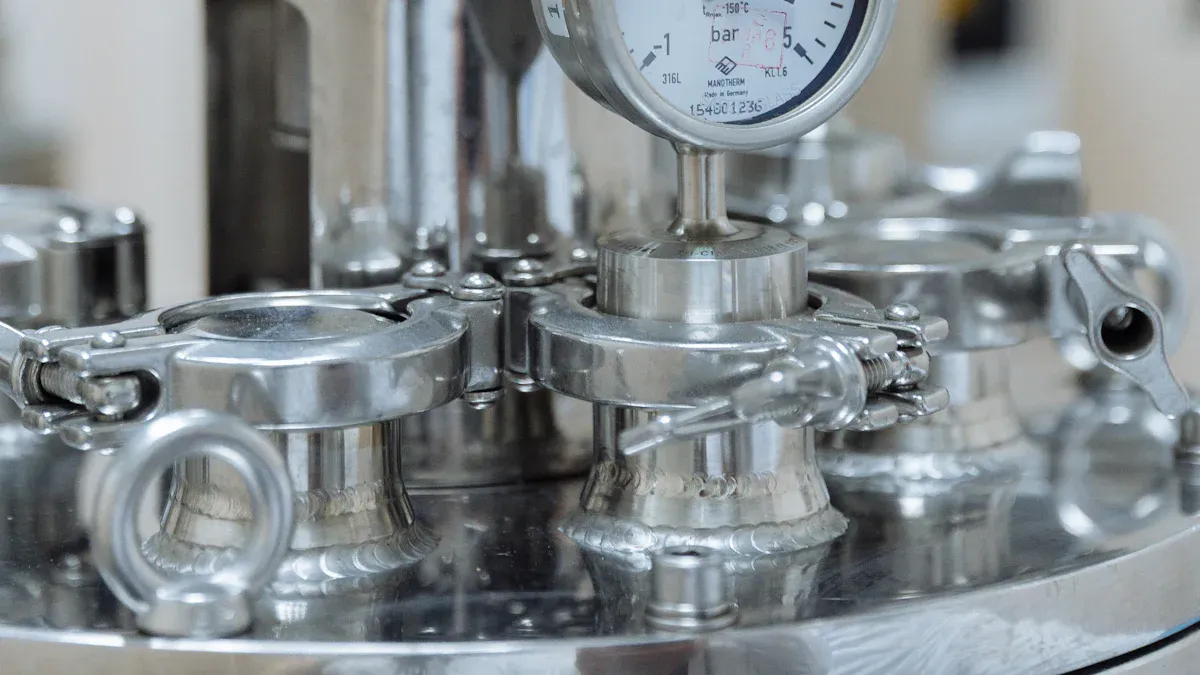
A solenoid valve’s inherent quality and design are fundamental to its long-term performance. Superior engineering and meticulous construction lay the groundwork for a reliable and enduring component.
Material Selection
Choosing the right materials is a cornerstone of valve durability. Engineers carefully select materials to withstand specific operating conditions. For instance, corrosion-resistant solenoid valves designed for strong acids and alkalis often feature a polytetrafluoroethylene (PTFE) valve body. They use fluororubber or PTFE for the diaphragm. This design completely isolates the corrosive medium from other valve components, ensuring exceptional corrosion resistance.
| Material | Key Characteristics & Resistance | Not Suited For |
|---|---|---|
| Stainless steel 316L | Corrosion-resistant, resistant to different chemicals, performs well in acidic and chloride-rich media, unreactive to pharmaceutical and food-grade substances | N/A |
| Hastelloy | Excellent corrosion resistance, accommodates high process temperatures and pressure, provides defenses against aggressive media corrosion, high stability at elevated temperatures, good resistance against pitting and crevice corrosion, vital for halides, alkaline, and acidic media | N/A |
| Polytetrafluoroethylene (PTFE) | Excellent physical and chemical properties, low friction coefficients, remarkable chemical resistance, stable over a wide temperature range, chemically inert, appropriate for multiple high-purity fluid applications | N/A |
| Polyvinylidene Fluoride (PVDF) | Excellent heat, abrasion, and impact resistance, chemically inert, maintains stability under high-temperature conditions, UV resistant | N/A |
| Brass | Modest corrosion resistance | Corrosive or acidic flow applications |
This careful material selection significantly extends the solenoid valve lifespan.
Manufacturing Standards
Adherence to strict manufacturing standards ensures a valve’s inherent quality. Compliance with Good Manufacturing Practices (GMP) is essential. It requires robust quality management systems and thorough documentation. Standards like ISO 13485 are particularly relevant for quality management systems. They focus on risk management and design control. Robust design and material selection are crucial for reliability. This is especially true under challenging conditions. Advanced valve design features, such as optimized flow paths and reinforced components, reduce wear. They also minimize leakage. Certifications like CE, RoHS, ISO, and REACH are non-negotiable for many applications. They ensure safety and facilitate international deployment.
Electrical Component Integrity
The electrical heart of the solenoid valve, its coil, demands careful protection. Applying the correct voltage and frequency prevents coil burnout and damage. Incorporating electrical surge protection, such as circuit breakers, safeguards coils from power spikes. Ensuring appropriate IP (Ingress Protection) ratings prevents water ingress and liquid contamination. Installing upstream filters prevents debris from limiting armature motion. This debris can cause the coil to overwork and overheat. These measures protect the coil and ensure consistent valve operation.
Seal and Spring Durability
Seals and springs are unsung heroes within a solenoid valve, playing a critical role in its long-term performance. Their durability directly impacts the valve’s ability to maintain pressure, prevent leaks, and operate consistently. High-quality materials and precise engineering for these components ensure a valve stands strong against demanding conditions.
Engineers require seals that can withstand environmental challenges, including extreme temperatures and high pressure. This is particularly true in demanding industries like oil and gas, where thermal and mechanical stability are crucial. Reliable seals ensure consistent solenoid valve performance under extreme operating conditions, such as in aerospace applications and high-pressure pipelines. Material selection is vital for reliability in these extreme operations. PTFE combines chemical resistance with structural stability to maintain functionality where traditional materials fail. EPDM maintains flexibility under various thermal conditions, preventing sudden failures.
For applications involving excessive heat or media that can cause swelling or deterioration, specialized insert materials are available. FKM, Nordel, KeL-F®, and Teflon® offer superior resistance. FKM solenoid valve seals are used in challenging environments like reformulated gasolines. They resist swelling, cracking, and decomposition. Maximizing fluorine content and adding carbon black enhances their properties, making them stable and long-lasting in vehicular and medical applications. Special EPDM seals are recommended for high-pressure gas applications. They resist explosive decompression, a phenomenon where absorbed gas causes standard rubber seals to swell and fracture. EPDM is more suitable than urethanes for high-pressure gases in aerospace projects. Perlast® Perfluorocarbon elastomer seals offer high resistance to over 1600 chemicals. They are inert to most chemically-induced swelling and have a useful temperature range of +20 °F to +500 °F. This makes them suitable for challenging environments. Fluoroelastomers (FKM/Viton) offer excellent resistance to chemicals and high temperatures. This makes them suitable for chemical processing, oil & gas, and valves handling aggressive fluids. PTFE (Teflon) provides supreme chemical resistance and structural stability. It performs well where traditional materials fail and is used in applications like steam solenoid valves.
Springs also contribute significantly to durability. They provide the necessary force for valve closure or opening. High-cycle applications demand springs made from fatigue-resistant materials. These materials maintain their elasticity and strength over millions of cycles. Choosing valves with robust seals and springs ensures reliable operation and extends the valve’s service life.
Maintenance Practices to Maximize Solenoid Valve Lifespan
Diligent maintenance practices unlock the full potential of your solenoid valves. These proactive steps ensure reliable operation and extend the life of your equipment.
Proper Installation
A correct installation sets the stage for long-term success. Always ensure the voltage supply matches the solenoid coil’s requirements. Incorrect voltage can cause coil failure. Verify the media pressure stays within the valve’s maximum rating. Also, confirm the media is compatible with both the valve’s construction and seal materials. Check that media and ambient temperatures remain within the valve’s specified range. Install the solenoid valve with the armature tube pointing upwards. This reduces the risk of sediment blocking movement. If the media contains sediment, install a filter upstream of the valve. This prevents contamination and damage to internal parts. Protect the coil from water or other liquids, especially in damp conditions. Incorporate electrical surge protection into the system. This prevents damage from power spikes. Investing in high-quality valves from trusted brands also provides a strong foundation.
Regular Inspection
Routine inspections are vital for sustained performance. They help identify potential issues before they escalate. Conduct these checks every 6 to 12 months. High-usage systems or harsh environments may require more frequent inspections. Look for signs of wear on valve components. Promptly replace any damaged or worn parts. This proactive approach prevents unexpected failures and keeps your operations running smoothly.
Cleaning and Filtration
Effective cleaning and filtration protect the delicate internal components of solenoid valves. Install a filter/regulator upstream of the valve. This acts as a primary defense against debris. These devices ensure media cleanliness before it reaches the valve. In-port sintered filters are also highly effective. They protect precision pneumatic products from particulate matter. These filters allow gas to flow through a filtering element. The element removes particles based on its grade. Coalescing filters are crucial for removing fluid aerosols and droplets from pneumatic supplies. They prevent moisture accumulation on pressure sensing elements. Regularly clean or replace air filters. This maintains unobstructed airflow and prevents contaminants from getting stuck in the valve. Implement advanced filtration systems to dry and purify process air. This ensures optimal valve health.
Timely Replacement of Worn Parts
Proactive replacement of worn parts is a cornerstone of maintaining system integrity. It prevents minor issues from escalating into major failures. Recognizing the early signs of wear allows for swift action, safeguarding your operations. This approach ensures continuous, reliable performance.
Operators should remain vigilant for several key indicators signaling the need for part replacement. Unusual noises or vibrations often suggest internal wear. Listen for clicking, buzzing, sharp rattling, or new, louder vibrations. These sounds can point to coil fatigue, partial sticking, or loosened hardware. Inconsistent operation or cycling also provides a clear warning. Irregular actuation, missed cycles, unusual response times, or unpredictable opening and closing intervals all suggest underlying electrical or mechanical wear.
External leaks or corrosion demand immediate attention. Fluid drips, wet fittings, surface discoloration, or pitting around electrical connectors, housings, or fasteners indicate seal or gasket breakdown. They might also show mineral buildup or incompatible materials. Irregular electrical readings or coil failures are critical signs. Abnormal voltage or temperature fluctuations, high current draw, voltage spikes, or unexplained overheating signal coil fatigue, failing insulation, or short circuits.
Furthermore, watch for delayed response or actuation lag. Sluggish or delayed actuation, a gradual increase in cycle time, or irregular pauses indicate internal sticking, worn springs, or foreign debris. Finally, unresponsive or stuck solenoids represent a critical failure. A valve that fails to move or becomes stuck can cause sudden process interruptions. This often happens due to burnt coils, mechanical wear, or obstructions. Addressing these issues promptly ensures the continued efficiency and extends the overall operational life of your equipment.
Maximizing a solenoid valve’s lifespan demands a comprehensive strategy. Businesses must carefully consider operating conditions, usage patterns, and valve quality. Diligent maintenance practices are also crucial. This proactive management approach ensures greater reliability for systems. It significantly reduces downtime and lowers operational costs. Embrace these principles to achieve optimal solenoid valve lifespan and sustained success.
FAQ
How long does a typical solenoid valve last?
A solenoid valve‘s lifespan often ranges from 5 to 10 years under normal operating conditions. However, challenging environments can reduce this to 1 to 2 years. Proper care and selection significantly extend its service. ✨
What factors most commonly shorten a solenoid valve’s life?
Extreme temperatures, high-pressure variations, and corrosive fluids significantly shorten a valve’s life. High cycle rates and continuous duty also increase wear. Environmental factors like humidity and vibration also play a role.
How can one extend a solenoid valve’s lifespan?
Extend a valve’s lifespan through proper installation, regular inspections, and effective filtration. Choose valves with high-quality materials suitable for the application. Timely replacement of worn parts also prevents major failures. 🛠️
What are the signs a solenoid valve needs replacement?
Look for unusual noises or vibrations, inconsistent operation, or external leaks. Irregular electrical readings or delayed response times also indicate wear. An unresponsive or stuck valve signals a critical need for replacement.