
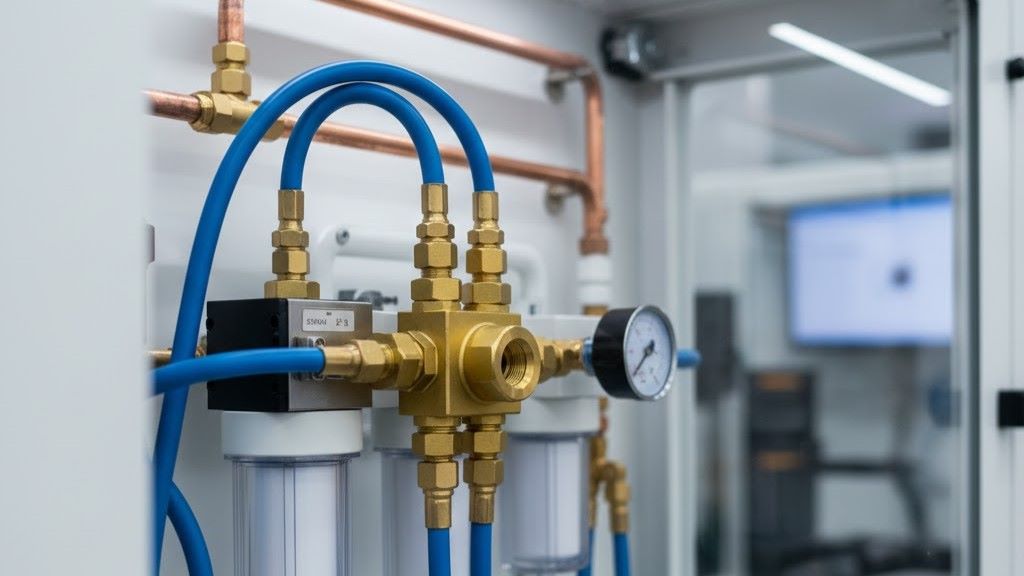
A Brass Solenoid Valve is often the top choice for high-pressure water and steam systems. It offers a great mix of cost, easy manufacturing, and good resistance to corrosion. Manufacturers often prefer brass for High-Pressure Solenoid Valve OEM products. It machines well and helps keep costs down compared to other materials like stainless steel. This material works excellently as a Solenoid Valve for Steam Applications. It handles those tough environments very effectively. You can find a reliable Direct Acting Solenoid Valve made from brass. Many suppliers also offer an NFPA compliant brass solenoid valve, ensuring safety and performance.
Key Takeaways
- Brass is a top choice for high-pressure water and steam valves. It balances cost, easy making, and good protection against rust.
- Brass is easy to cut and shape. This helps make valve parts quickly and at a lower cost.
- Brass resists rust well in water and steam. It forms a protective layer that helps the valve last longer.
- Brass moves heat well. This stops the valve from getting too hot and helps it work smoothly.
- Brass valves can handle high pressure. Some special brass valves work even at very high pressures.
Understanding Material Demands for High-Pressure Water and Steam Solenoid Valves
Choosing the right material for solenoid valves in high-pressure water and steam systems is very important. These environments are tough. They demand materials that can handle extreme conditions without failing. A valve’s performance directly depends on its construction.
Key Operational Requirements
High-pressure water and steam applications put a lot of stress on valves. They need to manage significant force and heat. For example, cast steel or forged steel valves can handle temperatures up to 1000°F at pressures up to 10,000 psi. Specialized pressure seal bonnets are often used for these very high-pressure and high-temperature situations. However, even for less extreme but still demanding uses, valves must operate reliably. Many applications involve media temperatures up to 150°C (302°F) and operating pressures from 0.5 bar to 10 bar (7.25 psi to 145 psi). This shows the wide range of conditions valves must endure.
Critical Material Properties for Valve Performance
Several material properties are crucial for valves in these demanding settings. First, a material needs good strength to resist high pressures. It also must resist corrosion from water and steam. These elements can quickly degrade unsuitable materials. Thermal conductivity is another key factor. It affects how a valve handles heat and prevents overheating. For instance, standard solenoid valves are not suitable for high-temperature applications. Their typical seals, like Nitrile, degrade above approximately 80°C (176°F). This means the valve material and its seals must withstand the heat. Machinability is also important. It allows manufacturers to create precise components for reliable valve operation. A Brass Solenoid Valve often meets these needs very well.
The Advantages of Brass Solenoid Valve for High-Pressure Applications
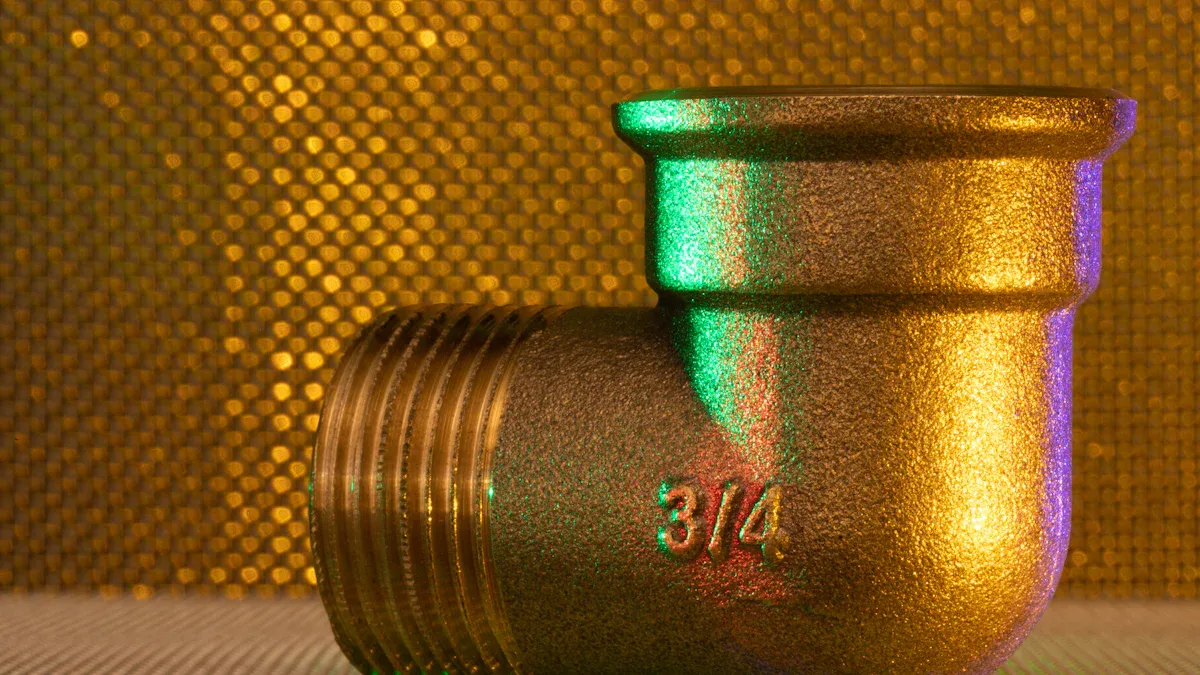
Brass stands out as a top choice for high-pressure water and steam solenoid valves. It offers a compelling mix of benefits that make it highly effective. These advantages range from how easily manufacturers can work with it to its specific resistance against corrosion.
Cost-Effectiveness and Manufacturing Efficiency
Brass is a very cost-effective material. Its ease of machining and casting helps keep manufacturing costs low. This also means you can find brass components in many sizes and shapes. Manufacturers can produce fittings with complex designs more readily because brass is soft and easy to work with. This ease of processing directly translates into shorter manufacturing times. It also reduces labor costs. This makes brass a smart economic choice for producing reliable valves.
Superior Machinability for Precision Components
Brass truly shines when it comes to machinability. This property is crucial for creating the precise parts a solenoid valve needs. Look at the numbers:
| Material | Machinability Rating |
|---|---|
| C36000 Brass | 100% |
| Stainless Steel (304) | 30–40% |
This high rating for C36000 Brass means it is extremely easy to cut. It leaves a smooth finish on the parts. Brass also produces short, clean chips during machining. This avoids tangled messes and makes the process cleaner. It causes low tool wear, which extends the life of cutting tools and saves money. Brass is ideal for precision parts, fittings, and electrical components. Its machinable nature saves processing time, especially for intricate CNC parts. Brass has a lower Brinell hardness (55 HB) compared to stainless steel (200 HB). This allows manufacturers to machine brass much faster.
Corrosion Resistance in Water and Steam Environments
High-pressure water and steam can be tough on materials. They can cause corrosion over time. Brass offers good resistance to corrosion in these specific environments. It forms a protective layer on its surface when exposed to water. This layer helps prevent further degradation. This resistance ensures the valve maintains its integrity and function over a long period. It means less maintenance and a longer lifespan for the valve in demanding applications. A Brass Solenoid Valve can reliably handle these conditions, giving you peace of mind.
Favorable Thermal Conductivity and Electrical Properties
Brass offers excellent thermal conductivity. This property helps the valve body manage and spread heat effectively. It is very useful for systems needing precise temperature control. Think about HVAC or solar water heating systems. They benefit greatly from this feature. Compared to brass, stainless steel does not conduct heat as well. This difference matters a lot when heat transfer is important. Brass helps prevent heat buildup in the valve. This keeps the valve working smoothly and reliably.
Brass also has good electrical properties. This is important for the solenoid coil inside the valve. The coil needs to conduct electricity efficiently to create the magnetic field that opens and closes the valve. Here is a look at the electrical resistivity of common brass alloys:
| Material | Resistivity, ρ@ 20 °C (Ω·m) |
|---|---|
| Brass (30% Zn) | 5.99E-8 |
| Brass (5% Zn) | 3.00E-8 |
These low resistivity values show that brass conducts electricity well. This helps the solenoid coil work efficiently. It also reduces energy loss.
Adequate Strength for High-Pressure Ratings
People often choose brass for its strength in high-pressure water and steam systems. It handles the forces well. For example, assisted lift brass solenoid valves, which people commonly use in water systems, can work at pressures up to 10 bar (about 145 psi). This shows their robust nature.
Some specialized designs push these limits even further. ASCO 223 brass solenoid valves, for instance, have a strong piston design. This allows them to handle pressure ratings up to 1500 psi. This makes them suitable for many demanding high-pressure applications. While brass valves are known for working well in moderate pressure and temperature settings, these examples show they can also perform in higher-pressure environments. The specific design of a Brass Solenoid Valve determines its exact pressure capabilities. This ensures reliable operation in various high-pressure water and steam applications.
Why Stainless Steel Falls Short for High-Pressure Water and Steam Solenoid Valves
Stainless steel, while strong, presents several challenges for high-pressure water and steam solenoid valves. These issues often make it a less practical choice compared to other materials.
Higher Material and Machining Costs
Stainless steel generally costs more than brass. This higher material price is just one part of the equation. Machining stainless steel also adds significantly to the overall expense. Its tough nature means cutting tools wear out much faster. This requires frequent tool changes. It also takes longer to machine parts, which increases labor and machine time costs. These factors make stainless steel a less economical option for many valve components.
Challenges in Machinability and Precision
Machining stainless steel presents significant hurdles. The metal surface hardens as you cut it. This is called work hardening. It makes subsequent cuts much harder. Stainless steel also creates long, stringy chips. These chips can wrap around tools, damage surfaces, and block coolant. This makes chip control difficult. High tool wear is also common because of the alloy’s toughness and corrosion resistance. Tiny abrasive bits and strong forces wear down tools quickly.
For intricate valve parts, achieving precision with stainless steel is especially tough. For example, 316L stainless steel hardens a lot during machining. This needs more cutting force and creates more heat, which makes the hardening even worse. This cycle impacts dimensional accuracy. It does not conduct heat well. This means heat stays right at the cutting edge. This causes thermal expansion and tiny dimensional inaccuracies. These can exceed the tight tolerance needs for complex valve components.
Thermal Conductivity Limitations and Heat Buildup
Stainless steel has low thermal conductivity. This property causes heat to build up fast when you machine it. This affects both the material and the cutting tools. The heat at the cutting edge leads to premature tool wear. This happens because the material cannot dissipate heat efficiently. This heat buildup can also affect the final dimensions of the machined part. It makes the manufacturing process more complex and costly.
Specific Corrosion Concerns and Overall Cost-Benefit
Stainless steel faces specific corrosion challenges. These issues can make it less ideal for high-pressure water and steam. Crevice corrosion is one concern for stainless steel. It happens where metals touch other metals or nonmetals. This includes areas like washers or threaded joints. Stainless steels are naturally prone to this type of corrosion. Molybdenum-containing grades, such as 316 and 316L, offer better resistance. Keeping things clean and using proper sealants helps control it.
Chloride stress corrosion is another critical issue for austenitic stainless steel. This occurs in hot, oxygen-rich environments with chloride ions. Chromium carbide deposits along grain boundaries make the metal vulnerable. You can control this corrosion by keeping chloride ion and oxygen levels low. Using low carbon steels also helps. Stress corrosion cracking (SCC) is a significant concern for stainless steel. It happens in chloride-containing environments. Components can fail even at stress levels below the material’s yield strength. Austenitic stainless steels are susceptible to SCC. Chloride ions interact with the material at crack tips under tensile stress. Higher nickel content in stainless steel can increase resistance to chloride-induced SCC.
Now, let’s consider the overall cost-benefit.
| Feature | Brass Solenoid Valves | Stainless Steel Solenoid Valves |
|---|---|---|
| Initial Cost | Cheaper to acquire, good for cost-sensitive projects | More expensive to acquire |
| Maintenance | May need more maintenance (e.g., for dezincification) | Typically lower maintenance needs due to general corrosion resistance |
| Durability | Less durable, may not last as long under specific fluids | Very durable, offers long-term savings |
| Lifecycle Cost | Potentially higher due to more maintenance and shorter life | Potentially lower due to durability and less maintenance |
Stainless steel has a higher initial cost. It is more expensive to buy. Brass solenoid valves are cheaper. Stainless steel also costs more to machine. While stainless steel offers remarkable durability, its specific vulnerabilities to crevice corrosion, chloride stress corrosion, and SCC in these environments add risk. These risks can lead to unexpected failures and higher repair costs. Brass, despite its perceived lower durability, often provides a more reliable and cost-effective solution for high-pressure water and steam. It avoids these specific corrosion pitfalls.
Direct Comparison: Brass vs. Stainless Steel in High-Pressure Service
Choosing between brass and stainless steel for high-pressure water and steam solenoid valves involves more than just looking at raw strength. You need to consider the whole picture. This includes how much it costs, how easy it is to make, and if it truly fits the job. Let’s break down these factors.
Performance-to-Cost Ratio
When you pick a material, you always want the best performance for your money. Brass often wins this battle for many high-pressure water and steam applications. Look at this comparison:
| Feature | Brass Solenoid Valve | Stainless Steel Solenoid Valve |
|---|---|---|
| Cost | Lower (e.g., ₹80-₹200 for domestic/bulk) | Higher (e.g., ₹450-₹3000 for industrial/high-pressure) |
| Durability | Moderate | Excellent |
| Pressure Resistance | Medium | High |
| Use Case | Domestic RO, clean water | Industrial RO, chemical applications, demanding environments |
This table shows a clear difference. Brass valves are much cheaper to buy, especially for common uses like domestic water systems. They offer good durability and medium pressure resistance, which works for many situations. Stainless steel valves cost a lot more. However, they provide excellent durability and high-pressure resistance. They are perfect for tough industrial jobs or chemical applications.
You should also remember that brass valves have limits. They might not work well in very high-pressure applications, like petrochemical manufacturing. In such extreme settings, brass could fail or even rupture too soon. Steel valves, on the other hand, offer much better strength. They can handle extreme mechanical stress and high-pressure fluids without breaking. They are essential for very high-pressure and high-temperature places. Steel keeps its strength predictably across a wide range of temperatures.
Manufacturing and Assembly Considerations
The ease of making parts plays a huge role in the final cost and quality of a valve. Brass is a dream for manufacturers. It is very easy to machine. This means they can cut and shape it quickly and precisely. This ease of machining leads to lower production costs. It also allows for intricate designs without much trouble. Tools last longer when cutting brass, which saves money on replacements.
Stainless steel is a different story. It is much harder to machine. This makes the manufacturing process slower and more expensive. Tools wear out faster, and the material can harden as you cut it. This makes it even tougher to work with. These challenges mean higher labor costs and more time spent on each part. For complex valve components that need high precision, machining stainless steel can be a real headache. This directly impacts the overall cost and speed of getting the valves to market.
Application-Specific Suitability
The best material always depends on the specific job. For most high-pressure water and steam systems, brass is an excellent choice. It handles the typical pressures and temperatures well. It resists corrosion effectively in these environments. Think about your home’s water heater or a steam iron; brass components work perfectly there. Its cost-effectiveness and ease of manufacturing make it the go-to for many standard applications.
However, some applications demand more. If you deal with extremely high pressures, very aggressive chemicals, or super-heated steam beyond brass’s limits, then stainless steel becomes necessary. These are often specialized industrial settings where the higher cost of stainless steel is justified by its superior strength and resistance to specific corrosive agents. For example, in a chemical plant handling strong acids or bases at extreme temperatures, stainless steel is the safer and more reliable option. You must match the material to the exact demands of your system.
Brass consistently proves itself as the most practical and effective material for high-pressure water and steam solenoid valves. It offers an optimal balance of cost, machinability, specific corrosion resistance, and thermal properties. These qualities make it superior to stainless steel for these demanding applications. Choosing brass ensures reliable performance and long-term value in high-pressure water and steam systems.
FAQ
What makes brass a better choice than stainless steel for high-pressure water and steam?
Brass offers a great balance of cost, easy manufacturing, and good corrosion resistance. It costs less and manufacturers can machine it easily. This makes brass a practical and effective material for these specific uses.
Does brass corrode in water and steam environments?
Brass resists corrosion well in water and steam. It forms a protective layer on its surface. This layer helps prevent further damage. This ensures the valve lasts longer and works reliably.
Can brass solenoid valves handle very high pressures?
Yes, brass valves can handle high pressures. Many designs work up to 10 bar. Specialized brass valves, like ASCO 223, can manage pressures up to 1500 psi. This makes them suitable for many demanding applications.
Why is brass easier to manufacture into valve components?
Brass has superior machinability. It cuts easily and leaves a smooth finish. This means faster production times and lower manufacturing costs. It also allows for very precise parts.
How does brass’s thermal conductivity benefit solenoid valves?
Brass has excellent thermal conductivity. It helps the valve body manage and spread heat effectively. This prevents heat buildup. It keeps the valve working smoothly and reliably, especially in systems needing precise temperature control.