
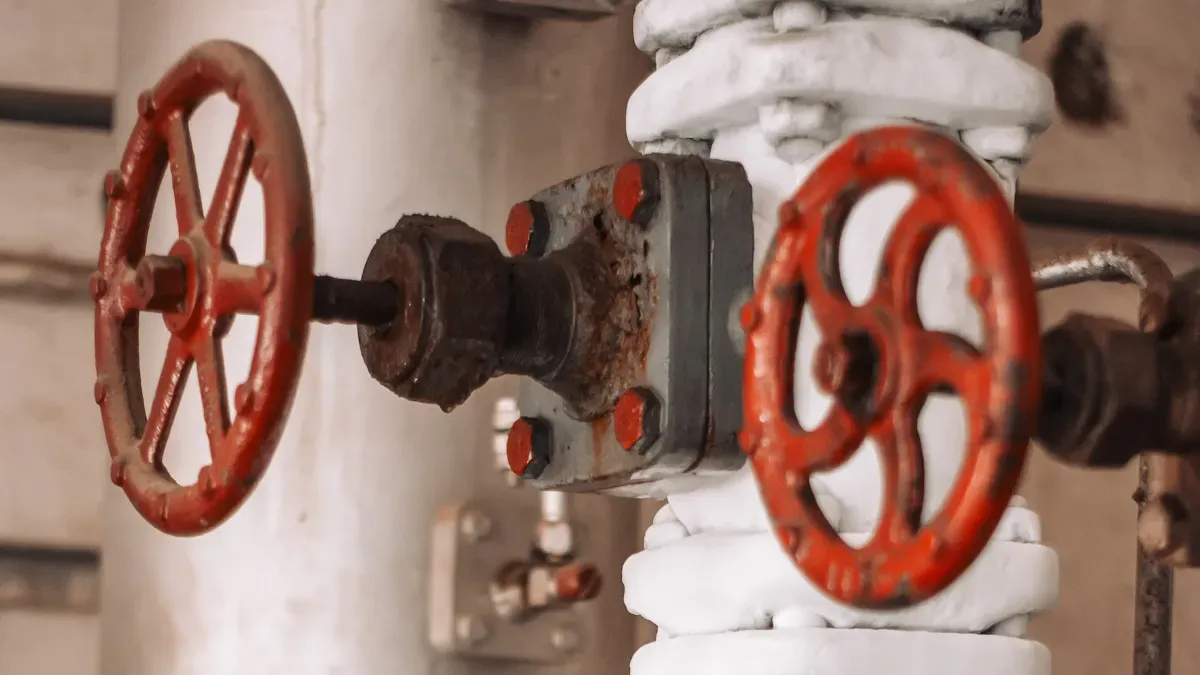
Brass solenoid valves and plastic solenoid valves serve distinct roles in pneumatic systems. Brass solenoid valves, which hold about 27% of the market share, excel in applications involving water, air, and non-corrosive gases. In contrast, plastic solenoid valves account for approximately 20% of the market, primarily functioning in corrosive environments. When considering brass vs plastic solenoid valve options, understanding these differences is crucial for selecting the right pneumatic system fluid control valve. Additionally, the high strength brass solenoid valve is a popular choice for demanding applications, while SENYA pneumatic system valves offer reliable performance across various conditions.
Key Takeaways
- Brass solenoid valves are durable and excel in high-pressure applications, making them ideal for demanding environments.
- Plastic solenoid valves are lightweight and resistant to corrosion, making them suitable for harsh chemical environments.
- When choosing a solenoid valve, consider factors like durability, temperature limits, and chemical resistance to ensure optimal performance.
Overview of Solenoid Valves
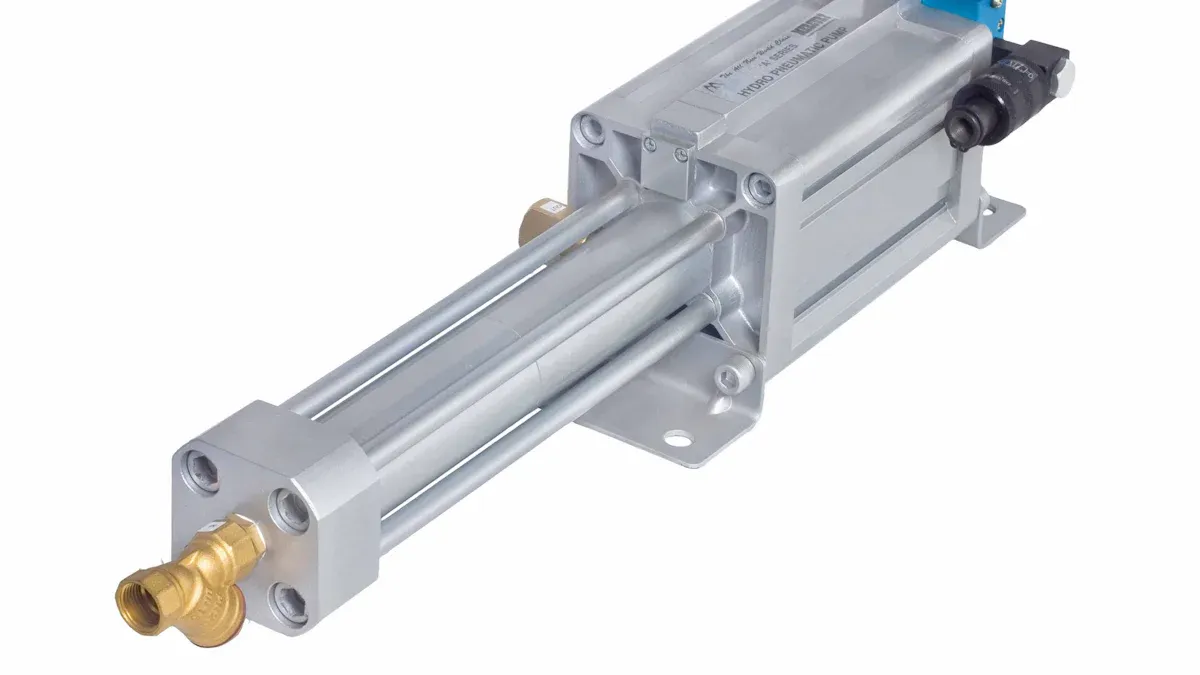
Solenoid valves play a crucial role in pneumatic systems by controlling the flow of compressed air. These valves operate based on a simple yet effective principle. When the solenoid coil receives electrical energy, it generates a magnetic field. This magnetic field pulls the plunger, or armature, which opens the air passage. Consequently, this action enables the on/off or directional switching of compressed air, allowing for the operation of air-driven actuators.
Key components of solenoid valves include:
- Solenoid Coil: Converts electrical energy into magnetic energy.
- Plunger (Armature): Moves to direct airflow.
- Spring: Returns the plunger to its original position when de-energized.
- Valve Body: Controls airflow through various ports.
When the solenoid is powered, the plunger moves to either open or close the air passage. Once the power is turned off, the spring pushes the plunger back, stopping or redirecting the airflow.
The construction of solenoid valves typically involves various materials to ensure durability and performance. The table below outlines the main components and materials used in these valves:
| Component | Material |
|---|---|
| Body Material | Brass |
| Sealing Material | NBR, VITON, EPDM |
| Pressure Resistance | 0.5-1.6 Mpa |
| Temperature Range | -5 ~ 80 ℃ (120℃ optional) |
Understanding these components and their functions helps in selecting the appropriate solenoid valve for specific pneumatic applications.
Advantages of Brass Solenoid Valves

Brass solenoid valves offer several advantages that make them a preferred choice in many pneumatic applications. Their robust construction and reliable performance contribute to their popularity in various industries. Here are some key benefits:
-
Durability: Brass solenoid valves are known for their longevity. They do not break down easily and can withstand high pressure, making them suitable for demanding environments. High-quality brass solenoid valves can exceed 1 million cycles, indicating a long lifespan in industrial pneumatic systems.
-
Pressure Resistance: These valves excel in handling high-pressure applications. They maintain their integrity under significant stress, ensuring consistent performance over time.
-
Temperature Tolerance: Brass valves can handle high temperatures without melting or warping. This characteristic makes them ideal for heating systems and other applications where temperature fluctuations occur.
-
Corrosion Resistance: While brass valves can degrade in acidic environments, they perform effectively with various industrial fluids in non-acidic settings. They have a low tendency to rust compared to steel valves, ensuring reliability over time.
-
Maintenance Requirements: Brass solenoid valves require regular maintenance to ensure optimal performance. Key maintenance tasks include:
- Regularly disassembling and cleaning internal components to remove impurities.
- Ensuring proper installation during disassembly and reassembly.
- Monitoring coils and seals for wear, as these are common failure points.
- Maintaining a stable working environment to prevent damage from vibrations.
- Protecting against rust in open-air environments.
- Employing specialized personnel for critical positions to enhance efficiency and reduce failure rates.
Disadvantages of Brass Solenoid Valves
While brass solenoid valves offer numerous advantages, they also come with several notable disadvantages that can impact their suitability for specific applications. Understanding these drawbacks is essential for making informed decisions in pneumatic system design.
-
Corrosion Vulnerability: Brass is more prone to corrosion than materials like stainless steel. In harsh environments, brass can suffer from zinc loss, leading to zinc leaching. This corrosion can compromise the integrity and lifespan of the valves, especially in applications involving corrosive materials or high flow rates.
-
Weight Considerations: Brass solenoid valves are heavier than their plastic counterparts. This added weight can be a disadvantage in installations where weight reduction is critical. For example, in portable or overhead applications, the extra weight of brass valves may complicate installation and increase structural support requirements.
-
Lead Contamination Risks: Brass valves can pose health risks due to the potential for lead leaching into fluids, even in ‘lead-free’ variants. This contamination risk raises concerns, particularly in applications involving drinking water or sensitive processes. Regulatory scrutiny surrounding lead content has prompted manufacturers to innovate, but the risk remains a consideration.
-
Higher Initial Costs: Although brass valves can be cost-effective in terms of performance, their initial purchase price is generally higher than that of plastic valves. For large projects or applications where corrosion resistance is paramount, the lower material and production costs of plastic valves make them a more economical choice.
-
Environmental and Regulatory Concerns: The valve industry faces increasing pressure to meet stringent environmental regulations. Manufacturers are focusing on developing low-emission and zero-leakage designs to address these concerns. Brass valves may not always align with these evolving standards, potentially limiting their use in environmentally sensitive applications.
Advantages of Plastic Solenoid Valves
Plastic solenoid valves offer several significant advantages that make them a popular choice in various pneumatic applications. Their unique properties cater to specific needs in demanding environments. Here are some key benefits:
-
Superior Chemical Resistance: Plastics such as PPS, PVDF, and PTFE exhibit excellent resistance to a wide range of corrosive chemicals. This characteristic makes plastic valves ideal for harsh environments where metal valves may corrode or degrade.
-
Lightweight Design: Plastic solenoid valves are considerably lighter than their brass counterparts. This lightweight nature simplifies installation and reduces strain on piping systems, making them easier to handle during setup.
-
Cost-Effectiveness: The lower purchase price of plastic solenoid valves significantly reduces upfront installation costs. Their natural insulation properties also help lower energy expenses by minimizing heat transfer and electrical interference. Additionally, the versatility of plastic valves allows for use in various applications, decreasing the need for multiple valve types.
-
Reduced Maintenance Needs: Plastic valves generally require less maintenance than brass valves. Their resistance to corrosion and wear means they can operate effectively over extended periods without frequent servicing.
-
Environmental Considerations: Many plastic solenoid valves are designed to meet stringent environmental regulations. Their ability to minimize leakage and emissions aligns with the growing demand for sustainable solutions in industrial applications.
These advantages position plastic solenoid valves as a reliable and efficient option for many pneumatic systems, particularly in environments where chemical exposure and weight are critical factors.
Disadvantages of Plastic Solenoid Valves
Plastic solenoid valves, while advantageous in many respects, also present several notable disadvantages. Understanding these limitations is essential for making informed decisions in pneumatic system design.
-
Heat Sensitivity: Plastic materials can warp or degrade under high temperatures. This sensitivity limits their effectiveness in applications where heat is a factor.
-
Pressure Limitations: These valves are not recommended for high-pressure systems. They risk cracking or bursting under significant pressure, which can lead to system failures.
-
Physical Stress Vulnerability: Plastic solenoid valves can crack or break when exposed to significant impact or heavy loads. This vulnerability can compromise their reliability in demanding environments.
-
UV Degradation: Prolonged exposure to sunlight can weaken plastic materials unless manufacturers use UV-stabilized options. This degradation can shorten the lifespan of the valve.
-
Shorter Lifespan: Compared to brass valves, plastic solenoid valves may not last as long in demanding applications. Frequent replacements may be necessary, increasing overall maintenance costs.
The table below highlights the mechanical strength and durability differences between brass and plastic solenoid valves:
| Feature | Brass Solenoid Valves | Plastic Solenoid Valves |
|---|---|---|
| Mechanical Strength | Significantly higher | Moderate |
| Pressure Handling Capabilities | Superior, reliable in high-pressure | Limited, less effective in high-pressure |
| Thermal Stability | High, retains properties at elevated temps | Susceptible to thermal degradation |
| Durability | Exceptional, long service life | More frequent replacements needed |
Comparative Analysis of Brass and Plastic Solenoid Valves
When comparing brass and plastic solenoid valves, several factors come into play. Each type has unique characteristics that make it suitable for specific applications. Below is a detailed analysis of their differences based on key performance metrics:
1. Material Properties
- Brass Solenoid Valves: These valves exhibit high mechanical strength and durability. They can withstand high pressures and temperatures, making them ideal for demanding environments.
- Plastic Solenoid Valves: While lighter and resistant to corrosion, plastic valves have limitations in pressure and temperature tolerance. They are best suited for less demanding applications.
2. Cost Considerations
- Initial Investment: Brass solenoid valves typically have a higher upfront cost due to their robust construction. However, their longevity can offset this initial expense over time.
- Maintenance Costs: Plastic valves generally require less maintenance, which can lead to lower overall costs in the long run. Their resistance to corrosion reduces the need for frequent replacements.
3. Environmental Impact
- Brass Valves: These valves may pose environmental concerns due to potential lead contamination. Regulatory pressures are increasing, prompting manufacturers to innovate.
- Plastic Valves: Many plastic solenoid valves are designed to meet stringent environmental standards. Their lightweight nature also contributes to energy savings during transportation and installation.
4. Application Suitability
- Brass Solenoid Valves: These valves excel in applications involving water, air, and non-corrosive gases. They are commonly used in industrial settings where reliability is crucial.
- Plastic Solenoid Valves: These valves shine in corrosive environments, such as chemical processing. Their ability to handle aggressive fluids makes them a preferred choice in such applications.
5. Performance Metrics
| Feature | Brass Solenoid Valves | Plastic Solenoid Valves |
|---|---|---|
| Mechanical Strength | High | Moderate |
| Pressure Handling Capabilities | Excellent | Limited |
| Temperature Resistance | High | Moderate |
| Lifespan | Long | Shorter |
Applications of Brass Solenoid Valves
Brass solenoid valves find extensive use across various industrial applications due to their durability and reliability. Their ability to handle high pressures and temperatures makes them suitable for demanding environments. Below are some key application areas:
| Application Area | Description |
|---|---|
| Manufacturing Processes | Brass solenoid valves control the flow of compressed air, steam, coolants, and process liquids in production machinery. This ensures efficient operation and optimal performance in manufacturing settings. |
| Automotive Applications | In the automotive sector, these valves manage hydraulic pressure in transmissions, modulate brake line pressure in anti-lock braking systems (ABS), and facilitate fuel injection. Their reliability is crucial for vehicle safety and performance. |
| HVAC Systems | Brass solenoid valves regulate the flow of refrigerants and water for temperature control in buildings. This application is vital for maintaining comfortable indoor environments and energy efficiency. |
In applications involving high-pressure or high-temperature gases, brass solenoid valves excel due to their robust construction. They utilize special heat-resistant materials for coils and seals, ensuring functionality even at elevated temperatures. Additionally, effective lubrication between components minimizes wear, prolonging valve life. Their corrosion resistance, often enhanced by stainless steel construction, provides durability in harsh environments. Furthermore, these valves operate effectively without being affected by condensation in steam pipelines.
The versatility of brass solenoid valves makes them a preferred choice in various industries, ensuring reliable performance in critical applications.
Applications of Plastic Solenoid Valves
Plastic solenoid valves find extensive use across various industries due to their unique properties. Their lightweight design and excellent chemical resistance make them ideal for environments where metal valves may fail. Below are some key applications where plastic solenoid valves excel:
- Water Treatment and Purification: These valves control the flow of water in treatment facilities, ensuring efficient purification processes.
- Chemical Processing: In this sector, plastic valves manage aggressive fluids, preventing corrosion and maintaining system integrity.
- Medical and Dental Equipment: Their lightweight nature simplifies installation in sensitive medical devices, enhancing operational efficiency.
- Food and Beverage Industry: Plastic solenoid valves resist corrosion, ensuring safety and compliance in food processing applications. They meet strict industry standards, which is essential for regulatory compliance.
- Irrigation Systems: These valves efficiently manage water flow in agricultural settings, contributing to effective irrigation practices.
- Automotive Fluid Control: In vehicles, plastic valves regulate various fluids, ensuring reliable performance without adding excessive weight.
Plastic solenoid valves also contribute to safety and compliance in food and pharmaceutical applications. Their corrosion resistance ensures they maintain integrity over time, enhancing safety. Additionally, their excellent insulation properties reduce electrical conductivity risks, vital for safe operations. The cost-effectiveness of plastic valves makes them attractive for large-scale projects, allowing companies to allocate resources efficiently while adhering to safety standards.
Overall, the versatility and reliability of plastic solenoid valves make them a preferred choice in many pneumatic systems, particularly in environments where chemical exposure and weight are critical factors.
Factors to Consider When Choosing a Solenoid Valve
Selecting the right solenoid valve for a pneumatic system involves several critical factors. Understanding these factors ensures optimal performance and longevity of the valve. Here are key considerations:
-
Durability: Brass valves are strong and reliable for most applications. In contrast, plastic valves may crack or break under stress, making them less suitable for demanding environments.
-
Temperature Limitations: Brass valves handle moderate temperatures effectively. However, plastic valves are sensitive to high temperatures, which can lead to warping or degradation.
-
Pressure Limitations: Brass valves are suitable for moderate pressures, while plastic valves are not recommended for high-pressure systems due to risks of cracking or bursting.
-
Chemical Resistance: Brass offers moderate resistance to mild chemicals, making it versatile. Plastic valves, however, can degrade in harsh chemicals, limiting their use in certain applications.
-
Installation Ease: Both types are generally easy to install. Brass valves offer various installation methods, while plastic valves may require specific fittings.
-
Lifespan: Brass valves typically have a longer lifespan in demanding environments. Plastic valves, on the other hand, may need more frequent replacements.
Additionally, environmental conditions and media compatibility play significant roles in valve selection. The type of media, whether liquid or gas, can react with valve materials, affecting performance and safety. Exposure to harsh conditions, such as saltwater or chemicals, necessitates careful material selection.
| Factor | Brass Valves | Plastic Valves |
|---|---|---|
| Durability | Strong and reliable for most applications | May crack or break under stress |
| Temperature Limitations | Handles moderate temperatures | Sensitive to high temperatures |
| Pressure Limitations | Suitable for moderate pressures | Not recommended for high-pressure systems |
| Chemical Resistance | Moderate resistance to mild chemicals | Limited resistance, can degrade in harsh chemicals |
| Installation Ease | Easy to install with various methods | Generally easy, but may require specific fittings |
| Lifespan | Longer lifespan in demanding environments | Shorter lifespan compared to brass |
By considering these factors, individuals can make informed decisions when selecting solenoid valves for their pneumatic systems.
Brass and plastic solenoid valves each offer unique advantages and disadvantages. Brass solenoid valves excel in durability and pressure resistance, while plastic solenoid valves provide superior chemical resistance and lightweight design. Choose brass for demanding applications and plastic for corrosive environments. Assess specific needs to make the best decision.
FAQ
What is the main difference between brass and plastic solenoid valves?
Brass solenoid valves excel in durability and pressure resistance, while plastic valves offer superior chemical resistance and lightweight design.
Can plastic solenoid valves handle high temperatures?
Plastic solenoid valves are sensitive to high temperatures and may warp or degrade, making them unsuitable for high-heat applications.
Are brass solenoid valves safe for drinking water?
Brass valves can pose lead contamination risks, even in ‘lead-free’ variants, raising concerns for drinking water applications.