
Are 3/2 Way Solenoid Valves the Future for Industrial Flow Control?
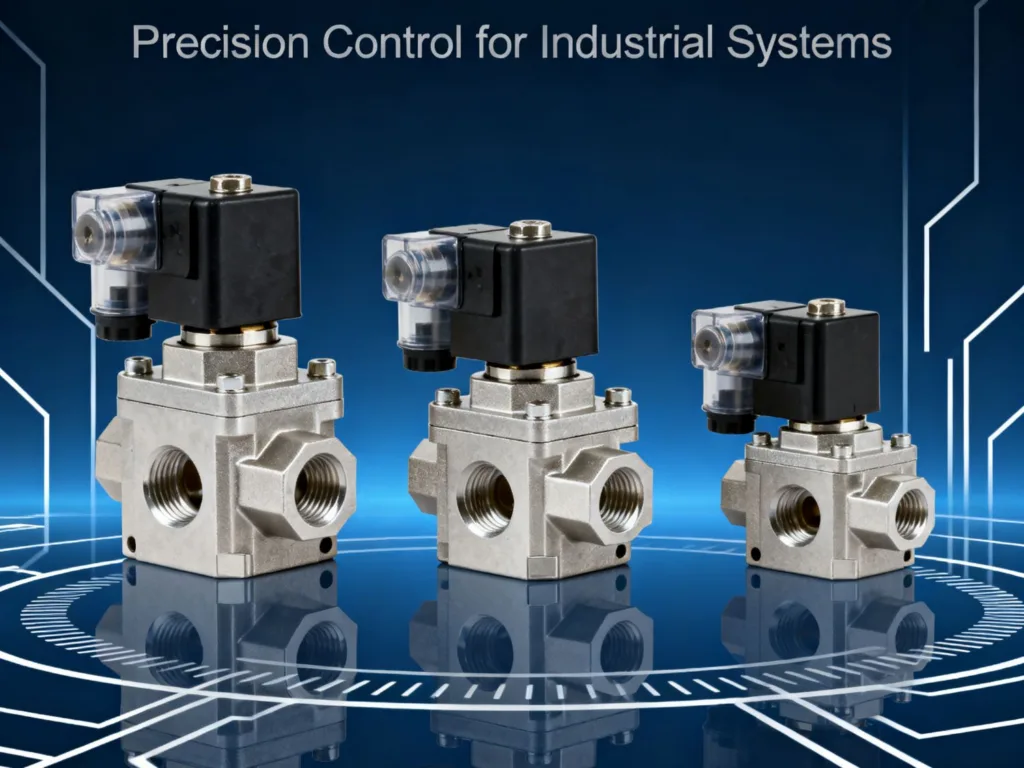
Compare 2/2 way vs. 3/2 way solenoid valves for industrial flow control. Understand their operational differences, applications, and how each optimizes system design.
Are These the Most Reliable 2/2 Way Solenoid Valves for Water Systems?
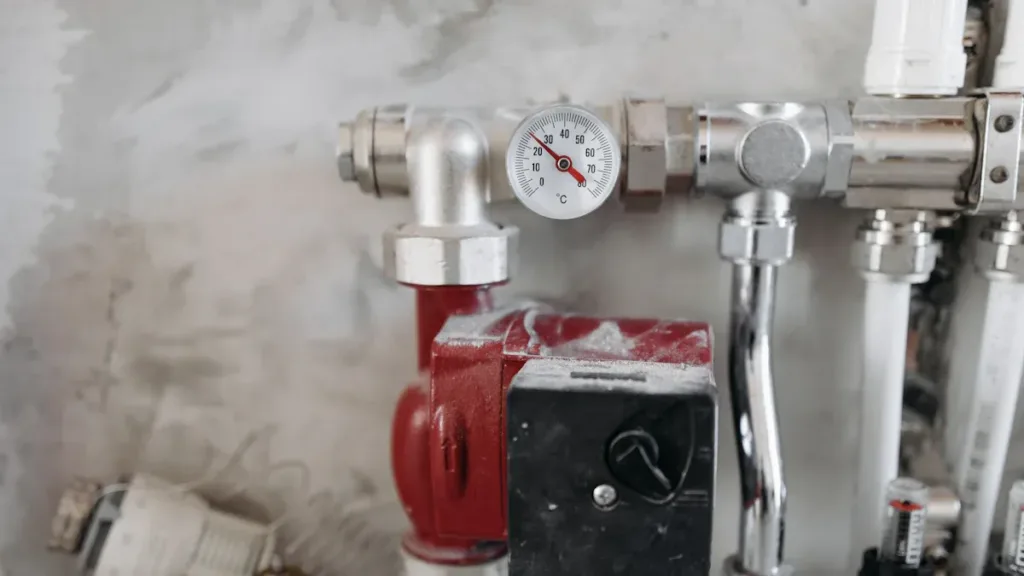
The most reliable 2/2 Way Solenoid Valves for drinking water in 2025 feature NSF/ANSI 61 certification, robust construction, and consistent performance. Discover the top 5.
What Are the Top 6 Ways Solenoid Valves Enhance Industrial Flow?
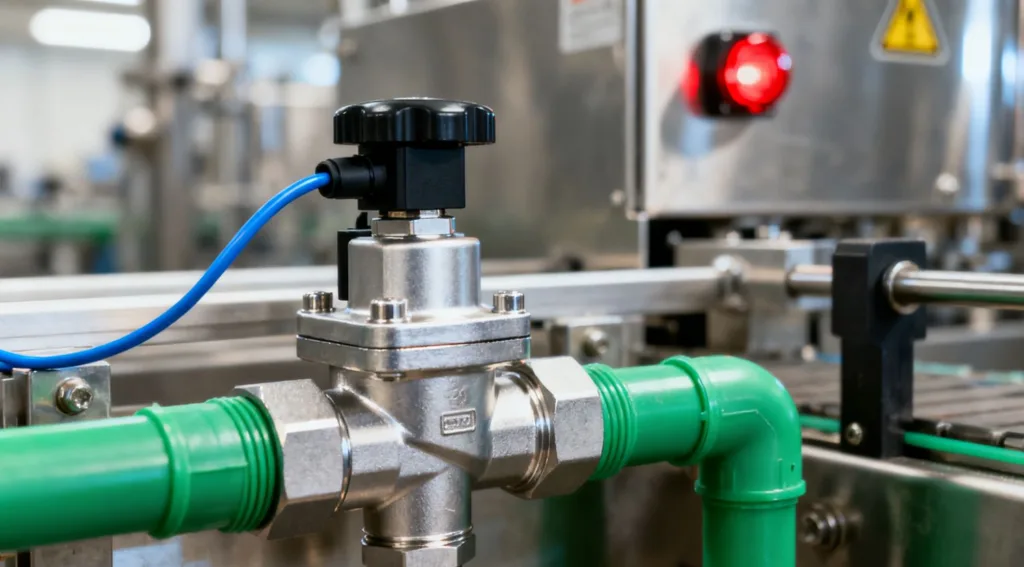
Solenoid valves enhance industrial flow by enabling precision control, rapid response, automation, and energy efficiency, significantly reducing downtime and boosting operational efficiency.
Why is Brass the Go-To Material for High-Pressure Water and Steam?
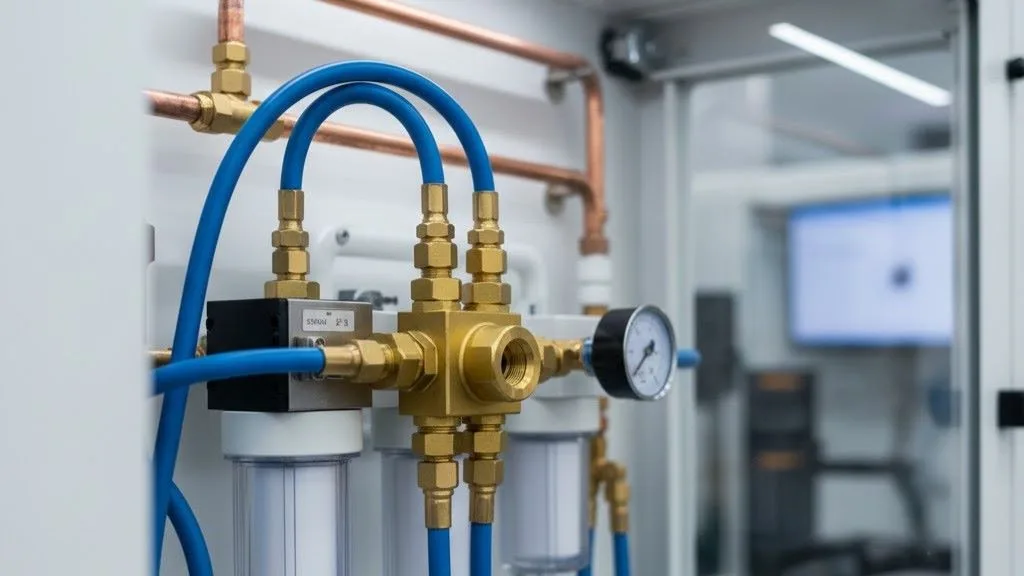
Brass Solenoid Valve is preferred for high-pressure water and steam due to its cost-effectiveness, superior machinability, and effective corrosion resistance compared to stainless steel.
How Many Cycles Can Your Solenoid Valve Handle?
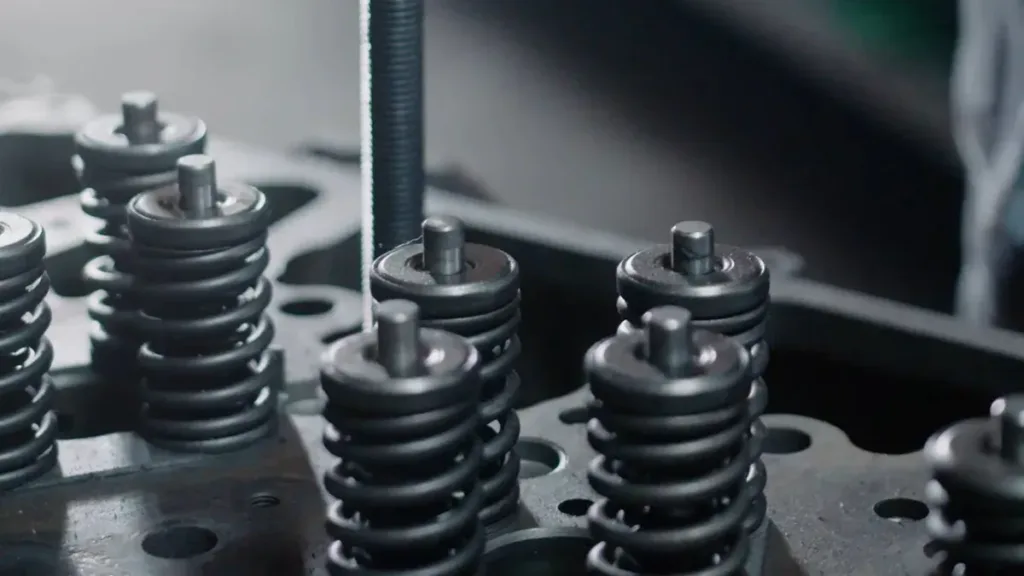
An industrial solenoid valve typically performs 1 to 10 million cycles. Lifespan varies based on operating conditions, fluid compatibility, temperature, and maintenance.
Why does your two-way solenoid valve fail and how can you fix it?
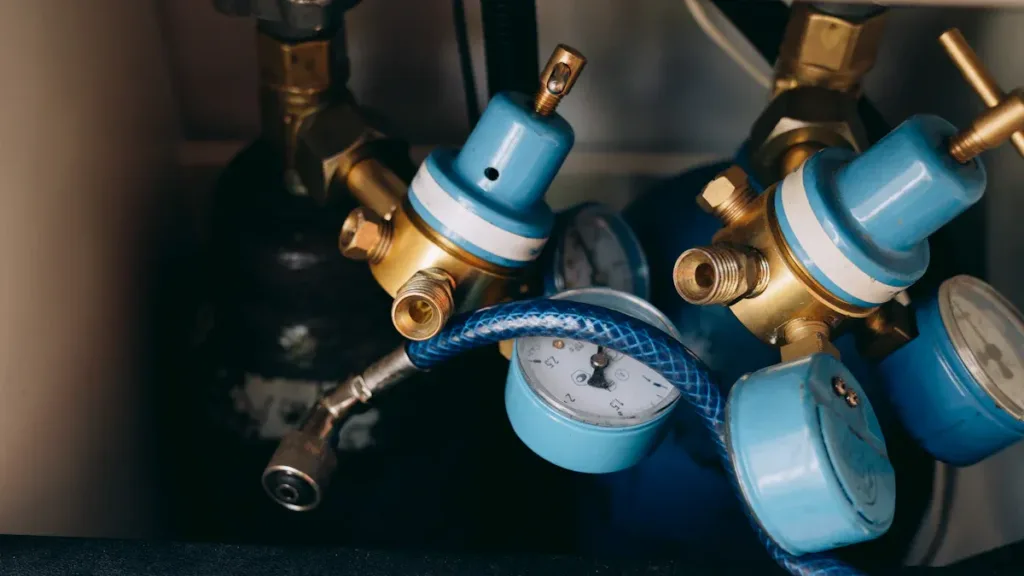
Two-way solenoid valve failures often stem from contamination, electrical issues, wear, or improper installation. Learn common causes and effective prevention strategies to ensure reliable operation.
What Makes Pneumatic Solenoid Valves Crucial for 5 Industrial Sectors?
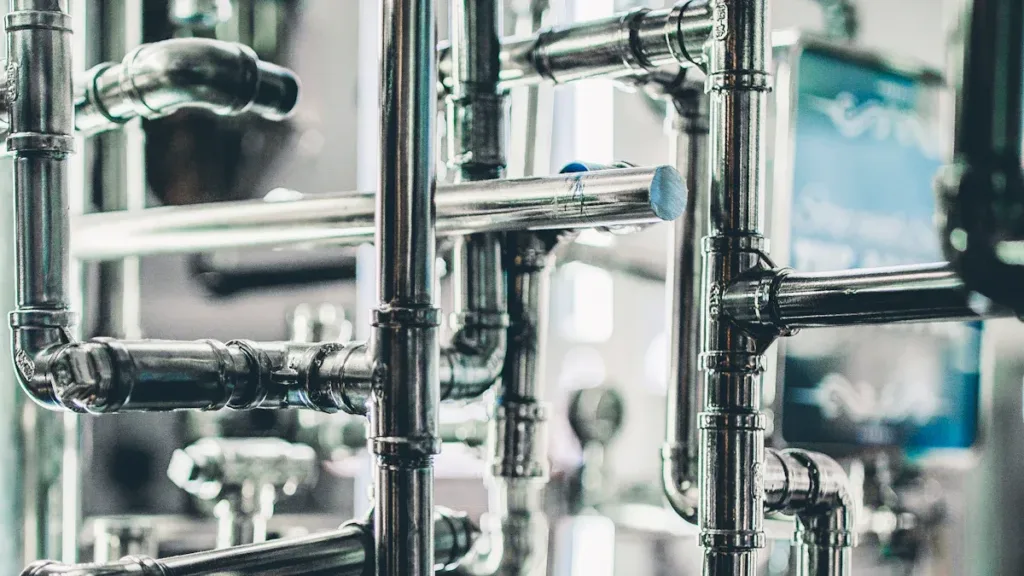
Pneumatic solenoid valves are crucial for automation, precision, and safety in manufacturing, packaging, food processing, automotive, and water treatment. Learn their vital role.
How Do Solenoid Valves Optimize 5 Leading Industrial Operations?
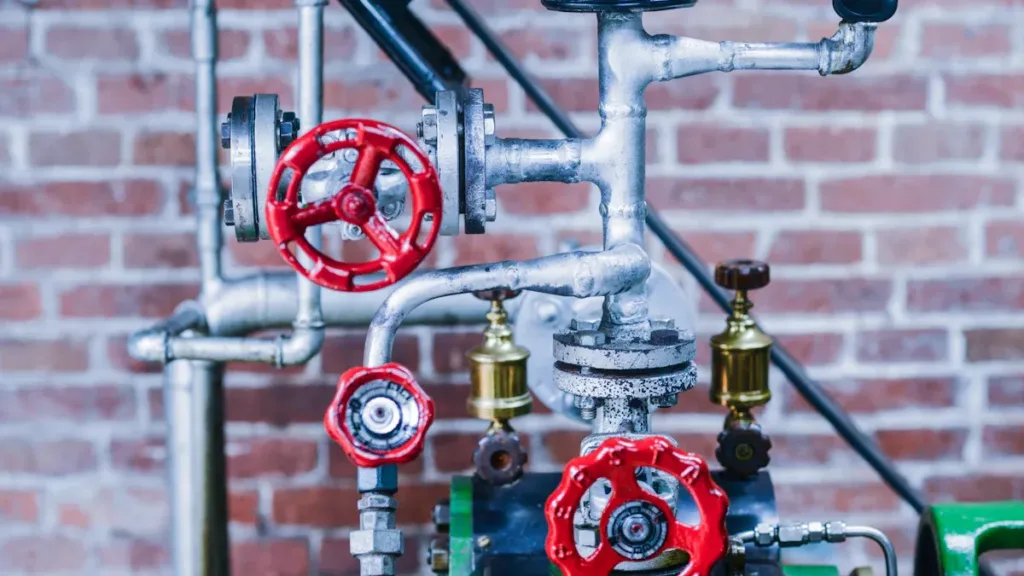
Solenoid Valves optimize industrial operations by providing precise control in manufacturing, packaging, chemical processing, food production, and water treatment.
What’s the Best Solenoid Valve for Corrosive Applications in 2025?
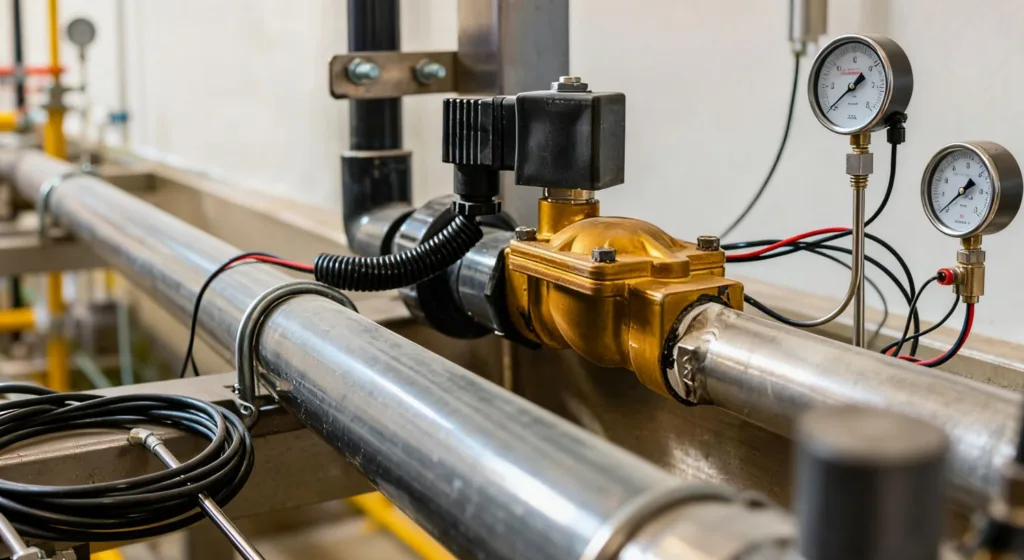
Stainless steel solenoid valves are best for corrosive applications. Plastic valves offer specialized chemical resistance, but avoid brass due to rapid degradation.
How Do You Spot a Quality Solenoid Valve 5 Indicators Every Buyer Cares About?
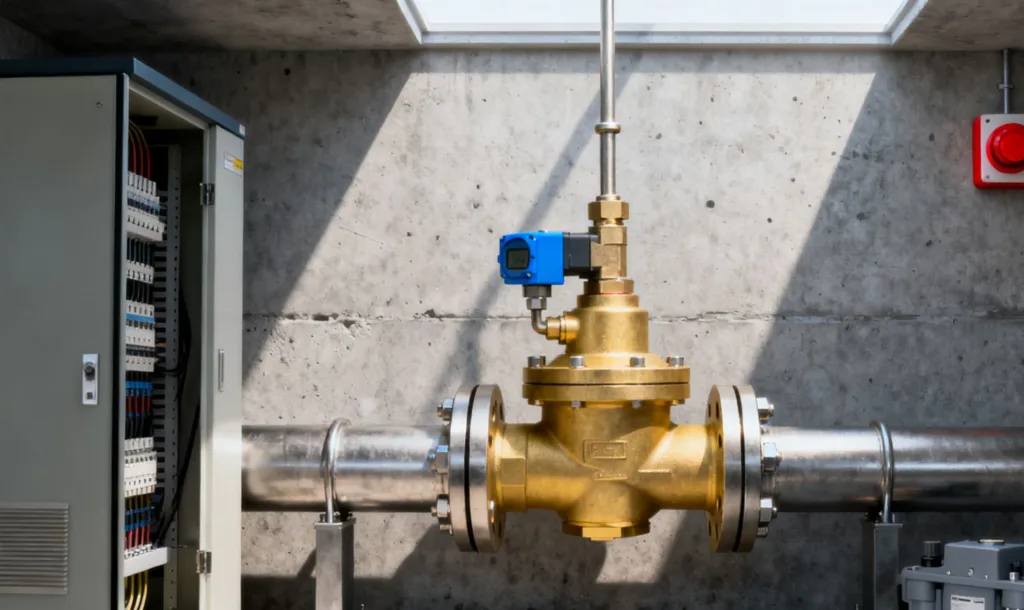
Evaluate solenoid valve quality with 5 key indicators: sealing integrity, operational responsiveness, switching speed, flow efficiency, and material durability. Make informed buying decisions.