
Pneumatic solenoid valves are vital for modern industrial operations. They provide precise, rapid, and reliable control over compressed air flow. These foundational components drive automation, enhance safety, and optimize efficiency across many critical processes. Understanding their pivotal role reveals why Solenoid Valves are essential for seamless functioning and advancement. Which industries use pneumatic solenoid valves? Their importance is clear in various sectors. We will explore the top uses of solenoid valves in industry. These solenoid valves for industry are crucial. The industrial uses of pneumatic solenoid valves are extensive.
Key Takeaways
- Pneumatic solenoid valves control air flow in machines. They help factories make things faster and more accurately.
- These valves are important for robots. They help robots move parts and do jobs like welding or painting.
- Solenoid valves keep food safe and clean. They help machines put the right amount of ingredients in food and drinks.
- They make workplaces safer. Valves can stop machines quickly if there is danger.
- Solenoid valves help clean water and manage resources. They let people control systems from far away.
Manufacturing and Assembly: Precision Control with Solenoid Valves
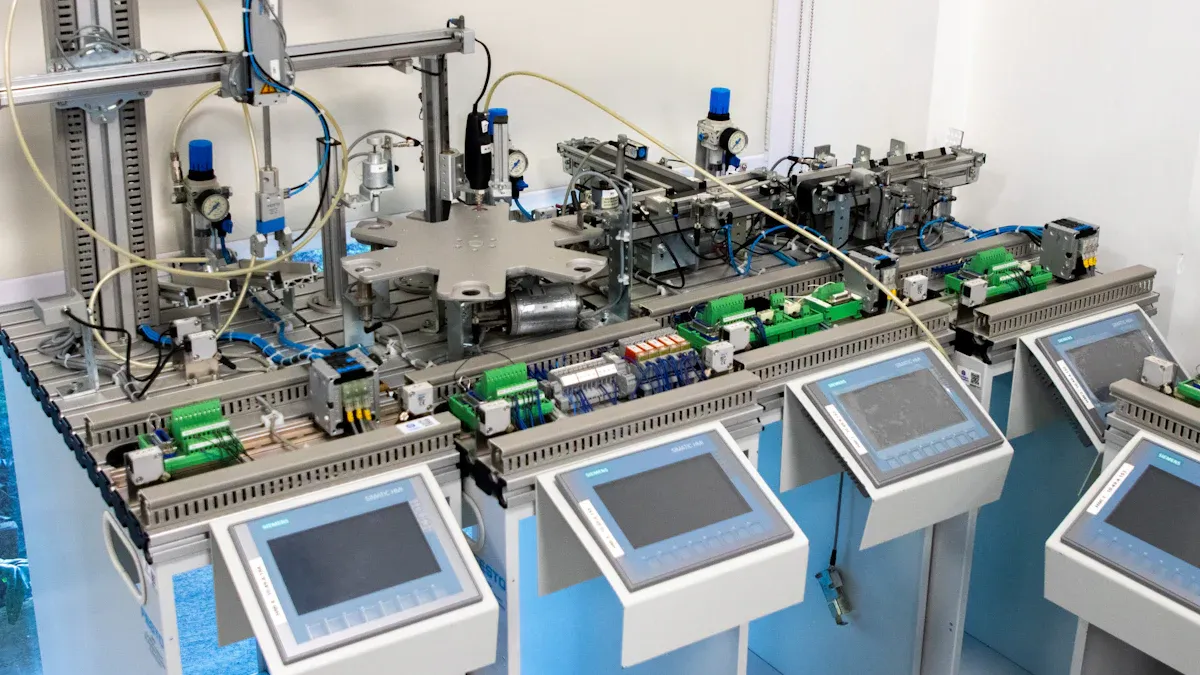
Pneumatic solenoid valves are essential in manufacturing and assembly. They provide the precise control needed for modern production lines. These valves help automate many tasks, making factories more efficient and accurate.
Enabling Automated Assembly Lines
Automated assembly lines rely heavily on pneumatic systems. Solenoid valves direct the flow of compressed air to actuators. These actuators then move parts, clamp components, or perform other actions. This allows machines to work quickly and repeatedly without human intervention. For example, in a car manufacturing plant, valves might control robotic arms that pick and place parts.
| Valve Type | Common Application |
|---|---|
| 5/2-way pneumatic solenoid | Actuating double-acting pneumatic cylinders in machinery and industrial processes |
| 5/3-way pneumatic solenoid | Indexing workpieces in automated machining processes for precise positioning |
The 5/2-way pneumatic solenoid valve is often used for moving cylinders back and forth. The 5/3-way pneumatic solenoid valve helps position workpieces very accurately.
Controlling Robotic Operations
Robots are a common sight in modern manufacturing. Solenoid valves are key to their operation. They control the pneumatic grippers, tools, and movements of robotic arms. This precise control allows robots to perform complex tasks with high repeatability. Whether it is welding, painting, or material handling, these valves ensure robots execute their programmed movements flawlessly.
Boosting Production Accuracy
Accuracy is vital in manufacturing. Solenoid valves contribute significantly to this. They provide rapid and consistent responses to control signals. This means machines can perform tasks with very tight tolerances. For instance, in electronics assembly, tiny components must be placed perfectly. The quick and reliable action of Solenoid Valves ensures this level of precision. This leads to fewer errors and higher quality products.
Packaging Industry: Efficiency and Consistency with Solenoid Valves
The packaging industry demands speed and accuracy. Pneumatic solenoid valves play a vital role here. They ensure packaging processes run smoothly and consistently. These valves help machines handle products with care and precision.
Regulating Filling and Sealing Machines
Filling and sealing machines rely on precise air control. Solenoid valves manage the compressed air that operates these machines. They open and close nozzles for accurate liquid or granular filling. They also control the clamps or heat elements for sealing packages. This precise regulation prevents spills and ensures every package is properly sealed. Think about how a drink bottle gets filled. A valve opens, liquid flows, and then the valve closes quickly.
Ensuring Consistent Product Output
Consistency is key in packaging. Customers expect every product to look and feel the same. Pneumatic solenoid valves deliver this consistency. They ensure machines perform the same action every time. This means uniform fill levels, consistent package shapes, and reliable seals. This precision reduces waste and maintains high product quality. It helps companies meet strict quality standards.
Facilitating High-Speed Operations
Modern packaging lines move very fast. Solenoid valves are perfect for these high-speed environments. They respond quickly to electrical signals, allowing rapid machine cycles. This quick response time means more products get packaged per minute. High-speed operations boost production capacity. This efficiency helps businesses meet market demands. These reliable components keep the entire packaging process moving without delays.
Food and Beverage Processing: Hygiene and Control with Solenoid Valves
The food and beverage industry demands strict hygiene and precise control. Pneumatic solenoid valves are crucial here. They help maintain sanitary conditions and ensure product quality. These valves manage various processes, from sorting ingredients to packaging finished goods.
Automating Sorting and Dispensing
Food processing plants use automation for many tasks. Solenoid valves control the air that powers sorting systems. These systems direct food items to the correct processing lines. They also manage the dispensing of liquids, powders, or granular products. For example, a valve might open to release a measured amount of sugar into a mixer. Then it closes quickly. This automation speeds up production. It also reduces the chance of human error.
Meeting Sanitary Design Requirements
Hygiene is paramount in food and beverage production. Equipment must be easy to clean and resist contamination. Solenoid valves in this sector meet strict sanitary design requirements. Manufacturers choose specific materials for these valves. These materials prevent bacteria growth. They also withstand harsh cleaning chemicals.
| Component | Material Type |
|---|---|
| Valve Material | Stainless Steel 304/316/316L |
| Sealing Material | PTFE / SIL |
Valve bodies often use stainless steel grades like 304, 316, or 316L. Sealing materials are typically PTFE or silicone. These choices ensure the valves do not harbor contaminants. They also stand up to frequent washdowns.
Ensuring Precise Ingredient Management
Recipes in the food and beverage industry require exact amounts of ingredients. Solenoid valves provide this critical precision. They control the flow of various substances, including liquids, gases, and fine powders. This ensures consistent product quality from batch to batch. It also minimizes waste. For instance, in a dairy plant, valves precisely measure milk and flavorings. This exact control helps maintain the desired taste and texture. It makes sure every product meets high standards.
Automotive Industry: Automation and Safety with Solenoid Valves
The automotive industry relies heavily on automation. It needs precision and speed to build cars efficiently. Pneumatic solenoid valves are key components in this sector. They help control many automated processes and improve safety for workers.
Powering Robotic Welding and Painting
Robots perform much of the welding and painting in car factories. These robots need precise movements. Solenoid valves control the compressed air that powers robotic arms and tools. They ensure robots move accurately for each weld or paint spray. This precision leads to high-quality finishes and strong vehicle structures. The valves allow robots to work quickly and consistently, which speeds up production.
Operating Pneumatic Tools and Fixtures
Car assembly lines use many pneumatic tools. These include air wrenches, drills, and clamping fixtures. Solenoid valves manage the air supply to these tools. They turn the air on and off, allowing workers or automated systems to operate them. For example, a valve might activate a clamp to hold a car part in place. This ensures parts fit together correctly. These valves make it easy to use powerful tools without heavy electrical motors.
Enhancing Worker Safety Protocols
Safety is a top priority in automotive manufacturing. Pneumatic systems, controlled by Solenoid Valves, play a big role in safety. They can power emergency stop mechanisms. If a worker is in danger, a valve can quickly cut off air to a machine, stopping its movement. These valves also help control safety gates and interlocks. They ensure machines do not operate when a safety barrier is open. This protects workers from moving parts and dangerous operations.
Water Treatment and Utilities: Reliability and Regulation with Solenoid Valves
Water treatment plants and utility services need reliable control. They manage essential resources like water and gas. Pneumatic solenoid valves are crucial for these operations. They ensure systems run smoothly and efficiently. These valves help maintain public health and safety.
Managing Filtration and Aeration Systems
Water treatment involves many steps. Filtration systems remove impurities from water. Aeration systems add air to water, helping remove contaminants. Solenoid valves control the flow of water and air in these systems. For example, they direct water through different filter beds. They also regulate the air supply to aeration tanks. This precise control ensures water gets cleaned effectively. It also helps maintain the right chemical balance.
Ensuring Remote Valve Operation
Many water treatment facilities are large. Some areas can be difficult or dangerous for staff to access. Solenoid valves allow operators to control processes remotely. Workers can open or close valves from a control room. This remote operation improves safety for employees. It also allows for quicker responses to system changes or emergencies. Imagine controlling a valve miles away with just a click! This capability makes managing vast utility networks much easier.
Optimizing Resource Management
Utilities constantly look for ways to save resources. Pneumatic solenoid valves help optimize water and energy use. They provide precise control over flow rates. This means plants only use the exact amount of water or air needed. For instance, they can prevent over-aeration, which wastes energy. They also help manage water distribution networks efficiently. By accurately controlling flow, these valves reduce waste. This leads to lower operating costs and better environmental practices.
Chemical Handling: Safe and Precise Flow Control with Solenoid Valves
Chemical handling requires extreme care. It demands both safety and precision. Pneumatic solenoid valves are essential in this environment. They help manage dangerous substances reliably. These valves ensure processes run smoothly and safely.
Regulating Chemical Dosing Systems
Chemical dosing systems add precise amounts of chemicals to a process. Solenoid valves control these critical additions. They open and close quickly to deliver exact quantities. This precision prevents over-dosing or under-dosing. It ensures product quality and process efficiency. Because chemical environments can be hazardous, these valves often need special certifications. For example, Hazardous Area Certifications like ATEX, IECEx, UL, and CSA are crucial. They ensure explosion protection in classified zones. UL Certification confirms safety standards for North America. CE Marking and ATEX Certification are important for the European Union, especially in potentially explosive atmospheres. IECEx Certification is an international standard for explosive environments. NEMA ratings and IP ratings also define protection levels against dust and liquids.
Ensuring Material Compatibility
Chemicals can be very corrosive. Choosing the right materials for valves is vital. Mismatched materials can lead to corrosion quickly, sometimes within weeks. Seals can swell and leak, causing dangerous spills. High temperatures can also degrade seals fast. Engineers must consider the exact chemical name, its concentration, operating temperature, and line pressure. Using brass or aluminum in aggressive acid or chlorinated environments can cause serious problems. Therefore, selecting valves made from compatible materials is a top priority.
Preventing Contamination and Leaks
Preventing contamination and leaks is paramount in chemical handling. Solenoid valves play a key role here. Their design helps create a tight seal. This stops chemicals from escaping into the environment. It also prevents outside contaminants from entering the system. Reliable seals and robust valve construction ensure system integrity. This protects workers, the environment, and the product itself.
Medical and Pharmaceutical: Critical Control with Solenoid Valves
The medical and pharmaceutical industries demand extreme precision and reliability. Pneumatic solenoid valves are vital components here. They ensure the safe and accurate operation of many critical devices and processes.
Precision in Diagnostic Equipment
Diagnostic equipment needs to be incredibly accurate. Solenoid valves play a key role in this precision. They control the flow of gases and liquids within machines like blood analyzers and DNA sequencers. For example, a valve might precisely measure a tiny amount of reagent for a test. This exact control ensures reliable test results. Doctors and patients depend on this accuracy for correct diagnoses and treatments.
Automated Drug Dispensing
Automated drug dispensing systems rely on precise control. These systems use solenoid valves to manage the flow of medications. They ensure patients receive the correct dosage every time. This is crucial in hospitals and pharmacies.
Tip: Automated dispensing reduces human error, making medication administration safer and more efficient.
Valves can open and close rapidly to dispense exact liquid volumes or count pills. This automation improves patient safety and streamlines pharmaceutical operations.
Sterilization and Cleanroom Applications
Maintaining sterile environments is non-negotiable in medical and pharmaceutical settings. Solenoid valves are essential in sterilization equipment, such as autoclaves. They control steam and air flow to effectively sterilize instruments. In cleanrooms, these valves help manage air pressure and filtration systems. This prevents contamination. Manufacturers often choose valves made from specific materials that can withstand harsh sterilization processes and maintain cleanliness. This ensures the integrity of sensitive products and patient safety.
Pneumatic solenoid valves form the backbone of modern industrial processes. They drive automation and achieve operational excellence. Their versatility and robust design make them essential for precision, speed, safety, and efficiency across many key sectors. The continuous evolution of Solenoid Valves technology promises even greater advancements. This will further enhance industrial control and automation.
FAQ
What is a pneumatic solenoid valve?
A pneumatic solenoid valve controls compressed air flow. An electrical signal activates a coil, which moves a plunger. This movement opens or closes the valve, directing air to power industrial equipment. It acts like an on-off switch for air.
Why are solenoid valves important in manufacturing?
Solenoid valves are crucial for automation. They precisely control robotic arms, assembly lines, and pneumatic tools. This control helps factories produce goods faster and more accurately. They ensure machines perform tasks consistently every time. ⚙️
How do solenoid valves enhance safety in industrial settings?
These valves improve safety by controlling critical systems. They can quickly shut off air to machinery during emergencies. This prevents accidents. They also operate safety gates and interlocks, ensuring machines do not run when workers are in danger.
Can solenoid valves be used in clean environments like food processing?
Yes, absolutely! Manufacturers design special solenoid valves for clean environments.
These valves use materials like stainless steel and specific seal types. This design prevents contamination and allows for easy cleaning. They meet strict hygiene standards for food and beverage production. 🧼
What makes pneumatic solenoid valves reliable for industrial use?
Pneumatic solenoid valves are reliable due to their robust design and quick response. They operate consistently over many cycles. Their simple mechanism means fewer parts can fail. This reliability ensures continuous operation in demanding industrial applications. ✅