
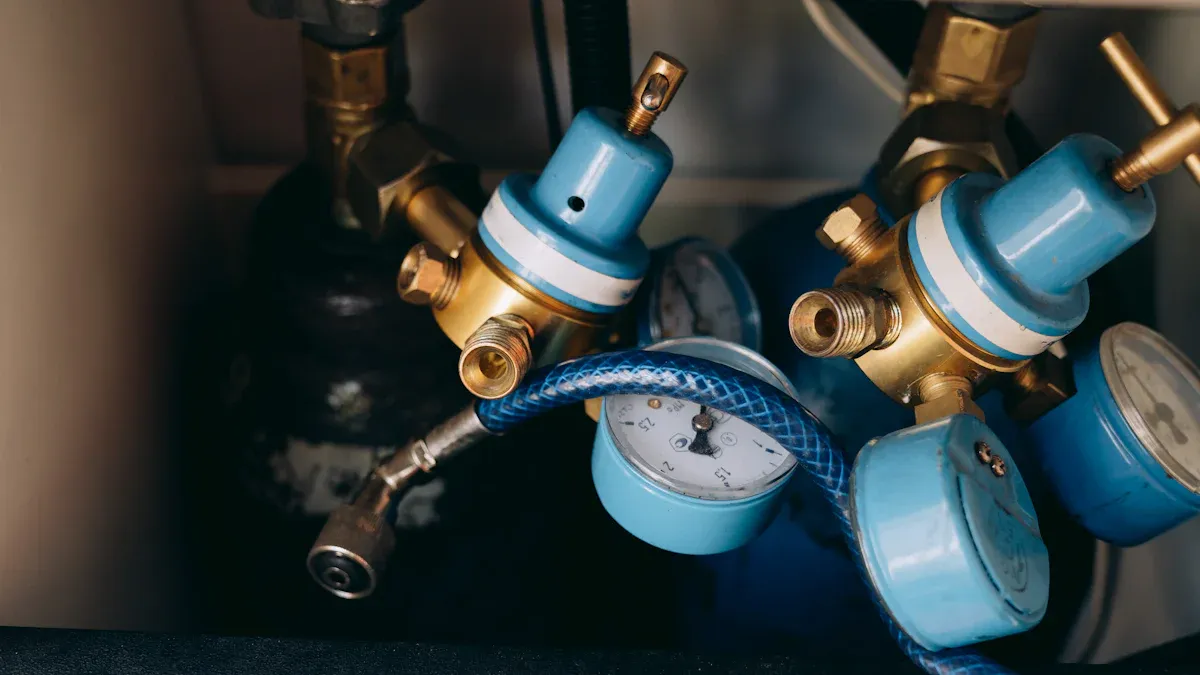
Solenoid valves enable precise Fluid Control, which is crucial for advanced system functionality, efficiency, and safety. Their innovative applications drive progress in New Energy Vehicles. For instance, an automotive solenoid valve manages various functions, including the fuel injection solenoid valve for optimal combustion and the oil solenoid valve for lubrication. These evolving capabilities are essential for rapidly advancing technological sectors like medical devices and industrial automation.
Key Takeaways
- Solenoid valves are important for New Energy Vehicles. They help manage battery temperature and fuel cell systems. This makes cars work better and safer.
- Solenoid valves help medical devices work well. They control small amounts of liquid in blood tests and DNA machines. This gives correct results and keeps things clean.
- Solenoid valves are key in factories. They help robots move and control processes. Smart valves can connect to the internet to make factories more efficient.
- Special solenoid valves work in tough places. They can handle high pressure or strong chemicals. This keeps factories running safely and smoothly.
Solenoid Valves in New Energy Vehicles (NEVs)
New Energy Vehicles (NEVs) demand precise control for optimal operation. Solenoid valves are essential components in these advanced vehicles. They manage various fluids and gases, ensuring efficiency, safety, and performance across different systems. Their rapid response times and reliability make them ideal for the dynamic needs of NEVs.
Battery Thermal Management with Solenoid Valves
Electric vehicle batteries require careful temperature regulation. These valves control the flow of cooling or heating fluids, such as glycol-water mixtures. This action keeps the battery within its ideal operating temperature range, typically between 20-40 degrees Celsius. Effective thermal management prevents degradation from extreme temperatures. It extends battery lifespan significantly. It also enhances vehicle performance, ensuring consistent power delivery, and improves charging speed.
Fuel Cell System Control by Solenoid Valves
Fuel cell vehicles convert hydrogen into electricity through an electrochemical process. These systems depend on precise fluid control for their chemical reactions. Solenoid valves accurately manage the flow of hydrogen and oxygen into the fuel cell stack. They also handle the removal of water, a byproduct of the reaction, and excess heat. This precise control ensures efficient power generation, maximizing energy output, and maintains system safety by preventing gas leaks or pressure imbalances.
Advanced Braking and Suspension Solenoid Valves
Modern NEVs incorporate sophisticated braking and suspension technologies for enhanced driver experience and safety. These valves are crucial in these advanced systems. In regenerative braking, they control hydraulic fluid movement within the braking system, allowing the vehicle to recover kinetic energy and convert it back into electricity. For active suspension, these components precisely adjust fluid pressure within shock absorbers. This dynamic adjustment provides both a smoother ride over varied terrain and improved vehicle handling during cornering.
Emerging Trends for Solenoid Valves in NEVs
New Energy Vehicles constantly evolve, driving innovation in component technology. Future trends for solenoid valves in NEVs focus on enhancing efficiency, reliability, and integration. Manufacturers now integrate smart sensors and improved materials into solenoid valve designs. This significantly enhances their performance and reliability.
A major development involves high-efficiency CO2 solenoid valve modules. These modules specifically target EV thermal management systems. They aim to improve valve response times and reduce energy consumption in battery cooling. Companies actively collaborate on these advancements. For example, Valeo SA and Aptiv PLC jointly develop new CO2 solenoid valve modules for EVs. This establishes a scalable platform for multiple automakers. Sensata Technologies and Bosch Rexroth also partner to co-develop high-efficiency CO2 solenoid valve modules for EV thermal management. Denso Corporation secured a significant contract to supply CO2 solenoid valve assemblies for next-generation EV battery cooling systems.
The industry also focuses on creating lightweight and compact designs. These smaller, lighter components contribute to overall vehicle efficiency. They help reduce vehicle weight and optimize space. Solenoid valves remain crucial for pressure control, flow control, and temperature regulation in EVs. Pressure control is a primary focus for manufacturers. It helps maintain optimal performance. Flow control ensures a steady flow of fluids, enhancing cooling and heating systems. Temperature regulation is significant for maintaining desired operating temperatures and prolonging component lifespan. The market experiences robust growth. Technological advancements and increasing demand for sustainable transportation solutions drive this expansion.
Precision Solenoid Valves in Medical Diagnostics

Medical diagnostic equipment demands extreme precision and reliability. These devices analyze biological samples, providing critical information for patient care. Solenoid valves play a vital role in these systems. They accurately control the flow of tiny fluid volumes. This precision ensures accurate test results and prevents contamination.
Solenoid Valves for Blood Analyzers
Blood analyzers process patient blood samples. They measure various components and detect diseases. Solenoid valves manage the movement of blood, reagents, and waste fluids within these machines. They ensure precise dispensing of samples and reagents. This prevents cross-contamination between different tests. Manufacturers use sanitary-grade materials for valve bodies. They also use FDA-approved seals. These materials maintain hygiene and prevent contamination.
DNA Sequencers and Solenoid Valve Integration
DNA sequencers map genetic information. They require exact control over chemical reactions. Solenoid valves integrate into these complex systems. They precisely control the flow of reagents and DNA samples through microfluidic channels. The valves ensure accurate delivery of each chemical at the correct time. This precision is crucial for successful sequencing. The valve’s media compatibility with various corrosive chemicals is also essential.
Immunoassay Systems Utilizing Solenoid Valves
Immunoassay systems detect specific substances in biological samples. They often identify antibodies or antigens. Solenoid valves control the delivery of reagents, washing solutions, and waste. They ensure each step of the assay proceeds correctly. Normally closed valves are often preferred. They ensure liquid only flows when actively required. This prevents unintended contamination or leakage. The valves’ pressure and temperature ratings must match system requirements for stable operation.
Therapeutic Applications of Solenoid Valves
Solenoid valves are critical components in medical devices that directly treat patients. These devices require precise control over fluids and gases to ensure patient safety and effective therapy. The valves’ reliability and accuracy make them indispensable in these life-supporting systems.
Solenoid Valves in Ventilators and Anesthesia Machines
Ventilators and anesthesia machines rely heavily on precise gas control. Solenoid valves regulate oxygen delivery in ventilators. They control the quantity and pressure of oxygen based on patient needs. These valves also manage the volume and timing of air delivery, ensuring timely oxygen supply for proper respiration. This prevents delays in breathing support. Solenoid valves serve as safety features in anesthesia machines and ventilators. They promptly shut off to prevent over-pressurization. They maintain consistent air pressure levels in BiPAP and CPAP machines. This keeps airways open for patients with sleep apnea. Furthermore, these valves adjust airflow in CPAP and BiPAP machines according to a patient’s breathing patterns. They are also used for sampling gases in anesthesia machines. They regulate the flow of anesthetic gases to sensors. This monitors concentration and ensures correct dosage.
Infusion Pumps and Solenoid Valve Accuracy
Infusion pumps deliver medications, nutrients, or fluids to patients in controlled amounts. Solenoid valves within these pumps ensure highly accurate fluid delivery. They precisely control the flow rate, preventing under-dosing or over-dosing. This accuracy is vital for patient safety, especially with potent medications. The valves’ rapid response allows for immediate adjustments to flow rates as needed.
Dialysis Machines and Solenoid Valve Control
Dialysis machines filter waste products from the blood of patients with kidney failure. These complex systems use solenoid valves to manage the flow of blood, dialysate, and waste fluids. The valves control the mixing of dialysate solutions and direct the flow through various filters. They ensure the correct balance of fluids and electrolytes. This precise control is essential for effective treatment and patient well-being.
Surgical Solenoid Valves and Patient Safety
Surgical procedures demand extreme precision and unwavering reliability. Solenoid valves play a crucial role in ensuring patient safety and successful outcomes. They control fluids and gases within various surgical instruments and systems. Their ability to operate accurately under demanding conditions makes them indispensable.
Minimally Invasive Surgical Tools with Solenoid Valves
Minimally invasive surgical tools allow doctors to perform complex procedures through small incisions. Miniaturized solenoid valves enable advanced functionality in these devices. They provide compact, reliable, and precise fluid control solutions. These small valves are crucial for the increasing adoption of minimally invasive surgical devices. Technological innovations in miniaturization lead to enhanced energy efficiency and improved response times. These improvements are critical enablers for advanced functionality. Advancements in miniaturization and material science result in more compact, durable, and energy-efficient valves. These valves are suitable for sensitive medical applications.
Irrigation and Aspiration Solenoid Valve Systems
Irrigation and aspiration systems are vital during surgery. They clear the surgical field and remove debris. Solenoid valves in these systems manage the flow of irrigation fluids and control aspiration suction. To prevent contamination, designers consider several factors. Inline filters or strainers are essential to prevent issues like clogging from dirt or mineral deposits. Material compatibility is crucial. Selecting appropriate materials for the valve body, seals, and diaphragms resists degradation from corrosive fluids. Environmental conditions also matter. Solenoid valves should withstand ambient temperatures and other factors. This includes using temperature-rated seals and IP-rated enclosures. These features prevent issues like seal deformation or ingress of dust.
Emerging Trends for Solenoid Valves in Medical Devices
The medical device industry continuously innovates. Future trends for solenoid valves in medical devices focus on miniaturization, enhanced safety, and smart technologies. A strong trend points towards smaller, more compact valves for portable medical devices. Manufacturers also focus on enhanced materials and manufacturing processes. This improves reliability and durability. Development includes valves with features like leak detection and fail-safe mechanisms. The incorporation of sensors and communication capabilities allows integration into larger medical equipment systems. Personalized medicine drives a greater variety of specialized solenoid valves. These valves tailor to individual patient needs and treatment plans. The growth of telemedicine and remote patient monitoring also impacts design. These systems rely on precise fluid control. An emphasis on cost-effectiveness influences design and manufacturing processes for increased efficiency.
Industrial Automation and Solenoid Valve Integration
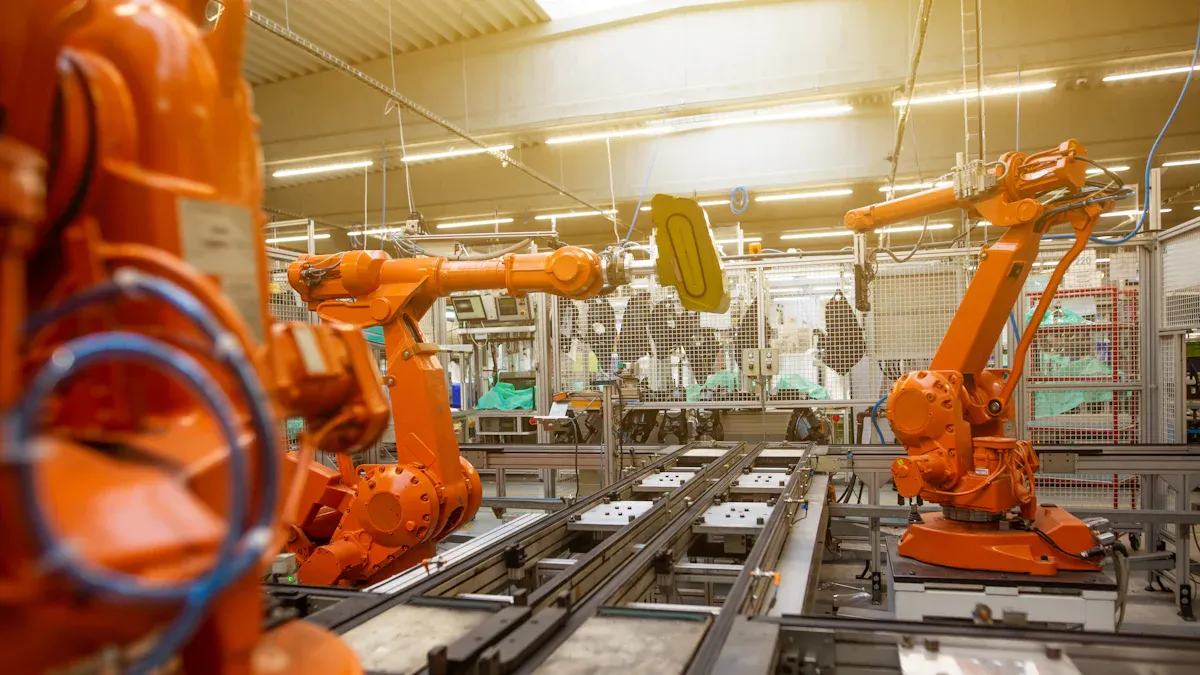
Industrial automation relies on precise control to optimize manufacturing processes. Solenoid valves are fundamental components in these systems. They manage fluid and gas flows, ensuring efficiency, safety, and consistent product quality. Their integration into advanced automation technologies drives modern factories.
Robotics and Pneumatic Solenoid Valve Systems
Robotics in manufacturing often uses pneumatic systems for movement and gripping. These systems depend on pneumatic solenoid valves to control air pressure and direction. The valves enable robots to perform tasks with high accuracy and speed.
| Feature | Enhancement in Robotics |
|---|---|
| Precise Control | Pneumatic solenoid valves, with fast-acting components, enable rapid transitions from open to closed states. This allows for exact regulation of airflow, direction, and pressure. This precision is crucial for automated equipment requiring high accuracy. |
| Fast Response Times | These valves can change states very quickly. This ensures the equipment they control responds rapidly, predictably, reliably, and repeatedly. This speed is vital for dynamic robotic operations. |
These capabilities allow robots to handle delicate items or perform rapid assembly operations.
Process Control and Instrumentation Solenoid Valves
Process control systems monitor and adjust various parameters in industrial operations. These parameters include temperature, pressure, and flow rates. Solenoid valves are essential for instrumentation. They regulate the flow of liquids and gases in pipelines. This ensures processes stay within desired limits. For example, they control chemical dosing in water treatment plants. They also manage coolant flow in machinery. Their reliability ensures stable and consistent production.
Smart Factories and IoT-Enabled Solenoid Valves
Smart factories use the Internet of Things (IoT) to connect and optimize operations. IoT-enabled solenoid valves are key to this connectivity. They provide real-time data and allow remote control.
- Efficiency: IoT-enabled solenoid valves enhance efficiency through features like smart metering control for accurate resource distribution. They enable automated operations and scheduling to minimize manual intervention. They eliminate over-usage by monitoring and setting limits. Remote monitoring allows effective management. Intelligent response via AI adjusts settings in real-time. Automatic shutoff provides safety. Temperature control and predictive maintenance anticipate future needs.
- Data Collection: These valves provide real-time information on performance, machine status, and resource usage. This enables quick analysis and informed decision-making.
This integration leads to more efficient, responsive, and predictive manufacturing environments.
Advanced Solenoid Valves for Harsh Industrial Environments
Industrial settings often expose equipment to extreme conditions. These environments demand robust and reliable components. Specialized solenoid valves meet these challenges. They ensure continuous operation and safety in demanding applications.
High-Pressure Solenoid Valves in Manufacturing
Manufacturing processes frequently involve high operating pressures. Equipment must withstand these forces without failure. High-pressure solenoid valves are critical for maintaining control and safety in such systems. They feature specific design elements for reliable performance.
- They are rated for 16 bar working pressure. This ensures suitability for high-pressure industrial applications.
- A durable all-copper valve body provides robust construction for longevity.
- Premium corrosion-resistant materials and precision manufacturing techniques enhance durability in challenging industrial environments.
- An energy-optimized pilot mechanism contributes to efficient and reliable performance.
- Modular construction allows separate access to the pilot assembly and diaphragm. This simplifies maintenance and extends operational lifespan.
- Omnidirectional mounting capability offers installation flexibility without compromising performance.
Corrosion-Resistant Solenoid Valves for Chemical Plants
Chemical plants present particularly aggressive conditions. Standard valve materials can quickly degrade from exposure to corrosive substances. This poses significant risks.
- Chemical Compatibility: Standard valve materials are vulnerable to corrosion and degradation from aggressive chemicals.
- Safety Risks: Leaks or failures can lead to environmental hazards and worker safety issues.
- Operational Downtime: Frequent maintenance or replacement due to corrosion disrupts production and increases costs.
To combat these issues, specialized materials and coatings are essential for valve components.
| Material/Coating Type | Examples/Composition | Key Properties/Benefits |
|---|---|---|
| Metal-based Coatings | Zinc, Aluminum, Alloys | Sacrificial anodes, protects underlying material |
| Polymer and Composite Coatings | Epoxy resins, Polyurethanes, Fluoropolymers | Excellent corrosion resistance, protective barrier |
| Ceramic and Glass-based Coatings | N/A | Superior corrosion resistance in high-temperature/aggressive environments |
Emerging Trends for Solenoid Valves in Industrial Automation
Industrial automation continuously evolves. It pushes the boundaries for component durability and intelligence.
Continuous exposure to harsh environments can lead to clogging, corrosion, or wear and tear.
Future trends for solenoid valves address these challenges directly. They focus on enhancing resilience and connectivity.
- Integration of IoT and AI: Smart solenoid valves offer real-time monitoring and predictive maintenance features.
- Eco-Friendly and Energy-Efficient Solutions: The focus is on reducing power consumption and carbon footprint.
- Expansion in Emerging Markets: Growth potential exists in developing economies due to rising industrialization and infrastructure development.
Solenoid valves are indispensable components driving innovation across critical sectors. Their evolving capabilities are vital. These include miniaturization, enhanced precision, and smart integration. The development of compact, energy-efficient, and high-precision control components makes them crucial. Advanced materials and improved designs lead to higher flow rates and reduced power consumption. IoT integration allows real-time monitoring. These advancements are crucial for the continued progress and efficiency of new energy vehicles, medical devices, and industrial automation. Solenoid valves are key enablers for future technological breakthroughs.
FAQ
What is the main function of solenoid valves in New Energy Vehicles (NEVs)?
Solenoid valves precisely control fluids and gases in NEVs. They manage battery cooling, fuel cell operations, and advanced braking systems. This ensures efficiency, safety, and optimal vehicle performance.
How do solenoid valves ensure accuracy in medical diagnostic equipment?
Medical diagnostic equipment demands extreme precision. Solenoid valves accurately control tiny fluid volumes in blood analyzers and DNA sequencers. This ensures correct test results and prevents contamination.
What benefits do IoT-enabled solenoid valves bring to smart factories?
IoT-enabled solenoid valves provide real-time data and allow remote control. They enhance efficiency through smart metering and automated operations. This leads to more responsive and predictive manufacturing environments.
Why are specialized solenoid valves necessary for harsh industrial environments?
Harsh industrial environments require robust components. High-pressure solenoid valves withstand extreme forces. Corrosion-resistant valves use special materials to prevent degradation from aggressive chemicals. This ensures continuous and safe operation.