
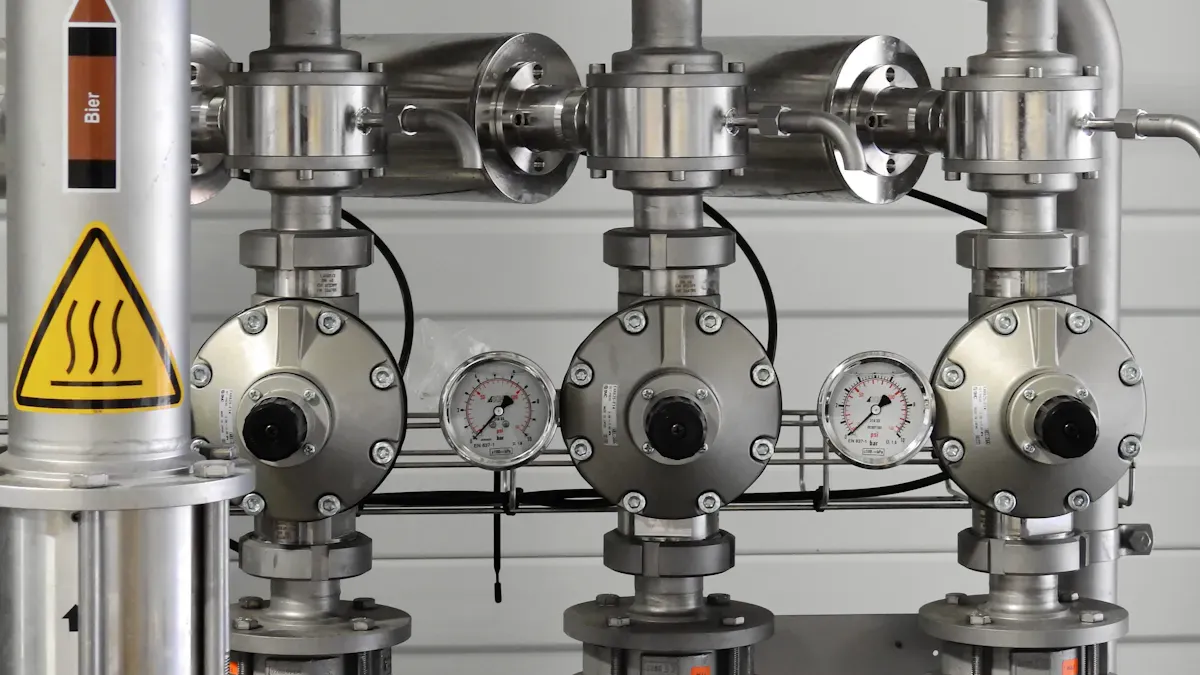
Brass solenoid valves play a crucial role in air compressor systems, including the brass solenoid valve for air compressor applications. Addressing faults in these valves, such as the air compressor condensate drainage valve, ensures optimal performance. Neglecting issues can lead to decreased efficiency, affecting overall operations. Effective troubleshooting, including understanding how to fix air compressor solenoid valves, not only resolves problems but also extends the lifespan of components like the SENYA valve for air compressor systems. Regular maintenance enhances reliability and prevents costly downtime, while also addressing common concerns like why do air compressor valves leak?
Key Takeaways
- Regularly clean brass solenoid valves to prevent debris buildup. Use diluted detergent for rubber parts and isopropyl alcohol for metal components.
- Inspect and replace seals as needed to prevent leaks and inefficiencies. Choose the right seal material for your specific application.
- Adjust pressure settings according to manufacturer specifications. Proper settings enhance valve performance and extend the lifespan of the air compressor system.
Identifying Common Faults in Brass Solenoid Valves
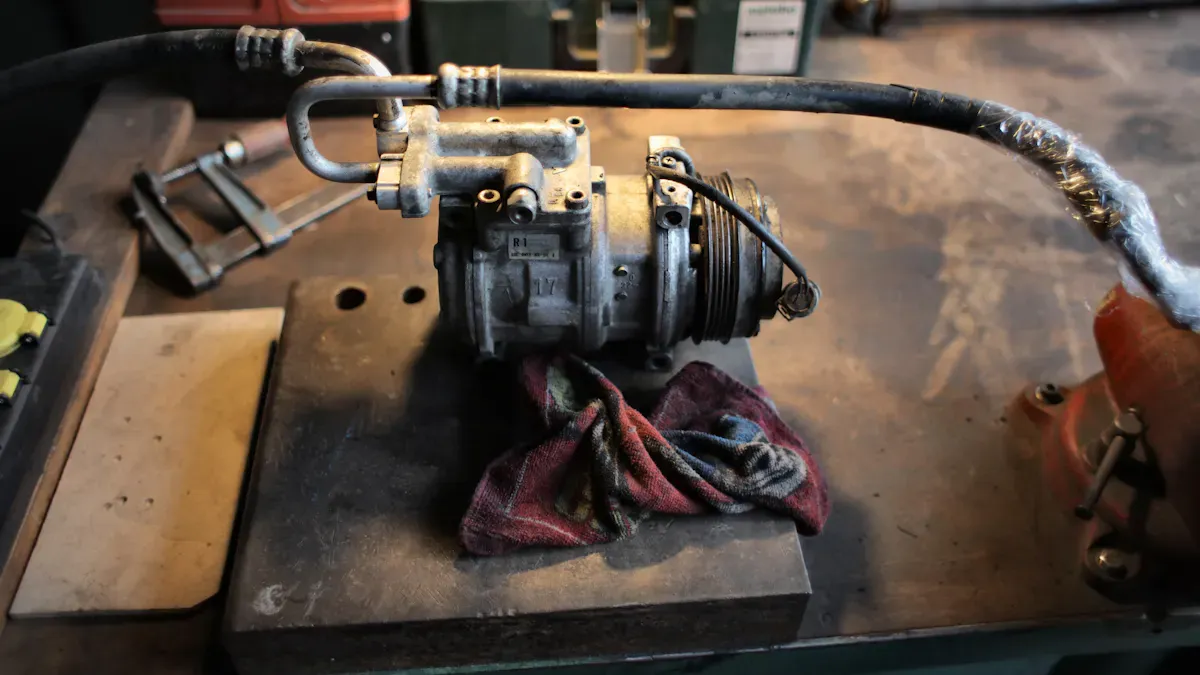
Valve Not Opening
A brass solenoid valve may fail to open due to several reasons. Common symptoms include no flow even when powered, a clicking sound without movement, and coil overheating. Possible issues include coil damage, electrical faults, or contaminants blocking the valve.
| Symptom | Possible Issue |
|---|---|
| No flow even when powered | Coil failure, stuck valve core |
| Clicking sound but no movement | Weak magnetic field, blocked spool |
| Coil overheating | Electrical overload, low-quality coil |
Valve Not Closing
When a valve does not close properly, it can lead to leaks and inefficiencies. Technicians should conduct a physical inspection to check for debris inside the valve. They should also examine air filters for clogs and verify the installation setup.
| Diagnosis | Resolution |
|---|---|
| Physical Inspection | Check for particles or debris trapped within the valve body. |
| Filter Examination | Inspect air filters upstream of the valve for damage or clogging. |
Leaking Valve
Leakage in brass solenoid valves often results from damaged gaskets or worn sliding valves. Regular inspections and timely replacements of seals are crucial to maintaining integrity. Incompatible materials can also lead to premature failure.
- Ensure the solenoid valve’s material matches the compressor’s operating conditions.
- Regularly inspect and replace worn seals or coils.
Erratic Operation
Erratic operation can manifest as delayed valve response or insufficient air flow rates. Factors contributing to this issue include mechanical impurities, insufficient lubrication, or blocked exhaust systems.
- Delayed Valve Response: Insufficient air pressure or blocked exhaust can hinder responsiveness.
- Blocked Exhaust: A blockage can prevent the valve from functioning properly.
Regular maintenance and proactive troubleshooting can help mitigate these common faults in brass solenoid valves.
Troubleshooting Steps for Brass Solenoid Valves
Checking Power Supply
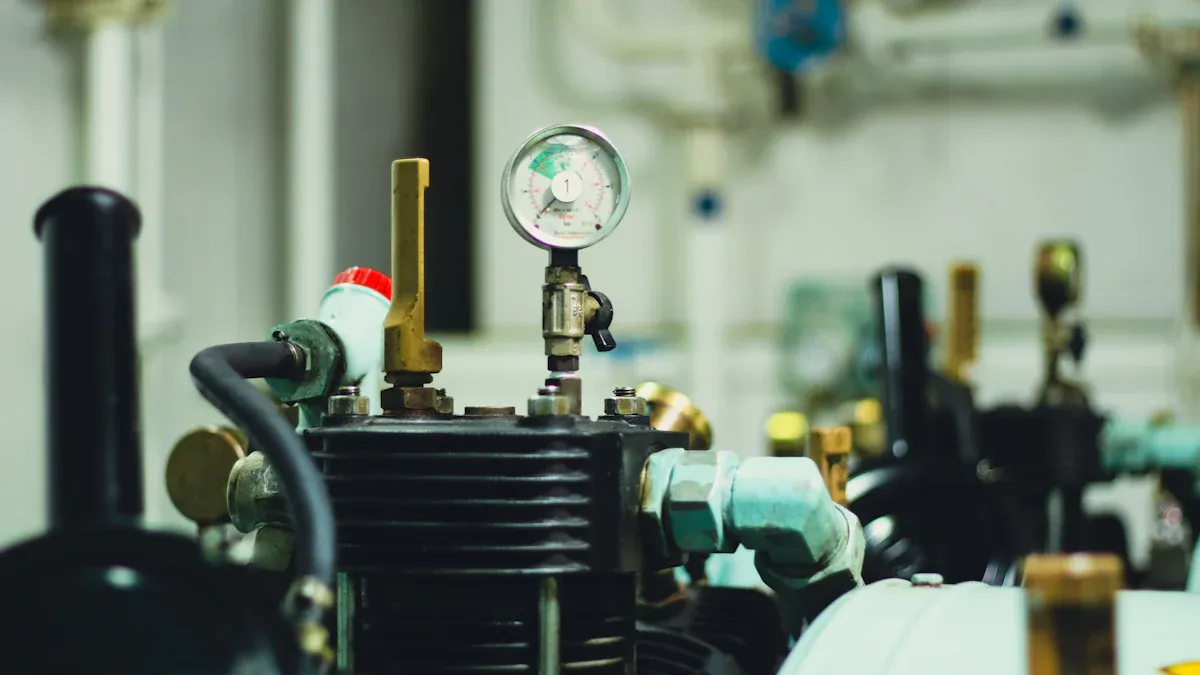
The first step in troubleshooting brass solenoid valves involves verifying the power supply. A consistent power source is essential for proper valve operation. Technicians should check the voltage and current specifications to ensure they meet the requirements. The following table outlines standard specifications for brass solenoid valves in air compressor applications:
| Voltage | Current | Power | Inrush VA | Holding VA |
|---|---|---|---|---|
| 120 V AC | N/A | 12 W | 35.0 | 23.0 |
If the power supply is inadequate, the valve may not open or close as intended. Technicians should use a multimeter to measure voltage at the solenoid terminals. If readings fall below the specified range, they must investigate the power source and rectify any issues.
Inspecting Electrical Connections
Next, technicians should inspect electrical connections for faults. Poor connections can lead to solenoid burnout or unresponsiveness. Implementing a scheduled inspection routine can extend the service life of the valve. Key practices include:
- Checking for unusual noises, vibrations, or overheating of the coil.
- Ensuring proper installation to prevent electrical hazards.
- Using correctly rated wire gauges and conduits to avoid overheating.
- Grounding the valve body and coil housing to divert fault currents.
Regular checks for insulation breakdown and testing coil resistance are also crucial. Monitoring solenoid coils for discoloration or burning smells can indicate potential failures.
Testing Coil Resistance
Testing the coil resistance is vital for identifying electrical faults. Abnormal readings can signal solenoid burnout or damage. Technicians should follow these guidelines:
- A resistance measurement exceeding the manufacturer’s recommended range suggests damage to the solenoid coil.
- An ‘OL’ reading indicates an incomplete circuit, which may require replacement.
- Regular testing helps ensure the solenoid operates efficiently.
By maintaining proper coil resistance, technicians can prevent issues that affect fluid flow control.
Examining Valve Seat
Finally, examining the valve seat is essential for diagnosing operational issues. Key indicators of valve seat wear or damage include:
- The valve fails to close or sticks open, leading to runaway flow.
- Internal or external leakage, which poses contamination risks.
- Slow or erratic valve operation, affecting synchronization in automation.
Regular inspections of the valve seat can help identify these problems early, allowing for timely repairs or replacements.
By following these troubleshooting steps, technicians can effectively address common faults in brass solenoid valves, ensuring optimal performance in air compressor systems.
Practical Solutions for Brass Solenoid Valves
Cleaning the Valve
Regular cleaning of brass solenoid valves is essential for maintaining optimal performance. Technicians should aim to clean these valves monthly to prevent debris buildup. Effective cleaning agents include:
- Diluted detergent for rubber components.
- Isopropyl alcohol for metal components, including brass.
- Soft metal brushes for scrubbing metal parts.
Using a mild detergent, such as 10 ml per liter of water, works well for cleaning plastic and rubber components like o-rings. Isopropyl alcohol is particularly effective for both stainless steel and brass components. By implementing a consistent cleaning schedule, technicians can enhance the longevity and efficiency of brass solenoid valves.
Replacing Seals
Seals play a critical role in the functionality of brass solenoid valves. Over time, seals can wear out or become damaged, leading to leaks and inefficiencies. Common seal materials include:
| Seal Material | Strengths | Compatibility Issues |
|---|---|---|
| EPDM | Good for high temperatures | May swell or crack if not compatible with fluid |
| NBR | Excellent oil resistance | Can harden or swell in certain environments |
| Viton | Superior chemical resistance | May deform in high temperatures |
Technicians should regularly inspect seals for signs of wear and replace them as needed. A proactive approach to seal maintenance can prevent costly downtime and ensure the reliable operation of air compressor systems.
Adjusting Pressure Settings
Proper pressure settings are vital for the effective operation of brass solenoid valves. Incorrect adjustments can lead to several issues, including:
- Unresponsiveness in the valves.
- Delayed actuation.
- Potential damage to valve components.
Technicians should regularly check and adjust pressure settings according to manufacturer specifications. This practice not only enhances valve performance but also extends the lifespan of the entire air compressor system.
Full Valve Replacement
In cases where brass solenoid valves exhibit persistent issues despite cleaning and seal replacement, full valve replacement may be necessary. A well-maintained brass solenoid valve typically lasts between 10 to 15 years, depending on application and conditions. When replacing a valve, technicians should consider the following:
- Ensure compatibility with existing system components.
- Follow manufacturer guidelines for installation.
- Test the new valve thoroughly before returning the system to operation.
By addressing faults promptly and replacing valves when necessary, technicians can maintain the efficiency and reliability of air compressor systems.
In summary, addressing common faults in brass solenoid valves enhances air compressor efficiency. Solutions include cleaning, replacing seals, and adjusting pressure settings. Regular maintenance proves vital for reliability.
Proactive measures, such as thermal imaging and periodic checks, lead to early issue detection. This approach prevents unplanned shutdowns and improves overall system performance.
Embrace these practices to ensure optimal operation and longevity of your air compressor systems.
FAQ
What causes a brass solenoid valve to leak?
Leaks often result from damaged seals or worn components. Regular inspections can help identify and address these issues early.
How often should I clean my brass solenoid valve?
Technicians should clean brass solenoid valves monthly to prevent debris buildup and maintain optimal performance.
When should I replace my brass solenoid valve?
Replace the valve if it shows persistent issues after cleaning and seal replacement. A typical lifespan ranges from 10 to 15 years.