
.jpg)
Sealing integrity is paramount; it prevents leaks and ensures safety in any application. Operational responsiveness guarantees reliable, consistent performance from your valve. Switching speed is critical for timely, precise control in demanding operations. Flow efficiency ensures minimal resistance and maximum performance. Material durability dictates the lifespan and resilience in various environments. Buyers often ask “How to evaluate solenoid valve quality?” and consider these points. A trusted Solenoid Valve Manufacturer designs products with these in mind. Understanding these aspects helps address “What are common solenoid valve failures?” and differentiates a quality 2/2 Way Solenoid Valve. It also provides context for details like “What do SMC solenoid valve model numbers mean?“.
Key Takeaways
- Good seals stop leaks. Leaks waste resources and cause safety problems. Choose the right seal material for your fluid.
- A good valve works the same way every time. It opens and closes when it should. This keeps systems running smoothly.
- Fast valves control things quickly. This helps make products faster. It also makes processes more exact.
- Efficient valves let fluid flow easily. This means less energy is used. It also saves money.
- Strong materials make valves last longer. They resist rust and damage. Pick materials that fit your work environment.
Sealing Integrity: A Critical Indicator for Solenoid Valve Quality
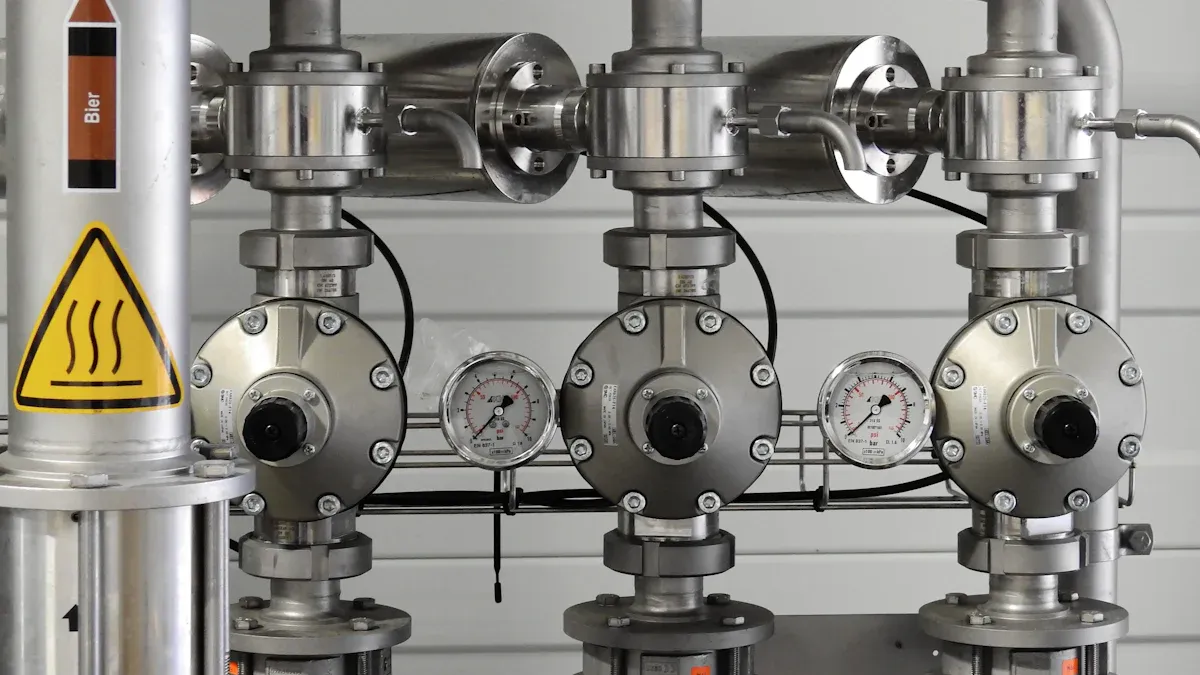
Sealing integrity stands as a cornerstone of quality for any Solenoid Valve. It directly impacts safety, efficiency, and the overall reliability of a system. A valve that leaks compromises performance and can lead to significant issues.
Understanding Solenoid Valve Seal Types and Materials
Different applications demand specific seal materials. Manufacturers select these materials based on the fluid or gas the valve handles, as well as operating temperatures and pressures. Common seal types include:
- Nitrile Rubber (NBR / Buna-N): This material is a standard choice for neutral fluids and O-rings. It resists aging from heat well and works with water, air, fuels, oils, and gases. NBR shows good resistance to petroleum, fuels, and many acids. However, it performs poorly against ozone, chlorinated hydrocarbons, and ethers.
- EPDM Rubber (Ethylene Propylene Diene Monomer): EPDM suits hot water applications due to its excellent heat resistance, up to 250°F (120°C). It resists ozone, oxidizing chemicals, and medium concentration acids. EPDM is not suitable for most oils and fuels.
- Viton® (FKM): This fluoroelastomer offers excellent heat resistance, up to 300°F (150°C). It is often used with hot water, acids, alkalis, oils, and salt solutions. Viton resists many aggressive chemicals and hydrocarbons.
- PTFE (Polytetrafluoroethylene): PTFE is highly resistant to almost all fluids and can withstand very high temperatures, up to 450°F (230°C). Its non-elastic nature limits some uses, but it excels in ball valve applications.
The table below summarizes the resistance of these materials:
| Material | Water | Oil | Gas | Acids |
|---|---|---|---|---|
| Viton | Good | Excellent | Fair | Good |
| PTFE | Excellent | Good | Excellent | Excellent |
| NBR | Fair | Excellent | Fair | Poor |
| EPDM | Excellent | Poor | Good | Fair |
Each material also has distinct advantages and disadvantages:
| Material | Advantages | Disadvantages | Common Applications |
|---|---|---|---|
| Viton | Excellent resistance to chemicals and high temperatures | High cost, less flexible at low temperatures | Chemical processing, oil & gas, aggressive fluids |
| PTFE | Supreme chemical resistance, very low friction | Lower mechanical strength, prone to creep | Food & beverage, sanitary, corrosive substances |
| NBR | Good oil and petroleum resistance, versatile | Limited chemical resistance, degrades at high temperatures | Hydraulics, pneumatics, general-purpose valves |
| EPDM | Excellent for water, steam, and mild chemicals | Poor resistance to oils and hydrocarbons | Water treatment, irrigation, steam valves |
Why Leak-Proof Solenoid Valve Performance Matters
Leak-proof performance is crucial for several reasons. Leaks from valves can harm the environment. Preventing leaks helps organizations meet environmental compliance standards. Zero-leak valves are essential when handling corrosive and volatile substances. These valves prevent hazardous leaks that could endanger the environment and personnel. Beyond environmental concerns, leaks lead to wasted resources, reduced system efficiency, and potential equipment damage.
Key Aspects of Solenoid Valve Seal Design to Evaluate
Evaluating seal design involves looking at several critical factors. First, media compatibility is vital. Manufacturers must select appropriate materials for the valve body and seals based on the fluid or gas. Incompatible materials cause premature wear, seal swelling, and contamination, which compromises leak-proof performance. For example, stainless steel is recommended for aggressive media. Specific seal materials like EPDM, FKM, or PTFE are chosen based on their chemical resistance and temperature ratings. Second, pressure and temperature ratings are essential. Valves must operate within specified limits to prevent failures. Exceeding these limits can cause structural damage or seal degradation, leading to leaks. High-pressure applications require reinforced valve bodies and durable seals to maintain integrity.
Operational Responsiveness: Ensuring Reliable Solenoid Valve Action
Defining Consistent Solenoid Valve Performance
Consistent performance means a valve always acts in a predictable manner. It opens or closes reliably each time it receives an electrical signal. This predictability is crucial for any automated system. Operators expect the valve to perform its intended function without fail. A consistent valve helps maintain steady processes. It also prevents unexpected shutdowns or operational errors. This steady behavior ensures the system runs smoothly and efficiently. Consistent valve performance builds trust in the overall automation. It means the valve delivers the same result every time, under the same conditions.
The Importance of Reliable Solenoid Valve Actuation
Reliable actuation is extremely important. It ensures systems operate safely and efficiently. If a valve does not actuate correctly, it can cause significant problems. For instance, a valve controlling a critical fluid might fail to open. This stops the flow and halts production. Alternatively, it might fail to close, leading to leaks or wasted resources. Reliable actuation means the valve responds precisely when the system needs it. This prevents costly downtime, potential hazards, and maintains process integrity. In critical applications, a failure in actuation can have severe consequences, affecting safety and environmental compliance.
How to Assess Solenoid Valve Responsiveness
Buyers can assess responsiveness in several key ways. First, they review manufacturer specifications. These documents often list precise response times for both opening and closing actions. Second, they look for consistency in operation. A high-quality valve performs the same way over many thousands of cycles. Third, they consider the valve’s behavior under various operating conditions. Does it respond quickly in high or low temperatures? Does it maintain its speed under varying system pressures? Testing data from the manufacturer provides valuable insights. This data shows how the Solenoid Valve performs throughout its expected lifespan, ensuring it meets application demands. Buyers should also inquire about the valve’s repeatability, which measures how closely it returns to its original state after each operation.
Switching Speed: Timeliness for Critical Solenoid Valve Operations
Measuring Solenoid Valve Opening and Closing Times
Measuring a Solenoid Valve’s opening and closing times is crucial for evaluating its performance. These measurements determine how quickly the valve responds to an electrical signal. Engineers typically use specialized equipment to record the exact moment the valve receives power and the moment it fully opens or closes. This data helps confirm the valve meets its specified response times. Consistent and precise timing ensures the valve integrates smoothly into automated systems. Accurate measurements also help identify any potential delays or inconsistencies in valve operation.
Application-Specific Solenoid Valve Speed Requirements
Different applications demand specific switching speeds from a Solenoid Valve. Medical device production, for example, often requires very fast response times. Solenoid valves in these applications typically need to respond in less than 20 milliseconds. A syringe pump timing application once required an 8-millisecond valve response. Direct-acting units successfully met this need, providing a 6-millisecond response. High-Speed Specialty valves offer premium performance, with response times ranging from 2 to 8 milliseconds, making them ideal for demanding medical uses.
| Valve Type | Performance (ms) |
|---|---|
| High-Speed Specialty | 2-8 |
Pneumatic control systems also have specific speed requirements.
- Solenoid valves enable high-speed switching in automated processes.
- Port size directly influences response speed; 1/8″ ports suit fast switching tools, while larger ports serve different applications.
- The valve’s Cv value (flow coefficient) should align with the required cycle time to ensure appropriate speed.
- Cycle testing monitors actuation response time and confirms correct switching, highlighting specific response times as a critical performance metric.
Impact of Solenoid Valve Switching Speed on System Efficiency
The switching speed of a Solenoid Valve directly impacts overall system efficiency. Faster switching speeds allow for more precise control over fluid or gas flow. This precision can lead to reduced waste and improved process accuracy. In high-speed manufacturing or packaging lines, a slow valve can create bottlenecks, reducing throughput. Conversely, a fast valve ensures components move quickly and accurately, maximizing production rates. Efficient switching also minimizes energy consumption by preventing unnecessary delays in operations. Ultimately, optimal switching speed contributes to a more productive and cost-effective system.
Flow Efficiency: Maximizing Solenoid Valve Performance
Understanding Solenoid Valve Pressure Drop and Flow Rates
The pressure-flow characteristic of a high-pressure Solenoid Valve describes the relationship between pressure drop and fluid flow. This relationship shows how the flow rate changes with different pressure drops. A flow curve often represents this graphically. The flow coefficient (Cv) is a key number for this relationship. Cv tells how many US gallons per minute (GPM) of water flow through the valve with a 1 psi pressure drop. A higher Cv means more flow for the same pressure drop.
Several factors influence the Cv value:
- Valve Size: Larger valves usually have higher Cv values. They allow more flow, but might respond slower.
- Valve Design: The internal design, including the flow path shape, greatly affects the Cv. Smooth paths offer less resistance and a higher Cv.
- Fluid Properties: Fluid viscosity, density, and temperature change the flow characteristics. Thicker fluids cause more friction, leading to lower flow rates for a given pressure drop.
- Operating Pressure: The pressure at which the valve works can impact performance. High pressures need strong designs. Careful thought about pressure drop prevents problems like cavitation.
Internal Solenoid Valve Design for Optimal Flow
Internal design features are crucial for optimal flow. Many valves have three ports: an inlet, an outlet, and an exhaust port. These ports control fluid or gas flow in different directions. Inside the valve, two orifices regulate the flow. One orifice is blocked by the plunger while the other is open. The size and shape of these orifices directly affect flow rate and pressure drop. An energizing and de-energizing mechanism controls the flow direction. When energized, the plunger opens the inlet orifice and closes the exhaust orifice. This directs flow from the inlet to the outlet. When de-energized, the inlet orifice blocks, and fluid flows from the outlet to the open exhaust port.
The exhaust port offers many benefits:
- Pressure Relief: It releases pressure from the valve chamber when the valve is off. This prevents pressure buildup and keeps the valve and system safe.
- System Safety: It improves safety by preventing sudden pressure or flow changes. This reduces the risk of water hammer and damage.
- Valve Performance Enhancement: It helps release pressure quickly during valve switching. This reduces response time and makes the system more responsive.
- Energy Efficiency: It lowers the energy needed to overcome backpressure. This leads to better efficiency and lower costs.
- Reduced Maintenance and Downtime: It extends component life by preventing wear and tear. It also stops damage from pressure spikes.
- Compliance with Safety Standards: It ensures safe venting and capture. This creates a safe environment and meets safety rules.
How Solenoid Valve Flow Efficiency Affects System Costs
Flow efficiency directly impacts system costs, especially energy consumption. Larger valves require more current to operate. Oversized valves can increase power demand unnecessarily. Valve design also plays a role. Complex designs with extra parts like pilot valves use more energy. Indirectly-operated valves use less energy than directly-operated ones. The choice between normally open or normally closed valves also affects energy use. Valves that stay energized for long periods consume more power.
To optimize flow and manage costs, buyers should:
- Determine the maximum and minimum flow rates needed for the piping system. Consider pipe size and pressure drop.
- Evaluate the valve’s flow coefficient (Cv). Ensure it matches or exceeds the system’s designed flow rates.
- Consider fluid pressure and temperature changes. Select a valve designed for these specific ranges.
- Ensure the valve works with other system components. Check connection points, fittings, and control equipment.
Material Durability: Building a Lasting Solenoid Valve
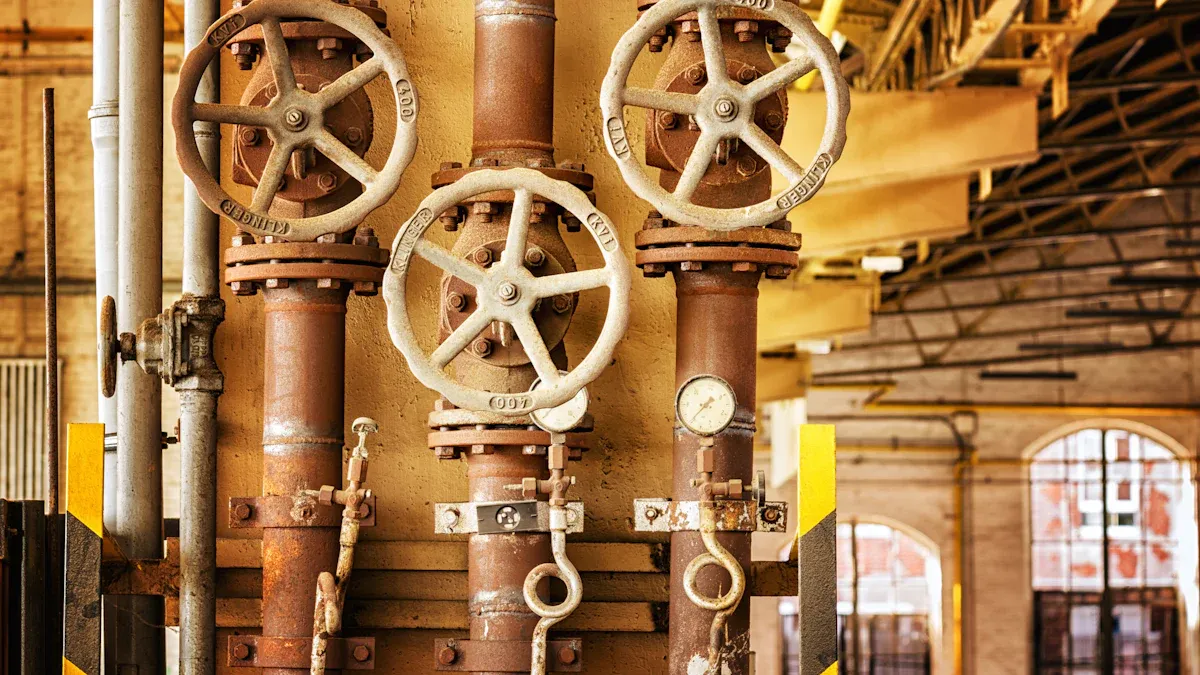
Key Solenoid Valve Construction Materials and Their Properties
The materials used to build a valve significantly determine its lifespan and performance. Manufacturers often choose materials based on the application’s demands. Common construction materials include brass and stainless steel. Brass is a popular choice for many general-purpose applications. Stainless steel, however, offers high mechanical strength. This makes it suitable for more demanding environments.
Solenoid Valve Resistance to Corrosion and Wear
A valve’s ability to resist corrosion and wear is vital for its longevity. Plastic body valves are inert to many corrosive media. This makes them ideal for aggressive environments, such as marine and biotechnology applications. A wide range of plastics ensures compatibility with various chemicals. For example, PTFE offers non-stick properties, suitable for food and beverage applications. Chemical compatibility charts help select the correct plastic for specific chemicals.
| Material | Corrosion Resistance in Chemical Environments | Specific Applications/Limitations |
|---|---|---|
| Brass | Suitable for non-aggressive fluids; excels in pipelines handling regular water and non-acidic fluids. | Ideal for low to medium-pressure and temperature applications. |
| Steel (304 & 316 Stainless Steel) | Superior chemical and corrosion resistance; exceptional resistance to media and environmental corrosion. Compatible with multiple chemicals and industrial fluids. | Preferable for harsh, aggressive fluid flow applications, including chemical processing plants and cryogenic processes. Can suffer crevice corrosion and pitting with high chloride concentrations (e.g., seawater pipelines). |
Factors Influencing Solenoid Valve Lifespan
Several factors influence how long a valve lasts. Proper maintenance practices extend its operational life. Users should understand the basic construction of the valve, including switches and coils. Consulting the instruction manual provides detailed internal structure diagrams. Seeking advice from experienced individuals or professional customer service helps with specific valve usage. Avoiding incorrect usage patterns prevents premature wear. This safeguards economic interests and safety. Users must ensure the valve’s material is appropriate for the operating environment. For example, wet conditions require waterproof capabilities. Dry environments suit other materials. Adhering to detailed installation instructions in the product manual prevents errors or safety issues.
Prioritizing key features is essential for any purchase. Buyers must consider sealing integrity, operational responsiveness, switching speed, flow efficiency, and material durability. These five indicators collectively define a high-quality Solenoid Valve. Such a valve reliably meets demanding application needs. Making informed choices based on these factors leads to efficient and long-lasting systems.
FAQ
What is the most important factor for valve quality?
Sealing integrity is crucial. It prevents leaks. Leaks can cause safety issues and waste resources. Good seals ensure reliable system operation. They also protect the environment.
How does material choice affect a valve?
Material choice determines a valve’s lifespan. It affects resistance to corrosion and wear. Different materials suit various fluids and temperatures. For example, stainless steel works well in harsh conditions. Plastic bodies resist many chemicals.
Why is fast switching important?
Fast switching allows precise control. It improves process accuracy. In manufacturing, quick responses prevent bottlenecks. This maximizes production rates. It also helps save energy by reducing delays.
What does flow efficiency mean for a system?
Flow efficiency ensures minimal resistance. It maximizes performance. A high flow coefficient (Cv) means more fluid moves through the valve. This reduces pressure drop. It also lowers energy consumption and operating costs.