
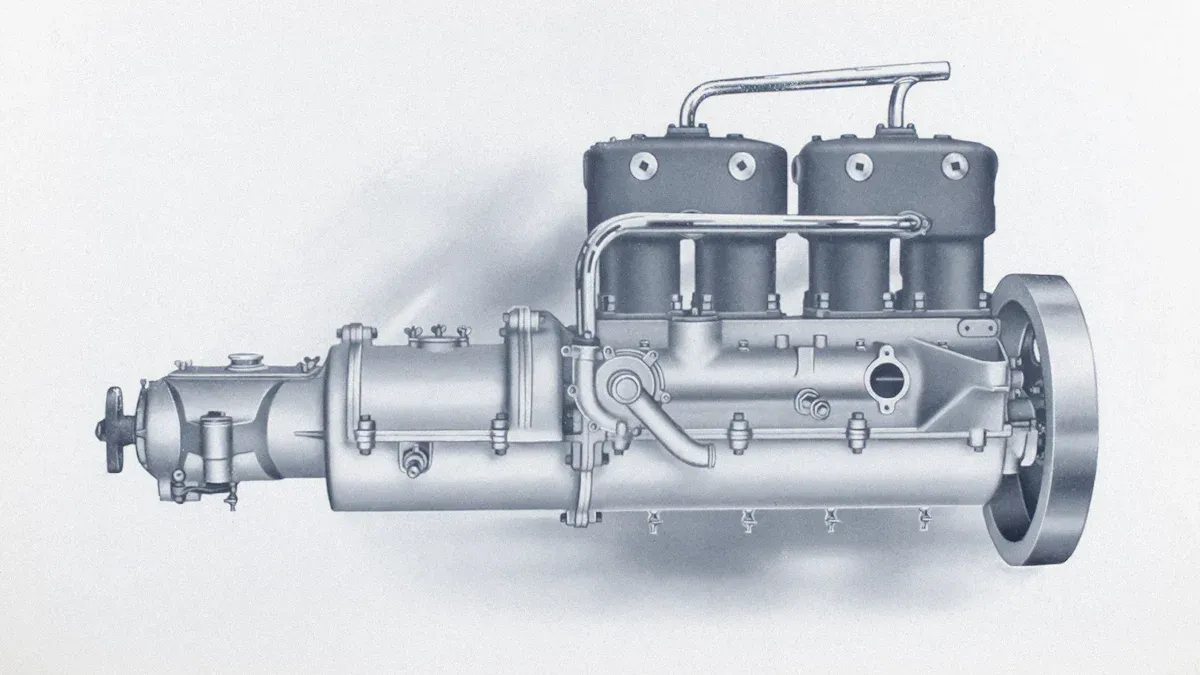
How Does a 2/2 Way Solenoid Valve Work? This essential device precisely controls fluid flow in many systems. A 2/2 Ways Solenoid Valve uses an electromagnetic coil. This coil opens or closes a single fluid path. Understanding the 2/2 way solenoid valve working principle is quite straightforward. For instance, a durable Stainless steel 2/2 way solenoid valve often functions as a reliable solenoid valve for water control. Its operation relies on a simple on-off action. We will explore the working principle of 2/2 solenoid valve in detail.
Key Takeaways
- A 2/2 way solenoid valve controls fluid flow. It uses an electromagnetic coil to open or close a single path.
- The valve has two states: open or closed. It acts like an on/off switch for liquids or gases.
- Key parts include the solenoid coil, plunger, valve body, orifice, seal, and spring. Each part helps control the fluid.
- Normally closed (NC) valves are shut without power. Normally open (NO) valves stay open without power.
- These valves are useful in many places. They help in factories, heating and cooling systems, and water management.
The Fundamental Mechanism of a 2/2 Way Solenoid Valve
Electromagnetic Control of Fluid Flow
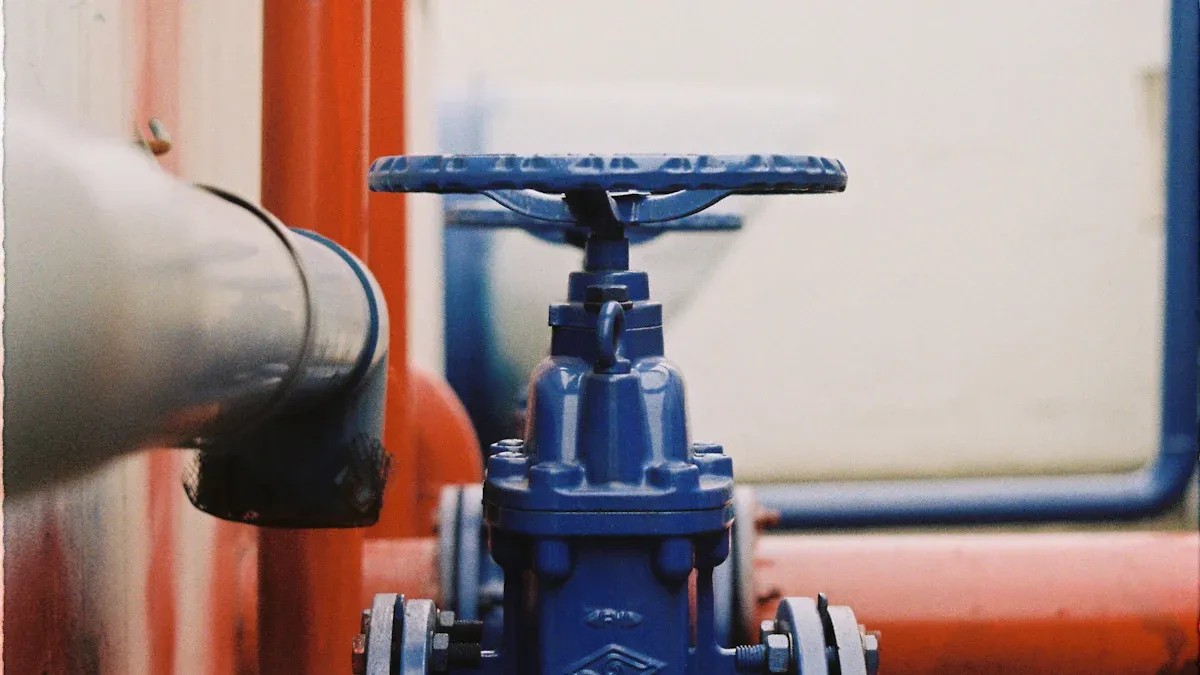
A 2/2 Ways Solenoid Valve operates on a fascinating principle: it converts electrical energy into a mechanical force. This conversion happens through electromagnetism. When electricity flows through a wire coil, it creates a magnetic field. This magnetic field then turns the coil into a powerful electromagnet.
This electromagnet produces a strong attractive force. It pulls a movable iron rod, often called a plunger or armature, into the coil chamber. This movement of the rod is the mechanical force. It then operates parts like valve seats. The core principle here is electromagnetism, which transforms electrical energy into this mechanical action.
The strength of this electromagnetic force is quite interesting. It depends on several factors, including the number of turns in the coil, the amount of current flowing through it, and the effective magnetic area. The force increases significantly with more current. For example, a small increase in current can lead to a much larger increase in force. Conversely, the force weakens quickly as the distance between the plunger and the coil increases. Engineers design these valves carefully, using high-quality materials and optimized shapes, to ensure maximum force with minimal energy. This precise control allows the valve to open or close effectively against fluid pressure.
Two States: Open and Closed
Every 2/2 way solenoid valve has two distinct operational states: fully open or fully closed. It acts like a simple on/off switch for fluid flow. When the solenoid receives electrical power, it moves to one specific state. For instance, it might open the fluid path. When the power is removed, the valve returns to its other state, perhaps closing the path. This straightforward on-off action makes these valves incredibly useful for many fluid control tasks. They either allow fluid to pass completely or stop it entirely, providing clear and decisive control in a system.
Key Components of a 2/2 Way Solenoid Valve
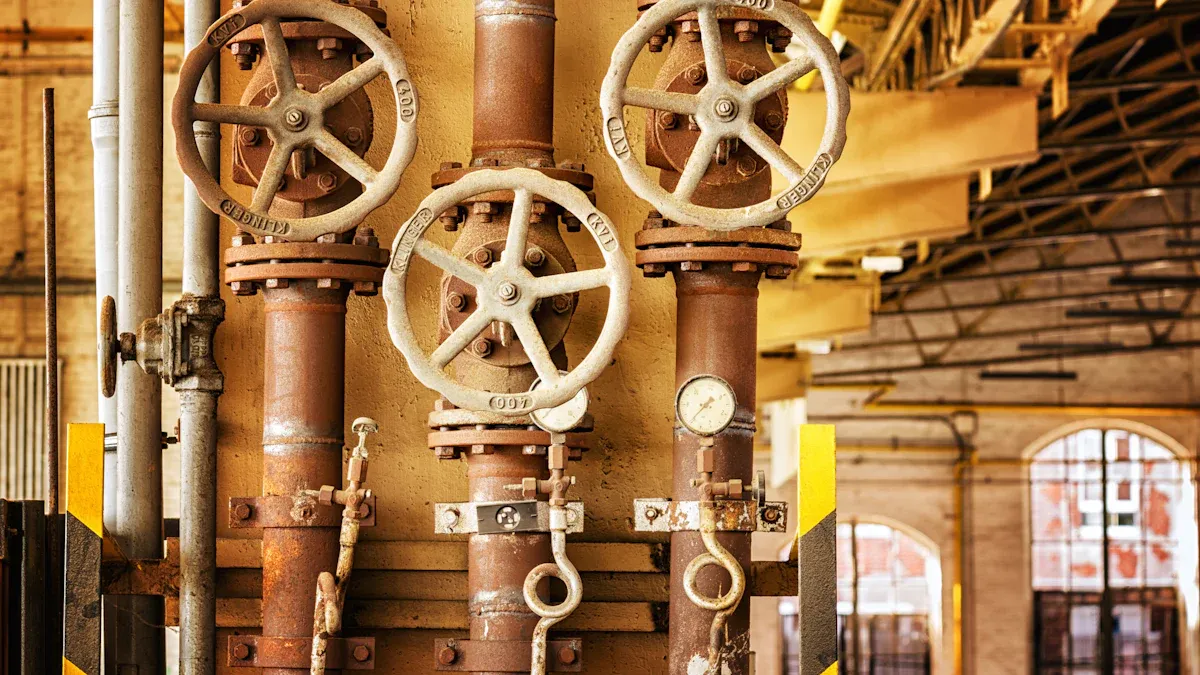
A 2/2 Ways Solenoid Valve relies on several key parts working together. Each component plays a vital role in controlling fluid flow. Understanding these parts helps you see how the valve operates.
The Solenoid Coil
The solenoid coil is the heart of the valve. It creates the magnetic force needed for operation. This coil consists of many turns of wire, usually copper. Copper is excellent for windings because it conducts electricity very well. This helps convert electrical current into a strong magnetic field efficiently. It also minimizes power loss as heat. The wire often has enameled insulation, made from polymer materials. This insulation provides good electrical protection and resists heat and chemicals. Sometimes, fiberglass or mica insulation is used for very high temperatures.
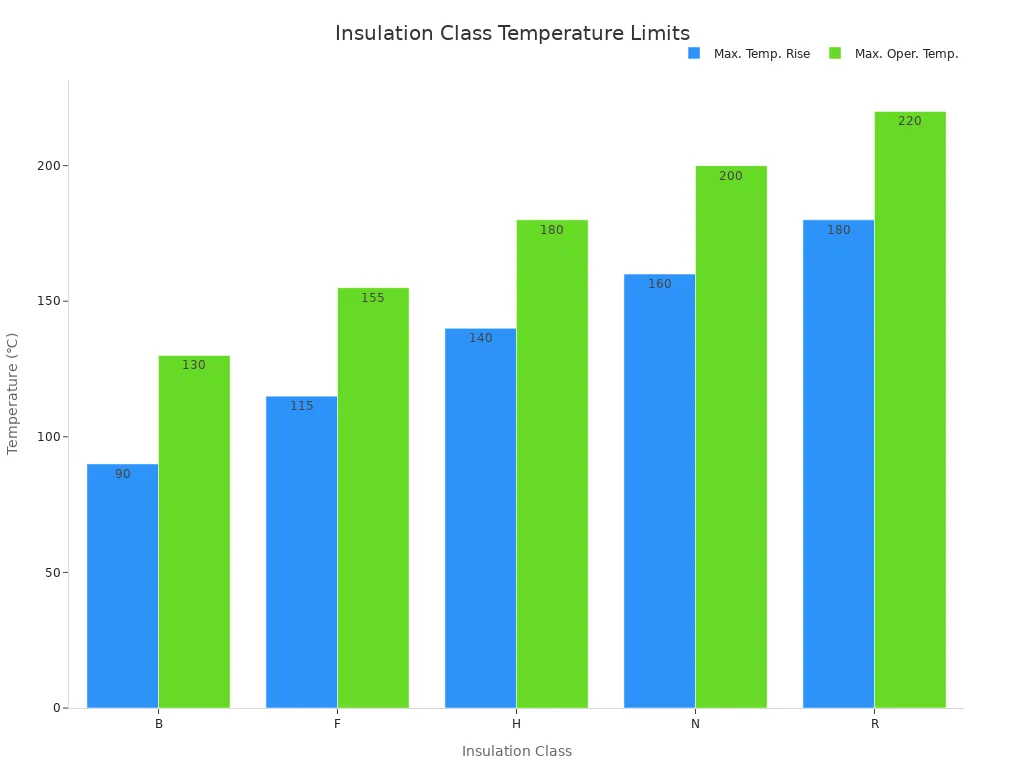
Solenoid coils come with different insulation classes, which tell you how much heat they can handle. For example, a Class F coil can tolerate temperatures above 155°C. A Class H coil handles over 180°C, and Class N can exceed 200°C.
| Insulation Class | Allowable Max. Temp. Rise (℃) | Allowable Max. Oper. Temp. (℃) |
|---|---|---|
| B | 90 | 130 |
| F | 115 | 155 |
| H | 140 | 180 |
| N | 160 | 200 |
| R | 180 | 220 |
These coils also have varying power consumption. Direct-acting valves might use 5W to 20W. Pilot-operated valves often use less power. Some common ratings include 0.7W for DC24V or 0.9VA for AC220V.
The Plunger or Armature
The plunger, also called the armature, is a movable metal rod. It sits inside the solenoid coil. When the coil energizes, it creates a magnetic field. This field pulls the plunger. The plunger then moves to open or close the valve. Manufacturers often make the plunger tube from materials like brass or stainless steel. These materials ensure smooth movement and durability. The static iron core, which helps guide the magnetic field, has high magnetic conductivity. It also has low remanence, meaning it does not stay magnetized after the power turns off.
The Valve Body and Orifice
The valve body forms the main structure of the valve. It houses all the internal components. It also provides the inlet and outlet ports for the fluid. The orifice is a small opening within the valve body. This opening controls the fluid flow. When the valve opens, fluid passes through this orifice. The size of the orifice directly affects the flow capacity. Different valve designs handle various pressures and temperatures. For instance, some orifices have an actual diameter of 10.0 mm. They can handle pressure ranges from 20684 to 51711 kPag.
| Specification | USC Value | SI Value |
|---|---|---|
| Orifice Actual Diameter | 0.394 in | 10.0 mm |
| Orifice Actual Area | 0.122 in² | 78.7 mm² |
| Pressure Range | 3000 to 7500 psig | 20684 – 51711 kPag |
| Standard Temperature Range | -20°F to 400°F | -29°C to 204°C |
The Seal and Spring
The seal is a critical part of a 2/2 way solenoid valve. It prevents fluid from leaking when the valve closes. It also ensures a tight shut-off. Manufacturers make seals from various materials. They choose materials based on the fluid type, temperature, and pressure. For example, different fluids require specific seal materials.
| Material | Advantages | Disadvantages | Temperature Range |
|---|---|---|---|
| NBR | Good resistance to compression, tearing, wear; compatible with oil products, solvents, alcohol (up to 80°C). | Sensitive to weather, moderate temperature resistance, unsuitable for brake fluid and polar solvents. | Up to 80°C |
| FKM (Viton) | Very good overall chemical resistance; good mechanical properties, resistance to compression set; suitable for high temperatures (not for hot water/steam); good resistance to oils and solvents (aliphatic, aromatic, halocarbons, acids, animal/vegetable oils). | Poor resistance to hot water and steam; swells at higher temperatures; unsuitable for polar solvents, certain esters and ethers, glycol-based brake fluid; not resistant to methanol. | -10°C to 120°C |
| EPDM | Very suitable for water, steam, ketones, alcohols, brake fluids, low-concentration acids/alkalis; very good resistance to weather and ozone. | Poor resistance to oil, grease, and solvents; unsuitable for aromatic hydrocarbons. | -10°C to 130°C |
| PTFE (Teflon) | Resistant to almost all fluids; relatively hard, suitable for higher operating pressures and temperatures. | Not flexible; generally not used for low operating pressures. | -30°C to 180°C |
As you can see, NBR works well with oil products. However, FKM (Viton) offers excellent chemical resistance for many harsh substances. EPDM is a great choice for water and steam applications. PTFE (Teflon) handles almost any fluid and high temperatures. However, it lacks flexibility. Choosing the right seal material ensures the valve works reliably and lasts a long time.
The spring also plays a vital role. It provides the opposing force to the solenoid’s magnetic pull. In a normally closed valve, the spring pushes the plunger down. This keeps the valve shut when the coil is not energized. When the coil energizes, it pulls the plunger up, compressing the spring. In a normally open valve, the spring pushes the plunger up. This keeps the valve open when de-energized. When the coil energizes, it pulls the plunger down, closing the valve. The spring ensures the valve returns to its default position when power is off. This simple component helps maintain consistent fluid control.
Operational States of a 2/2 Way Solenoid Valve
A 2/2 Ways Solenoid Valve works by switching between two main states. These states depend on whether electricity flows to the coil. Understanding these states helps you see how the valve controls fluid.
De-Energized State: Normally Closed (NC) Operation
In its de-energized state, a normally closed (NC) 2/2 way solenoid valve remains shut. This means no electricity flows to the coil. A spring pushes the plunger down, which seals the valve’s orifice. This action prevents fluid from passing through. NC valves are very common. They offer a safe default position. If power fails, the valve automatically closes, stopping fluid flow. This prevents spills or uncontrolled processes.
These valves can withstand significant pressure when closed. Look at the typical pressure ranges they handle:
| Coil Type | Operating Pressure Range |
|---|---|
| AC Coil | Vacuum* to 150 PSI |
| DC Coil | Vacuum* to 100 PSI |
*Vacuum is larger than 29 inHg.
Another example shows even higher resistance:
| Pressure Type | Value |
|---|---|
| Operating Pressure | 0.1~0.8 MPa (15~120 psi) |
| Max. Pressure Resistance | 0.9 MPa |
This strong sealing capability makes NC valves reliable for many applications.
De-Energized State: Normally Open (NO) Operation
A normally open (NO) 2/2 way solenoid valve works differently in its de-energized state. Without electricity, the valve stays open. A spring holds the plunger up, allowing fluid to flow freely through the orifice. These valves are useful when you need continuous flow as the default. For example, they can provide cooling water to a system. If power fails, the water continues to flow. This prevents overheating.
NO valves can handle impressive flow rates. For instance, the STC 2WO500-2″ NPT Solenoid Valve, a direct lift diaphragm type, has a 50mm orifice. It achieves a Cv flow rate of 48.
Here is a table showing various models and their flow rates:
| Model | Port Diameter (mm) | Flow Rate (Cv) | Port Size |
|---|---|---|---|
| 2WK160-15 | 16 | 4.8 | G1/2″ |
| 2WK200-20 | 20 | 7.6 | G3/4″ |
| 2WK250-25 | 25 | 12 | G1″ |
| 2WK350-35 | 35 | 24 | G1¼” |
| 2WK400-40 | 40 | 29 | G1½” |
| 2WK500-50 | 50 | 48 | G2″ |

This chart visually represents how larger port diameters lead to higher flow rates.
Energized State: How NC Valves Open
When you apply electricity to a normally closed (NC) valve, it changes state. The solenoid coil becomes an electromagnet. This electromagnet generates a magnetic force. This force pulls the plunger upwards. The plunger lifts away from the valve seat. This action opens the orifice. Fluid can now flow through the valve.
Several factors influence how quickly an NC valve opens:
- Type of Current: AC solenoids generally respond faster. They can open in about 8–15 milliseconds. DC solenoids are typically slower.
- Valve Design: Direct-acting solenoid valves usually open quicker than pilot-operated valves. Some pilot-operated designs allow you to adjust their response time.
- Forces to Overcome: The solenoid needs enough power to overcome several forces. These include inertia, friction, spring forces, and hydraulic forces. These forces can vary. They directly impact the valve’s transition speed.
Engineers design these valves carefully. They balance speed, power, and reliability for specific applications.
Energized State: How NO Valves Close
When you send electricity to a normally open (NO) valve, it quickly changes its state. The solenoid coil becomes an electromagnet. This electromagnet creates a strong magnetic field. This field pulls the plunger downwards. The plunger then moves against the spring’s force. It pushes onto the valve seat. This action closes the orifice. Fluid can no longer flow through the valve. It stops completely.
Think of it like this:
Imagine a gate that is usually open. When you flip a switch, a powerful magnet pulls the gate shut. This stops anything from passing through. That’s how an NO valve works when energized!
Several things affect how fast an NO valve closes:
- Coil Power: A stronger magnetic field from the coil means a faster pull on the plunger. This closes the valve more quickly.
- Fluid Pressure: High fluid pressure pushing against the closing action can slow it down. The solenoid needs enough force to overcome this pressure.
- Spring Strength: The spring usually holds the valve open. The magnetic force must be strong enough to compress this spring effectively.
- Valve Design: Direct-acting valves often close faster than pilot-operated ones. Pilot-operated valves use fluid pressure to assist in closing, which can introduce a slight delay.
For example, some NO valves can close in just milliseconds. This quick response is vital in systems needing immediate shut-off. This ensures precise control over fluid flow. When the power goes off, the spring pushes the plunger back up. This reopens the valve. This design makes NO valves perfect for applications where you want fluid to stop only when power is actively applied.
| Factor | Impact on Closing Speed |
|---|---|
| Coil Power | Higher power = Faster closing |
| Fluid Pressure | Higher pressure = Slower closing |
| Spring Strength | Stronger spring = Slower closing |
| Valve Design | Direct-acting > Pilot-operated |
Knowing how NO valves close helps you choose the right valve for your system. It ensures your fluid control is both effective and reliable. 💡
Types of 2/2 Way Solenoid Valves
Solenoid valves come in different designs to suit various applications. The two main types of 2/2 way solenoid valves are direct acting and pilot operated. Each type has unique characteristics that make it ideal for specific fluid control tasks.
Direct Acting 2/2 Way Solenoid Valves
Direct acting 2/2 way solenoid valves are the simplest type. In these valves, the solenoid coil directly moves the plunger to open or close the valve. This means they do not need any pressure difference in the fluid line to work. They can operate effectively from 0 psi up to their maximum rated pressure. This makes them perfect for situations where fluid pressure might be very low or even negative, such as in vacuum circuits.
These valves are also great for handling particle debris, as their direct action is less prone to clogging. You often find them in very compact, cost-effective sizes, including miniature versions for high-pressure uses. People use them widely for neutral and clean liquids, gases, and vapors. Special versions with high-quality materials can even handle mildly acidic and alkaline solutions. They are excellent for tasks like shut-off, dosing, filling, and ventilation. For example, SMC’s V100 series, a compact direct-acting valve, offers flow rates between 8.4 and 24 liters per minute. However, for direct-acting valves, the magnetic force must overcome the static pressure. This means higher pressures or larger openings need stronger magnetic forces.
Pilot Operated 2/2 Way Solenoid Valves
Pilot operated 2/2 way solenoid valves work a bit differently. Instead of directly moving the main seal, the solenoid first opens a small “pilot” orifice. This small opening then uses the fluid pressure itself to help open or close the main valve. This design allows these valves to handle much higher pressures and larger flow rates than direct-acting valves. The differential fluid pressure assists in opening and closing the valve, which is why they are often used for higher pressures and larger orifice sizes.
Here is a look at their typical capabilities:
| Characteristic | Value |
|---|---|
| Maximum Pressure | 1.5 MPa |
| Flow Rate (Cv) | 1.9 to 10.2 |
These valves are very common in industrial settings where large volumes of fluid need control at high pressures. They are efficient because the solenoid only needs to move a small pilot plunger, saving energy compared to directly moving a large main seal against high pressure.
Applications and Benefits of 2/2 Way Solenoid Valves
2/2 way solenoid valves play a crucial role in many industries. They offer precise control over fluid flow. Their simple on/off action makes them highly versatile.
Industrial Automation and Process Control
These valves are essential for industrial automation. They control the flow of compressed air, starting or stopping gaseous media. For example, they accurately control the movement of a pneumatic gripper. This allows the gripper to open and close, helping pick up and drop materials. You also find 2/2-way valves for air supply shut-off.
| Valve Type | Description | Typical Use |
|---|---|---|
| 2/2-Way Valve | On/off control | Air supply shut-off |
Many industries rely heavily on 2/2-way solenoid valves. This includes medical, laboratory, and pharmaceutical equipment like dialysis machines and oxygen concentrators. General-purpose industrial automation also uses them. Think about dishwashing and laundry machines in commercial kitchens or bottle filling lines in beverage plants. They also help with chemical dosing in wastewater treatment.
These valves integrate into control systems to regulate direction, flow rate, and speed. They achieve precise control by working with different circuits. This ensures both accuracy and flexibility. Control signals can convert into a Pulse-Width Modulated (PWM) signal for fine adjustments. Digital communication via CAN-based variants also allows integration into higher-level controllers. Some valves even offer an I/O board for connecting external sensors, allowing configurable behavior.
HVAC and Water Management Systems
2/2-way solenoid valves are vital for water control. They manage water flow in homes, businesses, and industrial settings. Specific uses include filling tanks, managing water flow in water treatment centers, and filling washing machines. They provide reliable on/off control for these critical applications.
Advantages in Fluid Control Systems
These valves offer many advantages in fluid control. Their reliability comes from careful design and material choices. Engineers select valve body, coil, and seal materials to match the fluid and environment. For instance, stainless steel handles corrosive chemicals, while brass works well for water. The seal material is also critical, with different elastomers for oils, steam, or aggressive chemicals.
Operating valves within their specified pressure and temperature ratings is crucial. Exceeding these limits can cause damage or leaks. Specialized valves handle high-temperature industrial applications. Response time is another key factor. Fast response times are critical for precise dosing and emergency shut-off systems. This prevents accidents or minimizes damage. Power consumption efficiency also contributes to reliability. Low-power coils and latching solenoids reduce energy use and extend valve life.
Regular maintenance also helps ensure a long lifespan. This includes cleaning, checking electrical connections, and inspecting for wear. A 2/2 way universal solenoid valve typically lasts between 2 million and 8 million cycles. Proper selection and maintenance ensure these valves perform reliably for years.
2/2 Ways Solenoid Valve units are truly crucial for precise on/off fluid control across many different systems. Their clever operation relies on a fascinating interplay between electromagnetic force and mechanical components. This combination allows them to manage fluid flow effectively. Understanding their working principle is absolutely essential for anyone designing or maintaining these systems. It helps ensure reliable and efficient fluid management in countless applications.
FAQ
What is a 2/2 way solenoid valve?
A 2/2 way solenoid valve controls fluid flow. It uses an electromagnetic coil to open or close a single fluid path. Think of it as an on/off switch for liquids or gases. It either allows fluid to pass completely or stops it entirely. 💡
How does a normally closed (NC) valve differ from a normally open (NO) valve?
A normally closed (NC) valve stays shut when it has no power. It opens when electricity flows to it. A normally open (NO) valve stays open without power. It closes when electricity energizes its coil. They offer different default states. 🔄
What are the main types of 2/2 way solenoid valves?
The two main types are direct acting and pilot operated. Direct acting valves use the solenoid to move the plunger directly. Pilot operated valves use fluid pressure to help open or close the main valve after the solenoid activates a small pilot. 🛠️
Where do people commonly use these valves?
People use 2/2 way solenoid valves in many places. They appear in industrial automation for process control and in HVAC systems. You also find them in water management, like filling tanks or controlling washing machines. They provide precise on/off fluid control. 💧