
How to Lubricate Pneumatic Cylinders: Complete Maintenance Guide for Longer Service Life
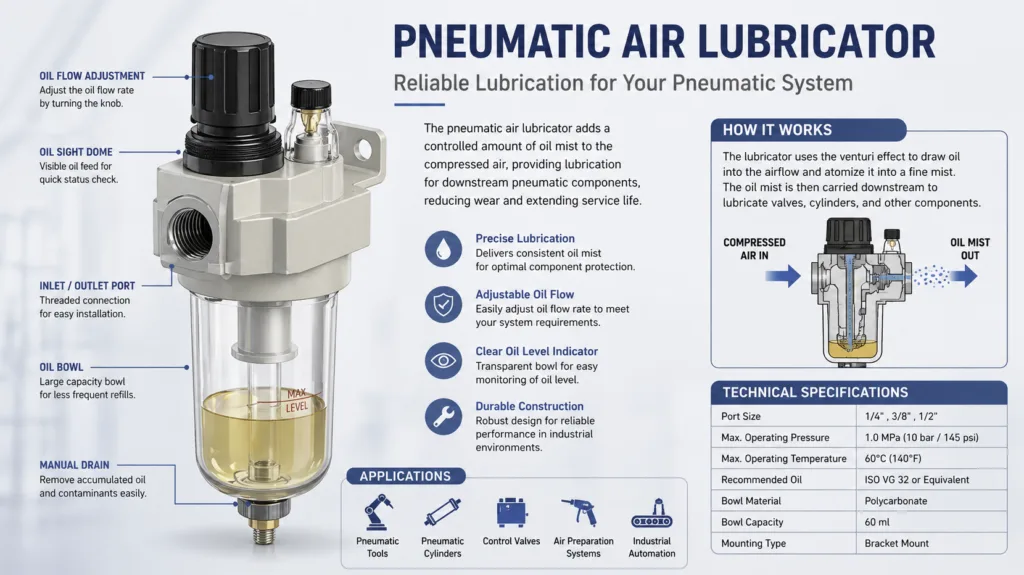
Proper lubrication of pneumatic cylinders reduces seal wear, lowers friction, improves stroke consistency, and helps prevent premature failure. The key principle is simple: only lubricate pneumatic cylinders when the cylinder design, seal material, and manufacturer guidance require lubrication. Many modern cylinders are pre-lubricated for life, while older or heavy-duty cylinders may need controlled air-line lubrication or […]
How Does a Pneumatic Air Filter Work?
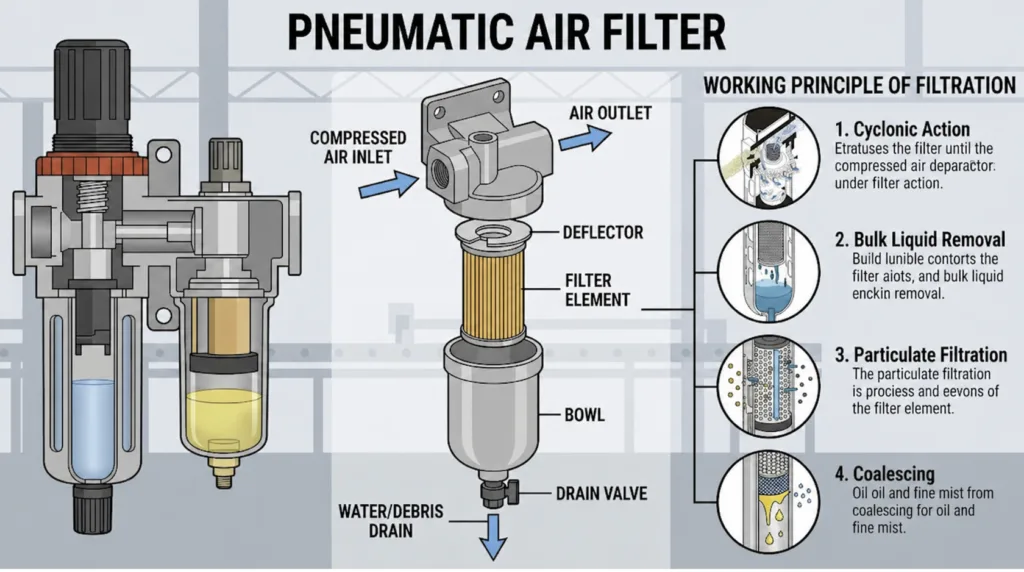
A pneumatic air filter works by removing solid particles, water droplets, oil aerosols, and other contaminants from compressed air before the air reaches valves, cylinders, actuators, and tools. Clean compressed air is essential because contamination can damage seals, block valve passages, corrode internal parts, and reduce machine efficiency. Most pneumatic air filters use a combination […]
Stainless Steel vs Brass Solenoid Valves: Which Material Is Better?
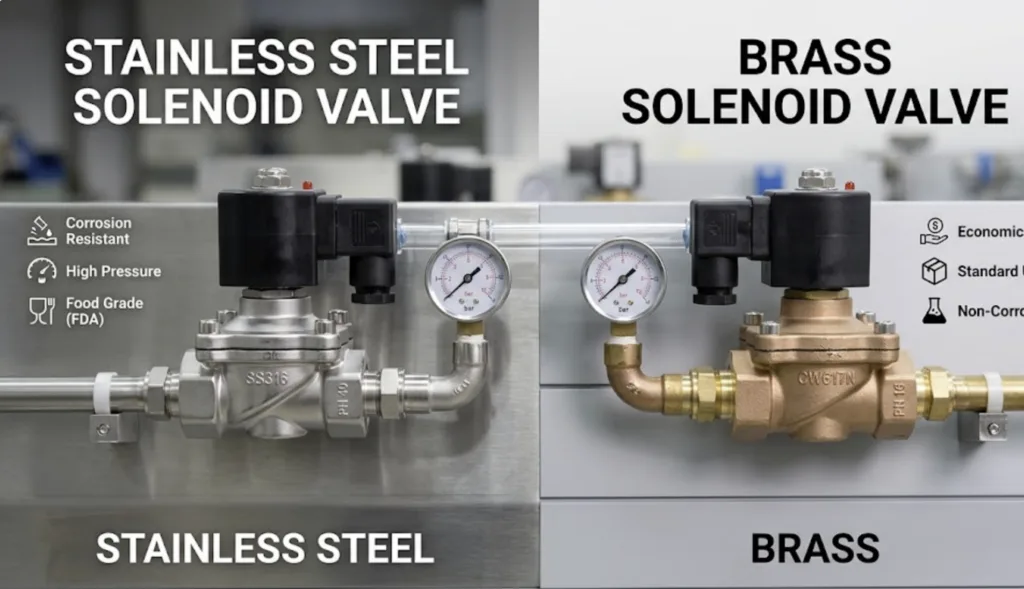
Material selection is the primary determinant of a solenoid valve’s lifecycle, chemical compatibility, and pressure rating.
Solenoid Valve vs Pneumatic Valve: Pros and Cons Compared
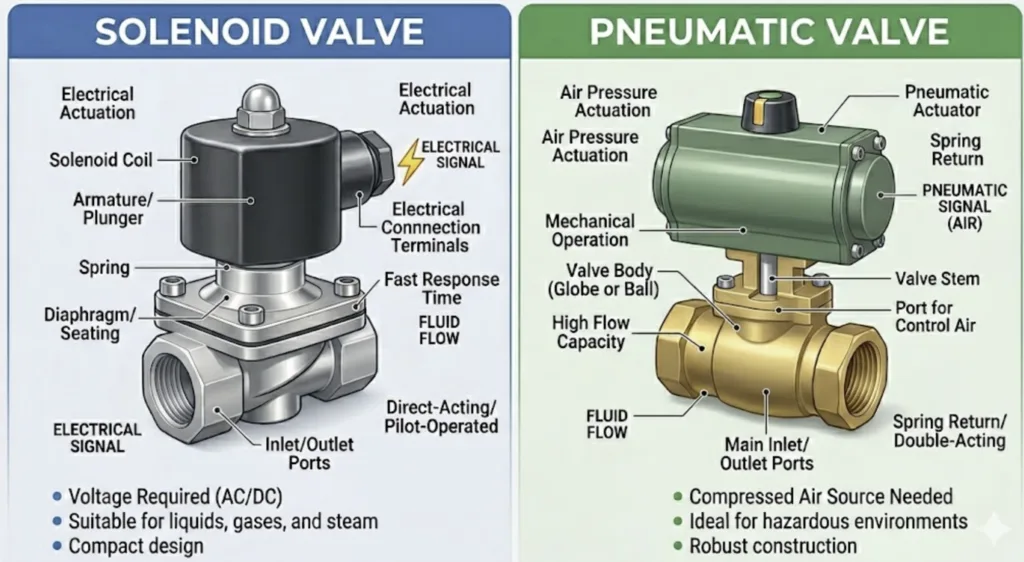
Industrial flow control relies heavily on two primary actuation methods: electromagnetic and fluid power.
Direct Acting vs Pilot Operated 2/2 Solenoid Valves: Full Comparison
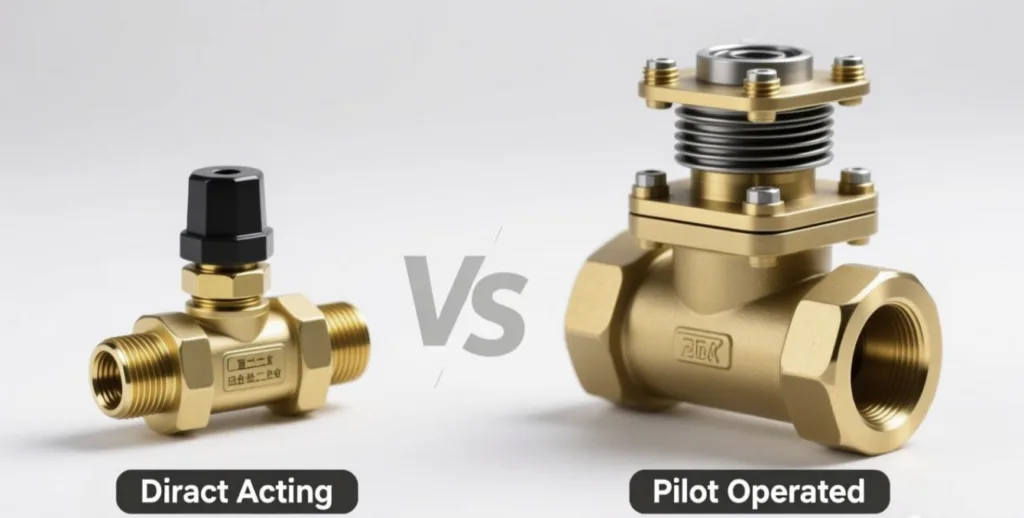
A 2/2 solenoid valve (also known as a 2-way 2-position solenoid valve) is a basic type of electromagnetic valve used to control fluid flow in on/off applications.
Normally Open vs Normally Closed 2/2 Solenoid Valves: How to Choose?
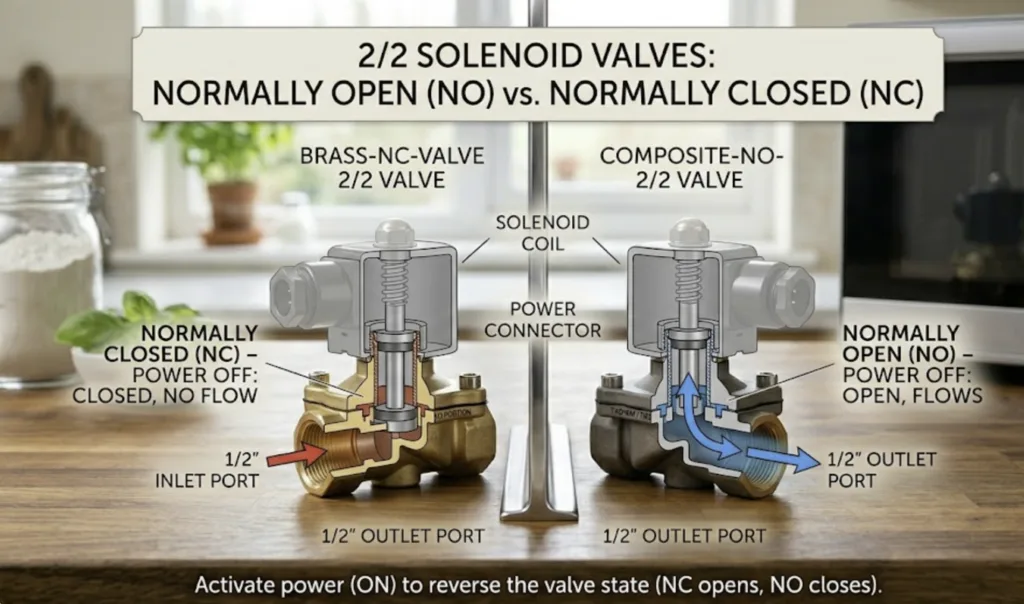
A 2/2 solenoid valve (also called a 2-way 2-position solenoid valve) is one of the simplest types of electromagnetic valves used in fluid control systems.
2/2 vs 3/2 Solenoid Valve: Key Differences Explained
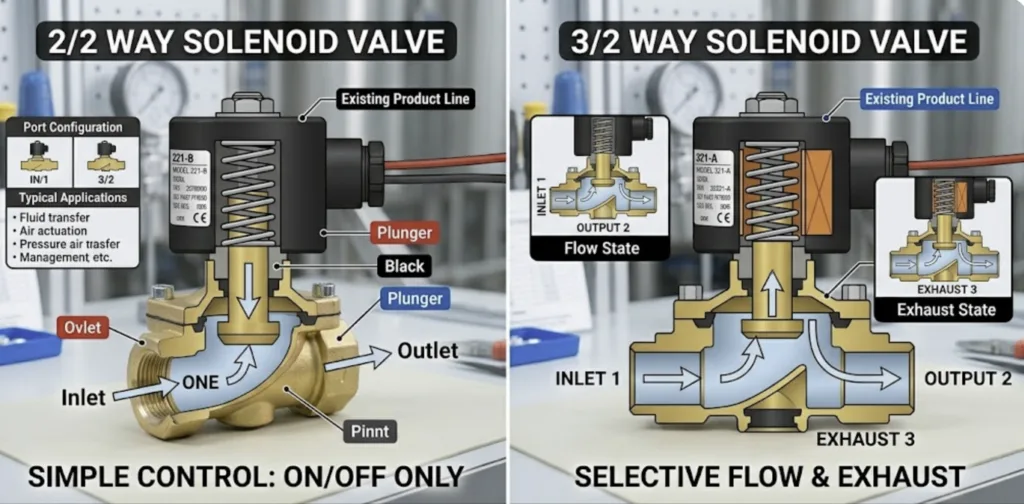
When comparing 2/2 vs 3/2 solenoid valves, the main difference lies in the number of ports and switching functions.
2/2 Solenoid Valve Troubleshooting Guide Common Problems & Solutions
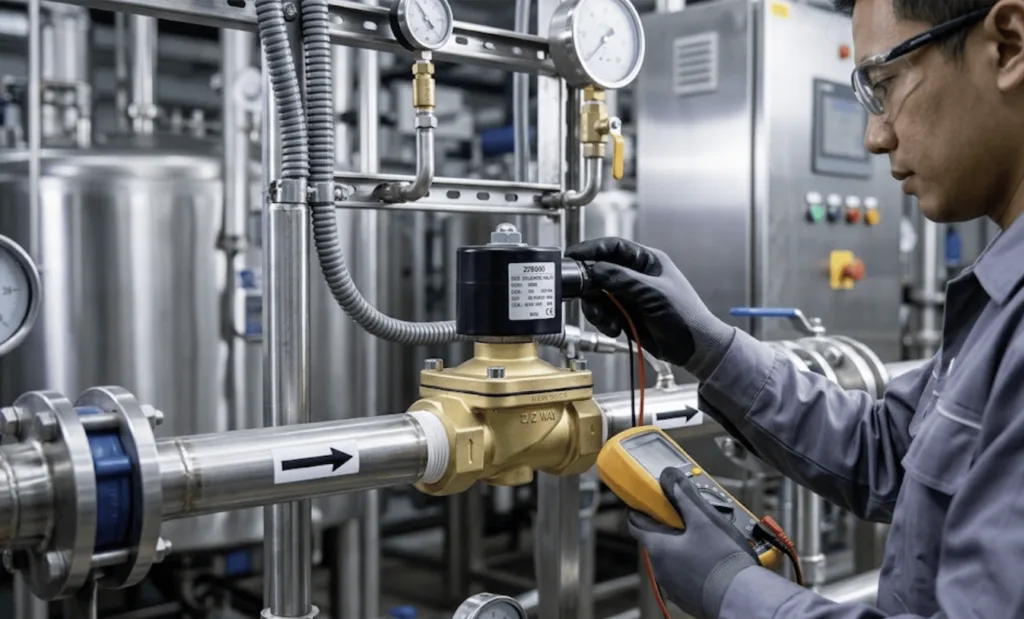
In industrial automation and fluid control systems, solenoid valve troubleshooting is essential for maintaining stable and efficient operation. Common issues such as “valve not opening,” “coil failure,” or “delayed response” can often be diagnosed through a structured inspection process.
The Structure of a Pneumatic Push-in Fitting Explained: Components and Design
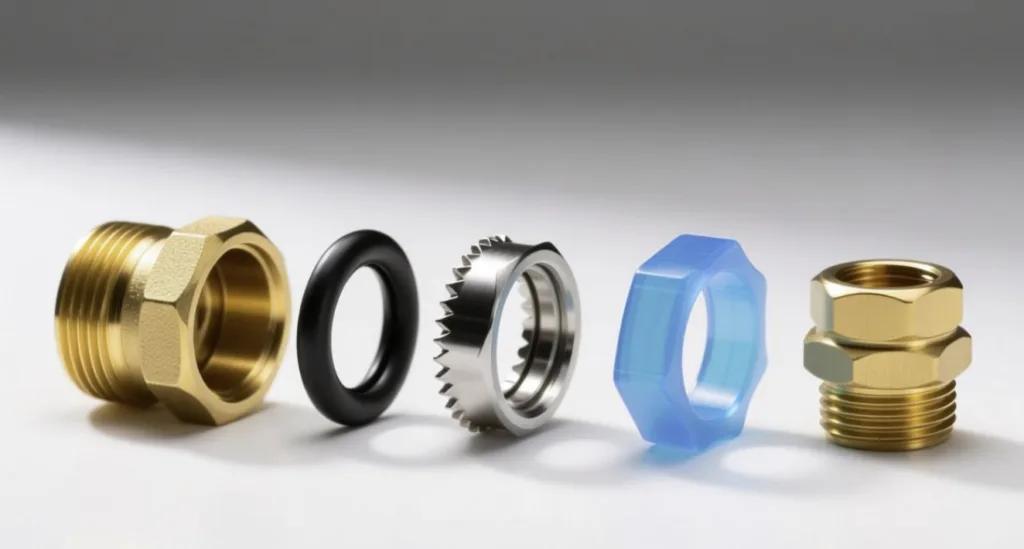
A Pneumatic push-in fitting also known as quick connect fitting in pneumatic system,which is a widely used compressed air component in fluid and pneumatic systems that allows fast, tool-free tube connections.
How Do Push-in Fittings Work in Pneumatic Systems? An In-depth Explanation
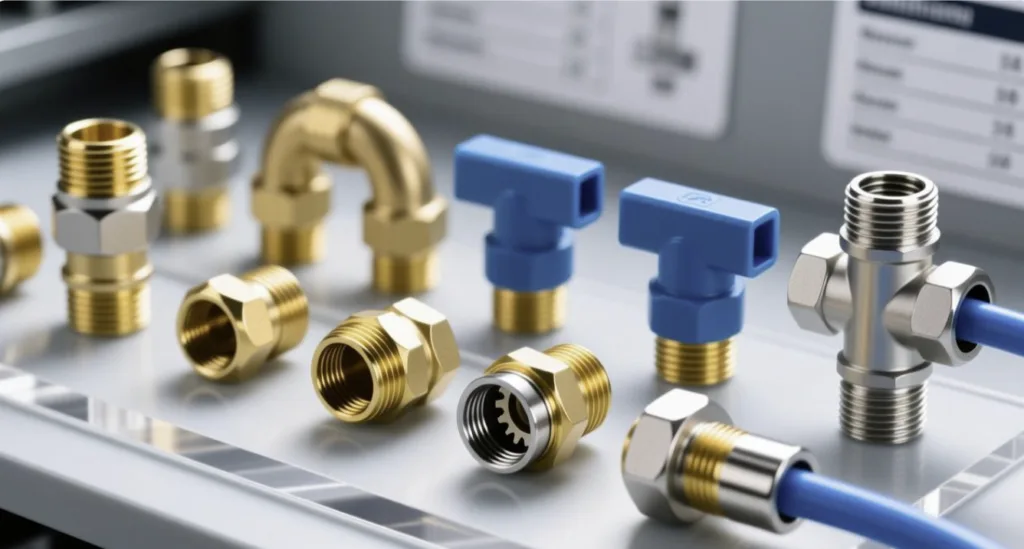
Push-in fittings also called quick connect pneumatic fittings, which are essential components in modern pneumatic systems. They are designed to connect tubing quickly and securely without the need for special tools.